Can You Run With a Waist Trimmer?
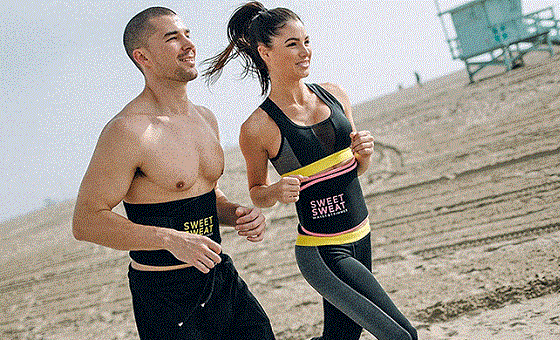
Yes, you can run with a waist trimmer. It wraps around your waist and traps heat. More heat means more sweat during runs. Sweat loss feels like extra calorie burning. This guide explains the benefits and risks clearly. The belt wraps the waist. Heat stays trapped inside. Sweat rises on runs. This guide weighs risks too.
Waist trimmers are elastic belts made of neoprene. They fit snugly around the midsection during workouts. Many runners like the warmth and core support. The belt is not a shortcut to fat loss. Diet and regular exercise drive real results. Neoprene makes the belt. It fits snug on runs. Warmth draws fans. Fat loss needs real work.
Later sections explain benefits, risks, and alternatives. Best practices and safety tips follow after them. Short answers close the guide at the end. Careful habits keep running safe and comfortable. Small routines deliver steady fitness every time. Gains come up first. Risks come next in line. Safe habits close it out. Small steps build fitness.
Quick answer: Yes, you can run with a waist trimmer. It raises sweat and may feel like harder work. The sweat loss is water weight, not fat loss. Tight belts can dehydrate, irritate skin, and restrict breathing. Keep it snug, stay hydrated, and stop if it hurts.
Introduction to Waist Trimmers
Waist trimmers are elastic belts for workouts. They wrap snugly around the midsection always. Neoprene traps heat and raises sweat levels. Runners use them hoping for faster results. The belt complements training but never replaces it. The belt wraps snug. Neoprene traps the heat. Sweat rises with heat. Training stays the base.
What Are Waist Trimmers?
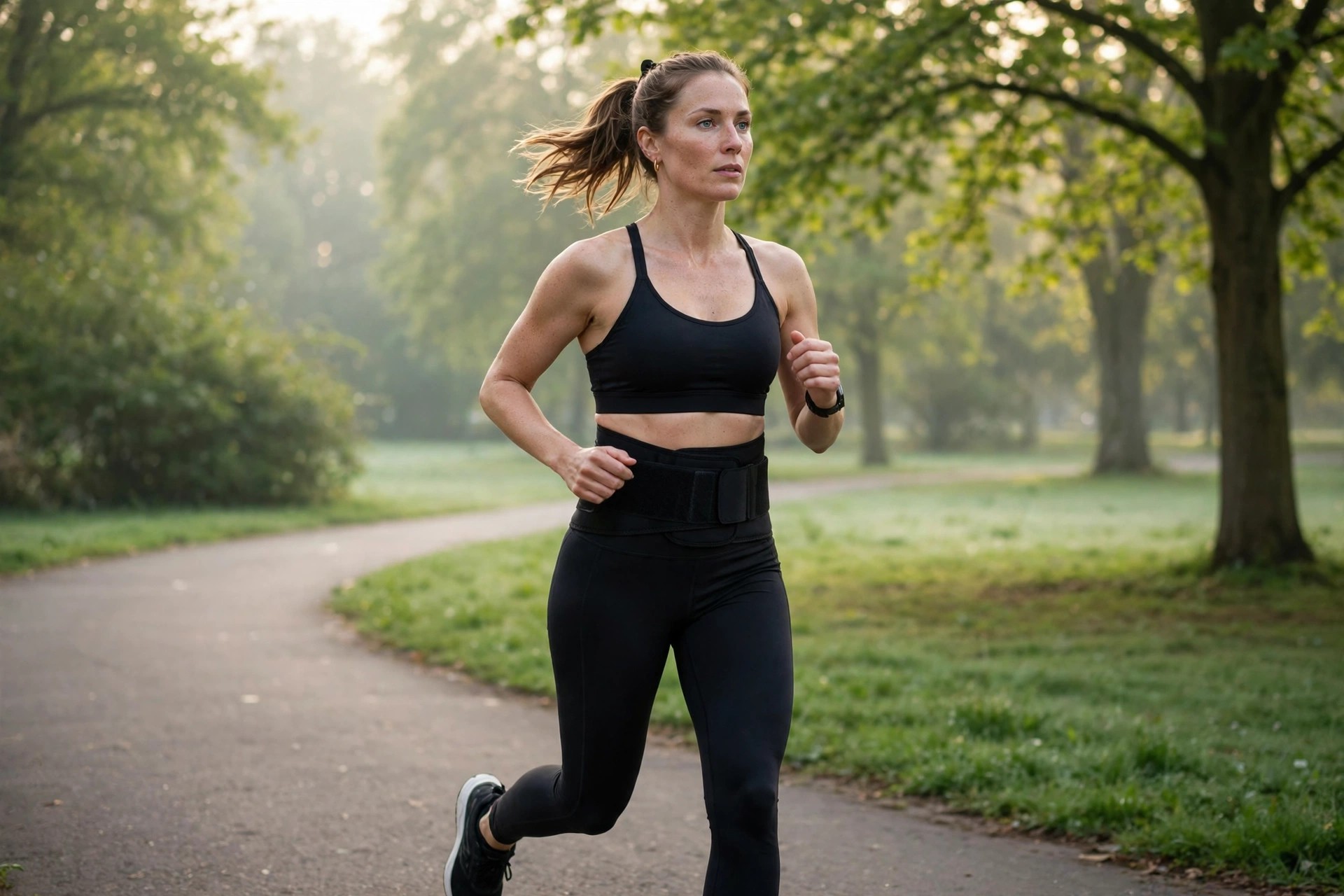
Waist trimmers are stretchy belts worn around the waist. They use neoprene or similar stretchy materials. The belt traps heat around the midsection. Trapped heat raises sweat during exercise sessions. Sweat loss drops water weight for a short time. The belt hugs the waist. Heat builds up inside. Sweat flows more on runs. Water weight drops fast.
Popularity Among Runners
Many runners wear waist trimmers during workouts. They like the warmth and the core support. Some feel the belt improves posture while running. Others enjoy feeling like they work harder. The belt suits short runs better than long ones. Runners wear them a lot. Warmth draws them in. Core support draws them too. Short runs suit them best.
| Feature | Benefit |
|---|---|
| Increased sweat | Helps with water weight loss |
| Core support | Improves posture and performance |
| Elastic material | Comfortable fit during runs |
Can You Run With a Waist Trimmer? Benefits
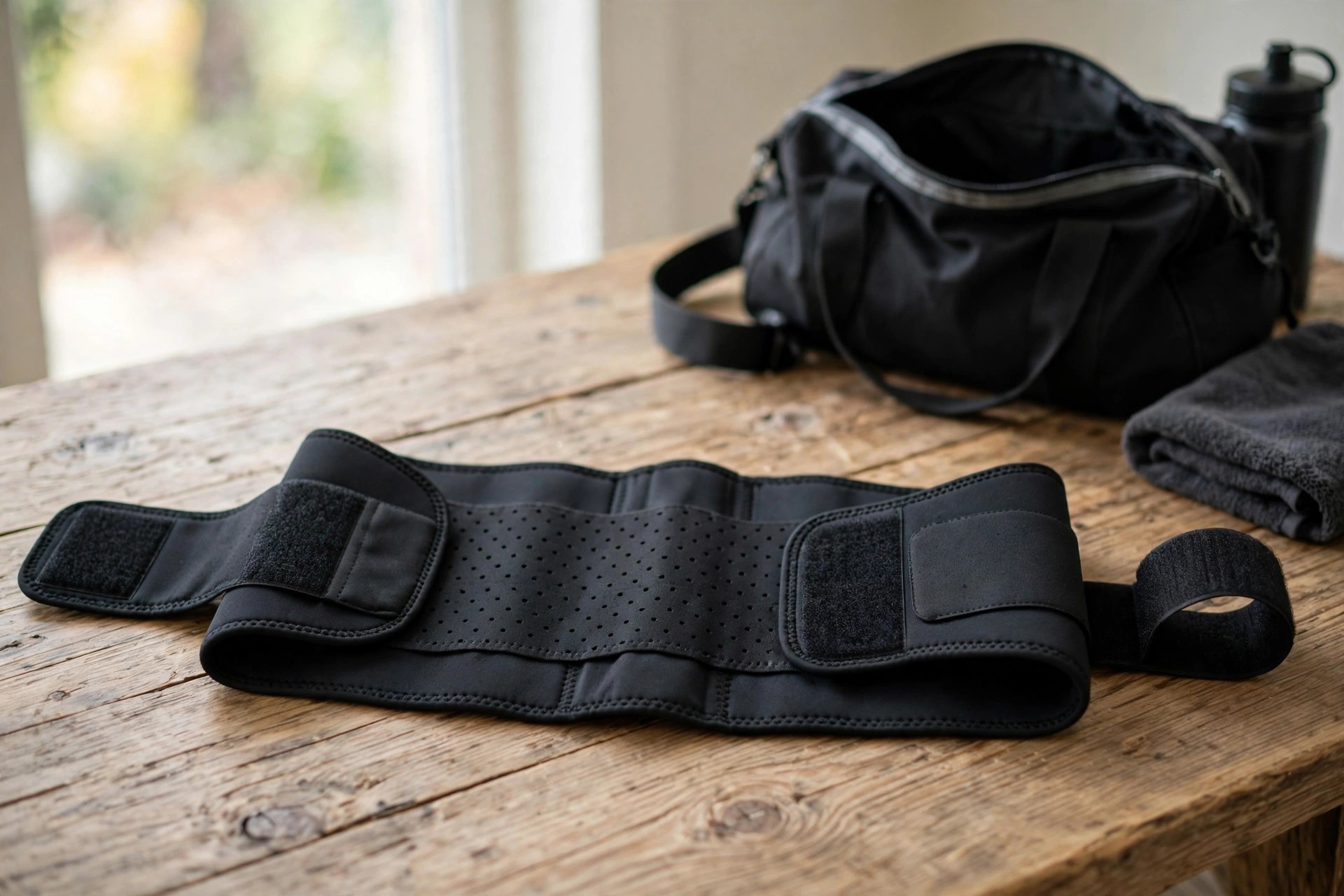
Running with a waist trimmer can raise sweat levels. The neoprene traps body heat around the waist. More sweat can make you feel lighter after runs. Warmth may ease stiffness before hard efforts. These perks suit short, easy runs best. Sweat rises on runs. Heat stays at the waist. Runs can feel lighter. Short runs suit these perks.
Enhanced Sweat Production
Neoprene traps heat and raises sweat fast. Sweat flows more around the covered midsection. The extra sweat feels like harder work. It drops water weight for a short time. Drink water to replace the sweat you lose. Heat builds up fast. Sweat flows at the waist. Work can feel harder. Drink water on runs.
Potential Calorie Burn
Running burns calories with or without a belt. Extra heat may raise your heart rate slightly. A faster heart rate burns more calories during runs. The gain is small and hard to measure. Treat the belt as a comfort aid, not a fat burner. Runs burn calories anyway. Heat may lift heart rate. The gain stays small. It is a comfort aid.
Improved Posture
A snug belt can support your lower back. Support may improve posture during short runs. Better posture can ease strain on the back. It may also help breathing feel easier. Stop if the belt squeezes your breathing. The belt backs the back. Posture may gain on runs. Strain may ease a bit. Stop if breath feels tight.
Potential Risks of Running With a Waist Trimmer
Waist trimmers carry real risks for runners. Trapped heat can dehydrate you quickly outdoors. Tight belts can chafe skin and restrict breathing. Skin and safety rules matter for every trimmer. Our no-guard guide explains risks and safe practices. Risks come with the belt. Heat can dry you out. Tight fits can chafe skin. Safe use comes first.
Please note: This guide gives general fitness information only. It does not replace advice from a doctor. Talk to a doctor before running with a waist trimmer. This matters most if you have a health condition. Stop and seek care if you feel dizzy or breathless.
Dehydration Concerns
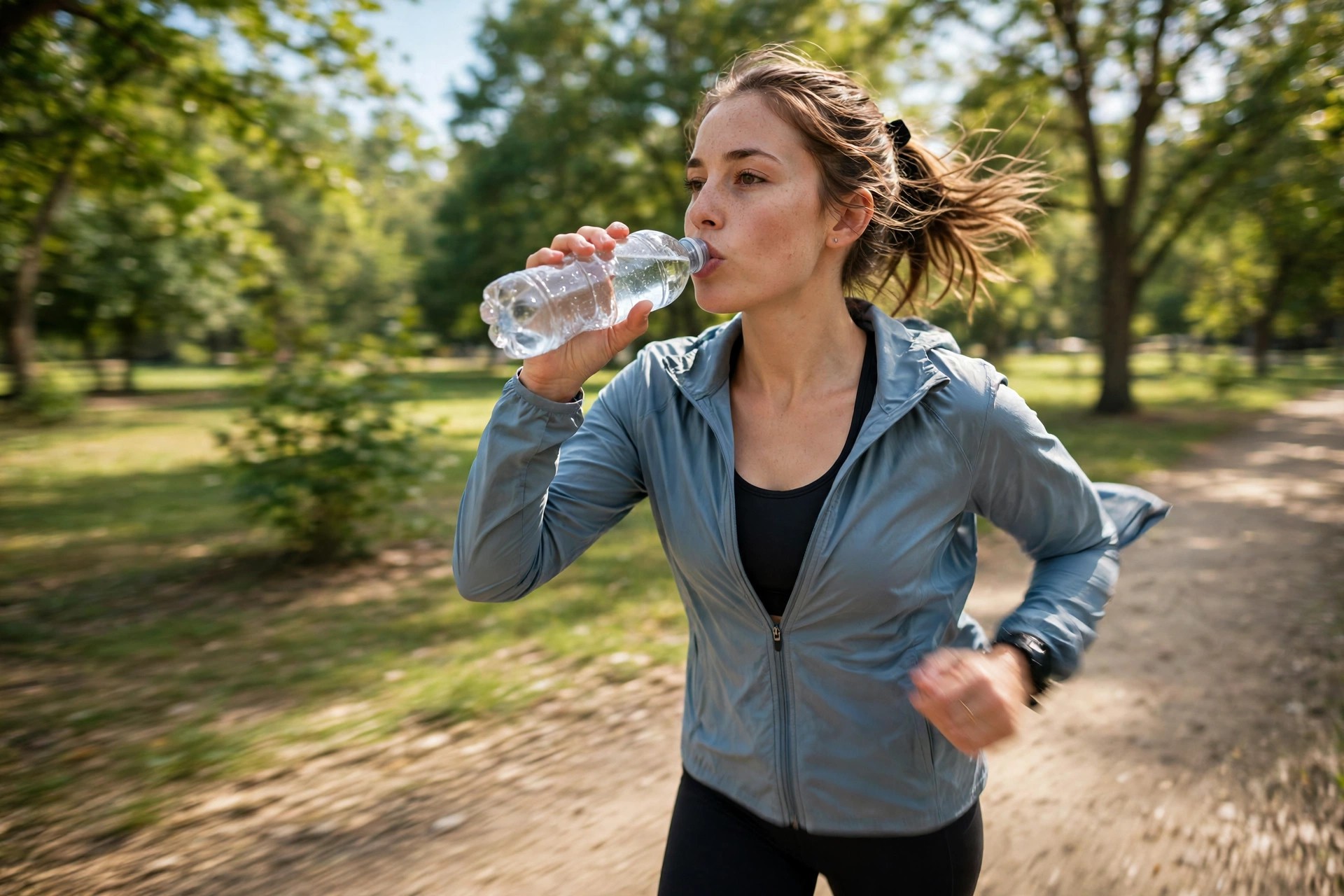
Trapped heat makes you sweat far more. Heavy sweating drains water from your body. Dehydration hurts performance and health very quickly. Drink water before, during, and after runs. Watch for thirst, dizziness, or dark urine. Heat makes sweat pour. Water drains from the body. Dry bodies run worse. Drink at each stage.
Skin Irritation
Tight belts rub skin raw during long runs. Friction and trapped moisture cause rashes fast. Blisters can form where the belt edge sits. Check your skin after every run session. Our bikini trimmer guide explains safe close trimming. Belts rub skin on runs. Damp skin rashes fast. Blisters form at edges. Check skin after runs.
Breathing Restrictions
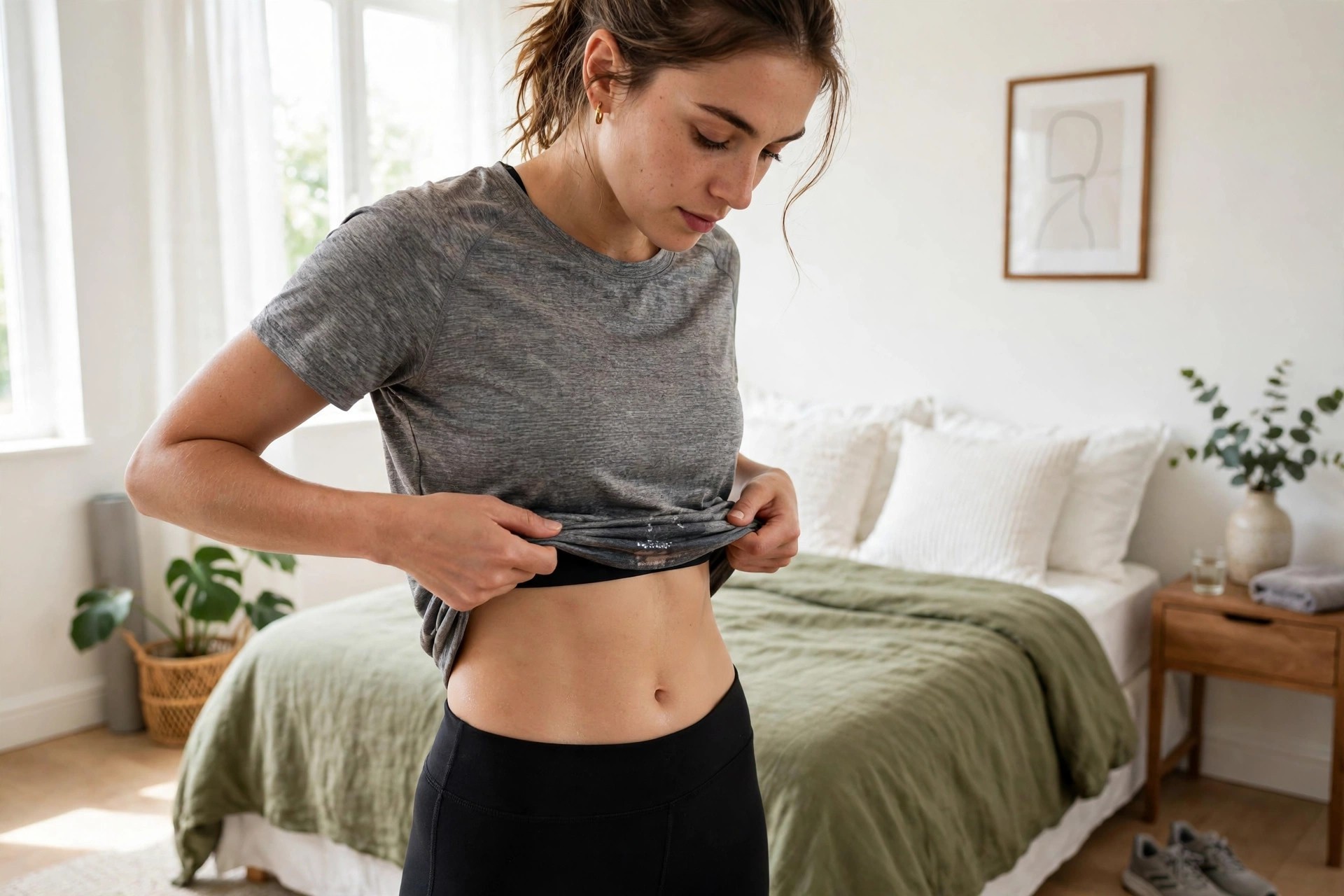
A tight belt can squeeze your ribs and belly. Shallow breathing follows when the belt binds. Less air means weaker running performance overall. Ensure you can breathe deeply before starting. Remove the belt if breathing feels hard. Tight belts squeeze ribs. Breath turns shallow then. Less air means weak runs. Breathe deep before runs.
Common Challenges
Many runners find waist trimmers uncomfortable fast. Tight belts chafe skin and trap heat. Breathing feels harder on long, hot runs. Worn belts need replacement, not a repair. Our repair guide covers faults beyond simple assembly. Comfort fades fast for many. Heat builds on long runs. Breath feels hard in heat. Worn belts get swapped.
What Trainers and Doctors Say
Trainers and doctors view waist trimmers with caution. Both groups agree on sweat and water loss. Both groups warn about comfort and safety limits. The belt changes how running feels, not fat. Read both views before you make a decision. Pros urge care with belts. Both sides cite sweat loss. Both sides warn on safety. Feel shifts, fat stays.
Trainers’ Views
Trainers note that belts raise sweat levels. Sweat loss can slim the waist for hours. Some trainers value the core support effect. Many warn that belts feel tight and restrictive. Chafing and shallow breathing top their concerns. Trainers cite more sweat. Waists slim for hours. Some praise core support. Tight fits draw warns.
Medical Views
Extra sweat raises dehydration risk during runs. Friction and trapped moisture can irritate skin. Water weight loss is temporary, not fat loss. True fat loss needs diet and regular exercise. Tight belts can make breathing harder during intense runs. Sweat raises dry-out risk. Damp rubs irritate skin. Water loss fades fast. Fat loss needs real work.
Alternatives to Waist Trimmers
Other gear supports running without trapped heat. Compression garments hug muscles without a belt. Sweat clothing raises heat but shares the risks. Choose gear that fits your comfort and goals. Test each option on short runs first. More gear choices exist. Some hug muscles with no belt. Sweat gear shares the risks. Test gear on short runs.
Compression Garments
Compression shorts, tights, and sleeves support muscles. They fit snugly without blocking waist movement. Many athletes prefer them for long runs. They may feel tight and cost more. Our cleaning guide covers careful cleaning routines. Shorts and tights support legs. Sleeves support muscles too. Waists stay free to move. Long runs suit them well.
Sweat-inducing Clothing
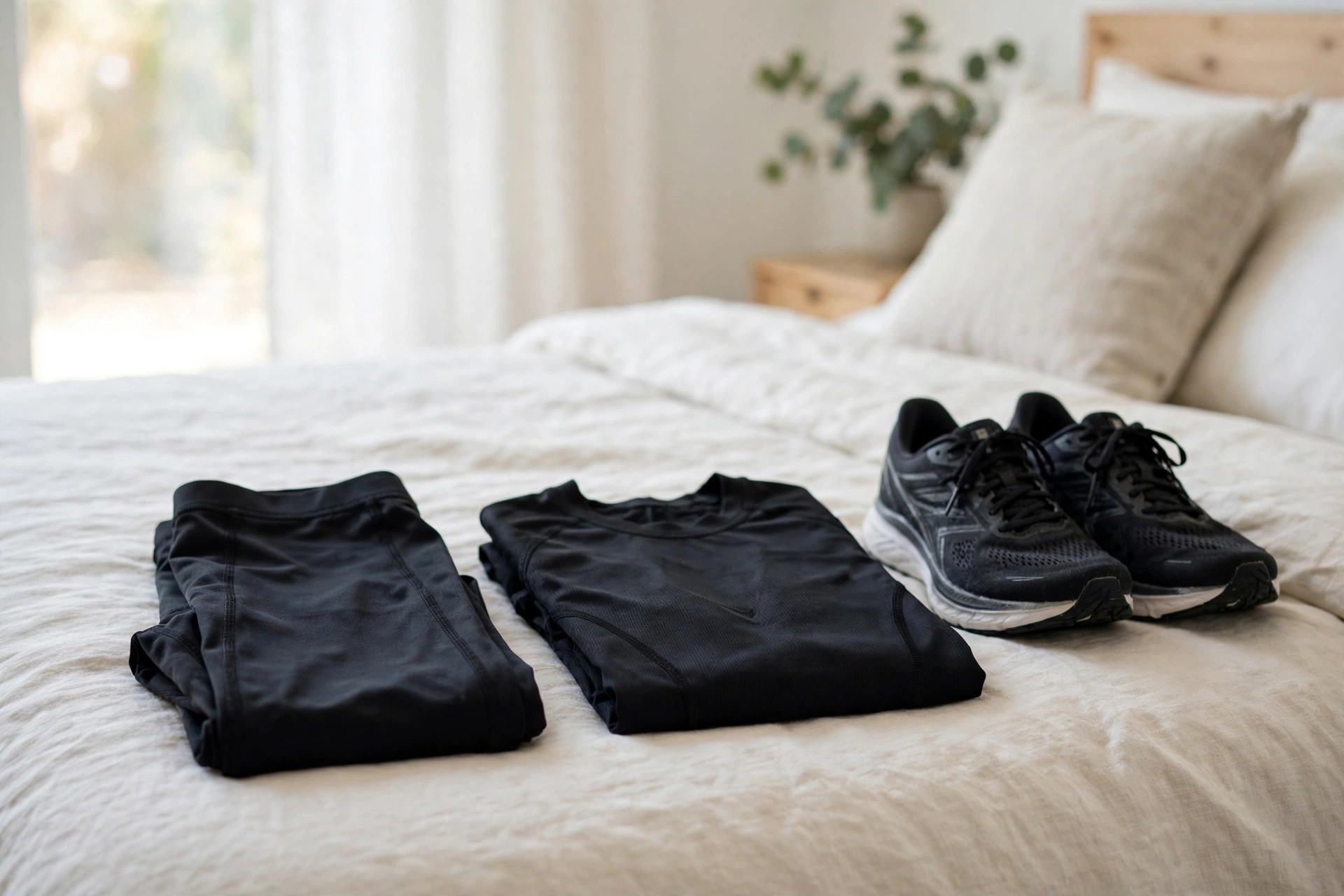
Sauna suits, sweat vests, and thermal tops trap heat. They raise sweat like waist trimmers do. They may burn more calories during runs. They also raise dehydration risk sharply during runs. Use them only on short, cool runs. Suits trap heat as well. Vests raise sweat too. Dry-out risk climbs fast. Short cool runs only.
| Alternative | Benefits | Drawbacks |
|---|---|---|
| Compression garments | Improves circulation, reduces fatigue | May feel tight, can be expensive |
| Sweat-inducing clothing | Promotes sweating, burns more calories | Can be uncomfortable, increases dehydration risk |
Best Practices
Best practices keep waist trimmer runs safe. Choose the right fit and hydrate well. Start short and build up slowly over weeks. Listen to your body at every step. Stop at once if pain appears during runs. Safe runs need good habits. Fit comes first of all. Water comes with it. Start short, build slow.
Choosing the Right Waist Trimmer
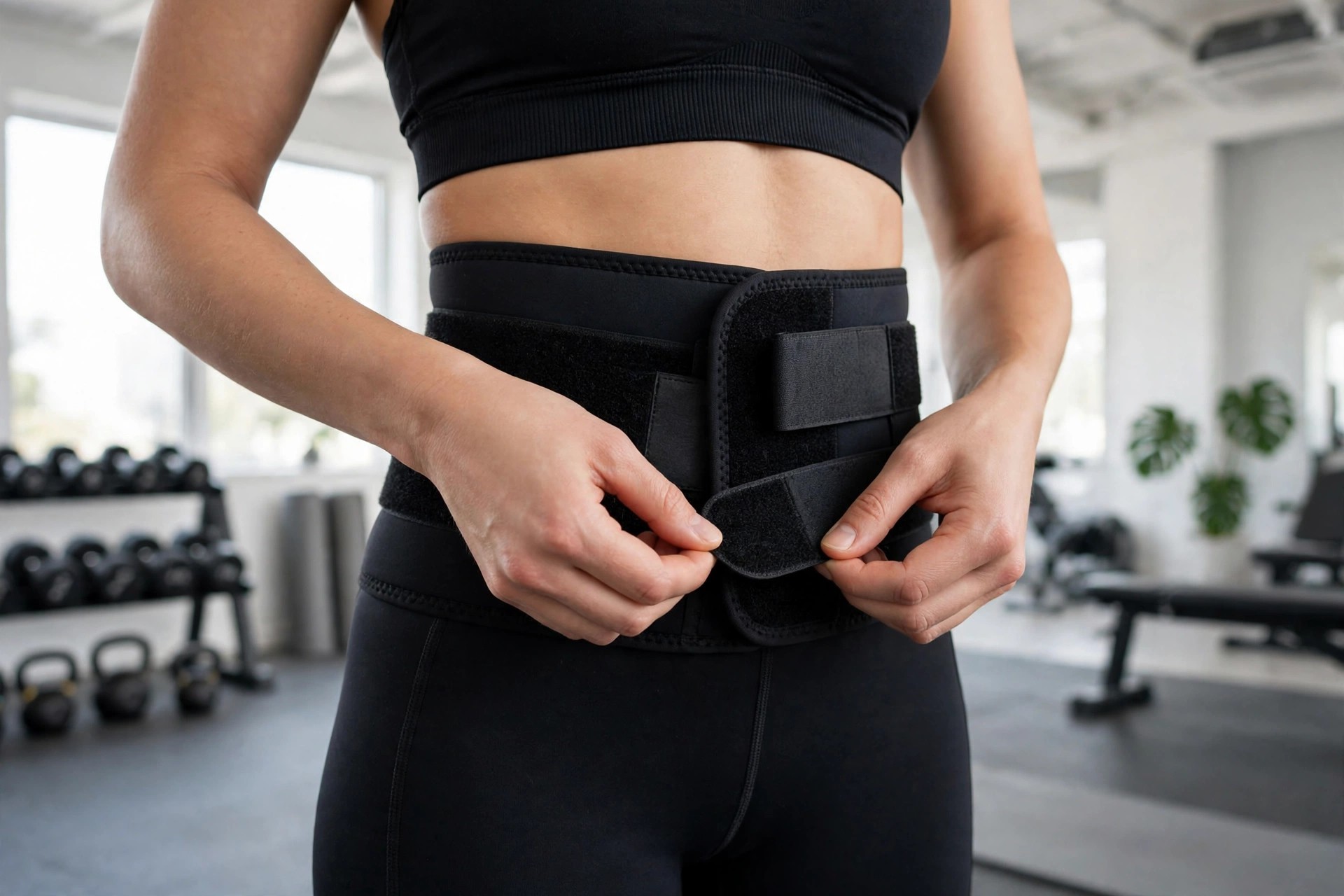
Pick a belt that fits snugly but not tight. Breathable fabric cuts sweat and discomfort down. Adjustable straps help you find the perfect fit. A good belt stays put during runs. Our waist trimmer cleaning guide covers belt care after runs. Snug beats tight here. Airy cloth cuts sweat. Straps tune the fit. Good belts stay put.
Hydration Tips
Drink water before, during, and after runs. Carry a bottle or wear a hydration pack. Take small sips often instead of gulping. Drink plenty of water after the run ends. Never start a run already feeling thirsty. Drink at each stage. Carry water with you. Sip small and often. Start no run thirsty.
Gradual Adaptation
Start with short runs and low intensity. Add minutes slowly over several training weeks. Listen to your body after every run. Gear care extends the life of any trimmer. Our lifespan guide explains how long trimmers last. Start with short runs. Keep the pace low. Add time week by week. Hear your body after runs.
Frequently Asked Questions
These answers repeat this guide’s own points only. They follow the same steps explained above closely. Short answers close the guide at the end. Talk to a doctor about health questions first. These points come from above. Steps above lead the way. Short answers close it. Health doubts go to doctors.
Should I run with a waist trimmer?
Yes, running with a waist trimmer is possible. It raises sweat and may aid water loss. Keep the belt snug but never too tight. Drink water and stop if it hurts. Short runs suit waist trimmers best of all. Yes, runs work with one. Sweat rises on runs. Snug beats tight here. Short runs suit it best.
Does waist trimmer reduce belly fat?
No, waist trimmers do not reduce belly fat. They squeeze the waist for a slimmer look. The effect fades once you remove the belt. Real fat loss needs diet and exercise. Sweat loss is water weight, not fat. No, fat stays put. The squeeze fakes slim. Looks fade once off. Real loss needs real work.
Can you run with a waist belt?
Yes, you can run with a waist belt. Running belts carry keys, phones, and water. They sit flat and bounce less than pockets. Choose a belt with snug, adjustable straps. Test the fit on a short run first. Yes, belts work on runs. They carry keys and phones. They sit flat on runs. Test fits on short runs.
What should you not do with a waist trainer?
Never wear a waist trainer for long periods. Do not sleep while wearing a waist trainer. Avoid pulling the straps too tight ever. Never use it instead of real exercise. Remove it if you feel pain or discomfort. Long wear is out. Sleep in one is out. Tight straps are out. Pain means take it off.
How do I stay hydrated while running with a waist trimmer?
Drink a glass of water before your run starts. Carry a bottle or hydration pack along. Take small sips during the whole run. Drink plenty of water after the run ends. Watch for thirst or dizziness at all times. Drink before you run. Carry water with you. Sip through the run. Drink well after runs.
Conclusion: Can You Run With a Waist Trimmer?
So, can you run with a waist trimmer safely? Yes, for short runs with the right fit. Sweat rises, but fat loss stays a myth. Risks include dehydration, chafing, and tight breathing. Balance the perks against the risks first. Short runs work with care. Sweat rises, fat stays. Risks ride along too. Weigh perks and risks.
Keep the belt snug and stay hydrated always. Start short and listen to your body. Talk to a doctor if you have health concerns. Your runs then stay safe and enjoyable. Simple habits deliver steady fitness every time. Keep the belt snug. Keep water close by. Start short each time. Hear your body on runs.