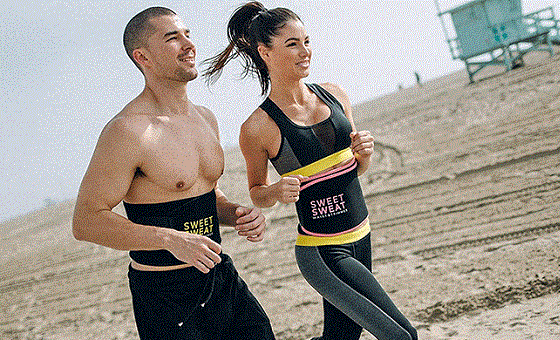
Can You Run With a Waist Trimmer?
Yes, you can run with a waist trimmer. It wraps around your waist and traps heat. More heat means more sweat during runs. Sweat loss feels like extra calorie burning. This guide explains the benefits and risks clearly.
Waist trimmers are elastic belts made of neoprene. They fit snugly around the midsection during workouts. Many runners like the warmth and core support. The belt is not a shortcut to fat loss. Diet and regular exercise drive real results.
Later sections explain benefits, risks, and alternatives. Best practices and safety tips follow after them. Short answers close the guide at the end. Careful habits keep running safe and comfortable. Small routines deliver steady fitness every time.
Quick answer: Yes, you can run with a waist trimmer. It raises sweat and may feel like harder work. The sweat loss is water weight, not fat loss. Tight belts can dehydrate, irritate skin, and restrict breathing. Keep it snug, stay hydrated, and stop if it hurts.
Introduction to Waist Trimmers
Waist trimmers are elastic belts for workouts. They wrap snugly around the midsection always. Neoprene traps heat and raises sweat levels. Runners use them hoping for faster results. The belt complements training but never replaces it.
What Are Waist Trimmers?
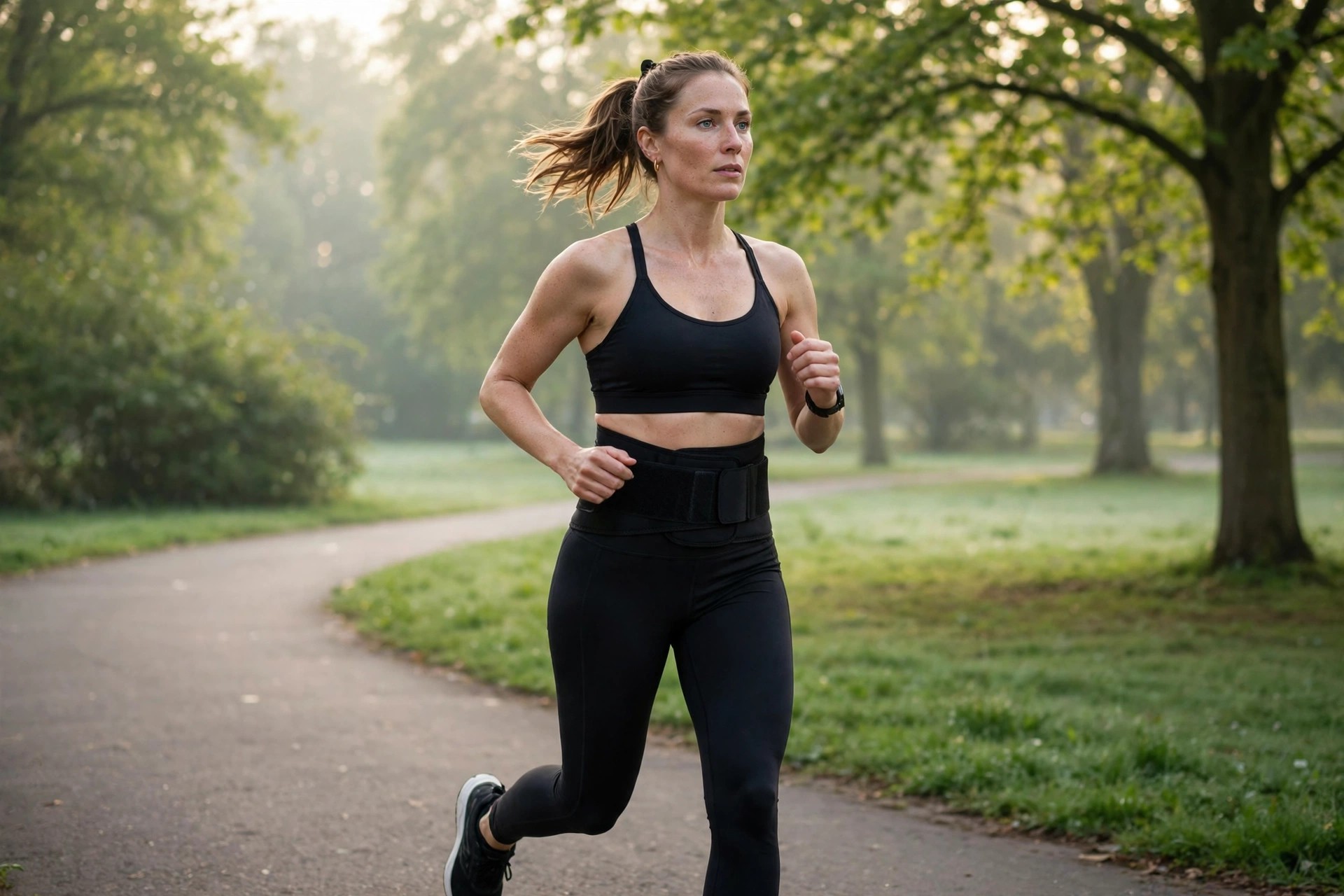
Waist trimmers are stretchy belts worn around the waist. They use neoprene or similar stretchy materials. The belt traps heat around the midsection. Trapped heat raises sweat during exercise sessions. Sweat loss drops water weight for a short time.
Popularity Among Runners
Many runners wear waist trimmers during workouts. They like the warmth and the core support. Some feel the belt improves posture while running. Others enjoy feeling like they work harder. The belt suits short runs better than long ones.
| Feature | Benefit |
|---|---|
| Increased sweat | Helps with water weight loss |
| Core support | Improves posture and performance |
| Elastic material | Comfortable fit during runs |
Can You Run With a Waist Trimmer? Benefits
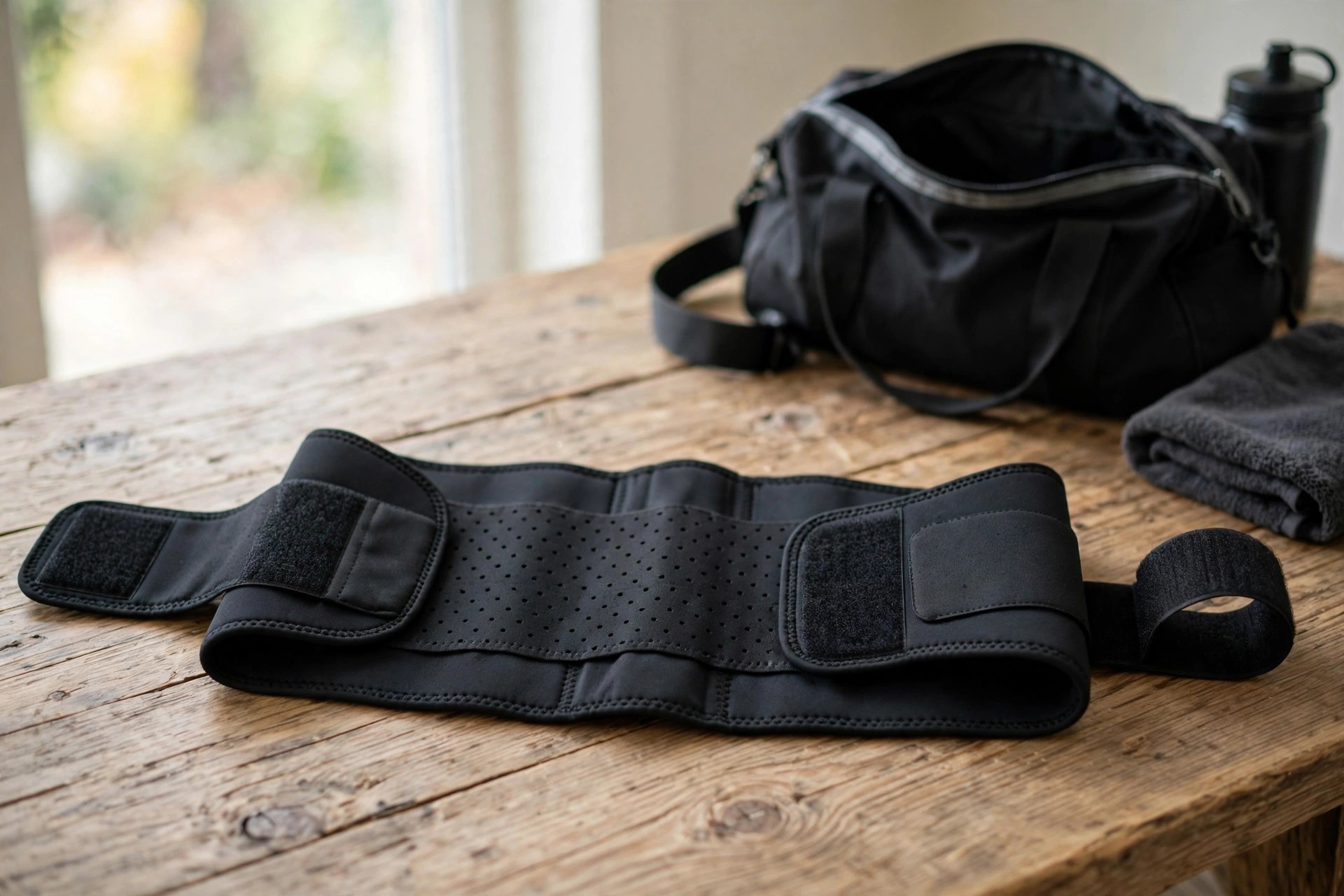
Running with a waist trimmer can raise sweat levels. The neoprene traps body heat around the waist. More sweat can make you feel lighter after runs. Warmth may ease stiffness before hard efforts. These perks suit short, easy runs best.
Enhanced Sweat Production
Neoprene traps heat and raises sweat fast. Sweat flows more around the covered midsection. The extra sweat feels like harder work. It drops water weight for a short time. Drink water to replace the sweat you lose.
Potential Calorie Burn
Running burns calories with or without a belt. Extra heat may raise your heart rate slightly. A faster heart rate burns more calories during runs. The gain is small and hard to measure. Treat the belt as a comfort aid, not a fat burner.
Improved Posture
A snug belt can support your lower back. Support may improve posture during short runs. Better posture can ease strain on the back. It may also help breathing feel easier. Stop if the belt squeezes your breathing.
Potential Risks of Running With a Waist Trimmer
Waist trimmers carry real risks for runners. Trapped heat can dehydrate you quickly outdoors. Tight belts can chafe skin and restrict breathing. Skin and safety rules matter for every trimmer. Our no-guard guide explains risks and safe practices.
Please note: This guide gives general fitness information only. It does not replace advice from a doctor. Talk to a doctor before running with a waist trimmer. This matters most if you have a health condition. Stop and seek care if you feel dizzy or breathless.
Dehydration Concerns
Trapped heat makes you sweat far more. Heavy sweating drains water from your body. Dehydration hurts performance and health very quickly. Drink water before, during, and after runs. Watch for thirst, dizziness, or dark urine.

Skin Irritation
Tight belts rub skin raw during long runs. Friction and trapped moisture cause rashes fast. Blisters can form where the belt edge sits. Check your skin after every run session. Our bikini trimmer guide explains safe close trimming.
Breathing Restrictions
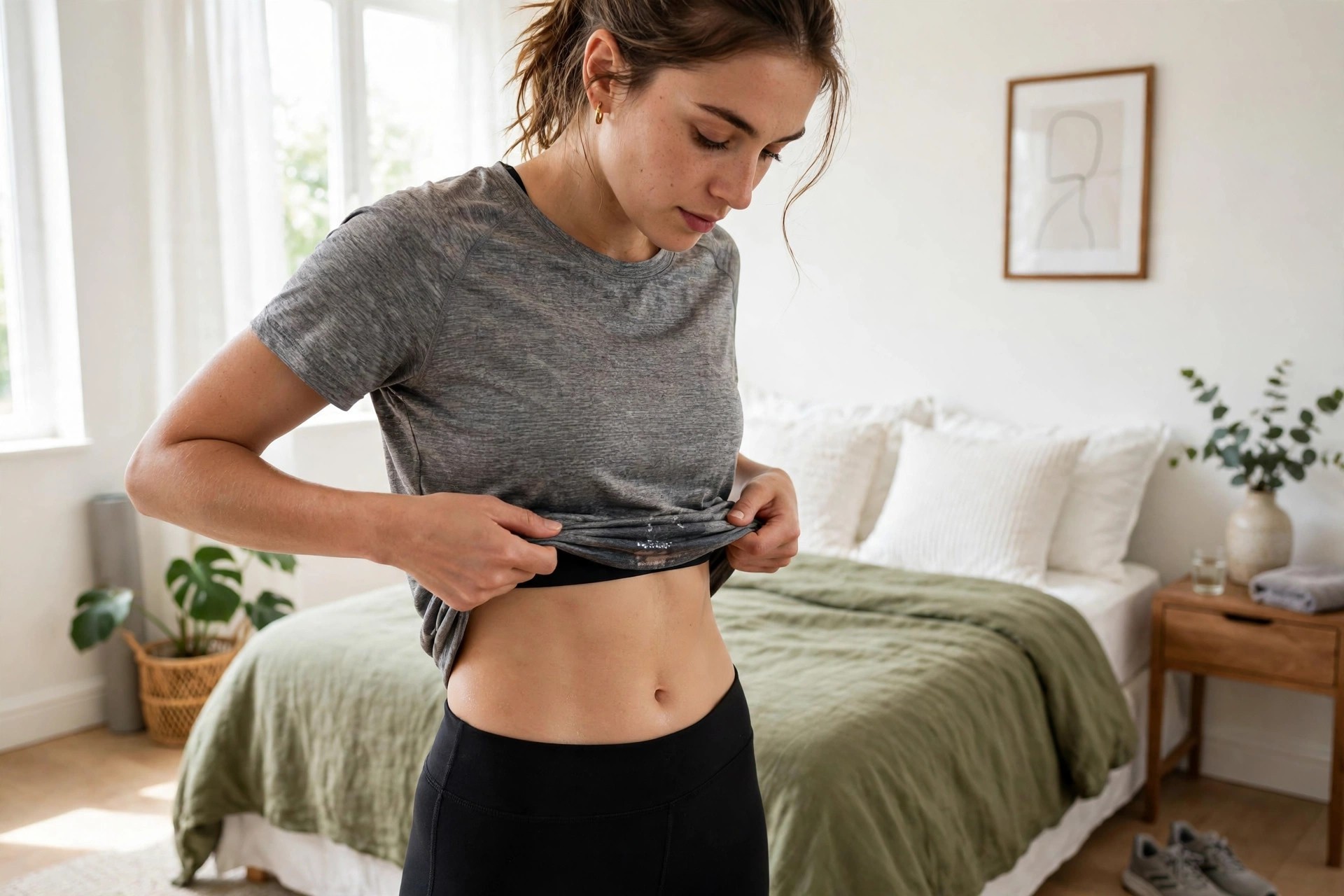
A tight belt can squeeze your ribs and belly. Shallow breathing follows when the belt binds. Less air means weaker running performance overall. Ensure you can breathe deeply before starting. Remove the belt if breathing feels hard.
Common Challenges
Many runners find waist trimmers uncomfortable fast. Tight belts chafe skin and trap heat. Breathing feels harder on long, hot runs. Worn belts need replacement, not a repair. Our repair guide covers faults beyond simple assembly.
What Trainers and Doctors Say
Trainers and doctors view waist trimmers with caution. Both groups agree on sweat and water loss. Both groups warn about comfort and safety limits. The belt changes how running feels, not fat. Read both views before you make a decision.
Trainers’ Views
Trainers note that belts raise sweat levels. Sweat loss can slim the waist for hours. Some trainers value the core support effect. Many warn that belts feel tight and restrictive. Chafing and shallow breathing top their concerns.
Medical Views
Extra sweat raises dehydration risk during runs. Friction and trapped moisture can irritate skin. Water weight loss is temporary, not fat loss. True fat loss needs diet and regular exercise. Tight belts can make breathing harder during intense runs.
Alternatives to Waist Trimmers
Other gear supports running without trapped heat. Compression garments hug muscles without a belt. Sweat clothing raises heat but shares the risks. Choose gear that fits your comfort and goals. Test each option on short runs first.
Compression Garments
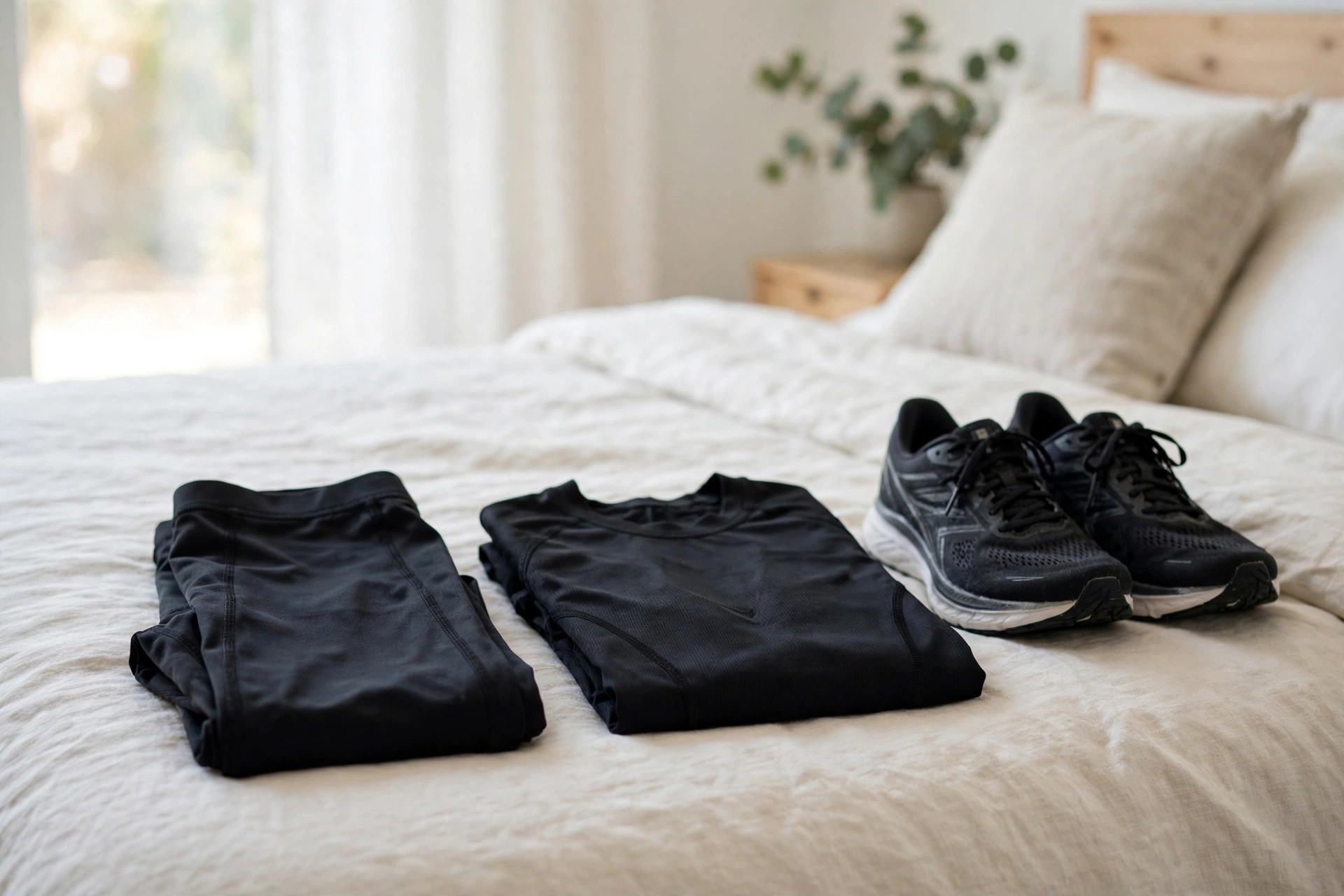
Compression shorts, tights, and sleeves support muscles. They fit snugly without blocking waist movement. Many athletes prefer them for long runs. They may feel tight and cost more. Our cleaning guide covers careful cleaning routines.
Sweat-inducing Clothing
Sauna suits, sweat vests, and thermal tops trap heat. They raise sweat like waist trimmers do. They may burn more calories during runs. They also raise dehydration risk sharply during runs. Use them only on short, cool runs.
| Alternative | Benefits | Drawbacks |
|---|---|---|
| Compression garments | Improves circulation, reduces fatigue | May feel tight, can be expensive |
| Sweat-inducing clothing | Promotes sweating, burns more calories | Can be uncomfortable, increases dehydration risk |
Best Practices
Best practices keep waist trimmer runs safe. Choose the right fit and hydrate well. Start short and build up slowly over weeks. Listen to your body at every step. Stop at once if pain appears during runs.
Choosing the Right Waist Trimmer
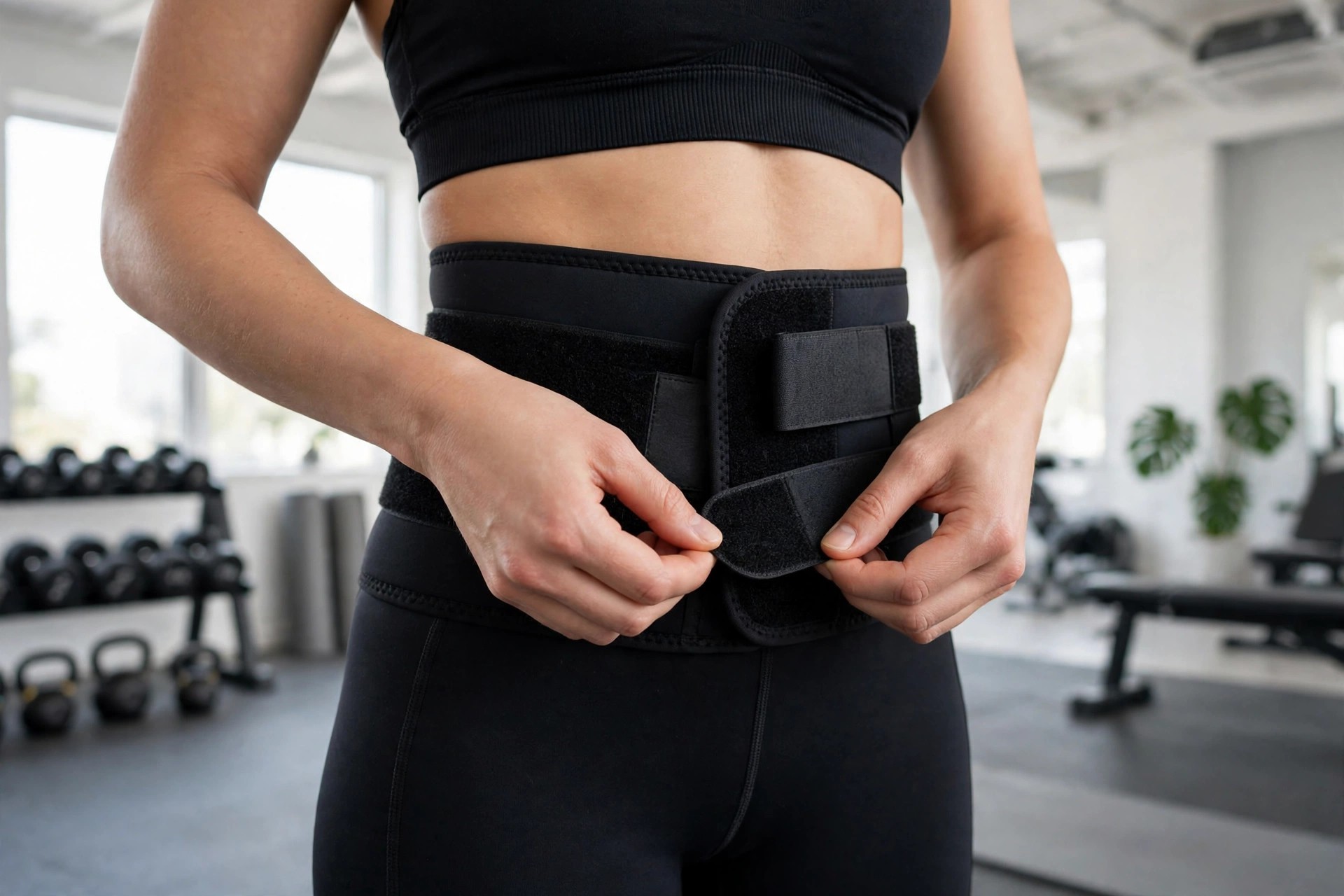
Pick a belt that fits snugly but not tight. Breathable fabric cuts sweat and discomfort down. Adjustable straps help you find the perfect fit. A good belt stays put during runs. Our waist trimmer cleaning guide covers belt care after runs.
Hydration Tips
Drink water before, during, and after runs. Carry a bottle or wear a hydration pack. Take small sips often instead of gulping. Drink plenty of water after the run ends. Never start a run already feeling thirsty.
Gradual Adaptation
Start with short runs and low intensity. Add minutes slowly over several training weeks. Listen to your body after every run. Gear care extends the life of any trimmer. Our lifespan guide explains how long trimmers last.
Frequently Asked Questions
These answers repeat this guide’s own points only. They follow the same steps explained above closely. Short answers close the guide at the end. Talk to a doctor about health questions first.
Should I run with a waist trimmer?
Yes, running with a waist trimmer is possible. It raises sweat and may aid water loss. Keep the belt snug but never too tight. Drink water and stop if it hurts. Short runs suit waist trimmers best of all.
Does waist trimmer reduce belly fat?
No, waist trimmers do not reduce belly fat. They squeeze the waist for a slimmer look. The effect fades once you remove the belt. Real fat loss needs diet and exercise. Sweat loss is water weight, not fat.
Can you run with a waist belt?
Yes, you can run with a waist belt. Running belts carry keys, phones, and water. They sit flat and bounce less than pockets. Choose a belt with snug, adjustable straps. Test the fit on a short run first.
What should you not do with a waist trainer?
Never wear a waist trainer for long periods. Do not sleep while wearing a waist trainer. Avoid pulling the straps too tight ever. Never use it instead of real exercise. Remove it if you feel pain or discomfort.
How do I stay hydrated while running with a waist trimmer?
Drink a glass of water before your run starts. Carry a bottle or hydration pack along. Take small sips during the whole run. Drink plenty of water after the run ends. Watch for thirst or dizziness at all times.
Conclusion: Can You Run With a Waist Trimmer?
So, can you run with a waist trimmer safely? Yes, for short runs with the right fit. Sweat rises, but fat loss stays a myth. Risks include dehydration, chafing, and tight breathing. Balance the perks against the risks first.
Keep the belt snug and stay hydrated always. Start short and listen to your body. Talk to a doctor if you have health concerns. Your runs then stay safe and enjoyable. Simple habits deliver steady fitness every time.
