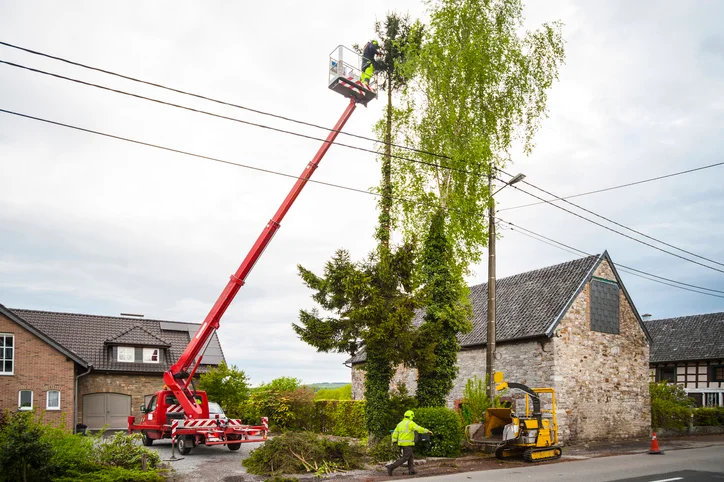
A tree trimmer is a professional who prunes and maintains trees for health, safety, and aesthetics. They use specialized tools and techniques.
Tree trimming involves cutting back overgrown branches to enhance tree structure and safety. Regular pruning helps prevent potential hazards, such as falling branches, and promotes healthy growth. Tree trimmers also remove dead or diseased limbs to protect the tree’s overall health.
They ensure that trees do not interfere with power lines or obstruct views. A well-maintained tree can improve property value and curb appeal. Hiring a skilled tree trimmer ensures the job is done safely and effectively. Tree trimming is essential for urban and suburban landscapes, contributing to a healthier environment and more attractive surroundings.
Introduction To Tree Trimming
Tree trimming is essential for healthy and safe trees. It involves cutting branches, leaves, and other parts of a tree. This ensures the tree grows strong and looks appealing.
Importance Of Tree Maintenance
Regular tree maintenance is crucial for several reasons:
- Health of the Tree: Trimming removes dead or diseased branches.
- Safety: Broken branches can fall and cause injuries.
- Appearance: Well-trimmed trees look more beautiful.
- Property Value: Healthy trees increase property value.
Maintaining trees helps them live longer and stay strong. It prevents the spread of diseases and pests.
Role Of A Tree Trimmer
A tree trimmer is a professional who trims trees. Their job involves:
- Assessing Tree Health: They check for signs of disease.
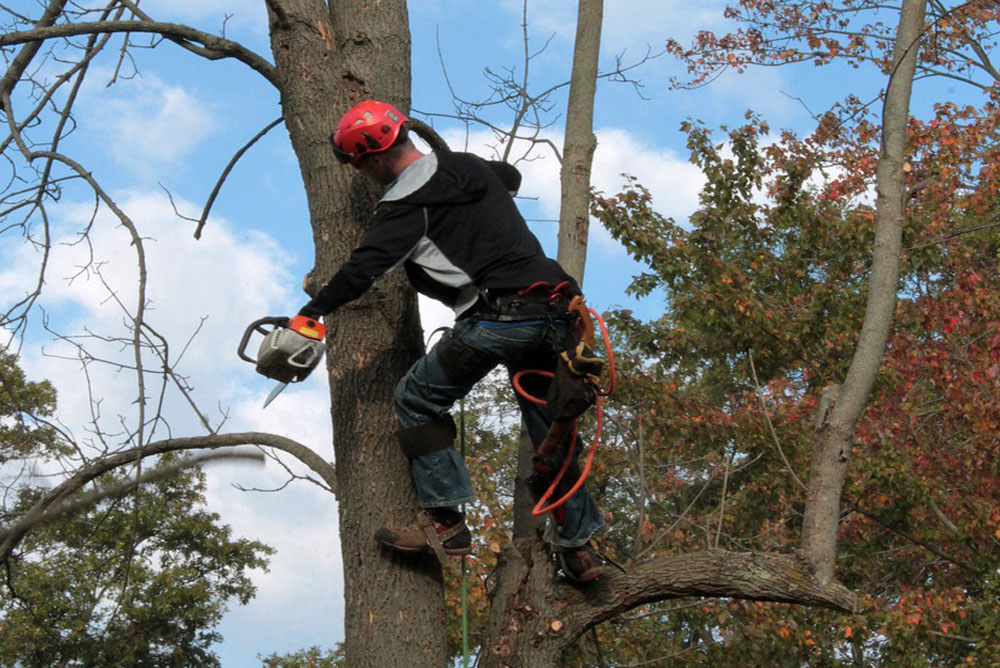
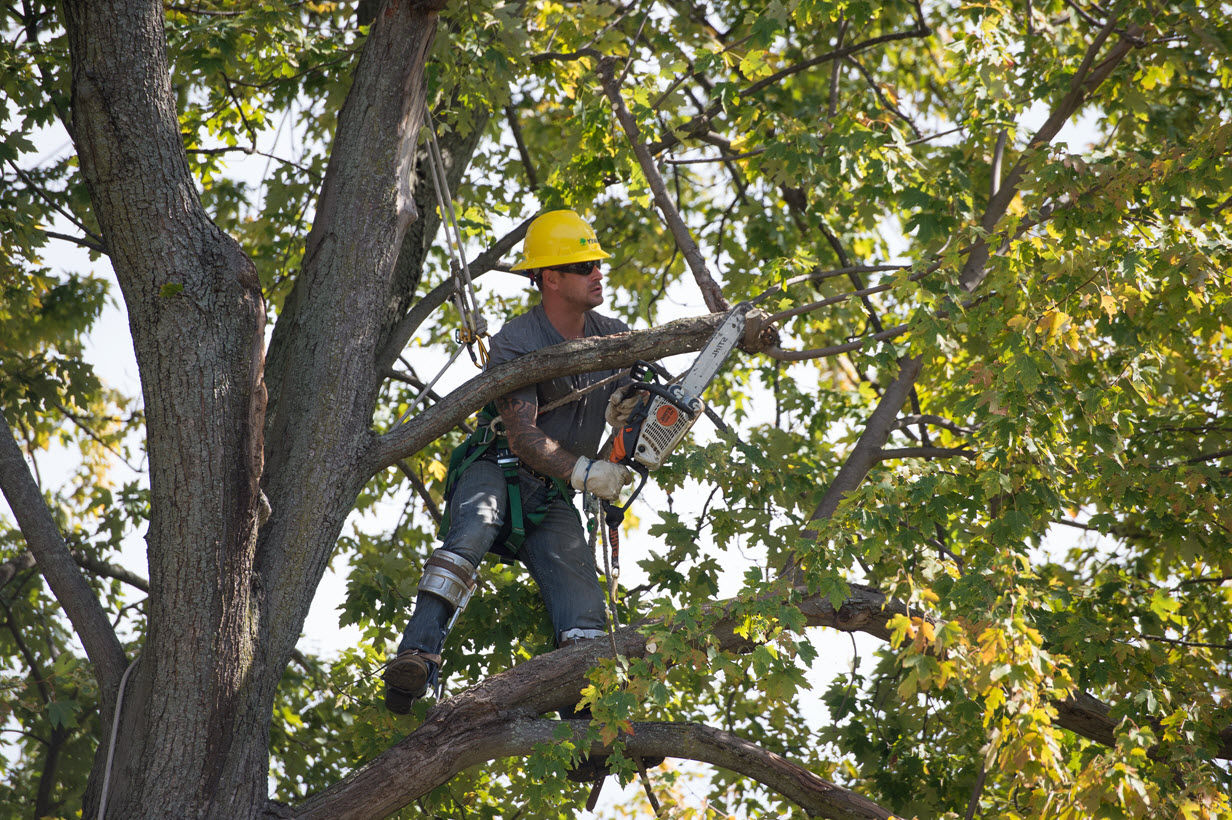
- Climbing Trees: They use safety gear to reach high branches.
- Cutting Branches: They use tools like saws and pruners.
- Cleaning Up: They remove the cut branches and leaves.
Tree trimmers ensure trees are healthy and safe. They have skills and knowledge about different tree species.
Essential Skills Of A Tree Trimmer
A tree trimmer’s job is not as easy as it looks. They need many skills to do their work safely and effectively. Let’s explore these skills.
Technical Knowledge
Tree trimmers need to know a lot about trees. They must understand tree biology and growth. They need to identify different tree species. This helps them decide how to trim each tree.
They also use many tools in their work. Knowing how to use chainsaws, pruners, and ropes is important. They must also know about safety gear. Using this gear properly keeps them safe.
Tree trimmers should understand tree diseases. This helps them spot problems early. They can then take action to save the tree.
Physical Requirements
Being a tree trimmer is hard work. It needs a lot of physical strength. They climb trees and work at great heights. Good balance is important here.
Tree trimmers often work in tough weather. They need to be strong and fit. This helps them work in hot, cold, or rainy conditions.
They must also have good hand-eye coordination. This helps them use their tools safely and effectively.
| Skill | Description |
|---|---|
| Tree Biology | Understanding tree growth and species |
| Tool Usage | Using chainsaws, pruners, and ropes |
| Tree Diseases | Identifying and treating tree diseases |
| Physical Strength | Climbing trees and working at heights |
| Hand-Eye Coordination | Using tools safely and effectively |
Tools And Equipment
Tree trimming is a specialized task. A tree trimmer needs various tools and equipment to perform the job effectively. The right tools ensure safety and efficiency. This section covers both basic and advanced tools used by tree trimmers.
Basic Tools
- Pruning Shears: These are essential for cutting small branches and twigs.
- Loppers: Loppers have long handles, perfect for reaching higher branches.
- Hand Saw: A hand saw is useful for cutting thicker branches.
- Rope: Ropes are used to lower cut branches safely to the ground.
- Gloves: Gloves protect the hands from blisters and cuts.
Advanced Equipment
Advanced tools are used for more challenging tree trimming tasks. They require proper training and skill to handle.
- Chainsaw: A chainsaw is powerful and can cut through large branches quickly.
- Climbing Gear: This includes harnesses, ropes, and carabiners for safe tree climbing.
- Pole Saw: Pole saws extend the reach, allowing trimming of high branches without climbing.
- Wood Chipper: This machine chips cut branches into small pieces for easy disposal.
- Helmet and Safety Gear: Helmets protect the head, and other gear includes goggles and ear protection.

Credit: www.amazon.com
Safety Measures
Tree trimming is a risky job. Safety measures are crucial. Tree trimmers need proper training and equipment. They should follow strict safety protocols. This ensures their safety and that of others.
Protective Gear
Wearing protective gear is essential for tree trimmers. This includes helmets, gloves, and safety glasses. Each item has a specific purpose:
- Helmets protect the head from falling branches.
- Gloves shield hands from sharp tools and rough bark.
- Safety glasses guard eyes from flying debris.
Additionally, trimmers wear sturdy boots and harnesses. Boots provide stability on uneven ground. Harnesses prevent falls from heights.
Safety Protocols
Tree trimmers follow safety protocols to avoid accidents. These include:
- Inspecting equipment before use.
- Maintaining a safe distance from power lines.
- Using proper climbing techniques.
Trimmers also communicate with team members. Clear signals and hand gestures are used. This ensures everyone knows what to do.
Emergency procedures are also important. Trimmers should know first aid. They should have a plan for medical emergencies.
| Safety Measure | Description |
|---|---|
| Protective Gear | Includes helmets, gloves, and safety glasses. |
| Safety Protocols | Inspect equipment, maintain distance from power lines, use proper climbing techniques. |
Benefits Of Professional Tree Trimming
Professional tree trimming offers numerous benefits for your trees and landscape. It ensures your trees remain healthy and visually appealing. Below, we explore the key benefits of professional tree trimming.
Enhanced Tree Health
Professional tree trimming helps in removing dead or diseased branches. This prevents the spread of decay to the rest of the tree. It improves air circulation and allows more sunlight to reach the tree. Proper trimming also reduces the risk of tree diseases. Healthy trees can withstand storms and pests better. They grow more robustly and live longer.
Aesthetic Appeal
Tree trimming enhances the visual appeal of your landscape. Well-trimmed trees look neat and well-maintained. They can be shaped to fit your landscaping vision. This adds value to your property. Symmetrical trees contribute to a harmonious garden design. Professional trimming ensures trees don’t grow too large. This keeps your yard looking tidy and balanced.
Environmental Impact
A tree trimmer plays a vital role in maintaining the health of trees. This profession has a significant impact on the environment. Proper trimming helps trees grow healthier and live longer. It also promotes a balanced ecosystem.
Promoting Biodiversity
Tree trimming encourages biodiversity. It helps different species thrive. By removing dead branches, sunlight reaches lower plants. This supports a variety of plant life. Healthy trees also provide homes for birds and insects.
- Increased sunlight for lower plants
- Better air circulation
- New growth opportunities
Reducing Risks
Tree trimmers reduce risks to both humans and nature. They remove weak branches that could fall. This prevents property damage and injuries. Trimming also reduces the risk of forest fires.
| Risk | Solution |
|---|---|
| Falling branches | Regular trimming |
| Forest fires | Removing deadwood |
By managing tree growth, tree trimmers help prevent these dangers. This makes the environment safer for everyone.
Cost Considerations
Hiring a tree trimmer involves various cost considerations. Understanding these can help you plan better.
Service Pricing
Tree trimmer costs depend on several factors. These include tree size, condition, and location. Below is a table outlining typical costs:
| Service Type | Average Cost |
|---|---|
| Small Tree Trimming | $75 – $150 |
| Medium Tree Trimming | $150 – $300 |
| Large Tree Trimming | $300 – $1,000 |
| Emergency Service | $200 – $1,500 |
Extra services like stump removal or debris cleanup may add to costs. Always ask for a detailed quote.
Long-term Savings
Proper tree trimming offers significant long-term savings. Healthy trees require less maintenance. This reduces future costs. Well-maintained trees also enhance property value.
Ignoring tree care can lead to costly issues. Dead branches may fall and damage property. Removing diseased trees is expensive.
Investing in regular tree trimming is wise. It saves money and keeps your property safe.
Credit: www.yourfreecareertest.com
Choosing The Right Tree Trimmer
Choosing the right tree trimmer is crucial for tree health and safety. A skilled tree trimmer ensures your trees grow strong and beautiful. How do you select the best one? Consider the following factors to make an informed decision.
Credentials And Certifications
Always check the credentials and certifications of a tree trimmer. Certified arborists have received professional training and adhere to industry standards. Look for certifications from reputable organizations such as:
- International Society of Arboriculture (ISA)
- Tree Care Industry Association (TCIA)
A certified tree trimmer understands tree biology and safe trimming techniques. This knowledge ensures the health and longevity of your trees.
Customer Reviews
Customer reviews provide insights into the tree trimmer’s performance and reliability. Look for reviews on:
- Company websites
- Social media platforms
- Review sites like Yelp or Google Reviews
Read both positive and negative reviews. Pay attention to comments about:
- Quality of work
- Punctuality
- Professionalism
Customer feedback helps you gauge the tree trimmer’s reputation and reliability. A highly-rated tree trimmer is more likely to meet your expectations.
| Factor | Why It Matters |
|---|---|
| Certifications | Ensures professional standards and tree health |
| Customer Reviews | Provides insights into performance and reliability |
Credit: www.dteenergy.com
Frequently Asked Questions
What Does A Tree Trimmer Do?
A tree trimmer prunes, trims, and removes trees. They maintain tree health and safety by removing dead or overgrown branches.
Why Hire A Professional Tree Trimmer?
A professional ensures safety and proper tree care. They have the right tools and expertise to handle complex tree work.
How Often Should Trees Be Trimmed?
Trees should be trimmed every 3-5 years. This depends on the species and growth rate of the tree.
What Are The Benefits Of Tree Trimming?
Tree trimming promotes healthy growth and improves tree structure. It also reduces hazards and enhances the landscape’s appearance.
Conclusion
Understanding the role of a tree trimmer is essential for maintaining healthy trees. They ensure safety and enhance tree growth. Hiring a professional tree trimmer can prevent property damage and improve landscape aesthetics. Proper tree care leads to a safer, more beautiful environment.
Always prioritize skilled trimmers for the best results.