If your hedge trimmer blade is not moving, it could be due to dull blades or lack of lubrication. Cleaning and lubricating the blades may help resolve the issue.
Additionally, if the teeth on the blades are bent, you can try loosening the bolts on the blade guide and bending them back into shape with pliers. It is also important to check for any jammed branches that may be obstructing the movement of the blades.
By addressing these potential problems, you should be able to get your hedge trimmer blades moving again.
Common Issues With Hedge Trimmer Blades
If you are experiencing problems with your hedge trimmer blade not moving, there could be several common issues at play. Below, we will discuss some of the most common reasons for this problem and how to address them effectively.
Blades Are Dull
One common issue that can cause your hedge trimmer blade to stop moving is dullness. Over time, the blades can become worn and lose their sharpness, resulting in a decreased cutting performance. To determine if dull blades are the problem, carefully inspect the edges of the blades for any signs of wear or bluntness.
If you find that your blades are indeed dull, it’s important to sharpen them to restore their cutting ability. This can be done using a sharpening stone or a file. Make sure to follow the manufacturer’s guidelines for sharpening the blades and use proper safety precautions.
Blades Are Dirty And Haven’t Been Oiled
Another common issue that can cause your hedge trimmer blade to become immobile is dirt and lack of proper lubrication. Dirt and debris can accumulate on the blades, causing them to get stuck and preventing them from moving smoothly. Additionally, insufficient lubrication can cause friction and make it difficult for the blades to rotate.
To address this issue, first, clean the blades thoroughly using a brush or a cloth. Make sure to remove any dirt or debris that may be clogging the blade mechanism. After cleaning, apply a high-quality lubricant specifically designed for hedge trimmers to ensure smooth movement of the blades. Regularly oiling your blades will help prevent future issues and extend their lifespan.
Clutch Is Broken Or Improperly Tensioned
The clutch mechanism is responsible for engaging and disengaging the blade movement. If the clutch is broken or improperly tensioned, it can cause the blades to become unresponsive. To check if the clutch is the issue, carefully inspect the clutch mechanism for any signs of damage or misalignment.
If you notice any issues with the clutch, it is recommended to seek professional assistance for repairs. Attempting to fix the clutch mechanism without proper knowledge or tools can potentially cause further damage to your hedge trimmer.
By addressing these common issues with hedge trimmer blades, you can ensure that your tool performs at its best and efficiently trims your hedges. Regular maintenance and proper care will not only prolong the lifespan of your hedge trimmer but also guarantee smooth and effective cutting every time.

Credit: www.amazon.com
Troubleshooting Tips For Non-moving Hedge Trimmer Blades
If your hedge trimmer blade is not moving, there could be a few reasons for this issue. It could be due to dull blades, dirty blades that haven’t been oiled, or even bent teeth on the blades. You can try sharpening the blades or bending the teeth back into place to fix the problem without replacing any parts.
Check The Blades
If you find that your hedge trimmer blades are not moving, the first step in troubleshooting is to check the blades themselves. Over time, the blades can become dull or bent, which can prevent them from moving smoothly. Take a close look at the blades and inspect for any signs of damage or obstructions. Make sure that there are no large pieces of debris stuck in between the teeth of the blades.
If you notice any bent or damaged teeth, you may need to loosen the bolts on the blade guide and use pliers to carefully bend them back into place. Additionally, if the blades are dull, sharpening them may resolve the issue without needing to replace any parts.
Inspect The Gear Box
The next step is to inspect the gear box of your hedge trimmer. The gear box is responsible for transferring power from the motor to the blades. If the gear box is damaged or worn out, it can prevent the blades from moving properly.
Check for any signs of wear or damage on the gears and make sure they are properly lubricated. If you notice any issues, such as broken or missing teeth on the gears, it may be necessary to replace the gear box to resolve the problem.
Examine The Bearings
In addition to the blades and gear box, it’s important to examine the bearings of your hedge trimmer. The bearings support the blade assembly and allow it to rotate smoothly. Over time, the bearings can become worn out or dirty, causing the blades to seize.
Inspect the bearings for any signs of wear, such as excessive play or grinding sounds. Clean the bearings thoroughly and lubricate them with a suitable lubricant to ensure smooth rotation. If the bearings are severely damaged, they may need to be replaced.
Clean And Lubricate The Blades
Lastly, it’s important to regularly clean and lubricate your hedge trimmer blades to ensure optimal performance. Dirt, debris, and sap can accumulate on the blades, which can affect their movement.
Use a clean cloth or brush to remove any debris from the blades. Wipe them down with a mild detergent or soapy water to remove any sticky residue. Once cleaned, make sure to thoroughly dry the blades before applying a lubricating oil specifically designed for hedge trimmers.
Specific Blade Maintenance Methods
Hedge trimmer blades not moving could be a result of various reasons, but it’s essential to focus on specific blade maintenance methods to ensure the smooth functioning of your hedge trimmer. One of the critical aspects of maintaining hedge trimmer blades is to perform regular sharpening, proper lubrication, and inspecting the clutch. Let’s delve into these blade maintenance techniques in detail.
Sharpening Hedge Trimmer Blades
Regular sharpening of hedge trimmer blades is crucial to maintain their cutting efficiency. Using a sharpening stone or file, carefully sharpen each tooth of the blades to ensure a uniform and sharp cutting edge. Be cautious while sharpening and use protective gear to avoid any accidents. Blades should be sharpened at a consistent angle to ensure proper cutting performance. A filiform gauge can be used to maintain the correct angle during sharpening.
Proper Lubrication Techniques
Applying the right lubricant to hedge trimmer blades is essential for smooth movement and reduced friction. Before lubricating, clean the blades thoroughly to remove any debris or residue. Apply a high-quality lubricating oil to the blades, ensuring complete coverage and movement across all teeth. Regular lubrication helps prevent rust, corrosion, and ensures the blades function smoothly during operation.
Inspecting And Adjusting The Clutch
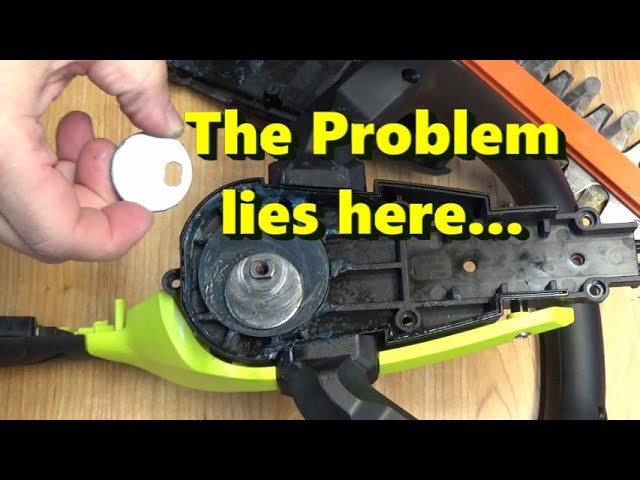
Inspecting the clutch mechanism is vital to ensuring the proper movement of hedge trimmer blades. If the clutch is not engaging correctly, it can lead to the blades not moving as expected. Regular inspection of the clutch assembly for any wear and tear is crucial. Adjusting the clutch tension to the manufacturer’s specifications can help restore proper blade movement, ensuring optimal performance during trimming operations.
Credit: m.youtube.com
Dealing With Jamming And Stuck Blades
If your hedge trimmer blade is not moving, it can be frustrating and hinder your trimming tasks. One common issue that can cause this problem is jamming or stuck blades. There are several reasons why your hedge trimmer blades may get jammed or stuck, and in this section, we will explore some possible solutions.
Loosening Bolts And Creating A Gap Between Blades
One reason why your hedge trimmer blades may be stuck is due to tight bolts that prevent them from moving freely. To deal with this issue, you can try loosening the bolts on the blade guide. This can create a small gap between the blades, allowing them to move more smoothly.
Here are the steps to follow:
- Identify the bolts holding the blade guide in place.
- Using an appropriate tool, loosen the bolts slightly.
- Ensure that you do not loosen them too much, as this could cause the blades to become misaligned.
- Test the trimmer to see if the blades are moving freely now.
- If the blades are still stuck, you may need to adjust the gap between them further.
Rotating Washers On The Blade Bolts
Another reason why your hedge trimmer blades may be stuck is due to the washers on the blade bolts becoming misaligned. The washers play a crucial role in ensuring smooth movement of the blades. If they are not positioned correctly, the blades can get jammed.
Here’s how you can fix this problem:
- Identify the washers on the blade bolts.
- Using a suitable tool, rotate the washers to ensure they are properly aligned.
- Be careful not to overtighten the washers, as this could cause the blades to bind.
- Test the trimmer to check if the blades are now moving without any issues.
Bent Teeth On Blades
In some cases, the blades of your hedge trimmer may have bent teeth, which can prevent them from moving smoothly. This can happen when the trimmer accidentally hits hard objects like rocks or branches. However, you can easily fix this problem by following these steps:
- Identify the bolts on the blade guide.
- Using pliers, gently loosen the bolts.
- Once the bolts are loose, carefully bend the bent teeth back into their proper position.
- Tighten the bolts back into place.
- Test the trimmer to see if the blades are moving smoothly now.
By addressing these common issues, you can ensure that your hedge trimmer blades move freely and efficiently, allowing you to complete your trimming tasks with ease.
Recommended Solutions For Different Blade Issues
If your hedge trimmer blade is not moving, there could be a few possible reasons. Firstly, the blades may be dull and in need of sharpening. Additionally, the blades may be dirty and require cleaning and oiling. Lastly, there could be an issue with the engine or gearbox that is preventing the blades from moving.
If you’re experiencing trouble with your hedge trimmer blade not moving, there could be a few underlying issues causing this problem. Thankfully, there are several recommended solutions you can try to fix the blade issues and get your trimmer back to working smoothly. Here are some common blade problems and the solutions:
Sharpening To Solve Cutting Problems
One of the common issues that may cause your hedge trimmer blade to not move efficiently is dull or blunt blades. When the blades are not sharp enough, they may struggle to cut through branches or become jammed easily. In such cases, sharpening the blades can help address the problem without the need to replace any parts.
Here are the steps to sharpen your hedge trimmer blades:
- Start by disconnecting the trimmer from the power source and wearing protective gloves.
- Use a sharpening stone or file to carefully sharpen each blade individually.
- Avoid applying too much pressure and maintain a consistent angle while sharpening.
- After sharpening, make sure to remove any metal filings from the blades.
- Reattach the blades to the trimmer and test if they now move smoothly.
Cleaning And Oiling Blades To Address Jamming
If your hedge trimmer blades keep jamming, it could be due to debris, sap, or rust buildup. Cleaning and lubricating the blades can help remove any obstructions and improve their movement.
Follow these steps to clean and oil your hedge trimmer blades:
- Start by unplugging or disconnecting the trimmer from any power source.
- Use a brush or cloth to gently remove any dirt, debris, or residue from the blades.
- If there is any rust, use a rust remover or sandpaper to gently remove it.
- Apply a few drops of lubricating oil or spray onto the blades.
- Spread the oil evenly across the blades and ensure all moving parts are coated.
- After oiling, wipe off any excess oil and reassemble the trimmer.
Adjusting Or Replacing Clutch For Non-moving Blades
If your hedge trimmer blades are not moving at all, the issue may lie with the clutch mechanism. The clutch is responsible for transferring power from the engine to the blades. If it’s worn out or misaligned, the blades won’t move.
Here’s what you can do to adjust or replace the clutch:
- Disconnect the trimmer from any power source and remove the blade cover.
- Locate the clutch assembly, which is usually near the engine.
- Inspect the clutch for any signs of damage, such as wear or misalignment.
- If the clutch is misaligned, use a wrench or pliers to adjust it accordingly.
- If the clutch is damaged, replace it with a new one following the manufacturer’s instructions.
- Reassemble the trimmer and test if the blades are now moving properly.
Credit: dengarden.com
Using The Right Maintenance Products
If your hedge trimmer blade is not moving, it may be due to various reasons, such as dull or dirty blades that need lubrication. Regular maintenance with proper lubrication and cleaning can keep the blades moving smoothly and prevent them from jamming.
Keeping the trimmer blades clean and well-oiled helps to ensure optimal performance and minimize potential issues with movement.
Selecting The Proper Grease For Hedge Trimmers
When it comes to greasing hedge trimmers, it’s crucial to select the right type of grease. Ensure you use a high-quality lithium-based grease that is specifically designed for power tools. Avoid using general-purpose grease as it may lead to blade malfunction.
Choosing The Right Lubricants For Blade Maintenance
Selecting the appropriate lubricants for blade maintenance is essential for the smooth operation of hedge trimmers. Opt for lightweight machine oil or silicone spray to lubricate the blades effectively. Avoid using heavy oils as they can attract debris and hinder the movement of the blades.
In addition to using the right maintenance products, regular cleaning and lubrication are crucial for optimal performance of your hedge trimmer.
By carefully selecting the proper grease and lubricants, you can ensure the smooth movement of the blades and prolong the lifespan of your hedge trimmer.
Frequently Asked Questions Of Why Is My Hedge Trimmer Blade Not Moving
How Do You Unstick Hedge Trimmer Blades?
To unstick hedge trimmer blades, there’s a few things you can try. First, check if the blades are dull or have bent teeth. Sharpening the blades or bending the teeth with pliers might fix the issue. Additionally, make sure the blades are clean and properly lubricated.
If none of these solutions work, the clutch may be broken or improperly tensioned, which may require professional repair.
Why Does My Hedge Trimmer Work But Not Cut?
If your hedge trimmer works but doesn’t cut, it may be due to dull blades or bent teeth. Try sharpening the blades or loosening the bolts on the blade guide and bending the teeth with pliers. Make sure the blades are clean and lubricated.
If the issue persists, the clutch may be broken or improperly tensioned.
Why Do The Blades On My Hedge Trimmer Keep Jamming?
If your hedge trimmer blades keep jamming, it may be due to dull blades, debris accumulation, or misalignment. Regular maintenance and sharpening can prevent this issue. Additionally, check for bent teeth, clean and grease the gearbox, and ensure the safety switch is functioning.
Regular upkeep will keep your trimmer blades working smoothly.
What Do I Use To Lubricate My Hedge Trimmer Blades?
To lubricate your hedge trimmer blades, use a suitable lubricant recommended by the manufacturer. Regularly apply the lubricant to ensure smooth movement and prevent rust.
Conclusion
If you find your hedge trimmer blade not moving, it could be due to multiple reasons such as dull blades, debris buildup, or mechanical issues. By following troubleshooting steps like sharpening the blades, cleaning and lubricating, or checking for damage, you can resolve the issue and ensure your hedge trimmer works efficiently.