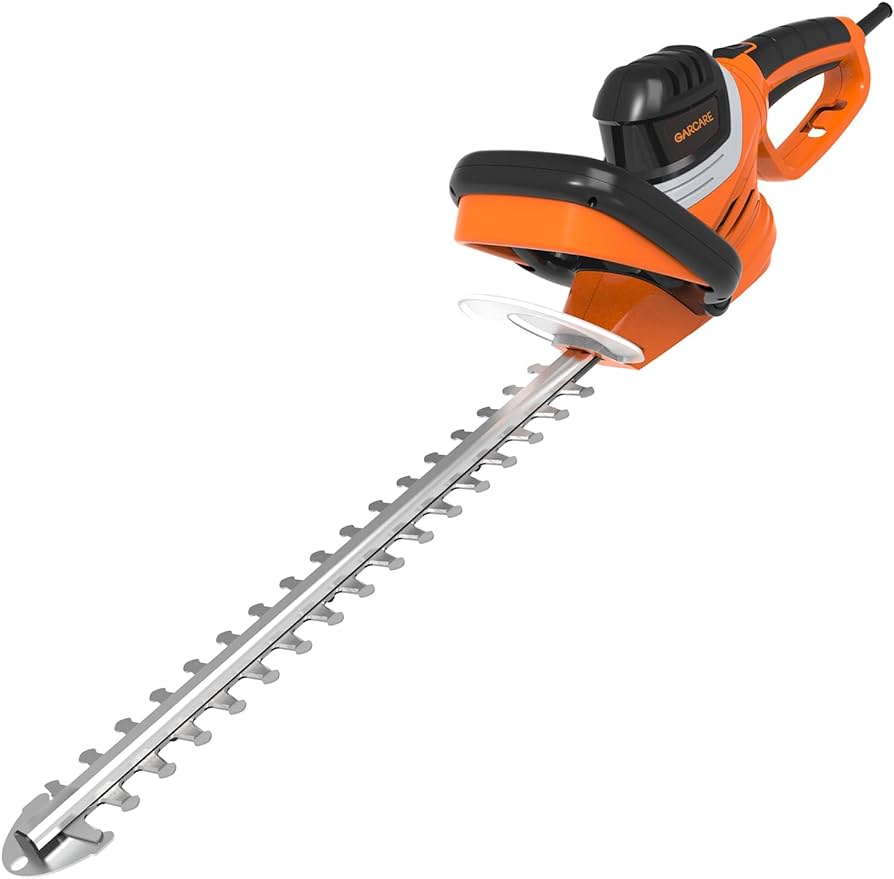
No, a hedge trimmer cannot cut trees. Hedge trimmers are designed for trimming and shaping hedgerows and bushes, but they are not powerful enough to cut through tree branches.
It is important to use suitable trimming tools like pruning shears or loppers for cutting tree branches effectively.

Credit: www.amazon.com
Can A Hedge Trimmer Cut Trees
A hedge trimmer is not designed to cut trees as it’s mainly meant for shaping hedges and shrubs. It lacks the power and design to effectively cut through tree branches that are too thick. For cutting trees, it’s best to use appropriate tools such as pruning shears, loppers, or a chainsaw for thicker branches.
Power Of Hedge Trimmers
A hedge trimmer is a powerful tool specifically designed for trimming and shaping hedges, bushes, and shrubs. It is equipped with sharp blades that oscillate rapidly, making it efficient for cutting thin branches and foliage with ease. Hedge trimmers come in various types, including electric, cordless, and gas-powered models, each offering different levels of power and versatility.
Electric hedge trimmers are popular for their lightweight design and ease of use. They are typically powered by an electrical cord and are suitable for small to medium-sized jobs. Cordless hedge trimmers, on the other hand, provide the freedom of movement as they are not constrained by a cord. They usually run on rechargeable batteries, offering decent power for most trimming tasks.
Gas-powered hedge trimmers, while more powerful, are also heavier and louder. They are best suited for large-scale trimming projects or for tackling thick and overgrown branches. These trimmers require fuel and regular maintenance but can handle more demanding cutting tasks with their higher horsepower.
Limitations Of Hedge Trimmers
Although hedge trimmers are excellent tools for maintaining and shaping hedges and shrubs, they have their limitations when it comes to cutting trees. Hedge trimmers are designed with narrower teeth or blades that are not suitable for cutting through thick branches or tree trunks. Their cutting capacity is limited to thinner branches that fit between the teeth of the trimmer’s blade.
Attempting to use a hedge trimmer to cut trees may result in ineffective and potentially dangerous outcomes. The trimmer may get jammed or damaged, and the blades can become dull or even break when used beyond their intended purpose. Moreover, using a hedge trimmer on trees can lead to uneven cuts and may harm the overall health and appearance of the tree.
Instead of using a hedge trimmer for tree cutting tasks, it is best to utilize more appropriate trimming tools such as pruning shears or loppers. These tools offer more precise cutting and are designed specifically for cutting thick branches and tree limbs. By using the right tool for the job, you can ensure safer and more effective tree trimming and avoid potential damage to both your tools and the trees you are working on.
Best Practices For Trimming Trees
When it comes to trimming trees, it is not recommended to use a hedge trimmer as it is best suited for hedgerows and medium-to-large bushes. Hedge trimmers lack the power and capability to cut through thick tree branches. Using pruning shears or loppers is the more suitable option for effective tree trimming.
Choosing The Right Tool |
When it comes to trimming trees, choosing the right tool is crucial for a successful and efficient pruning process. While hedge trimmers are great for maintaining and shaping hedges, they may not be the best option for cutting tree branches. Hedge trimmers are designed with thin, sharp blades that are ideal for trimming thin twigs and small branches found in hedges. However, when it comes to thicker branches, hedge trimmers may not have enough power to cut through them effectively.
If you find yourself needing to trim tree branches, it is best to use more suitable trimming tools such as pruning shears or loppers. Pruning shears are handheld tools with strong, sharp blades that can easily cut through branches up to a certain diameter. Loppers, on the other hand, have long handles that provide extra leverage and allow for easier cutting of thicker branches.
Before starting any tree trimming project, assess the size and thickness of the branches you need to cut, and choose the appropriate tool accordingly. This will ensure a safer and more effective trimming process.
Safety Precautions |
When it comes to tree trimming, safety should always be a top priority. Here are some important safety precautions to keep in mind:
- Wear protective gear such as gloves, safety glasses, and a hard hat to protect yourself from falling debris.
- Ensure that your tools are in good working condition and sharpened properly.
- Never operate a hedge trimmer or any other trimming tool while standing on a ladder or unstable surface. Use a stable and secure platform or consider hiring a professional for higher branches.
- Be aware of any overhead power lines and ensure that you are working at a safe distance to avoid accidents.
- Always follow the manufacturer’s instructions for operating your specific trimming tool.
- Take regular breaks to prevent fatigue and avoid rushing, as this can increase the risk of accidents.
By following these safety precautions, you can minimize the risks associated with tree trimming and ensure a safer working environment.
In conclusion, while hedge trimmers can be great for trimming hedges and thin branches, they may not be the best tool for cutting thicker tree branches. It is important to choose the right tool for the job, such as pruning shears or loppers, and to prioritize safety at all times when undertaking tree trimming projects.
Comparison: Hedge Trimmers Vs. Pruning Shears
When it comes to maintaining your garden or outdoor spaces, it’s important to have the right tools for the job. Two common tools used for pruning and trimming are hedge trimmers and pruning shears. Understanding the purpose and effectiveness of each tool can help you determine which one is best suited for your tree-cutting needs. Let’s compare hedge trimmers and pruning shears in terms of their purpose and use, as well as their effectiveness and efficiency.
Purpose And Use
Hedge trimmers are designed for trimming and shaping hedges, bushes, and smaller branches, making them suitable for maintaining the appearance of shrubs and small trees. On the other hand, pruning shears, also known as hand pruners, are ideal for precise cutting and shaping of small branches, twigs, and stems. They provide more control and are suitable for intricate trimming and pruning tasks.
Effectiveness And Efficiency
When it comes to effectiveness, hedge trimmers excel at quickly trimming and shaping large areas of foliage, making them efficient for maintaining hedge rows and medium-sized bushes. However, they are not suitable for cutting thick tree branches. In contrast, pruning shears are highly effective for precise and detailed pruning of small branches and stems, providing the necessary accuracy for maintaining tree health.
Understanding Tree Pruning Techniques
When it comes to maintaining the health and aesthetics of your trees, understanding proper pruning techniques is crucial. Pruning not only helps to shape and control the growth of the tree, but it also promotes overall tree health. In this blog post, we will explore the approaches to branch cutting and the impact it has on tree health.
Approaches To Branch Cutting
Knowing the different approaches to branch cutting can help you make informed decisions about how to effectively prune your trees. Here are a few commonly used techniques:
- Thinning: This technique involves selectively removing branches to allow more sunlight and air to penetrate the tree’s canopy. Thinning helps reduce the risk of disease and promotes healthy growth.
- Raising: Raising focuses on removing lower branches to provide clearance for pedestrians, vehicles, or structures. This technique is commonly used in urban areas to ensure the safety and accessibility of public spaces.
- Reduction: Reduction pruning involves shortening the length of branches to reduce their weight and size. This technique is often used to prevent branches from interfering with power lines or buildings.
- Shaping: Shaping refers to trimming branches to create a desired aesthetic form. This technique is commonly used for ornamental trees to achieve a specific shape or structure.
Impact On Tree Health
Pruning plays a significant role in maintaining the health of your trees. However, improper pruning techniques can have adverse effects on their overall well-being. Here are some important factors to consider:
- Proper technique: Using the correct tools and following industry-approved techniques are essential to prevent damage to the tree.
- Timing: Pruning at the right time of year can minimize stress on the tree and promote healthy regrowth.
- Wound care: Properly treating pruning wounds can prevent the entry of pathogens and reduce the risk of disease.
- Tree species: Different tree species have varying tolerance levels for pruning. Understanding the specific needs of your tree is crucial to avoid unnecessary harm.
In conclusion, understanding tree pruning techniques is vital for maintaining tree health and aesthetics. By employing the appropriate branch cutting approaches and considering the impact on tree health, you can ensure the long-term vitality of your trees.
Advice From Arborists

Credit: www.amazon.com
Frequently Asked Questions For Can Hedge Trimmer Cut Trees
Can You Trim Trees With A Hedge Trimmer?
Yes, a hedge trimmer can be used to cut branches, but only if the branches are thin and the hedge trimmer is powerful enough.
How Thick Of Branches Can A Hedge Trimmer Cut?
A hedge trimmer can cut branches that fit between the teeth of its blade. However, hedge trimmers are not suitable for cutting tree branches as they lack the power required for heavier tasks. For optimal results, use pruning shears or loppers to trim tree branches.
What Is The Best Tool For Trimming Trees?
The best tool for trimming trees is a pruning shear or lopper. Hedge trimmers are not suitable for cutting thick branches and are better used for shaping hedgerows and bushes.
What Can You Cut With A Hedge Trimmer?
A hedge trimmer can cut and shape hedgerows, medium-to-large bushes, deep and hard-to-reach bushes, prune perennials, grasses, ground cover, and any branches that fit between the trimmer’s blade teeth. However, it is not suitable for cutting thick tree branches.
Conclusion
Using a hedge trimmer to cut trees can be suitable for smaller branches and manageable shrubs. However, it may not be the best option for thicker or denser growth. Proper tools such as pruning shears or loppers are recommended for more effective tree trimming.
Always consider the size and type of trees before using a hedge trimmer.