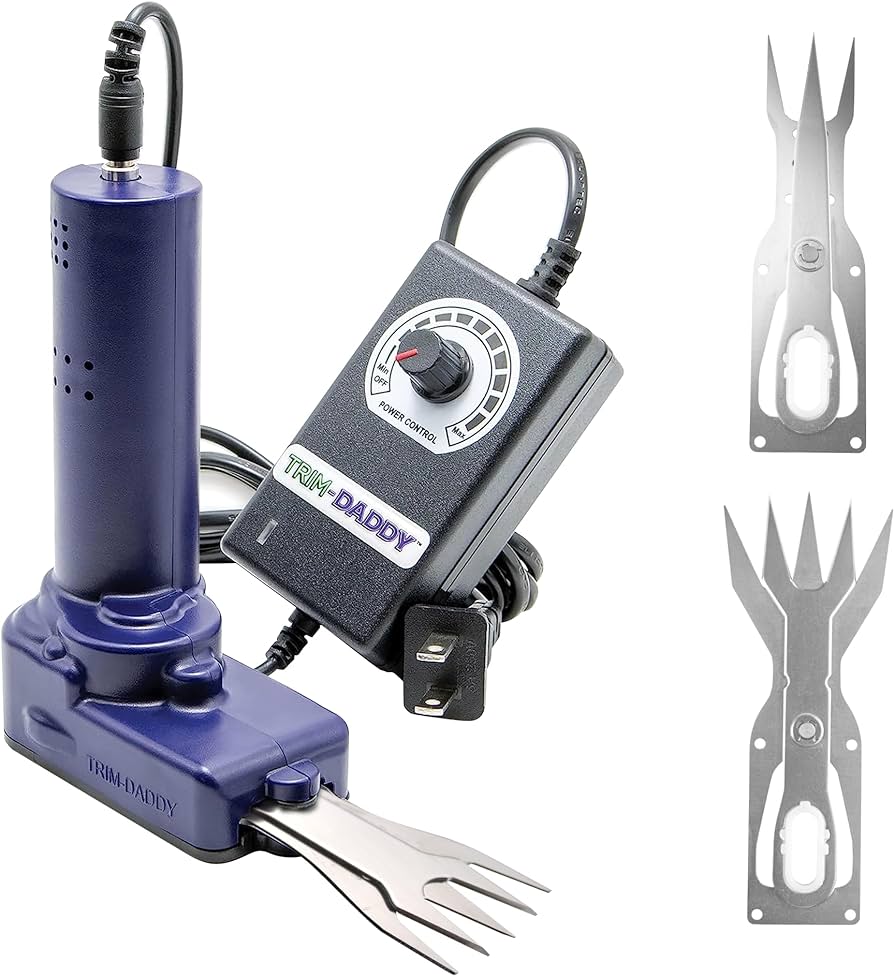
Yes, you can use an electric weed eater on wet grass. However, it is important to note that the performance of the weed eater may be affected by wet grass, and the risk of electric shock is increased.
It is recommended to avoid using electric weed eaters on wet grass to ensure safety and optimal performance. Wet grass can cause the tool to clog, and the moisture may pose risks when operating electric equipment. Additionally, wet grass can also increase the wear and tear on the tool’s components.
In some cases, manufacturers may advise against using electric weed eaters on wet grass to prevent damage and maintain the longevity of the equipment. Therefore, it is crucial to adhere to safety guidelines and recommendations provided by the manufacturer when using electric weed eaters.
Credit: www.stihlusa.com
Understanding Electric Weed Eaters
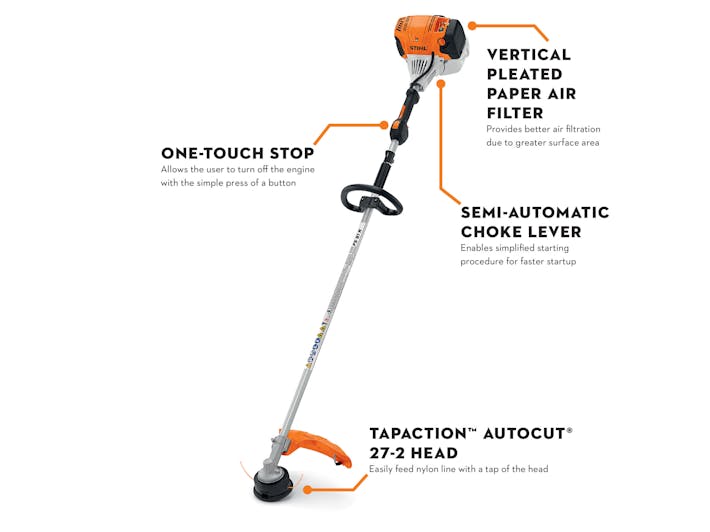
Electric weed eaters can be used on wet grass, but it’s important to exercise caution. Wet grass can make the job more difficult and increase the risk of damage to the equipment. Take care to use the appropriate safety measures and consider the condition of your grass before using an electric weed eater on wet surfaces.
How do Electric Weed Eaters Work?
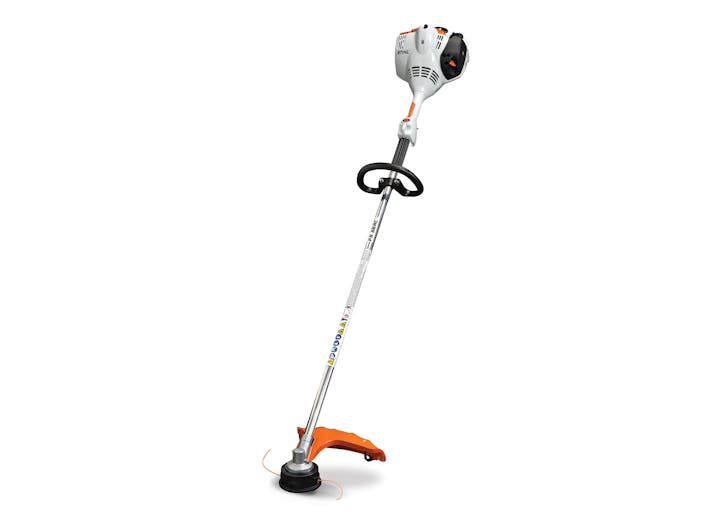
Electric weed eaters, also known as string trimmers or weed whackers, are lightweight and easy to handle tools powered by electricity. They operate using a spinning plastic string that cuts through grass and weeds with precision. The string is powered by an electric motor, which is connected to the trimmer’s handle. When switched on, the motor causes the string to rotate at high speeds, allowing it to slice through overgrown grass and weeds.
Benefits of Using an Electric Weed Eater
- Eco-friendly: Electric weed eaters produce zero emissions, making them environmentally friendly alternatives to gas-powered trimmers.
- Quiet Operation: Unlike gas-powered models, electric weed eaters operate quietly, reducing noise pollution in residential areas.
- Easy Maintenance: Electric trimmers require minimal maintenance, with no need for oil or gas refills, spark plug changes, or air filter replacements.
- Lightweight and Maneuverable: Electric weed eaters are typically compact and lightweight, making them easy to handle and maneuver, especially in tight spaces.
In conclusion, electric weed eaters are an efficient and eco-friendly option for maintaining your lawn.
Credit: www.stihlusa.com
The Impact Of Wet Grass On Electric Weed Eaters
Using an electric weed eater on wet grass can have a significant impact. Not only does it reduce the effectiveness of the tool in cutting through the grass, but it also poses a safety risk due to the increased chance of electrical accidents.
It is best to wait for the grass to dry before using the electric weed eater.
The Impact of Wet Grass on Electric Weed Eaters When using an electric weed eater, it’s important to consider the impact that wet grass can have on its performance and durability. Understanding the potential risks and challenges, as well as the effects on the overall functionality of the equipment is essential for maintaining its longevity and efficiency.
Potential Risks And Challenges
Wet grass can pose several risks and challenges when using an electric weed eater. These include increased electrical hazards due to water conductivity, potential motor damage from excessive moisture, and reduced cutting efficiency due to the grass clumping together.
Effects On Performance And Durability
The presence of wet grass can significantly impact the performance and durability of an electric weed eater. It may lead to motor overheating, shortened equipment lifespan, and clogging of the cutting mechanism, ultimately affecting the tool’s efficiency and effectiveness. In summary, using an electric weed eater on wet grass can present considerable risks and challenges, impacting the overall performance and durability of the equipment. It’s crucial to weigh these factors and take appropriate precautions to ensure the longevity and optimal functioning of the electric weed eater.
Tips For Cutting Wet Grass
When faced with the need to cut wet grass, it’s important to follow certain precautions and techniques to minimize the risks and achieve satisfactory results. Here are some tips:
- Choose the right time: Whenever possible, wait for the grass to dry before using the electric weed eater. This not only aids in safer trimming but also ensures a cleaner and more consistent cut.
- Adjust the cutting height: Set the weed eater to a higher cutting height to prevent it from bogging down in the wet and dense grass, allowing for more efficient trimming.
- Regular maintenance: Ensure the weed eater is in optimal condition by keeping it clean and dry. Regularly check and replace worn-out parts, especially the cutting line, to maintain cutting efficiency and safety.
- Clear the area: Remove any debris, rocks, or other objects from the cutting area to avoid potential damage to the equipment and ensure a smooth trimming experience.
Potential Risks And Challenges
Wet grass can pose several risks and challenges when using an electric weed eater. These include increased electrical hazards due to water conductivity, potential motor damage from excessive moisture, and reduced cutting efficiency due to the grass clumping together.
Effects On Performance And Durability
The presence of wet grass can significantly impact the performance and durability of an electric weed eater. It may lead to motor overheating, shortened equipment lifespan, and clogging of the cutting mechanism, ultimately affecting the tool’s efficiency and effectiveness. In summary, using an electric weed eater on wet grass can present considerable risks and challenges, impacting the overall performance and durability of the equipment. It’s crucial to weigh these factors and take appropriate precautions to ensure the longevity and optimal functioning of the electric weed eater.
Expert Tips For Using An Electric Weed Eater On Wet Grass
Using an electric weed eater on wet grass can be a tricky task, but with the right preparation and techniques, you can achieve optimal performance while ensuring your safety. In this article, we will provide you with expert tips on how to effectively use an electric weed eater on wet grass. By following these guidelines, you can maintain a well-manicured lawn even in damp conditions.
Preparation And Safety Measures
Before you begin using an electric weed eater on wet grass, it is essential to take the necessary preparation and safety measures. Here’s what you need to keep in mind:
- Make sure the grass is not excessively wet or soaked to avoid any damage to the electric weed eater.
- Inspect the device for any signs of damage and ensure it is in proper working condition.
- Wear protective gear, including safety goggles, gloves, and sturdy footwear, to protect yourself from debris and potential accidents.
- Mind your surroundings and identify any obstacles such as rocks, tree stumps, or roots that may pose a risk while trimming wet grass.
- Ensure the extension cord is in good condition and properly connected to avoid any electrical hazards.
Techniques To Optimize Performance
To achieve the best performance while using an electric weed eater on wet grass, follow these expert techniques:
- Start by trimming grass in small sections to prevent overloading the weed eater and allow it to handle the dampness effectively.
- Maintain a steady and controlled pace while operating the weed eater to ensure an even cut and avoid any accidental damage.
- Hold the weed eater at a slight angle, aiming the cutting head towards the ground to achieve a clean trim.
- Regularly remove any grass buildup from the cutting head to prevent clogging and maintain optimal cutting efficiency.
- Periodically check the tension of the cutting line and replace it if necessary to ensure consistent performance.
By implementing these expert tips for using an electric weed eater on wet grass, you can achieve excellent results while maintaining the safety of yourself and your equipment. Remember to always prioritize safety and take the necessary precautions to avoid any accidents or damage. Happy trimming!
Credit: www.walmart.com
Alternatives To Using An Electric Weed Eater On Wet Grass
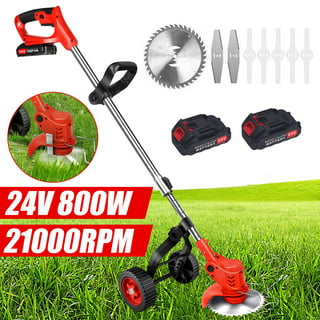
When it comes to trimming wet grass, using an electric weed eater may not be the best option due to potential safety hazards. Instead, consider manual trimming tools or waiting for the grass to dry before using the electric weed eater.
This approach can help ensure a safer and more effective grass trimming experience.
While it may be tempting to use an electric weed eater on wet grass, it’s important to remember that this could potentially cause damage to both the machine and your lawn. However, fear not! There are alternatives to consider that can effectively tackle your weed problem without risking any harm. In this section, we will explore two alternatives: manual weed trimmers and other landscaping solutions. Let’s dive in!
Manual Weed Trimmers
If you’re looking for a simple and cost-effective solution, manual weed trimmers are an excellent choice. These handheld tools usually feature a long handle with a sharp blade or string attached at the end. They allow you to easily reach and remove weeds from your lawn, even in wet conditions. Manual weed trimmers are lightweight, easy to maneuver, and don’t require any electricity, making them a practical option for maintaining your lawn.
When using a manual weed trimmer, it’s important to position yourself properly and apply the right amount of force to remove stubborn weeds effectively. Take care not to damage the surrounding grass or plants as you work. Here are a few tips to make the most of your manual weed trimming experience:
- Start by identifying the weeds you want to remove and mark their location if needed.
- Hold the handle of the trimmer firmly, positioning yourself at a comfortable angle to the weed.
- Gently guide the blade or string towards the base of the weed, using short and controlled motions.
- Apply a moderate amount of pressure to cut through the weed, being careful not to strain yourself or damage the grass.
- Once the weed is cut, remove it from the ground, disposing of it properly.
By following these simple steps, you can effectively remove weeds from your lawn without the need for an electric weed eater, even if the grass is wet.
Other Landscaping Solutions
If you prefer to explore alternative landscaping solutions, several options can help you maintain a weed-free lawn without relying on an electric weed eater. Here are a few ideas to consider:
| Landscaping Solution | Description |
|---|---|
| Pulling Weeds by Hand | A labor-intensive but effective method, especially for smaller weed-infested areas. |
| Mulching | Applying a layer of organic material to discourage weed growth and retain moisture in the soil. |
| Herbicides | Selective use of herbicides can help eliminate weeds without harming your lawn. |
| Lawn Edging | Creating defined borders between your lawn and garden beds can help prevent weed encroachment. |
| Regular Maintenance | Regularly mowing your lawn and keeping it well-fertilized can help promote a healthy lawn, making it more resistant to weed growth. |
These options provide an eco-friendly and efficient way to control weeds, even on wet grass. Experiment with different methods and find what works best for your specific landscaping needs.
Precautions And Maintenance For Electric Weed Eaters
Electric weed eaters are a convenient tool for maintaining your lawn, providing a quick and efficient way to trim pesky weeds and grass. However, it’s important to take certain precautions and perform regular maintenance to ensure safe and effective use of your electric weed eater.
Avoiding Electric Shock
When it comes to using an electric weed eater on wet grass, it’s crucial to prioritize safety to prevent the risk of electric shock. Here are some tips to avoid electric shock while using your electric weed eater:
- Always wear insulated gloves and rubber-soled shoes to protect yourself from electrical hazards.
- Avoid using your electric weed eater in wet or rainy conditions, as moisture can increase the risk of electric shock.
- Never immerse your weed eater in water or use it in areas where there is standing water.
- Inspect the power cord before each use, and if you notice any damage or exposed wires, replace the cord immediately.
- Keep the power cord away from the cutting area to prevent accidental cutting or tangling.
Cleaning And Storage
Proper cleaning and storage is essential for maintaining the longevity and performance of your electric weed eater. Follow these tips for cleaning and storing your tool:
- After each use, remove any debris or grass clippings from the cutting head and trimmer body.
- Clean the cutting head with a brush or damp cloth to remove any built-up residue.
- Inspect the cutting line and replace it if it is worn or damaged.
- Hose down the trimmer to remove dirt and grime, and dry it thoroughly before storing.
- Store your electric weed eater in a dry and secure place, away from children and pets.
- Consider using a protective cover or storing the tool in a dedicated storage box to prevent dust and damage.
By following these precautions and performing regular maintenance on your electric weed eater, you can ensure safe and efficient operation, prolong the lifespan of your tool, and enjoy a well-maintained lawn all year round.
Frequently Asked Questions Of Can I Use An Electric Weed Eater On Wet Grass
Can You Use An Electric Weed Eater On Wet Grass?
Yes, you can use an electric weed eater on wet grass. However, it is not recommended as the moisture can cause the grass to clump, making it difficult for the trimmer to cut efficiently. It is best to wait for the grass to dry before using the weed eater for a cleaner and more effective trim.
Can You Cut Wet Grass With An Electric Weed Eater?
Yes, it’s safe to use an electric weed eater on wet grass, but be cautious as wet grass can stress the motor and should be cleaned after use.
What Not To Do With A Weed Eater?
When using a weed eater, avoid cutting over rocks or hard objects as it will quickly wear down the cutting wire. Remove small to medium-sized objects from the work area before trimming. Do not use the weed eater on wet grass as it can put added stress on the motor and shorten its lifespan.
Can You Hose Down An Electric Weed Eater?
Yes, you can hose down an electric weed eater. Clean the trimmer at the end of the season by hosing it down to remove dirt and debris. Replace the string if necessary and apply lubricant to prevent rust.
Conclusion
To summarize, using an electric weed eater on wet grass can be risky. Although some models claim to be water-resistant, it’s best to avoid using them in wet conditions to prevent damage and ensure your safety. Instead, wait for the grass to dry or consider alternative methods such as hand-pulling or using a manual weed eater.
Always prioritize safety and follow the manufacturer’s guidelines to maintain your equipment and achieve the desired results. Happy gardening!