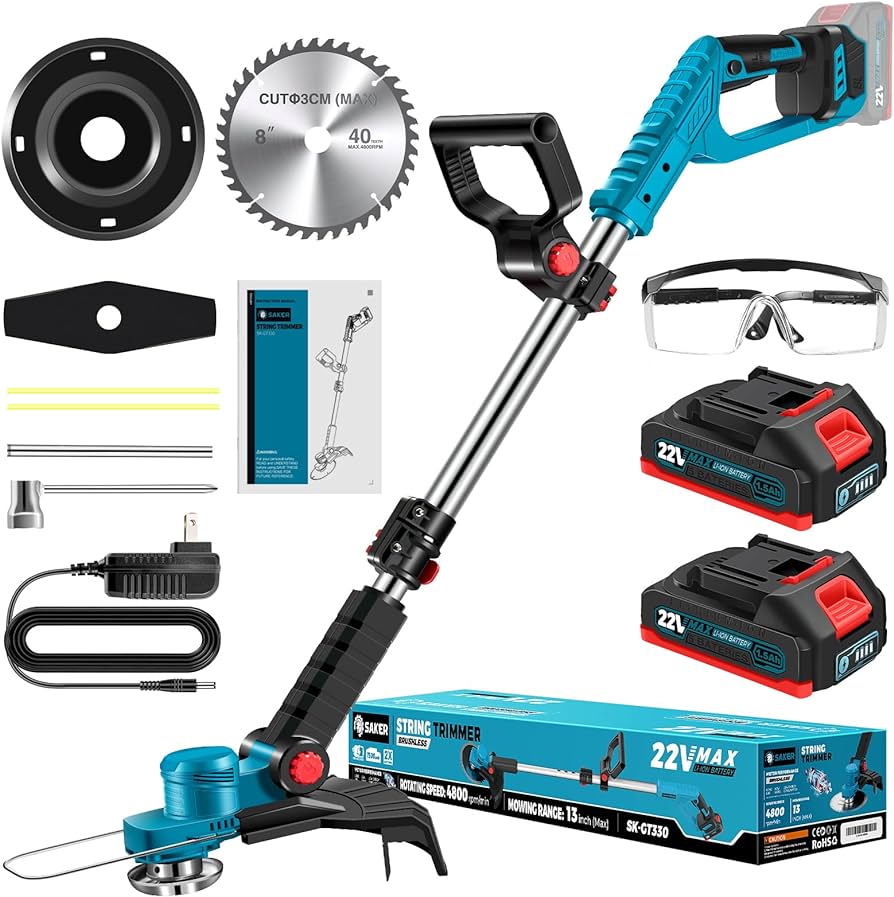
Is a String Trimmer a Weed Eater? The Simple Answer
Yes, both names describe the same yard tool. You may ask, is a string trimmer a weed eater really? They serve one purpose: trimming and edging vegetation. This guide explains the names, types, and differences.
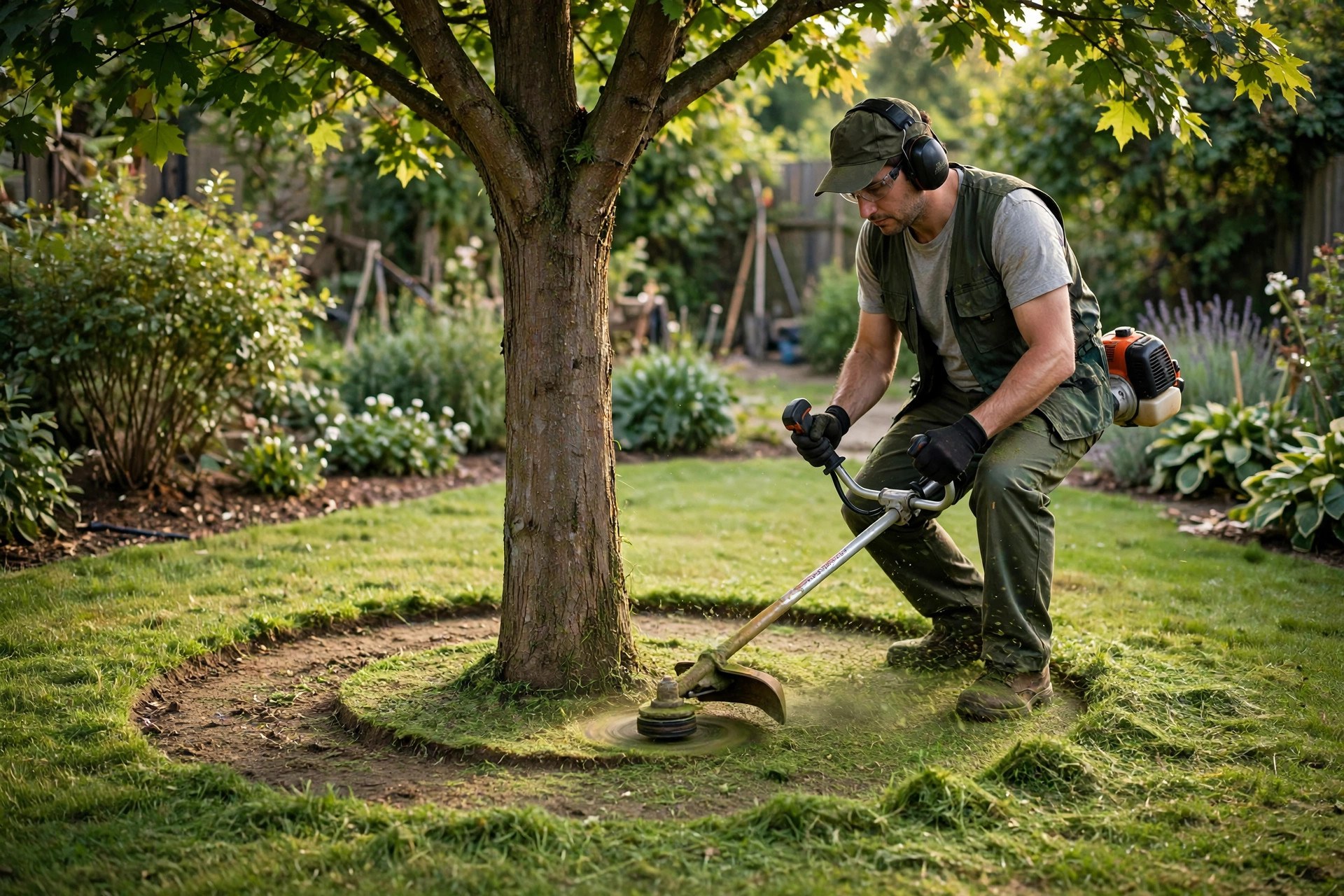
The tool cuts grass where mowers cannot reach. It works around trees, fences, and pathways neatly. A rapidly spinning nylon string does the cutting. Homeowners and professional landscapers both rely on it.
Its light, maneuverable design suits many yard sizes. Precise cuts keep outdoor spaces neat and tidy. Read on for types, techniques, and upkeep tips. The final sections cover choosing and maintaining yours. One naming twist explains most buyer confusion today.
Quick answer: Yes, the two names mean the same tool. Weed Eater began as one brand name originally. Shoppers now use it for every string trimmer. Both names cover gas, electric, and battery models. Pick by yard size, growth, and upkeep needs.
Is a String Trimmer a Weed Eater? The Answer
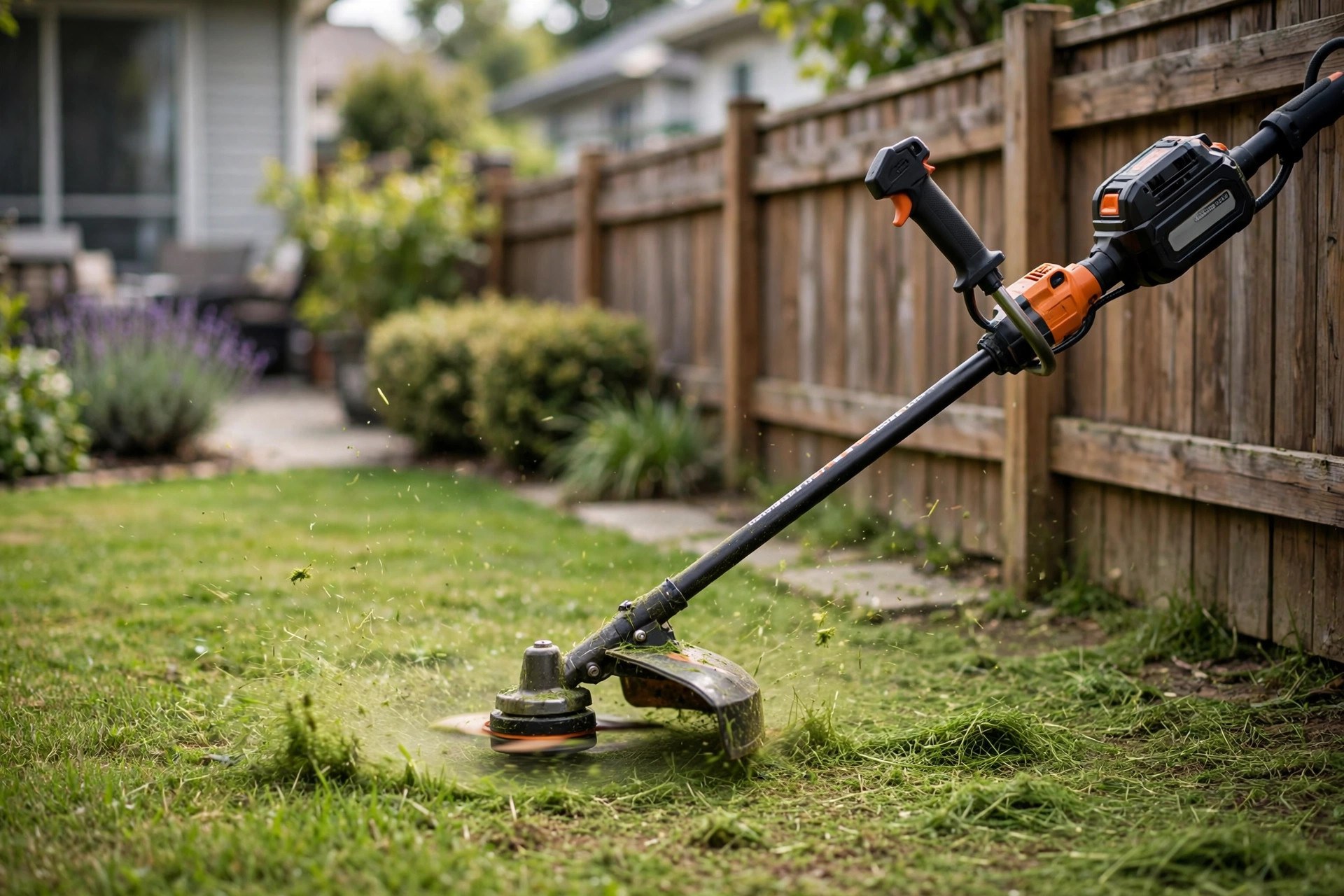
A string trimmer trims grass in unreachable spots. It edges along fences, walls, and trees cleanly. The spinning head carries strong, flexible nylon line. That line slices vegetation at very high speed.
The Short Answer in Full
String trimmer is the tool’s standard product name. Weed eater started as a single brand name. The brand name later covered the whole category. Our string trimmer guide defines the tool fully.
The Wikipedia string trimmer page confirms the shared naming. A weed whacker means the same tool too. All three names appear across shops and manuals. None of them marks a different machine class.
What a String Trimmer Is and How It Works
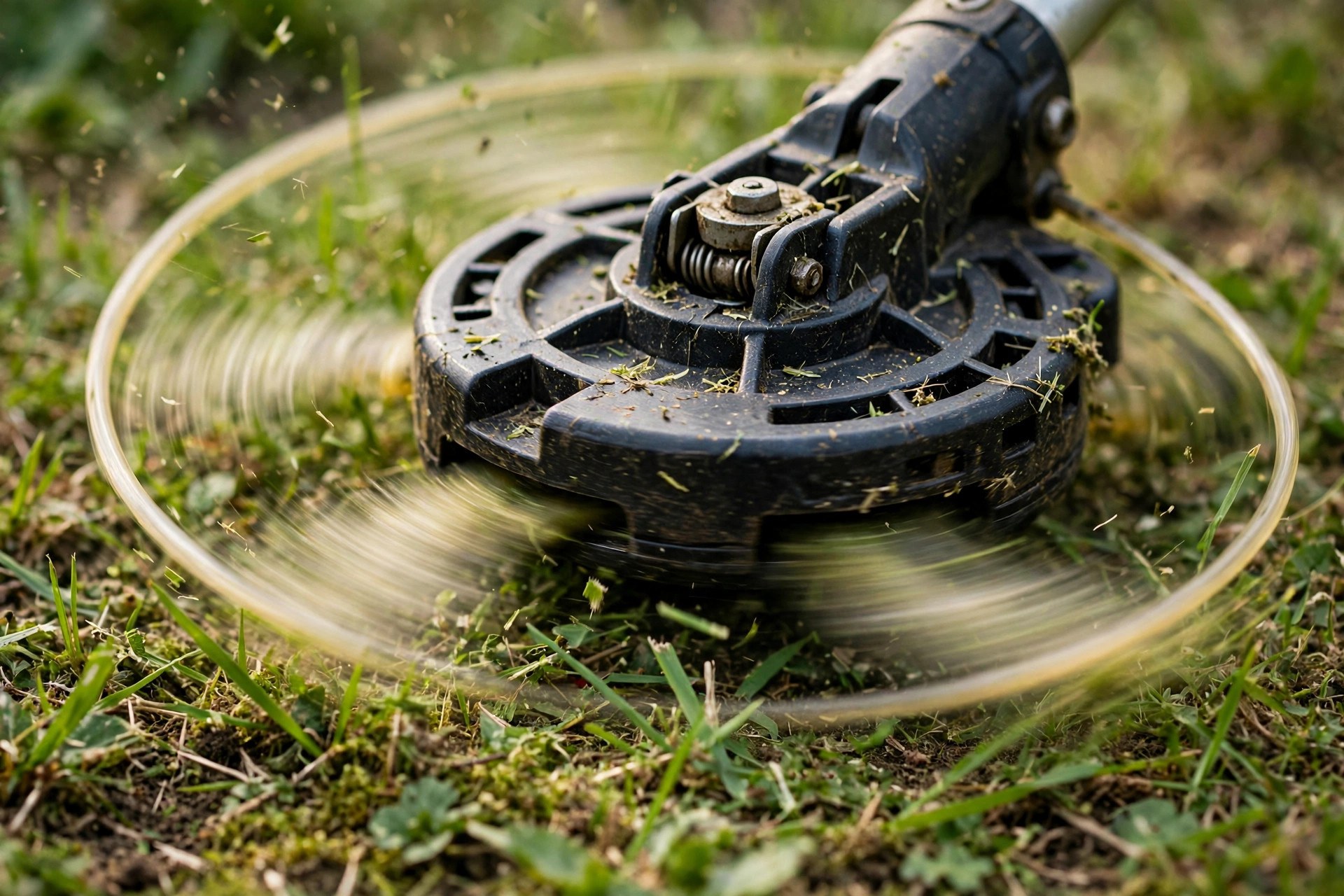
A motor or engine spins the cutting head. Rotational force drives the head at high speeds. The flexible line then slices grass and weeds. Adjustable heads and ergonomic designs improve comfort greatly.
| Type | Post Notes |
|---|---|
| Gas-powered | Suits large yards with more power and longer run times |
| Electric (corded or cordless) | Suits smaller areas with eco-friendly, low-noise operation |
| Battery-operated | Cordless portability without fuel or a power outlet |
How the Cutting Head Works
The head holds a spool of trimmer line. Line extends outward as the head spins fast. Durable line material keeps cutting through dense growth. Our auto-feed trimmer guide explains modern spool systems.
Where the Weed Eater Name Comes From
Weed Eater was a brand before anything else. The brand name became synonymous with string trimmers. Shoppers now use it for all trimmer types. The post still separates the names by job though.

Please note: This guide’s opening calls both names the same tool. Later sections describe weed eaters as heavier machines instead. Both views stay here exactly as originally published.
How the Post Splits the Jobs
It calls weed eaters heavy-duty handheld gas trimmers. Those tools tackle dense vegetation and thick brush. It calls string trimmers lighter tools for maintenance. Our weed wacker name guide compares labels further.
Choosing Between Light and Heavy-Duty Jobs
Yard size decides much of the choice here. Small yards with tight spaces favor light trimmers. They maneuver around trees, beds, and fences easily. Thick vegetation and stubborn weeds favor stronger machines.
Power, Upkeep, and Noise Checks
Corded electric models suit smaller yards with outlets. Battery models add flexibility without any cord attached. Gas models suit larger yards with heavier growth. Our trimmer buying guide lists every factor.
Heavier-duty models run louder with more vibration overall. Regular upkeep includes line replacement and filter care. Our Worx trimmer use guide shows daily handling. Renting first suits uncertain buyers very well too.
Cleaning, Storage, and Parts Replacement
Proper maintenance keeps the equipment efficient for years. Clean the tool after each use every time. Remove clippings and debris from the head area. A brush or compressed air works well here.
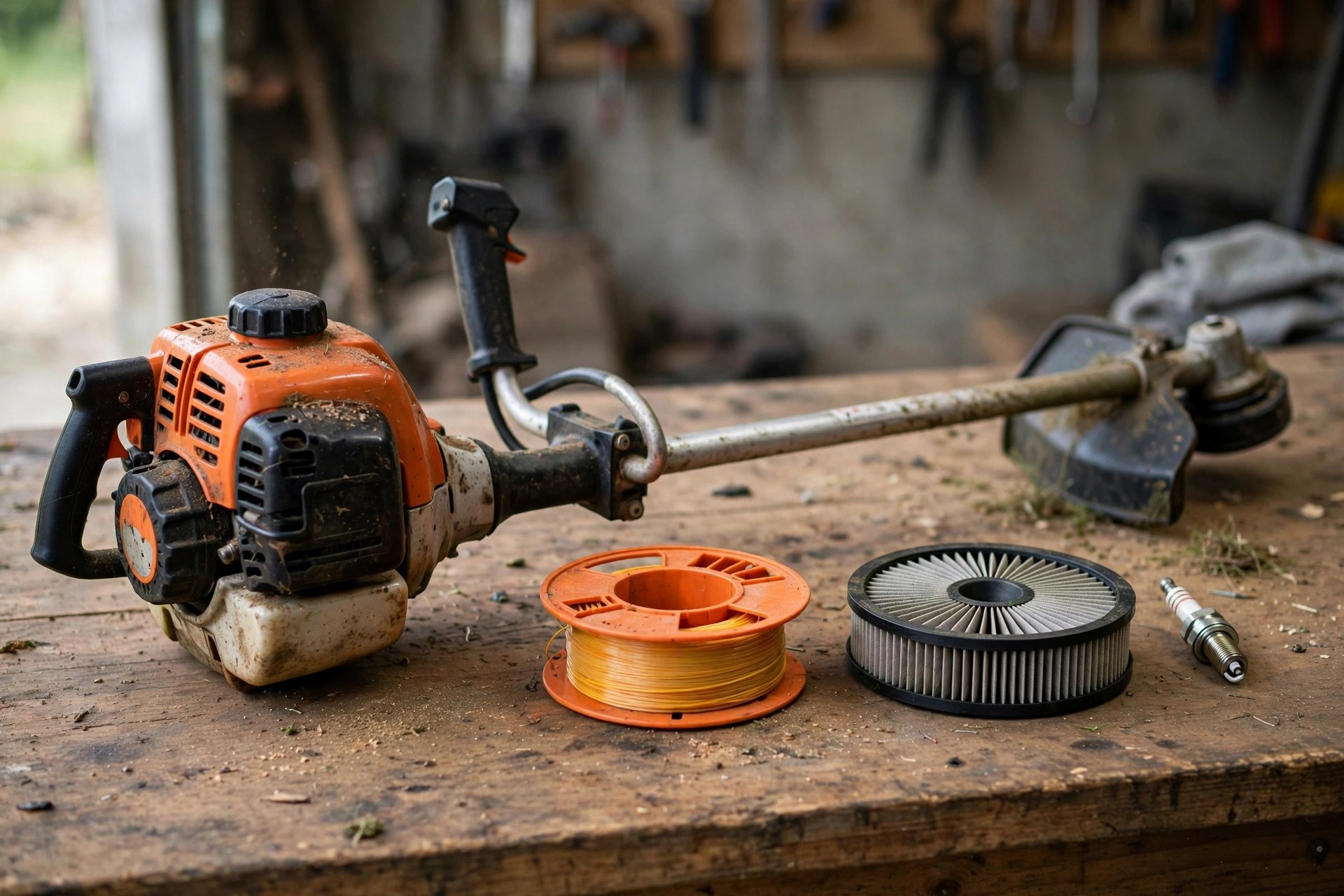
| Part | How Often to Check | When to Replace |
|---|---|---|
| Trimmer line | Before each use | When it becomes too short or worn out |
| Air filter | Regularly | When it appears dirty or clogged |
| Spark plug | Regularly | When fouled or worn out |
Storage That Protects the Tool
Empty the fuel tank before long storage periods. A fuel stabilizer prevents degradation during extended storage. Store the tool somewhere dry and secure indoors. Our string replacement guide covers line swaps fully.
Inspect line for tangles or breaks before use. Clean or replace the air filter as needed. Clean or replace fouled spark plugs promptly too. Our rental guide suits shoppers who prefer trying first.
Frequently Asked Questions
Is a string trimmer the same as a weed eater?
Yes, they are essentially the same thing overall. Both are lightweight, handheld yard tools by design. They cut grass where lawnmowers cannot reach safely. A spinning nylon string does all the cutting. They tidy edges and hard-to-reach spots neatly.
How does a string trimmer work?
A motor spins the cutting head very fast. The head holds long, flexible nylon string inside. The rotating string cuts through grass and weeds. The spinning motion shapes lawns with real ease.
Can I use a string trimmer on thick weeds?
Yes, a string trimmer can handle thick weeds. Not every model suits dense vegetation well though. Look for high power and thicker cutting strings. Patience and proper technique ensure effective cutting results.
What types of string trimmers are there?
Gas-powered models suit large yards with longer runtimes. Electric models suit smaller areas with low noise. Battery models offer cordless portability without fuel needs. Each type spins the same nylon line design.
What trimming and edging techniques work best?
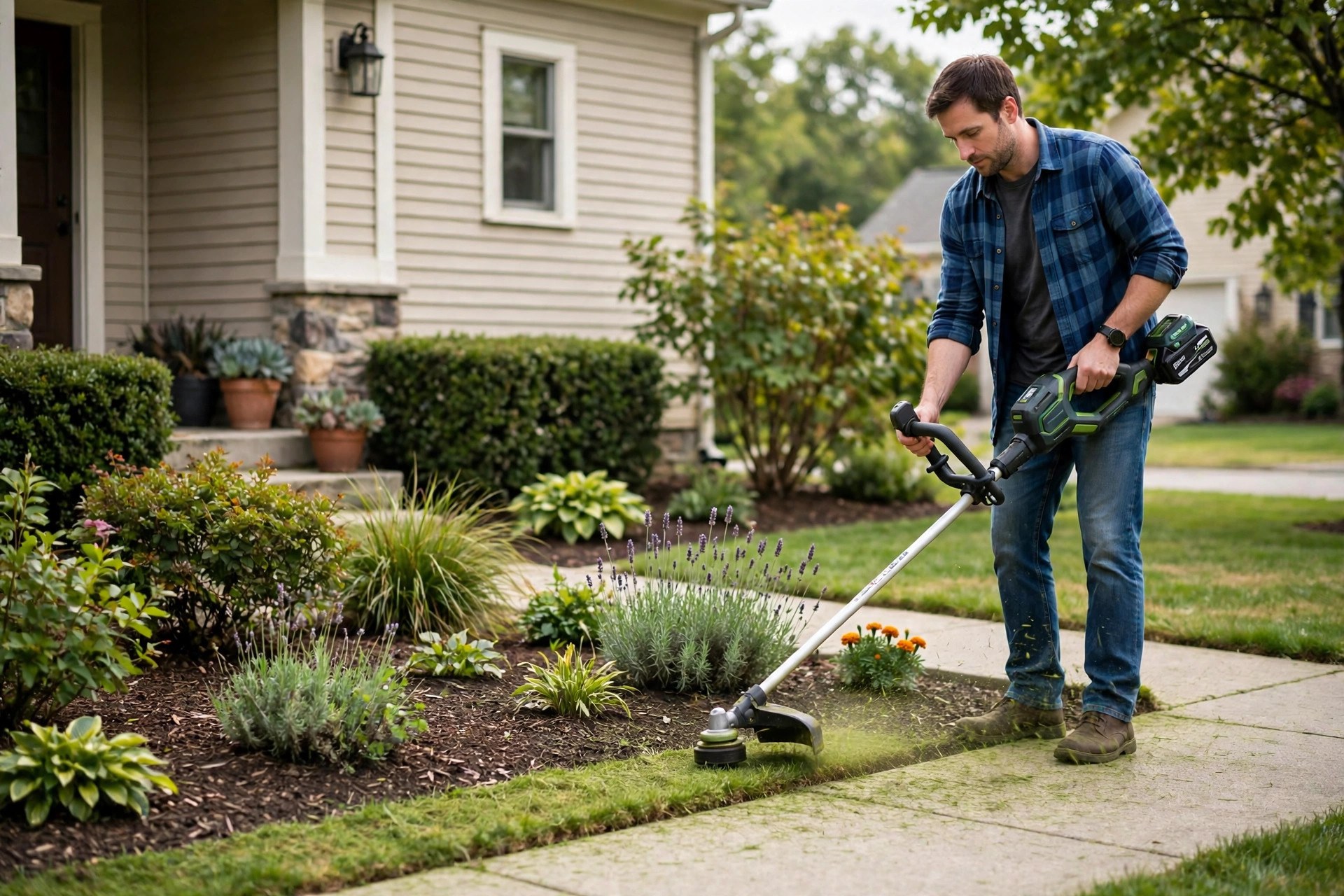
Hold the trimmer vertically along fences and walls. Walk horizontally for larger open areas instead then. Angle the head to edge along pathways cleanly. That angle separates grass from pavement very neatly.
Conclusion: Is a String Trimmer a Weed Eater
So, is a string trimmer a weed eater today? Yes, both names describe the same tool class. Slight variations in design and function exist though. Both maintain neat, tidy outdoor spaces very well. The brand origin explains the double naming fully.
Call it either name when you shop around. Investing in a quality model pays off quickly. Homeowners and landscapers both gain from owning one. Your lawn stays beautifully manicured all season long. Choose by yard, growth, and upkeep needs first.