How to Prevent Quick Overheating of Remington Trimmer
Fine trimmers still run hot with poor care. Learn how to stop a Remington from heating fast. Heat cuts tool life and hurts trim work. Plain habits keep the motor cool as you work. Smooth, easy trim days flow from care first.
Trapped hair and grit cause most heat faults. Too much push strains the motor for no gain. The Wikipedia hair clipper page sets out clipper workings. Long runs with no breaks swamp motors too. Wrong models overwork on the wrong tasks too.
This guide covers causes, signs, and the fix steps. It covers fault checks for heat that stays. The Wikipedia lubrication page sets out how oil cuts rub. Cool runs guard ease and safety each day. Steady care stops most heat faults in full.
Quick answer: Clear hair and grit after every single use. Oil the blades quite often to cut motor rub. Guide the trimmer with a soft touch, no hard push. Give the motor short rests on long jobs. Pick a model made for your hair type.
- How to Prevent Quick Overheating of Remington Trimmer: Causes
- Signs Your Trimmer Is Overheating
- Clean and Lubricate for Cooler Running
- Use Gentle Technique and Rest Breaks
- Troubleshoot Persistent Overheating Problems
- Frequently Asked Questions
- Conclusion: How to Prevent Quick Overheating of Remington Trimmer
How to Prevent Quick Overheating of Remington Trimmer: Causes
Four causes sit behind most fast heat faults. Each cause strains the motor in its own way. Know them and the fix steps turn plain.
| Cause | What the Post Says |
|---|---|
| Hair and debris buildup | Blocks air flow round blades and motor |
| Excessive pressure | Poor form strains the motor hard |
| Continuous use | No breaks leave motors swamped and hot |
| Wrong model choice | Ill-fit trimmers overwork and run hot |
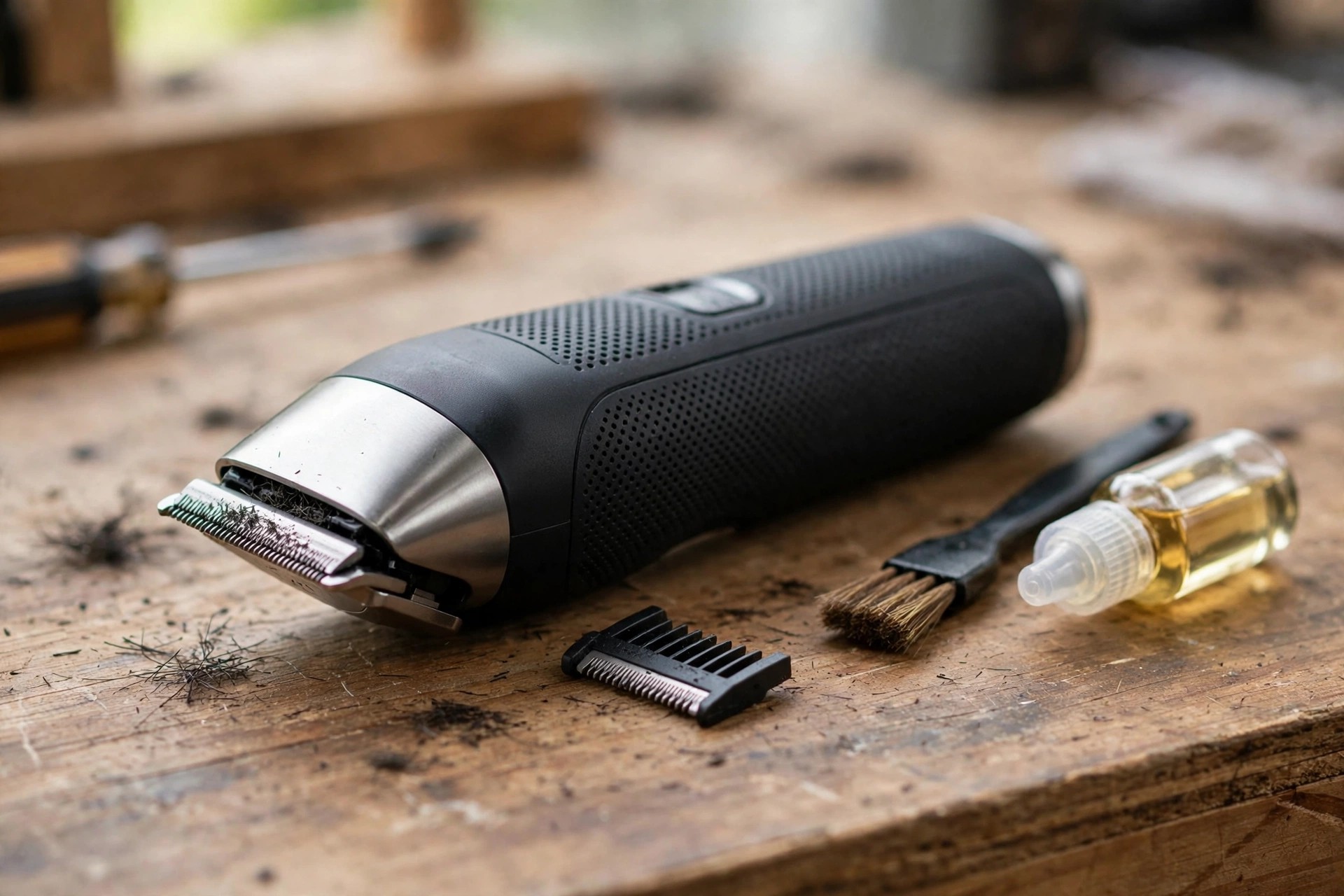
Our heat explainer digs into hot trimmers at large. Our Andis heat guide covers one more brand in depth. Spot causes early and you stop harm and mishaps.
Signs Your Trimmer Is Overheating
A hot trimmer feels far too warm quite fast. Strange warmth in use flags real trouble. Cut work drops as motors heat up badly. Snags and pulls show power on the slide.
A burnt smell gives one more clear sign. That smell means too much heat builds inside. Stop use at once at the first sign. Let the tool cool in full before you go on.
| Sign | What the Post Says |
|---|---|
| Hot to the touch | Too much warmth in use means heat faults |
| Weaker cutting | Snags or pulls flag motor strain |
| Burning smell | The motor works too hard inside |
Clean and Lubricate for Cooler Running
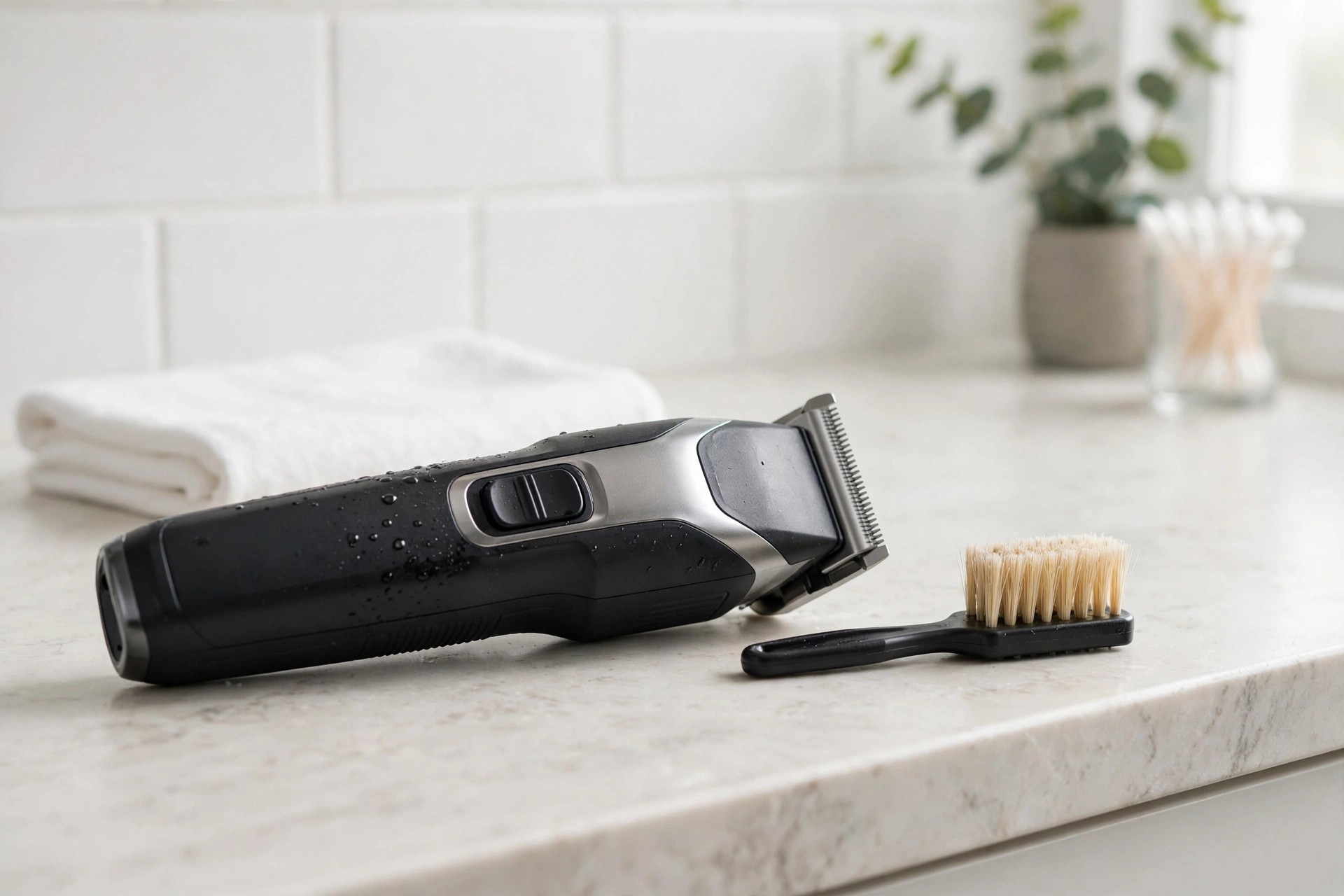
Clean the trimmer after every single use. Clear hair from the blades and motor zones. A small brush flicks trapped hair out with care. A toothpick shifts stuck grit in a safe way.
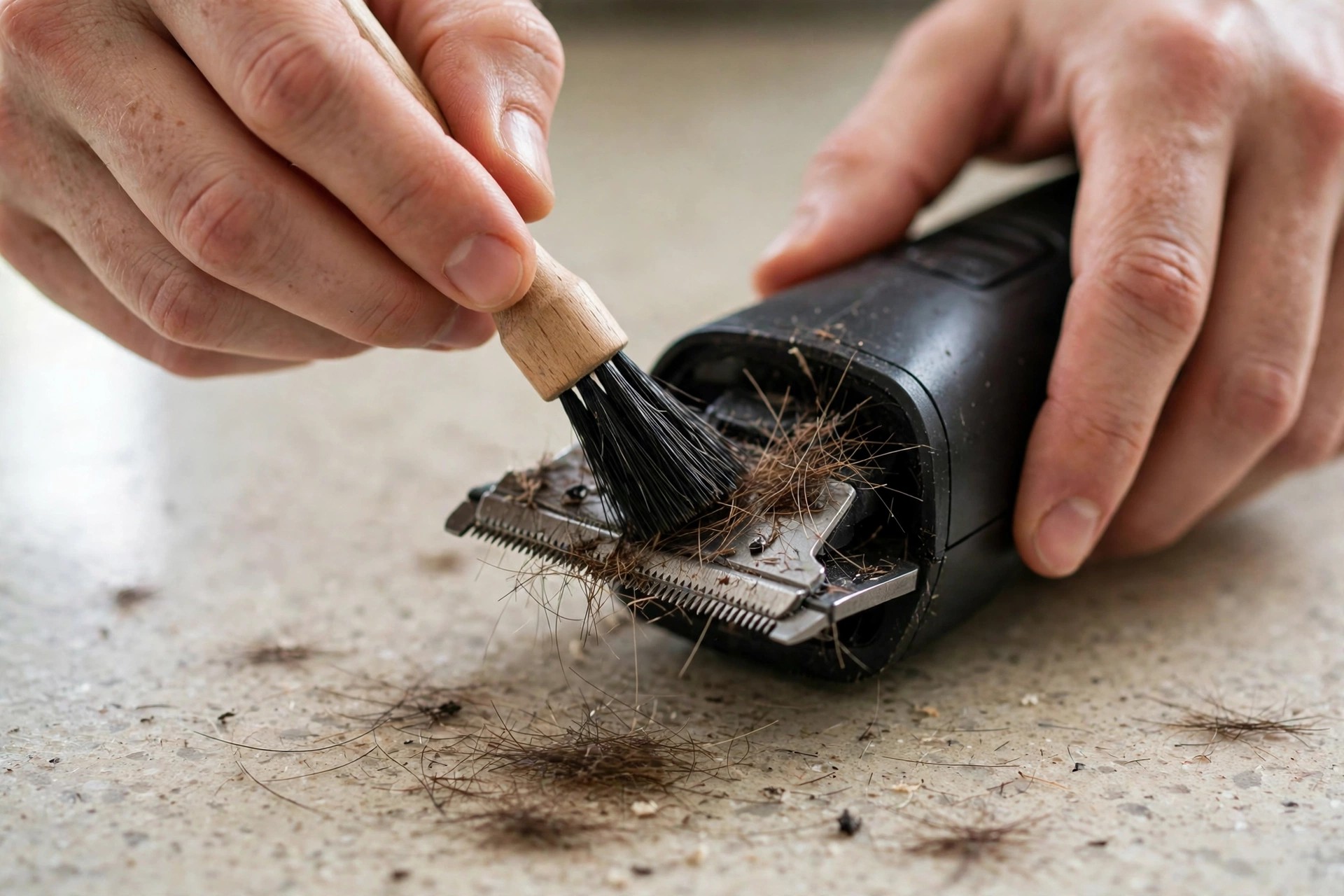
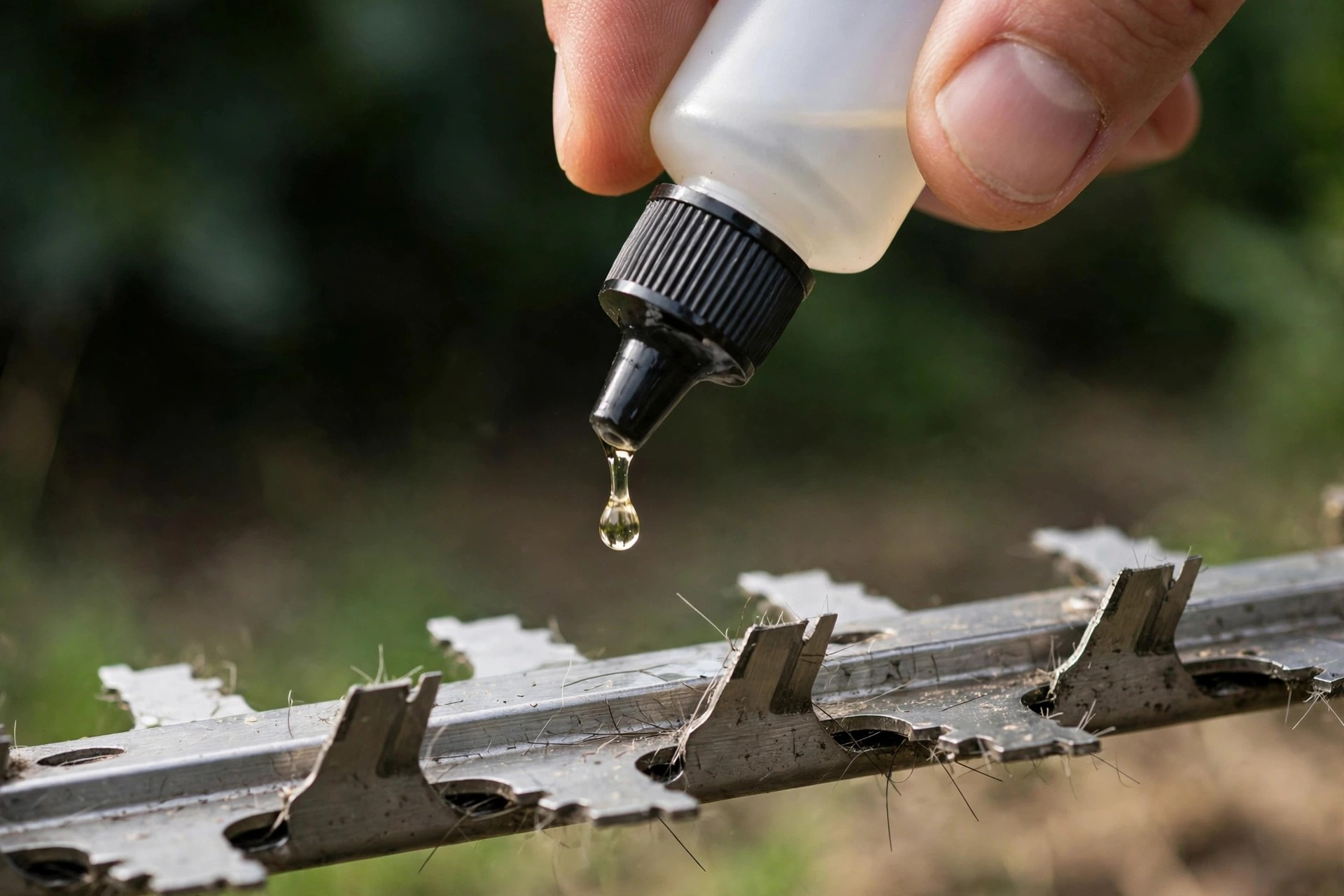
Oil the blades quite often for smooth work. Oil cuts the rub as the blades move past. Sound motors build far less heat in all. Our blade oiling guide shows the right oil steps. Our oiling frequency answer covers oil timetables.
Clean air vents call for steady care as well. Blocked vents trap heat inside the case. Our oiling benefits guide sets out oil gains in full. Plain care keeps trim days smooth and sound.
Use Gentle Technique and Rest Breaks
Right form cuts motor strain by a wide mark. Let the trimmer do the work on its own. Guide it with a soft touch through your hair. Keep off hard pushes on the hair at all times.
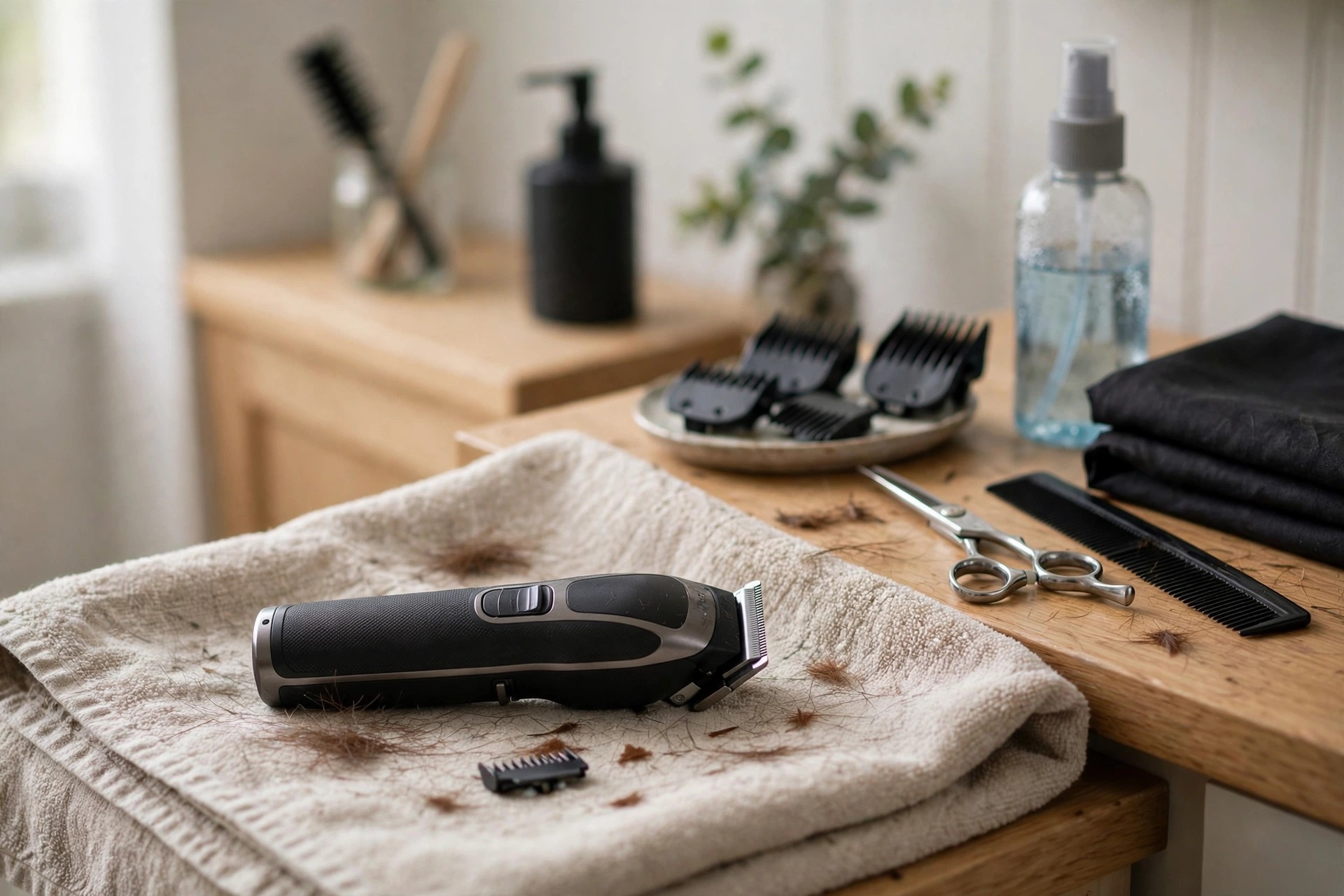
Keep the trimmer off wet hair in all cases. Wet hair lifts rub and heat as you work. Short rests let the motor cool right down. Long runs with no breaks swamp the motor.
The right model stops heat faults too. Models suit distinct hair types and tasks. Weigh hair type and trim length first of all. Our Remington cutting answer covers what models can do.
Troubleshoot Persistent Overheating Problems
Blades out of line cause spare rub and heat. Line blades back up as the maker directs. That fix cuts rub and stops heat faults. Our trimmer head guide shows safe head removal.
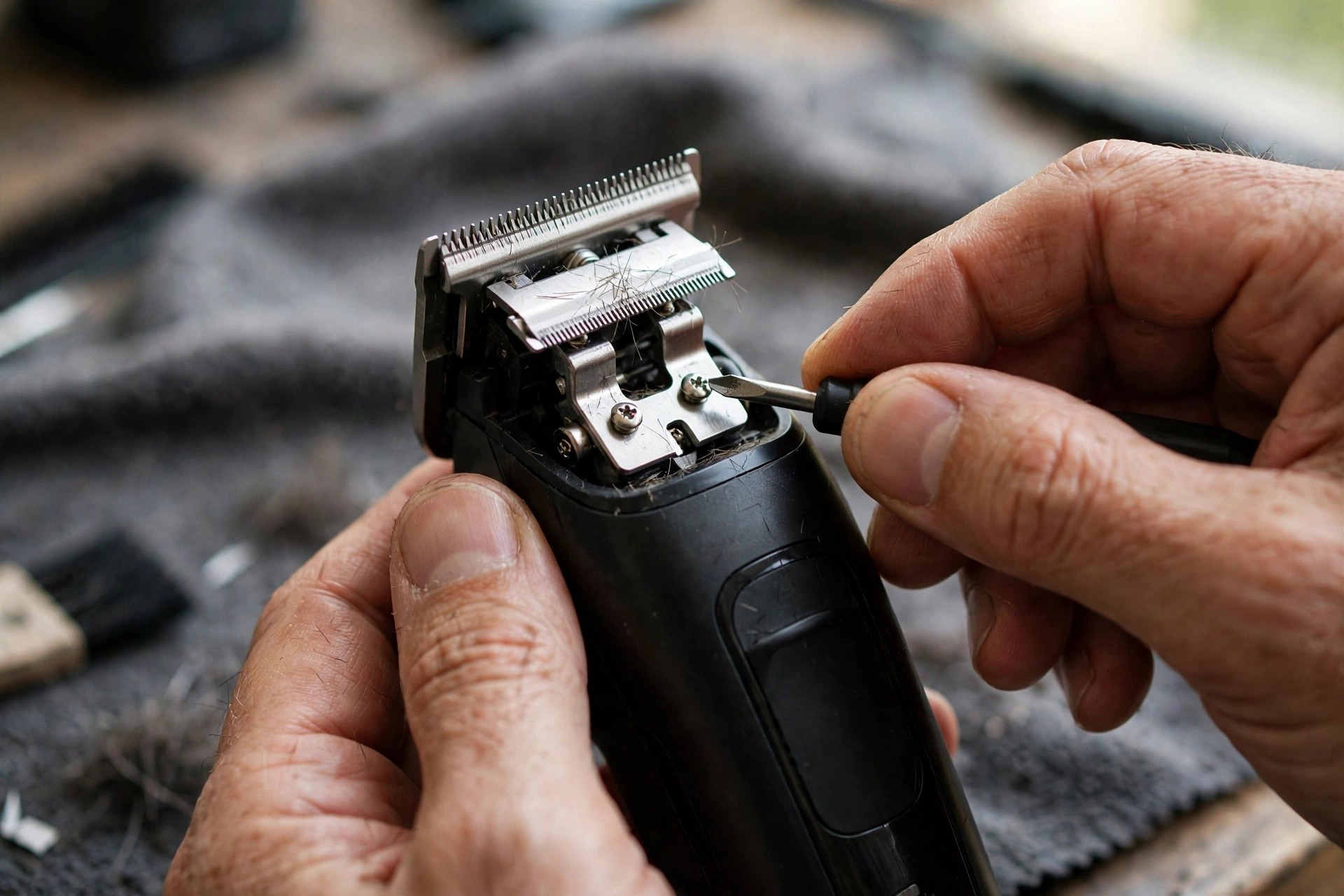
Motor faults cause some heat that will not quit. Call Remington support for checks and help. Pro repair shops fix motor faults in safe ways. Do not brush off heat that grows worse.
Frequently Asked Questions
What can cause a Remington trimmer to overheat?
Blocked or dirty blades cause lots of cases. A lack of oil adds bad rub as well. Long runs with no breaks heat motors fast. Hot, damp air can play a part here too.
How often should I clean the blades of my Remington trimmer?
Clean the blades after every single use. That habit clears hair and grit build-up. A small brush cleans blades with care. Free blades keep work strong and cool.
Can using a cooling spray help prevent overheating?
Cool sprays cut heat for a short while at best. They never work as a long-term fix. Sound care stops heat far more for sure. Clean tools and soft form count most by far.
How often should I lubricate the blades of my Remington trimmer?
Oil the blades after each few uses at least. Maker rules give timetables for each model. Steady oil keeps work smooth and cool at all times. It helps stop heat faults in all as well.
What are the signs that my Remington trimmer is overheating?
The trimmer feels far too hot to touch. Cut work drops and hair starts to pull. A burnt smell may show as you work. Stop at once and let the tool cool down.
Care first keeps each trim day smooth and calm. Cool gear lasts longer and works much better. Act on heat signs before harm can grow. Steady care guards your buy for years.
Conclusion: How to Prevent Quick Overheating of Remington Trimmer
So, learn how to stop fast heat and it pays. Know the causes and the fix turns plain for all. Clean, oiled blades keep the motor cool and sound. A soft touch guards the motor and your skin.
The right model for your needs stops most heat. Calm trim days reward steady care in the long run. Keep your trimmer cool and groom in style each day. Plain habits now stop steep fix bills later.