Why Oiling Trimmer Blades
Understanding why oiling trimmer blades matters helps. Oil reduces friction between the blade surfaces. It prevents damage during every grooming session. Without oil, blades rattle and cut poorly. They can even seize up completely sometimes.
This guide explains the benefits of oiling. It covers frequency, warning signs, and steps. Recommended oils and maintenance tips follow after. Professionals and home users both benefit greatly. A few minutes of care saves replacements.
The Wikipedia lubrication page explains how lubricants reduce friction. Our coconut oil guide explains which oils to avoid. Simple habits keep blades sharp for years. Regular oiling protects performance and hygiene too.
Quick answer: Oiling keeps trimmer blades cutting smoothly every day. Oil reduces friction between the moving blade surfaces. It blocks moisture that causes rust and corrosion. Regular oiling extends the working life of blades. Skipping oil risks rattling, pulling, heat, and seizing.
- Why Oiling Trimmer Blades: Overview
- The Benefits of Oiling Your Blades
- How Often Should You Oil Your Blades
- Signs That Your Blades Need Oil
- Step-by-Step Guide to Oiling Blades
- Recommended Oils for Trimmer Blades
- Additional Tips for Blade Maintenance
- Frequently Asked Questions
- Conclusion: Why Oiling Trimmer Blades
Why Oiling Trimmer Blades: Overview
Proper oiling is one essential maintenance habit. It protects blades during every grooming session. The table below summarizes what oiling does. Later sections explain timing, signs, and technique.
| Effect | What the Post Says |
|---|---|
| Friction | Reduces friction between blade surfaces |
| Rust | Blocks moisture and prevents corrosion |
| Cutting | Keeps cuts smooth, precise, and uniform |
| Lifespan | Slows wear and extends blade life |
The Benefits of Oiling Your Blades
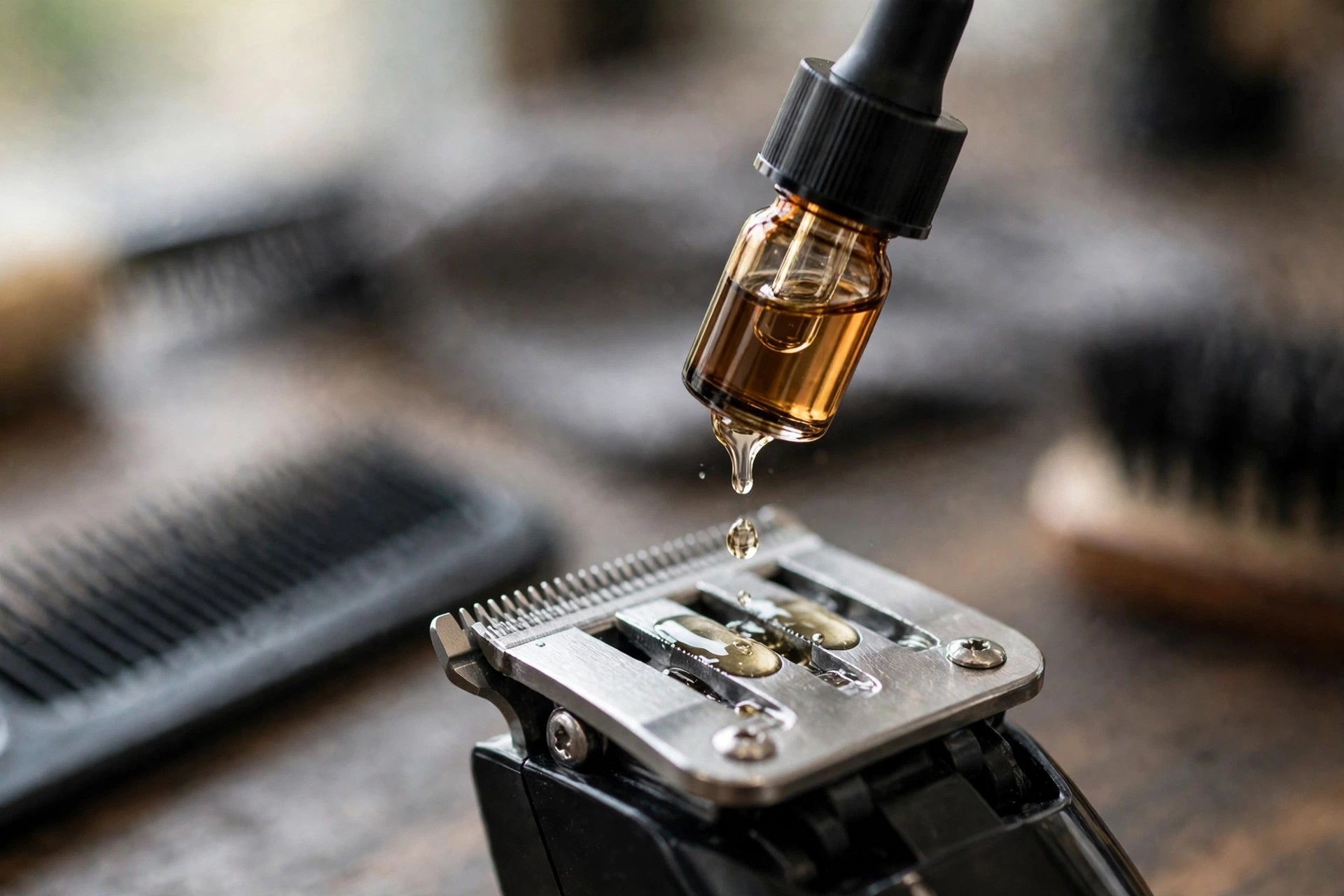
Regular oiling clearly extends the blade lifespan. Oil lubricates blades and reduces friction constantly. Lower friction prevents blades wearing out quickly. A few minutes saves frequent blade replacements. Our blade lifespan guide explains how long blades last.
Properly lubricated blades ensure smooth operation always. Oiled blades move freely without any resistance. Oil forms a protective layer between surfaces. Blades glide effortlessly through the hair then. That glide produces precise and uniform cuts.
Oiling also prevents rust and corrosion effectively. Metal blades meet moisture during grooming sessions. Hair clippings and contaminants add further exposure. Rust harms performance and compromises blade hygiene. A thin oil layer blocks that moisture.
Clean, lubricated blades maintain cutting efficiency easily. Oil removes debris and hair particle buildup. That prevents clogging during longer grooming sessions. Every trim stays efficient and saves effort. Our hedge blade oiling guide covers oiling larger garden blades.
How Often Should You Oil Your Blades
Daily users oil before and after use. Frequent oiling reduces friction and heat buildup. That habit stops blades dulling or overheating. Occasional users can oil weekly or monthly. That schedule still prevents rust and corrosion.
Use frequency drives the oiling schedule most. Humid or wet environments accelerate oiling needs. Extreme temperatures also promote rust on blades. Different trimmers use different blade designs though. Our Panasonic oiling guide shows one brand-specific oiling routine.
Signs That Your Blades Need Oil
Reduced cutting performance signals oil is needed. Pulling or snagging hair points the same. Increased heat during operation signals dry blades. Unusual noises also indicate friction is rising.
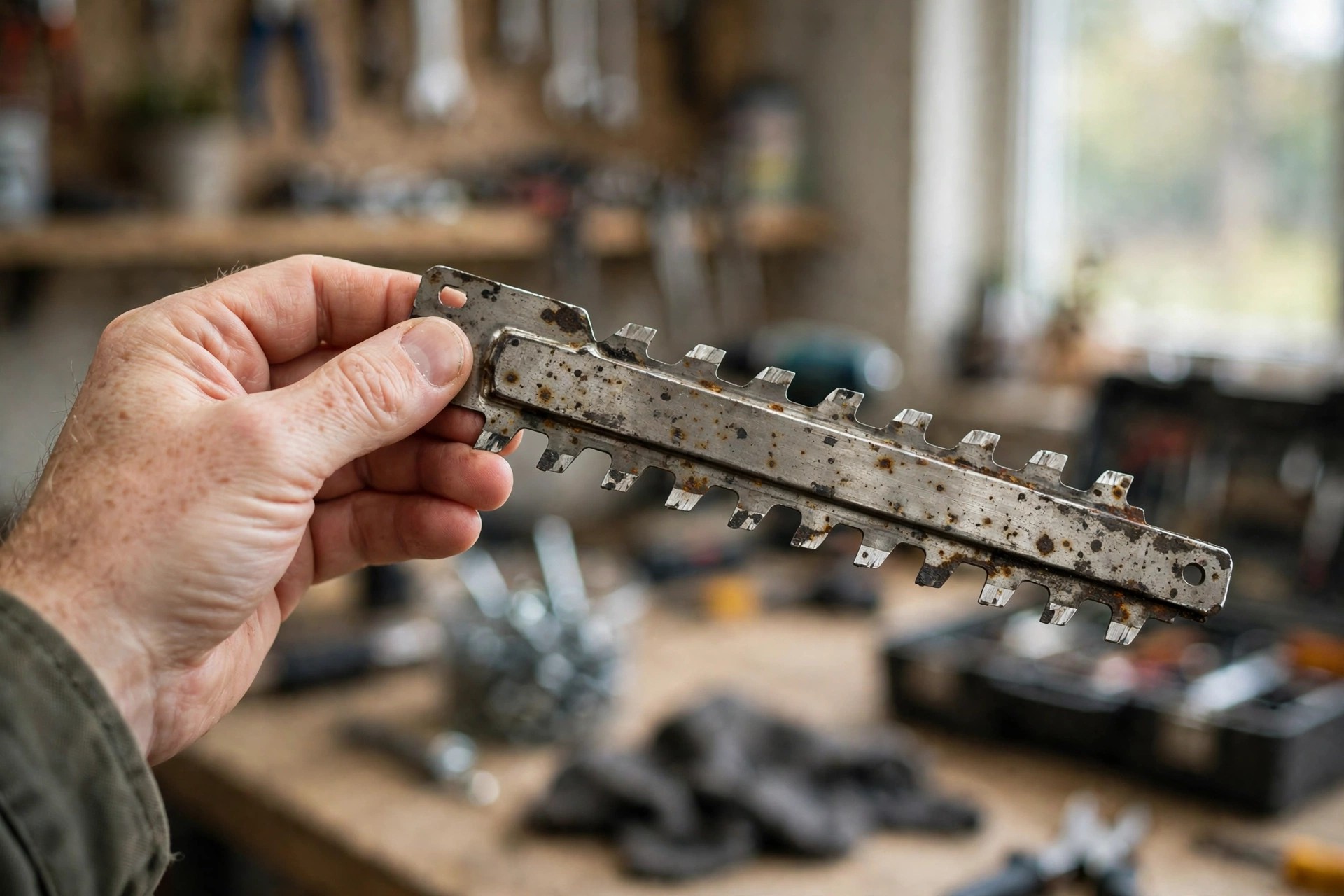
Visible rust demands immediate cleaning and oiling. Regular oiling prevents rust from forming first. It also maintains the blades overall integrity. Our rust removal guide rescues blades with existing rust.
Step-by-Step Guide to Oiling Blades
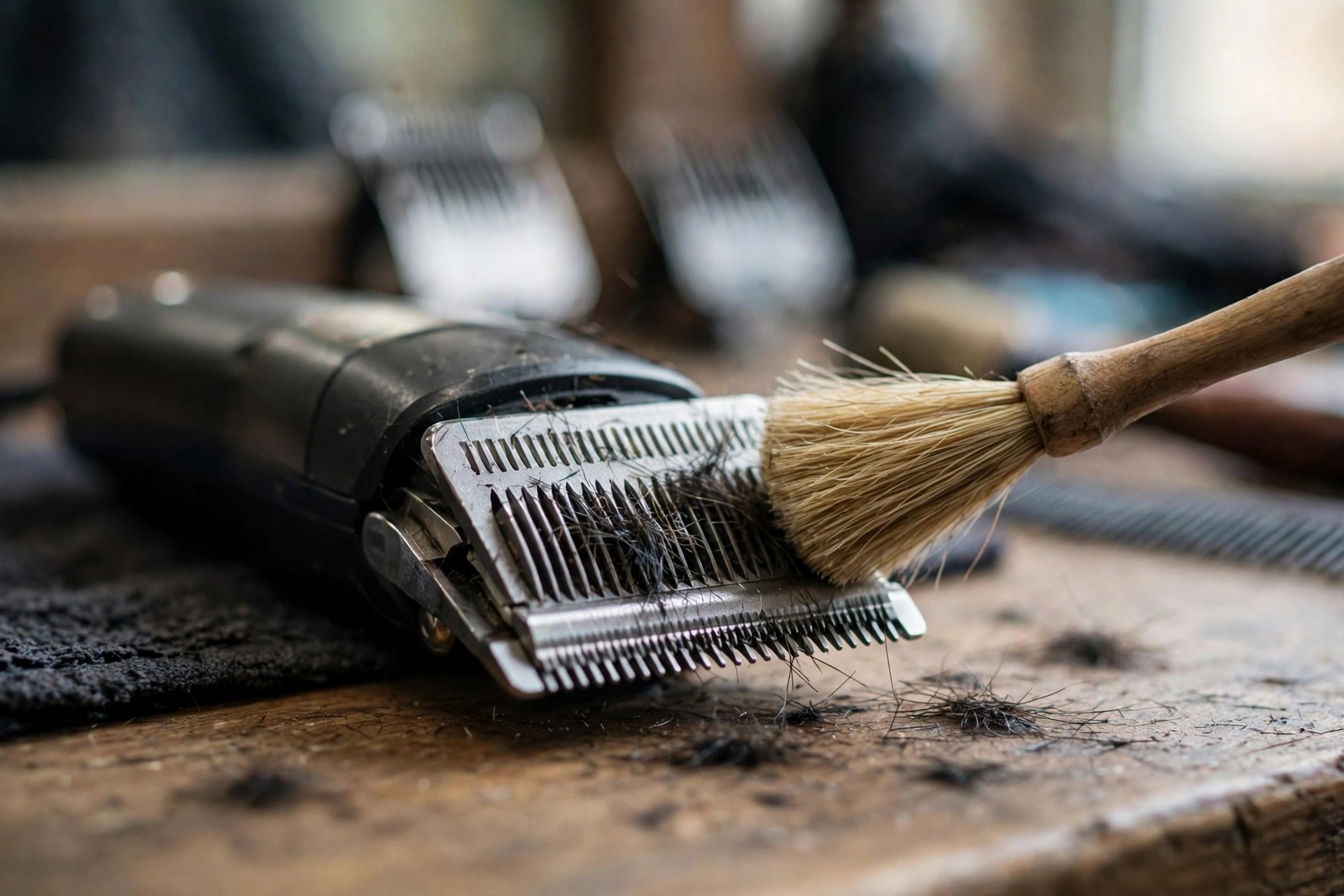
Clean the blades thoroughly before applying oil. Use a soft brush or clean cloth. Remove hair clippings, dirt, and debris completely. Residue can interfere with the oiling process.
Choose a high-quality clipper oil or lubricant. Apply a few drops onto the blades. Focus on teeth, edges, and pivot points. Hold the trimmer upright, blades facing up. Avoid overdoing it with excess oil though.
Let the oil penetrate for a few seconds. Wipe off excess oil with clean cloth. Excess oil attracts dust and debris buildup. Only the necessary amount should remain behind. Our clipper oiling guide demonstrates the same oiling routine.

Recommended Oils for Trimmer Blades
The right oil provides sufficient lubrication always. It should minimize friction and heat generation. Medium viscosity spreads without dripping excessively anywhere. Rust-prevention properties safeguard blades from moisture damage.
| Oil Brand | Features |
|---|---|
| Wahl Premium Hair Clipper Blade Lubricating Oil | Made for Wahl clippers and trimmers; prevents rust |
| Andis Clipper Oil | Suits all Andis clippers and trimmers; cools blades |
| Oster Blade Oil | Industry favorite for all clippers; prolongs blade life |

Wahl, Andis, and Oster lead popular choices. Each brand formulates oil for clipper blades. Research options against your specific trimmer requirements. The right oil keeps blades performing optimally.
Additional Tips for Blade Maintenance
Store the trimmer somewhere safe and clean. Always disconnect it from power before storing. Clean the blades thoroughly before storing them. A protective cover prevents accidental blade damage. Dry, dust-free areas prevent rust from forming.
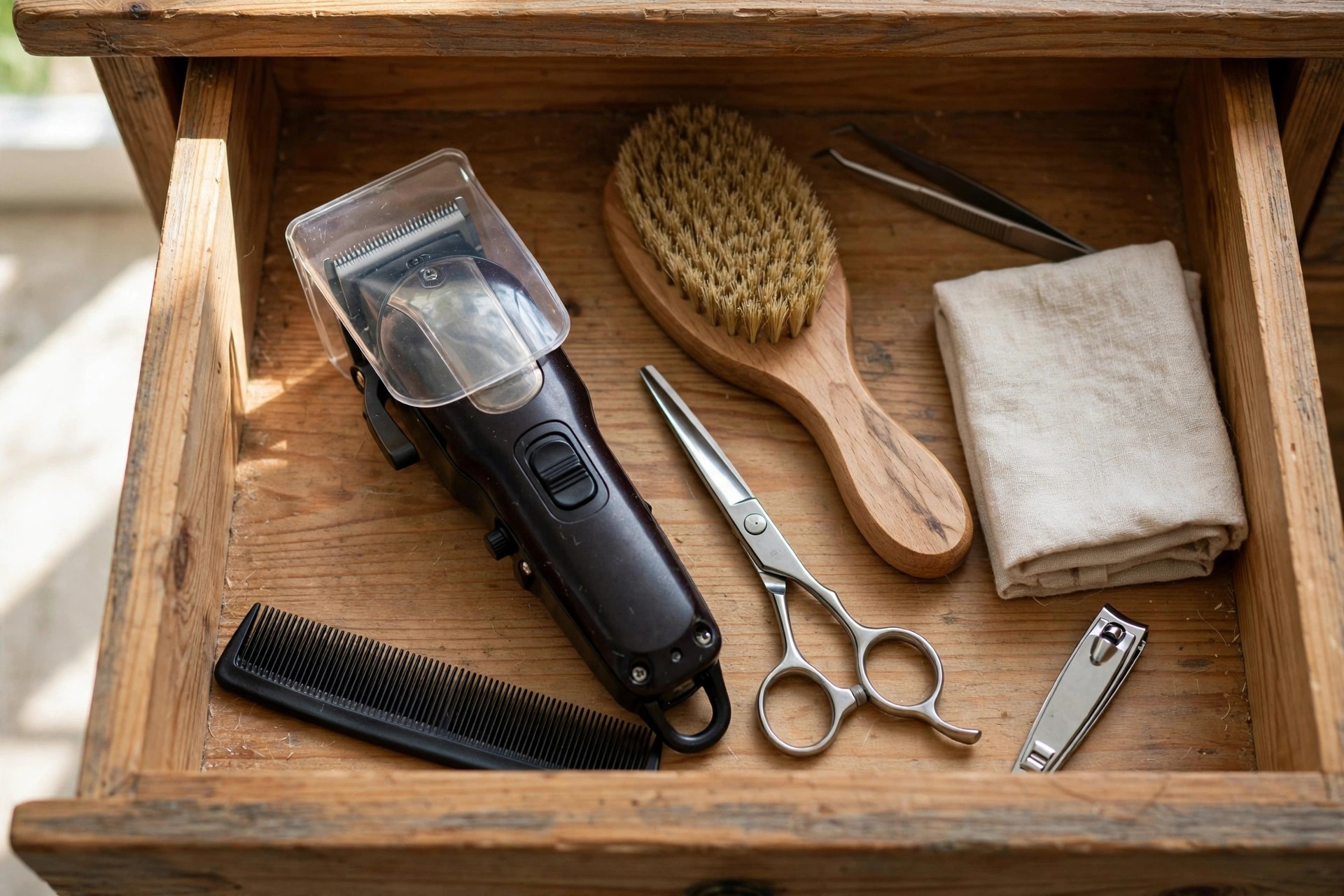
Brush hair from between the blade teeth. Inspect blades for rust or dent damage. Replace damaged blades to protect trimmer performance. Wipe blades clean with a cloth afterward. Misaligned blades need the manufacturer instructions again.
Dull blades eventually need sharpening for performance. Disconnect power and remove the blades first. Use a sharpening stone or file gently. Clean shavings away, reassemble, and oil again. Our blade sharpening guide walks through sharpening dull blades safely.
Frequently Asked Questions
Do you need to oil trimmer blades?
Yes, you need to oil trimmer blades. Oiling reduces friction and corrosion on blades. It also enhances the cutting performance noticeably. Without oil, blades damage, rattle, and cut poorly.
What happens if I do not oil my clippers?
Friction builds quickly during use without lubrication. The blades may rattle during every cut. Cutting grows less smooth over time too. Eventually the blades can seize up completely.
Why do blades need oil?
Blades need oil to reduce friction directly. Oil also helps prevent corrosion on metal. It reduces resistance between the blade surfaces. That keeps cutting smooth, efficient, and safe.
Why do you lubricate clippers?
Lubrication reduces friction and prevents clipper damage. Friction creates heat and wears blades down. That wear leads to poor cutting performance. Oiling also prevents corrosion between grooming sessions.
How often should you oil trimmer blades?
Daily users should oil before and after. That means oiling around every single use. Occasional users can follow weekly or monthly schedules. Your trimmer manual gives the exact guidance.
A few minutes of oiling protects performance. It also protects the working blade lifespan. Make oiling part of every maintenance routine.
Conclusion: Why Oiling Trimmer Blades
So, why oiling trimmer blades matters is now clear. Regular oiling ensures smooth, efficient cutting for every grooming session. It reduces friction between blades and prevents corrosion from forming. Neglect instead brings heat, rattling, and even complete malfunction.
Well-lubricated blades improve functionality and deliver more professional-looking trims. They also save you from the hassle of damaged equipment. Build regular oiling into your trimmer maintenance routine today. Your trimmer will reward that simple care for years.