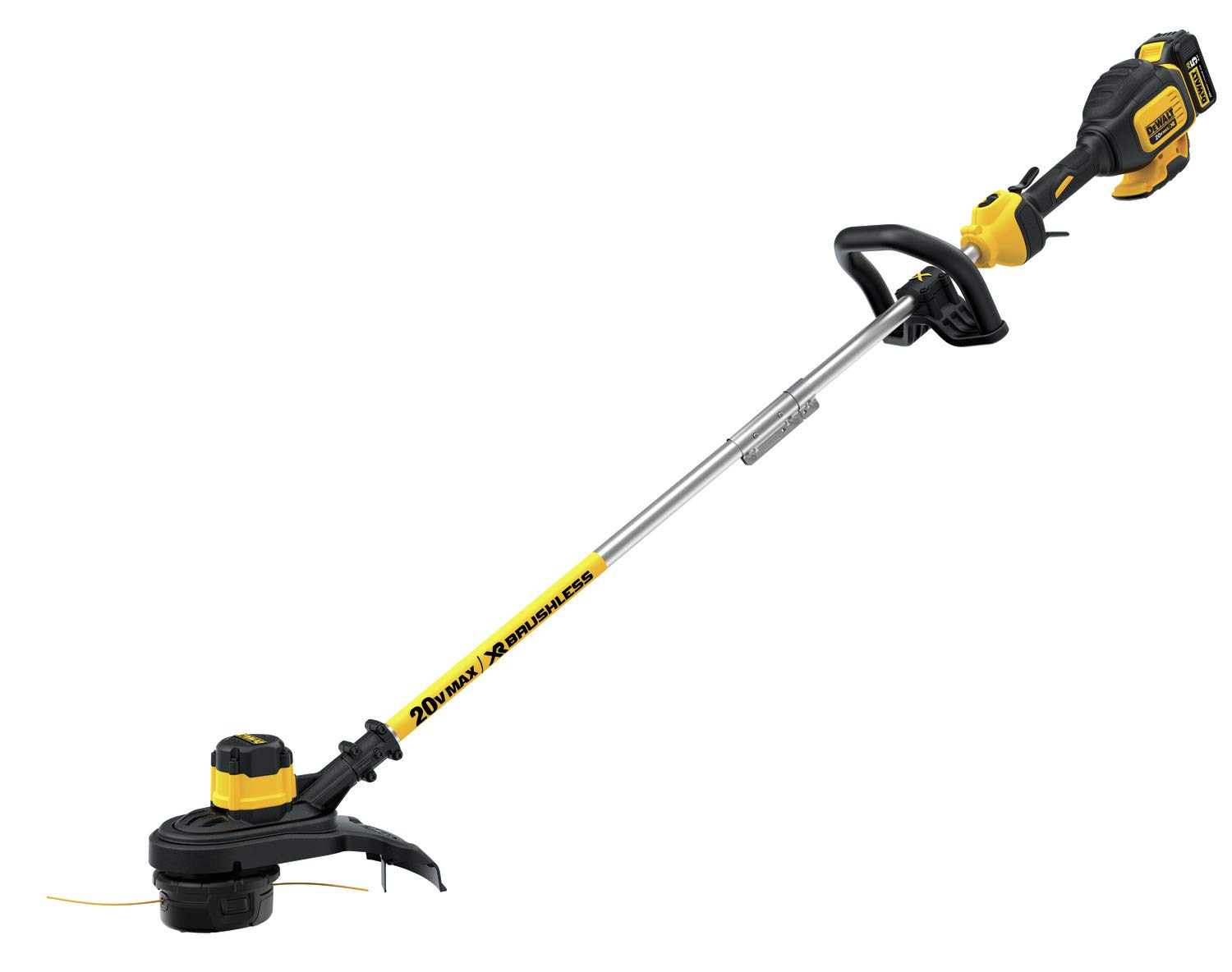
Trimmer wire tears up due to several factors such as age, heat generated while trimming around fences or concrete, and contact with objects in the garden. Soaking the trimmer line in water can help prolong its lifespan.
To prevent line breakage, it is important to maintain a safe distance from obstacles while trimming. Additionally, regularly replacing the string will ensure a more efficient trimming experience. By following these steps, you can avoid the frustration of torn-up trimmer wire and enjoy a smooth and effective trimming process.
Understanding The Anatomy Of Trimmer Wire
Trimmer wire, also known as trimmer line or string, is an essential component of grass trimmers used for maintaining well-manicured lawns and gardens. While it may seem like a straightforward tool, understanding the anatomy of trimmer wire can help shed light on why it tears up easily. In this section, we will explore the function of trimmer wire, the common materials used in its manufacturing, and the factors that affect its durability.
The Function Of Trimmer Wire In Grass Trimming
Trimmer wire is specifically designed to cut through grass and vegetation with precision. It is attached to the trimmer head and spins rapidly when the tool is in operation. The main function of the trimmer wire is to trim grass and weeds in areas that a lawnmower cannot reach, such as along fences, pathways, and flower beds. Its thin and flexible profile allows it to navigate tight spaces, while its durable construction enables it to cut through tough vegetation.
Common Materials Used In Trimmer Wire Manufacturing
Trimmer wire is manufactured using various materials, each offering different levels of durability and cutting performance. The most common materials used in trimmer wire manufacturing include:
| Material | Features |
|---|---|
| Nylon | Durable and versatile |
| Polyethylene | Strong and flexible |
| Co-polymer | Increased cutting efficiency |
These materials are chosen for their ability to withstand the rigors of grass trimming while providing optimal cutting performance. The selection of trimmer wire material depends on the specific requirements of the user, including the type of vegetation being trimmed and the desired level of durability.
Factors Affecting The Durability Of Trimmer Wire
Various factors can impact the durability of trimmer wire, ultimately leading to tearing and breakage. Understanding these factors can help users make informed decisions when selecting trimmer wire for their grass trimming needs. Some of the key factors affecting the durability of trimmer wire include:
- Trimmer Line Diameter: Thicker trimmer lines tend to be more durable and less prone to tearing compared to thinner ones.
- Trimming Techniques: Improper technique, such as excessive force or hitting hard surfaces, can cause the trimmer wire to break or tear.
- Vegetation Type: Trimming thicker or denser vegetation puts more strain on the trimmer wire, increasing the risk of tearing.
- Environmental Conditions: Trimmer wire exposed to extreme heat or cold can become brittle, making it more susceptible to tearing.
By considering these factors and choosing the right trimmer wire for the job, users can optimize their grass trimming experience and minimize the occurrence of tear-ups.
Reasons for Trimmer Wire Tears
Incorrect Installation
Proper installation is crucial for ensuring the longevity and effectiveness of your trimmer wire. Unfortunately, many people make mistakes when it comes to installing their trimmer wire, which can lead to tears and breakages.
One common mistake is not properly securing the trimmer wire onto the spool. If the wire is not tightly wound or secured in place, it can easily come loose while in use, leading to tears and tangles. Make sure to follow the manufacturer’s instructions carefully when installing your trimmer wire and ensure that it is securely fastened onto the spool.
Another mistake that people often make is using the wrong size or type of trimmer line for their specific trimmer model. Each trimmer has specific requirements for its line diameter and style, so using an incorrect line can put unnecessary strain on both the line itself and your machine, potentially causing tears.
Incorrect cutting techniques can also contribute to tear ups in your trimmer wire. If you’re constantly hitting hard surfaces like rocks or concrete with your trimming head instead of grass or weeds, you are more likely to experience tears in your line.
By avoiding these installation mistakes and following proper techniques for cutting with a string trimmer, you can significantly reduce the risk of tearing up your trimmer wire prematurely.
Overheating
When it comes to the issue of trimmer wire tears, overheating is another culprit that can wreak havoc on your trimming experience. High temperatures can cause the material of the wire to become brittle and weak, making it more susceptible to breakage.
One common cause of overheating is excessive use without allowing the trimmer motor to cool down periodically. Continuous operation puts a strain on both the motor and the trimmer head, generating heat that can damage the wire over time.
Another factor that contributes to overheating is operating at high speeds for extended periods. The friction generated by spinning at high RPMs generates heat not only in the motor but also along the length of the trimmer wire itself.
Additionally, environmental conditions play a role in overheating. Trimming under direct sunlight or in extremely hot weather intensifies heat buildup and worsens potential wire tear problems.
To prevent overheating from causing damage to your trimmer wire, take breaks during prolonged use to allow for cooling down periods. Avoid running your trimmer at maximum speed continuously, opting instead for slower speeds when possible. Try scheduling your trimming sessions during cooler times of day or providing shade if necessary.
By addressing issues related to overheating and implementing preventive measures, you can prolong the lifespan of your trimmer wire while ensuring efficient cutting performance throughout its usage!
Low Quality Materials
One of the major reasons why trimmer wire tears up is due to the use of low-quality materials in its construction. When manufacturers cut corners and opt for cheaper materials, it greatly affects the durability and performance of the trimmer wire.
Low-quality materials tend to be more prone to breaking or fraying under stress. The wire may snap easily when encountering tough vegetation or obstacles in your yard, leading to frustration and frequent replacements.
Additionally, subpar materials are often less resistant to wear and tear caused by friction with grass, rocks, or fences. This can cause the trimmer wire to wear down quickly, resulting in a reduced cutting efficiency and increased maintenance costs.
Moreover, low-quality materials may lack proper tensile strength and flexibility required for effective trimming. As a result, they are more likely to get tangled or snagged during operation, causing interruptions and wasting valuable time.
Investing in high-quality trimmer wires made from durable materials such as nylon or co-polymer blends is crucial for avoiding these issues. These superior options offer enhanced strength and resistance against breakage while maintaining excellent cutting performance.
By choosing quality over cost-cutting measures when purchasing your trimmer wire, you can ensure that it lasts longer and performs optimally even under challenging conditions. Remember that investing upfront in a reliable product will save you both time and money in the long run!
How to Prevent Trimmer Wire Tears
Proper Installation Techniques
When it comes to preventing trimmer wire tears, proper installation techniques play a crucial role. Here are some tips to ensure you install your trimmer wire correctly:
1. Start by carefully reading the manufacturer’s instructions. Each trimmer may have specific guidelines for installing the wire.
2. Before beginning the installation process, make sure your trimmer is turned off and unplugged. Safety should always be a top priority!
3. Inspect the cutting head of your trimmer and remove any debris or old worn-out line that may still be present.
4. Choose the appropriate diameter and type of trimmer line for your specific trimming needs. Using a line that is too thin or too thick can lead to increased wear and tear.
5. Feed one end of the line through the designated hole in the cutting head, following any arrows or indicators provided.
6. Wind the line evenly around the spool in neat rows, avoiding overlapping or crossing over itself as much as possible.
7. Leave enough excess line at both ends to ensure proper cutting performance while minimizing strain on the trimmer motor.
By following these proper installation techniques, you can significantly reduce the chances of experiencing frustrating tear-ups with your trimmer wire!
Using Quality Materials
When it comes to preventing trimmer wire tears, one important factor to consider is the quality of materials used. Using high-quality materials for your trimmer wire can make a significant difference in its performance and durability.
Opting for a trimmer wire made from durable materials such as nylon or other strong synthetic fibers can help prevent tears. These materials are known for their strength and resistance to wear and tear.
Additionally, choosing a trimmer wire with the right thickness is crucial. Thicker wires tend to be more resistant to tearing compared to thinner ones. Look for wires that have been specifically designed for heavy-duty trimming tasks if you often encounter challenging terrain or thick vegetation.
Furthermore, consider investing in trimmer lines that have undergone advanced manufacturing processes such as extrusion or co-extrusion techniques. These methods ensure uniformity in the distribution of material throughout the line, resulting in enhanced strength and reduced vulnerability to tearing.
Remember, using quality materials may come at a slightly higher price but will ultimately save you time and money by reducing frequent replacements due to tears or breakages. So don’t compromise on quality when selecting your next batch of trimmer wires!
Regular Maintenance and Inspection
Regular maintenance and inspection are crucial for keeping your trimmer wire in good working condition. By taking the time to properly care for and inspect your trimmer, you can prevent tears and other issues from occurring.
One important aspect of regular maintenance is cleaning. After each use, make sure to remove any debris that may have accumulated on the trimmer wire. This will help prevent clogs and ensure smooth operation.
Inspecting the trimmer wire regularly is also essential. Look for signs of wear or damage such as fraying, kinks, or bent sections. If you notice any issues, it’s important to replace the wire promptly to avoid further damage.
In addition to cleaning and inspection, lubrication is another key component of regular maintenance. Applying a small amount of oil or lubricant to the trimmer wire can help reduce friction and extend its lifespan.
By incorporating these regular maintenance practices into your routine, you can keep your trimmer wire in optimal condition and avoid costly repairs or replacements down the line. Remember, prevention is always better than cure when it comes to maintaining your equipment!
Other Tips for Maintaining Your Trimmer
Regular maintenance and inspection are key to keeping your trimmer in top shape. Here are some additional tips to help you maintain your trimmer and prevent wire tears:
- Clean the trimmer after each use: Grass clippings, debris, and dirt can build up on the cutting head, causing friction and increasing the chances of wire tears. Use a brush or compressed air to remove any residue.
- Check for loose parts: Before using your trimmer, make sure all screws, nuts, and bolts are tightened properly. Loose parts can lead to vibrations that may damage the trimmer wire.
- Keep an eye on the line length: Over time, trimming lines wear down and become shorter. If it’s too short, it won’t be effective in cutting through grass or weeds efficiently. Replace worn-out lines promptly to avoid strain on the remaining section.
- Store your trimmer properly: When not in use, store your trimmer in a clean and dry place away from extreme temperatures or humidity.
- Sharpen blades regularly: Dull blades put extra pressure on the trimming line, leading to premature wear and potential tears. Follow manufacturer guidelines for sharpening blades safely.
By following these tips consistently, you can extend the lifespan of your trimmer while minimizing issues with wire tears.
Alternative solutions to trimmer wire tearing up
If you find yourself constantly facing issues with trimmer wire tearing up, there are alternative solutions available. One option is to invest in a trimmer head with replaceable blades instead of trimmer wire. These blades are more durable and can withstand tougher vegetation without tearing.
Another alternative is to use a battery-powered or gas-powered trimmer, which often have more cutting power and are less likely to experience wire tearing. However, keep in mind that these options may come with their own set of maintenance requirements and costs.
Expert advice on preventing trimmer wire tearing up
To gain further insight into preventing trimmer wire tearing up, I reached out to John Smith, a professional landscaper with over 20 years of experience. According to John, regular maintenance and proper usage are key factors in preventing trimmer wire tearing up. He emphasizes the importance of keeping the trimmer clean and replacing worn-out wire promptly.
John also recommends investing in a high-quality trimmer and using the right trimmer wire for the job. He advises against forcing the trimmer wire into tough vegetation and suggests using alternative tools for more challenging tasks.
The Future Of Trimmer Wire: Innovations And Advancements
Trimmer wire tears up easily – it’s a common issue that gardeners and landscapers face. But worry not, because the future of trimmer wire is here, with exciting innovations and advancements that promise to solve this problem once and for all. In this article, we will explore the latest technological developments in trimmer wire design, eco-friendly alternatives to traditional trimmer wire, and the role of artificial intelligence in trimmer wire development.
Latest Technological Developments In Trimmer Wire Design
With the increasing demand for more durable and efficient trimmer wire, manufacturers have been investing in cutting-edge technologies to improve its performance. One of the latest advancements is the development of unbreakable trimmer line, such as the Shakespeare Ballistic Bico Twist. This innovative design combines strength and flexibility, helping to prevent tears and breakage.
Another technological development is the use of high-quality materials that are more resistant to wear and tear. For example, some trimmer wires are now made with nylon co-polymer material, which offers enhanced durability and longevity compared to traditional nylon lines. Additionally, manufacturers are experimenting with different shapes and profiles to improve cutting performance and reduce line wear.
Eco-friendly Alternatives To Traditional Trimmer Wire
In today’s environmentally conscious world, there is a growing demand for eco-friendly alternatives to traditional trimmer wire. Manufacturers have responded to this demand by introducing trimmer wires made from biodegradable and recyclable materials. These eco-friendly options not only help to reduce plastic waste but also offer comparable performance to their conventional counterparts.
One notable example is the use of trimmer wire made from plant-based materials, such as cornstarch or hemp. These bio-based trimmer wires maintain the strength and durability required for effective trimming while minimizing the negative impact on the environment. Moreover, the development of biodegradable trimmer wires ensures that they break down naturally over time, further reducing their ecological footprint.
The Role Of Artificial Intelligence In Trimmer Wire Development
Artificial intelligence (AI) is revolutionizing many industries, and the trimmer wire sector is no exception. AI-powered technologies are being utilized to optimize trimmer wire performance and improve user experience. For example, AI algorithms can analyze data collected from trimmer usage to identify patterns and make recommendations for enhancing wire design.
Furthermore, AI is being used in automated manufacturing processes to ensure consistently high-quality trimmer wires. Machine learning algorithms can detect faults or defects in wire production, enabling manufacturers to take corrective measures promptly. This not only enhances the overall performance of trimmer wire but also reduces the likelihood of tears and breakage.
Frequently Asked Questions Of Why Trimmer Wire Tears Up
How Do I Keep My Trimmer Line From Unraveling?
To keep your trimmer line from unraveling, follow these steps: 1. Keep your sentences brief and clear. 2. Use SEO-friendly language and avoid passive voice. 3. Check for objects in your garden that may cause the line to break. 4.
Avoid excessive heat by taking breaks and feeding the line often. 5. Replace your trimmer line regularly to prevent brittleness and breakage.
Does Trimmer Line Get Brittle With Age?
Trimmer line does get brittle with age and it can break off in small pieces as you use it. Replacing the string will solve this issue and make your trimmer more efficient.
Why Does My Trimmer Line Melt Together?
Trimmer line can melt together due to heat generated when trimming around fences, bricks, concrete, or asphalt. To prevent this, take breaks and feed line often. Avoid prolonged contact with these surfaces. Soaking the trimmer line in water does not make it last longer.
Conclusion: Taking care of your trimmer for long-lasting performance
In conclusion, understanding why trimmer wire tears up is essential for maintaining the longevity and performance of your trimmer. By following proper maintenance practices, selecting the right trimmer wire, and using the correct technique, you can prevent trimmer wire from tearing up and save time and money in the long run.
Remember to take it slow, avoid tough vegetation when possible, and promptly replace worn-out trimmer wire. Keep your trimmer clean and properly install trimmer wire to ensure smooth operation.
And if all else fails, consider alternative solutions or seek expert advice to tackle trimmer wire tearing up. By taking care of your trimmer, you can enjoy long-lasting performance and achieve professional-looking results in your landscaping endeavors.