Have you ever looked at your yard and thought, “Why does this trimmer throw trash at me?” Well, you’re not alone. Trimmers are a necessary tool for keeping your lawn looking neat and tidy, but they can also create quite a mess in the process.
In this blog post, we’ll explore why trimmers tend to throw debris around and offer some tips on how to minimize the mess. So grab your gloves and let’s dive into the world of trimmers and their trash-throwing tendencies.
The Environmental Impact Of Trimmer Waste
Trimmer waste poses a significant environmental impact, with millions of miles of trimmer line used annually, resulting in plastic pollution in soil and waterways. This persistent pollution harms ecosystems and threatens marine life.
Trimmer Waste And Its Impact On The Environment
Trimmer waste, which is generated from the maintenance and landscaping industry, has a significant impact on the environment. This waste includes grass clippings, leaves, branches, and other green waste that is discarded after trimming and pruning activities. When left unmanaged, trimmer waste can contribute to various environmental issues.
The Importance Of Recycling And Reusing Trimmer Waste
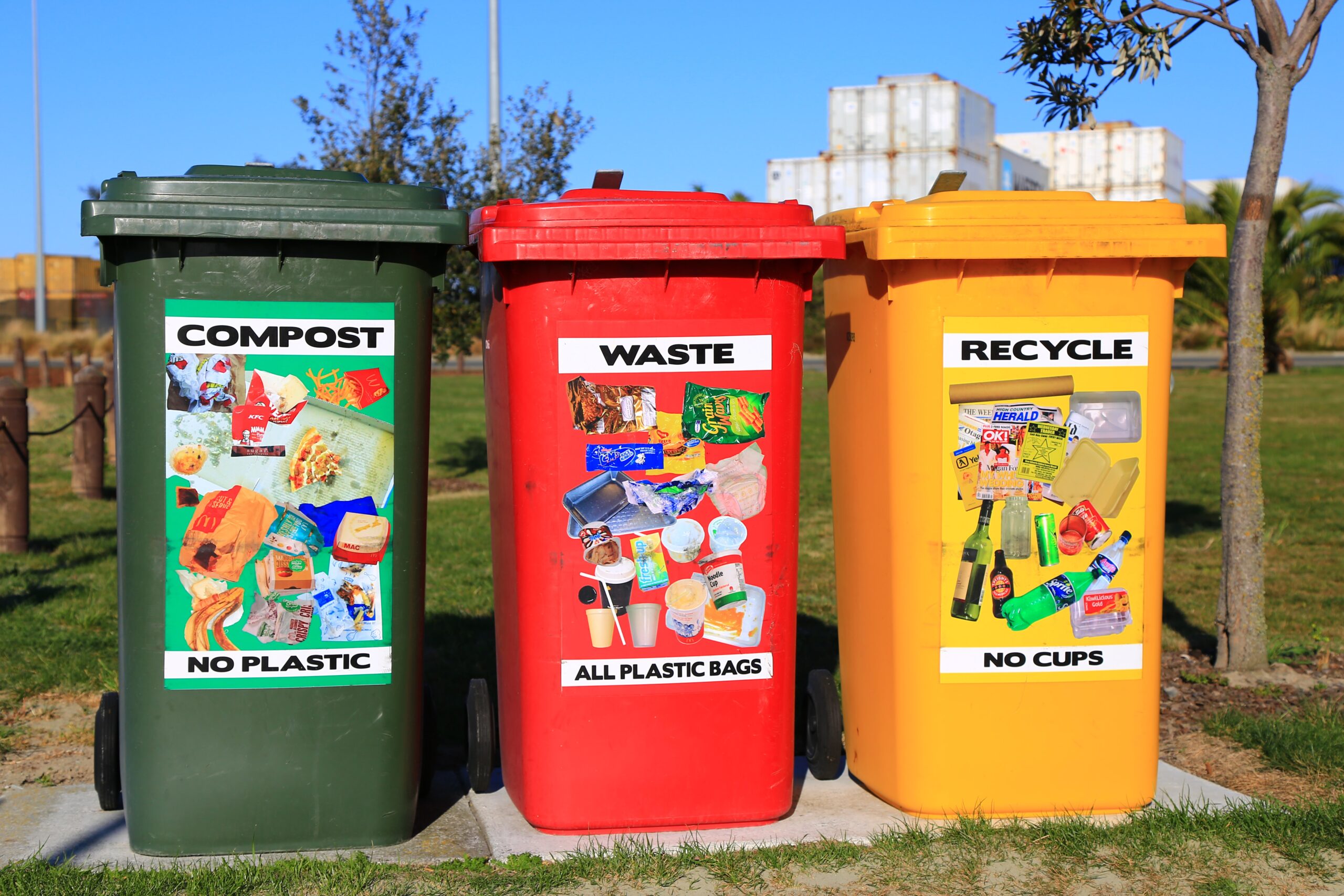
It is crucial to recycle and reuse trimmer waste for several reasons. By doing so, we can minimize the negative impact of trimmer waste on the environment and create a more sustainable approach to landscaping and gardening practices.
Reducing Landfill Waste
When trimmer waste is disposed of in landfills, it contributes to the growing problem of overflowing waste sites. These waste sites emit harmful greenhouse gases, such as methane, which contribute to climate change. Recycling and reusing trimmer waste help reduce the amount of waste sent to landfills and mitigate these harmful emissions.
Promoting Soil Health And Fertility
Recycling trimmer waste through composting can provide numerous benefits to soil health and fertility. When trimmer waste is composted, it breaks down into nutrient-rich organic matter, which can be used as a natural fertilizer. This helps improve soil structure, retain moisture, and promote healthy plant growth.
Conserving Water Resources
By recycling trimmer waste and using it as mulch, gardeners and landscapers can help conserve water resources. Trimmer waste, when used as mulch around plants, acts as a natural barrier that retains moisture in the soil. This reduces the need for frequent watering, resulting in water conservation.
Supporting Biodiversity
Recycling trimmer waste in environmentally friendly ways can promote biodiversity. By turning trimmer waste into mulch or compost, it creates a suitable habitat and food source for beneficial insects, worms, and microorganisms. This, in turn, attracts pollinators and other wildlife, contributing to a more diverse and vibrant ecosystem.
Recycling and reusing trimmer waste are essential steps we can take to minimize its environmental impact. By diverting trimmer waste from landfills and utilizing it for compost or mulch, we can reduce greenhouse gas emissions, improve soil health, conserve water resources, and support biodiversity. Implementing these practices can pave the way for a more sustainable and eco-friendly approach in the landscaping and gardening industry.
Recycling Options For Trimmer Waste
Recycling options for trimmer waste are available to minimize environmental impact and promote sustainability. Proper disposal of trimmer waste helps reduce plastic pollution and protect the soil and waterways from contamination.
Recycling Centers That Accept Trimmer Waste
When it comes to disposing of trimmer waste, it is important to find recycling centers that accept this type of waste. Luckily, there are several options available in most areas. Recycling centers that accept trimmer waste are equipped to handle the proper disposal and recycling of trimmer components, ensuring that they are not sent to landfills. By recycling trimmer waste, you are participating in sustainable waste management practices and helping to protect the environment.
Some recycling centers that accept trimmer waste include:
- Local municipal recycling centers
- Specialized recycling facilities for garden equipment
- Home improvement stores with recycling programs
How Trimmer Waste Is Processed And Repurposed
Once trimmer waste is collected at recycling centers, it undergoes a process of sorting, dismantling, and recycling. The components of the trimmer, such as the plastic housing, metal parts, and electrical components, are separated and processed individually.
The plastic housing is typically recycled by melting it down and molding it into new plastic products. Metal parts are often sent to metal recycling facilities, where they are melted and used to create new metal products. Electrical components, such as wires and motors, are usually recycled separately to recover valuable metals and prevent hazardous materials from entering the environment.
By recycling trimmer waste, valuable resources are conserved, reducing the need for raw materials and reducing the environmental impact of manufacturing new products.
Creative Reuse Ideas For Trimmer Waste
Transforming trimmer waste into valuable resources for creative and practical projects is a sustainable and eco-friendly approach for gardening and landscaping enthusiasts. Rather than discarding trimmer waste, consider repurposing it with these innovative ideas.
For creative DIY projects, use trimmer waste such as branches or twigs to make rustic garden decorations like planters or flower pots. Explore artistic possibilities by arranging and gluing together various trimmer waste shapes and sizes to craft unique sculptures or wall art. Provide a cozy home for birds by building a small birdhouse or feeder using trimmer waste as the main material. Construct a natural trellis or garden fence by utilizing sturdy trimmer waste branches to support plants while adding a rustic touch to your outdoor space.
In addition to DIY projects, there are practical ways to repurpose trimmer waste for gardening purposes. Use small trimmer waste branches as stakes to support young plants or delicate flowers, preventing bending or breaking. Shred and mulch trimmer waste leaves and green materials to create nutrient-rich compost for fertilizing your garden or potted plants. Employ trimmer waste as natural weed barriers by layering it around plants or flower beds to prevent unwanted weeds. Create a charming natural path or walkway by arranging trimmer waste branches and twigs in your garden or backyard.
By embracing these creative reuse ideas, you not only reduce waste and minimize environmental impact but also add unique and personal touches to your gardening and landscaping endeavors. Give your trimmer waste a new purpose and contribute to a more sustainable and aesthetically pleasing outdoor space.
Benefits Of Recycling And Reusing Trimmer Waste
Recycling and reusing trimmer waste has numerous benefits, including reducing environmental pollution, conserving resources, and promoting sustainability. By properly disposing of trimmer waste, we can minimize its negative impact on the environment and contribute to a healthier planet.
Recycling and reusing trimmer waste can have numerous positive impacts on the environment. By diverting trimmer waste from landfills, we can significantly reduce the amount of waste that ends up causing pollution and emitting harmful greenhouse gases. Additionally, recycling trimmer waste helps to conserve natural resources and reduce the need for new raw materials.
Aside from being a responsible environmental choice, recycling and reusing trimmer waste can also bring economic benefits. By recycling trimmer waste, we can create new job opportunities in the recycling industry, contributing to local economies. Moreover, reusing trimmer waste materials can help save on production costs for various industries, as recycled materials can often be transformed into new products with lower energy and resource requirements.
Table: Comparison Of Environmental And Economic Benefits
| Benefits | Environmental | Economic |
|---|---|---|
| Reduces landfill waste | ✓ | ✓ |
| Decreases greenhouse gas emissions | ✓ | ✓ |
| Conserves natural resources | ✓ | ✓ |
| Creates job opportunities | ✓ | |
| Reduces production costs | ✓ |
Recycling and reusing trimmer waste is not only beneficial for the environment but also for the economy. By actively participating in recycling programs and supporting businesses that incorporate recycled materials, we can contribute to a more sustainable and prosperous future for our planet.
Tips For Effective Trimmer Waste Management
Proper management of trimmer waste is essential for maintaining a clean and organized workspace. By following these tips, you can effectively dispose of and store trimmer waste while minimizing its generation:
Proper Disposal And Storage Of Trimmer Waste
When it comes to disposing of trimmer waste, it’s crucial to do it properly to prevent environmental pollution and ensure safety. Here are some best practices:
- Always wear protective gloves and eyewear when handling trimmer waste to avoid any potential injuries.
- Check local regulations and guidelines regarding trimmer waste disposal. Certain materials, like grass clippings, may be allowed in home compost bins while others, like yard waste containing pesticides or chemicals, may need to be taken to a specialized facility.
- Consider separating different types of trimmer waste for easier disposal. For example, collect grass clippings in one bag and tree trimmings in another.
- If you have a large volume of trimmer waste, explore local recycling options. Some facilities may accept yard waste and convert it into compost or mulch.
- When storing trimmer waste, use durable containers that are resistant to leaks and odors. Seal them tightly to prevent pests from accessing the waste and causing a mess.
- Label your trimmer waste containers clearly to avoid confusion and ensure proper disposal.
Best Practices For Reducing Trimmer Waste Generation
Reducing the amount of trimmer waste generated can have significant environmental and cost-saving benefits. Here are some effective strategies:
- Regularly maintain and sharpen your trimmer blades to ensure efficient cutting. Dull blades can result in rough cuts and the need for more frequent trimming.
- Practice proper trimming techniques to minimize the amount of foliage or grass being removed. Precision trimming can help achieve desired landscape aesthetics while reducing waste.
- Consider alternative methods, such as mulching or composting, for managing yard waste. Mulching grass clippings can provide valuable nutrients to the soil, while composting organic trimmings can be used as natural fertilizer.
- Plan your trimming schedule efficiently to avoid over-trimming areas and generating excessive waste.
- Regularly inspect and maintain your trimmer to ensure optimal performance. A well-maintained trimmer is more efficient and produces less waste.
By following these tips, you can effectively manage and minimize trimmer waste, contributing to a cleaner and greener environment. Remember to always prioritize safety and comply with local regulations when disposing of trimmer waste.

Credit: www.ocregister.com
Frequently Asked Questions Of Why Trimmer Throw Trash To Me
What Are The Hazards Of Trimmers?
The hazards of trimmers include kick out and cutter head damage if in contact with fences, wires, posts, or rocks. If the unit starts to shake or vibrate, shut it down immediately. Disconnect the spark plug wire before working on or leaving the unit unattended.
Be careful when refueling to avoid fuel spills on hot motor or exhaust.
Why Do I Go Through So Much Trimmer Line?
Overfeeding the trimmer line and tapping too often can cause excessive trimmer line usage. Only feed the line when needed to conserve string and avoid running out frequently.
Why Do Landscapers Take The Guard Off Trimmer?
Landscapers take the guard off the trimmer because it allows them to see the string better when they edge without the guard on. This helps them achieve more accurate and precise trimming results. Additionally, removing the guard can also make it easier to maneuver the trimmer in tight spaces.
Are String Trimmers Bad For The Environment?
String trimmers contribute to environmental pollution through the use of millions of miles of trimmer line per year in the US. This plastic particulate pollution contaminates soil, waterways, and oceans.
Conclusion
To sum it up, the decision to throw away a trimmer should not be taken lightly. While there are certain hazards associated with trimmers, such as kickouts and vibrations, proper safety precautions can minimize these risks. Moreover, wasting trimmer line can be avoided by feeding it only when necessary.
Additionally, the environmental impact of trimmers should be considered, as the plastic particulates from trimmer lines can pollute our soil and waterways. Ultimately, careful maintenance and responsible use of trimmers can prolong their lifespan and minimize their negative impact on the environment.