How Does Auto Feed Trimmer Work
An auto feed trimmer feeds line out on its own. A sensor in the head tracks line length at all times. The sensor lets more line out when it runs short. You keep trimming with no stops to fix the line. Line feeds out on its own. Sensors track the length. Short line gets topped up. Trimming runs with no stops. The head does the work. Hands stay on the job.
Bump feed heads work in a far more hands-on way. They let line out when you tap them on the ground. Auto feed suits long and large jobs well. It tends to use less line in all too. Non-stop trimming saves real time on big yards. Bump heads need a tap. Ground taps free the line. Long jobs suit auto feed. Less line gets used. Big yards save time. Non-stop work adds up.
This guide explains how the system works in plain steps. It sets both feed systems side by side. It also covers loading and fixing feed faults. Plain facts help you pick the right system. Steps stay plain here. Both systems get compared. Loading gets covered too. Fault fixes get covered. Right picks need plain facts. This guide gives them.
Quick answer: An auto feed trimmer releases line all by itself. A sensor inside gauges the current line length. More line feeds out whenever it runs short. The spinning head motion powers the release system. You trim continuously without bumping or stopping ever.
How Does Auto Feed Trimmer Work: The Short Answer
The quick table below mirrors the post itself. It sums up the answer and its terms. Later parts explain each point in full. Sums sit in the table. Terms sit there too. Full depth comes later. Each point gets its part. Post facts fill the sum. Feed terms lead it.
| Point | What the Post Says |
|---|---|
| How it works | A sensor gauges line length and releases more |
| Manual steps | None, the line feeds itself while trimming |
| Line use | Less line overall than manual feeding systems |
| Best for | Longer and larger trimming jobs at home |

The Wikipedia string trimmer page explains trimmer types in broad terms. Our trimmer line guide explains line choices in depth. The Wikipedia Black and Decker page covers one AFS maker. Three pages back the facts. Line picks get a guide. Types get broad cover. One maker gets a page. Line choices get depth there. Maker facts sit there too.
Inside the Auto Feed System
The system checks line length in the head. It lets more line out as the line runs short. The spin of the head drives the release on its own. No hand work or bumping is ever needed. Length checks run in the head. Short line gets more line. Spin drives the release. No bumps are needed. More line flows as it shortens. Hands stay off the head.
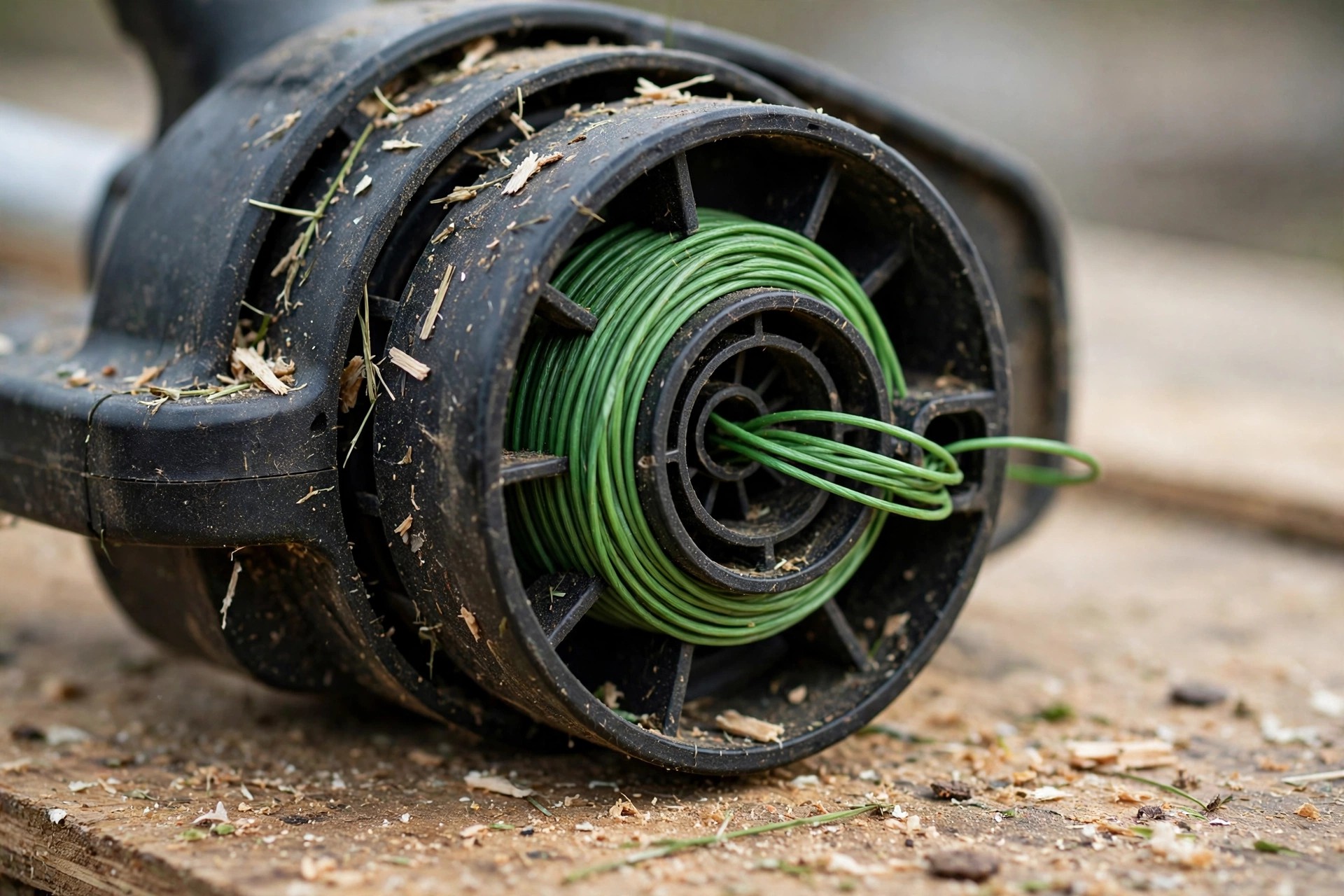
Black and Decker calls its system Automatic Feed Spool. The post shortens that name to AFS there. It promises smooth and fast trimming with no stops. Our line size guide explains correct line sizing in full. AFS is the short name. The full name is long. Smooth trims get promised. Sizing gets its own guide. No stops get promised. Right sizes get explained.
Bump Feed Versus Auto Feed Systems
Both systems feed line in far apart ways. Bump feed gives you direct say over release. Auto feed gives ease in long trimming work. The table below mirrors the post itself. Feed ways stand far apart. Bump gives direct say. Auto gives long-work ease. The table shows the post. Direct say suits some hands. Ease suits long work.
| System | What the Post Says |
|---|---|
| Bump-feed system | Requires manually tapping the head on the ground |
| Automatic-feed system | Releases more line based on internal gauging automatically |
| Bump-feed system | Best for jobs requiring lots of line |
| Automatic-feed system | Offers convenience for continuous trimming without manual feeding |
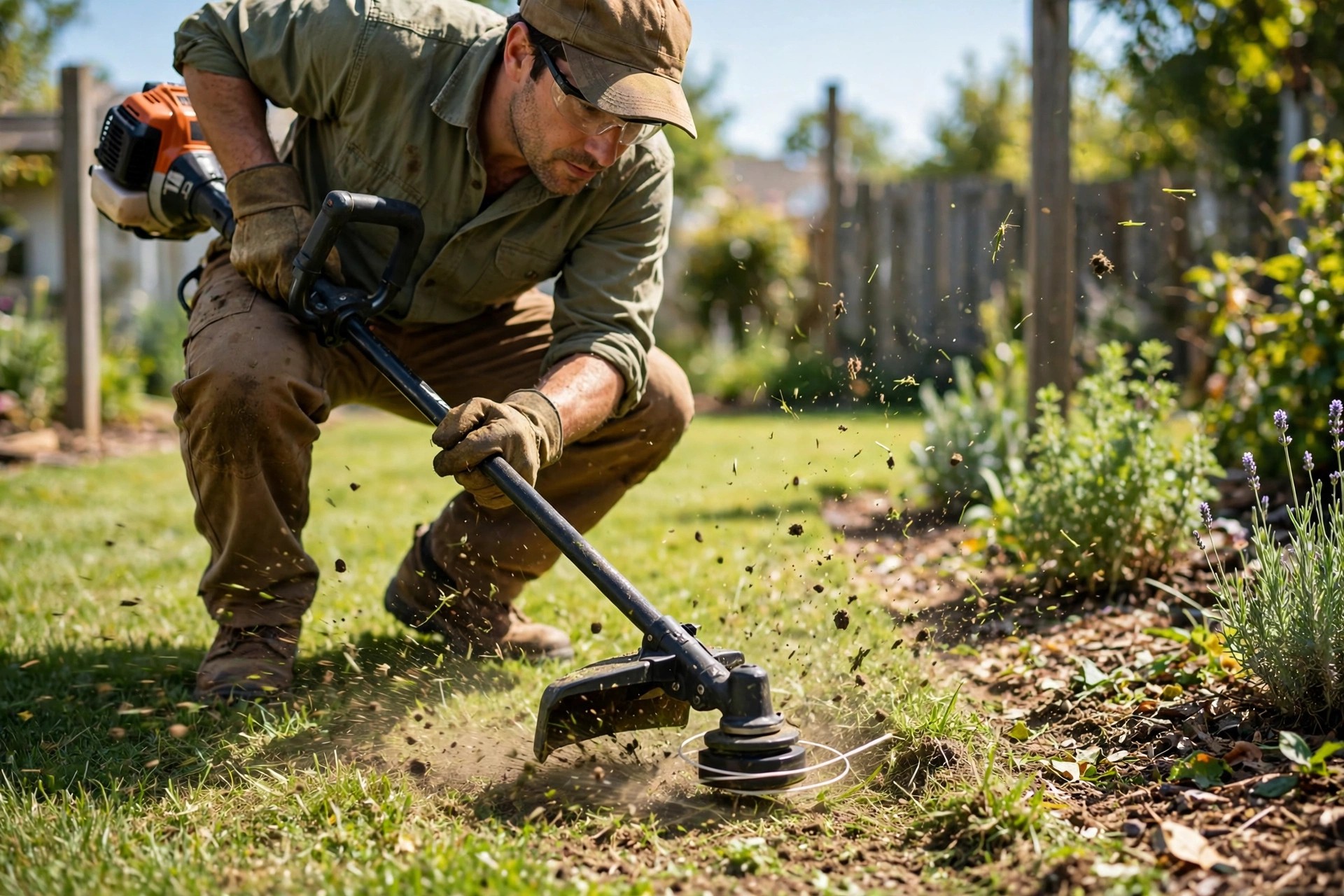
Please note: This post gives two views on bigger jobs. Some sections praise auto feed for larger jobs. Other sections recommend bump feed for lots of line. Both original points stay in place below here.
How to Load an Auto Feed Spool
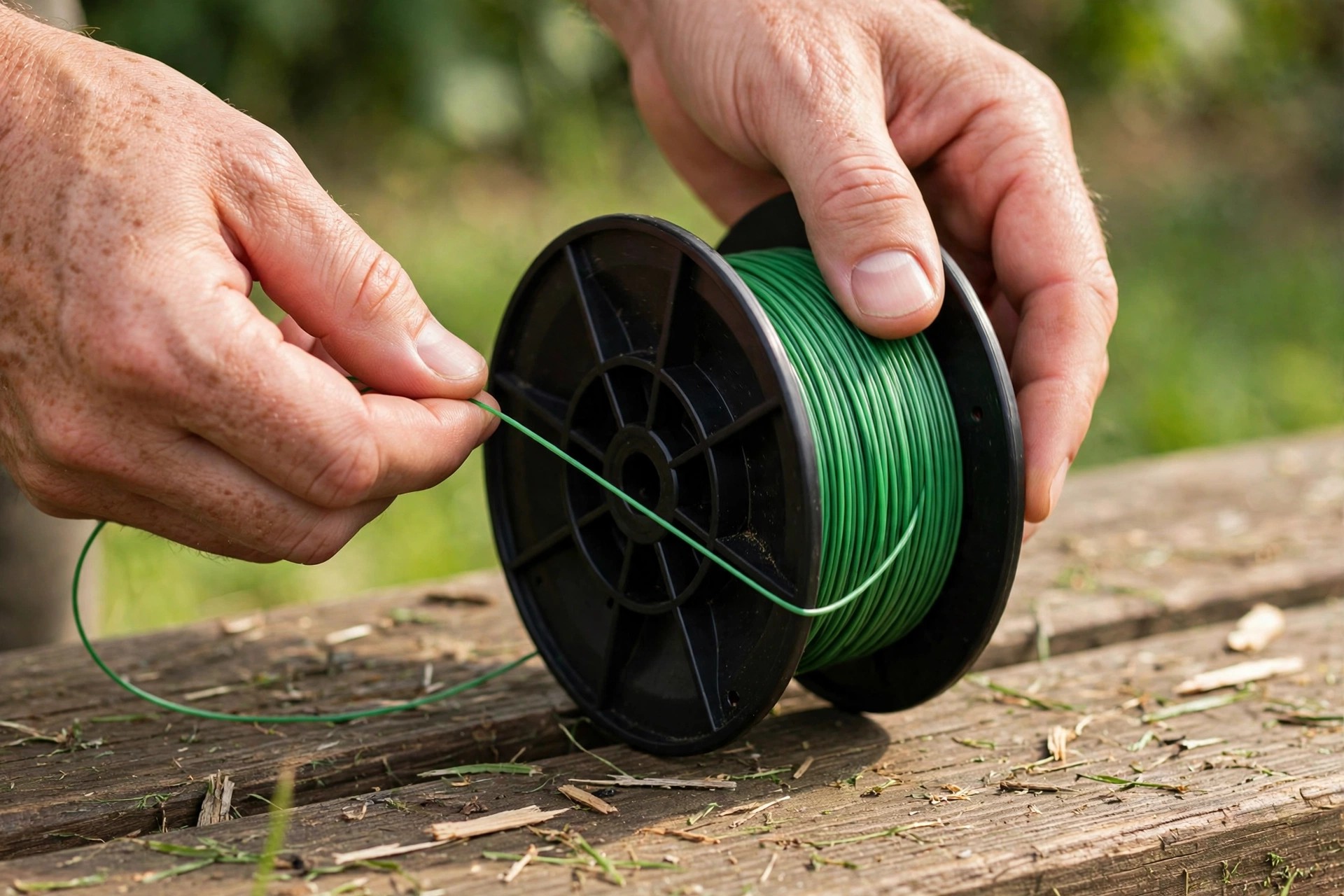
Buy the right spare spool for your model. Take the old spool out of the trimmer head. Push the new spool in till it clicks home. Feed line through the marked holes or notches. Right spools come first. Old spools come out. Clicks mark the fit. Holes guide the line. Marked holes take the line. Notches take it too.
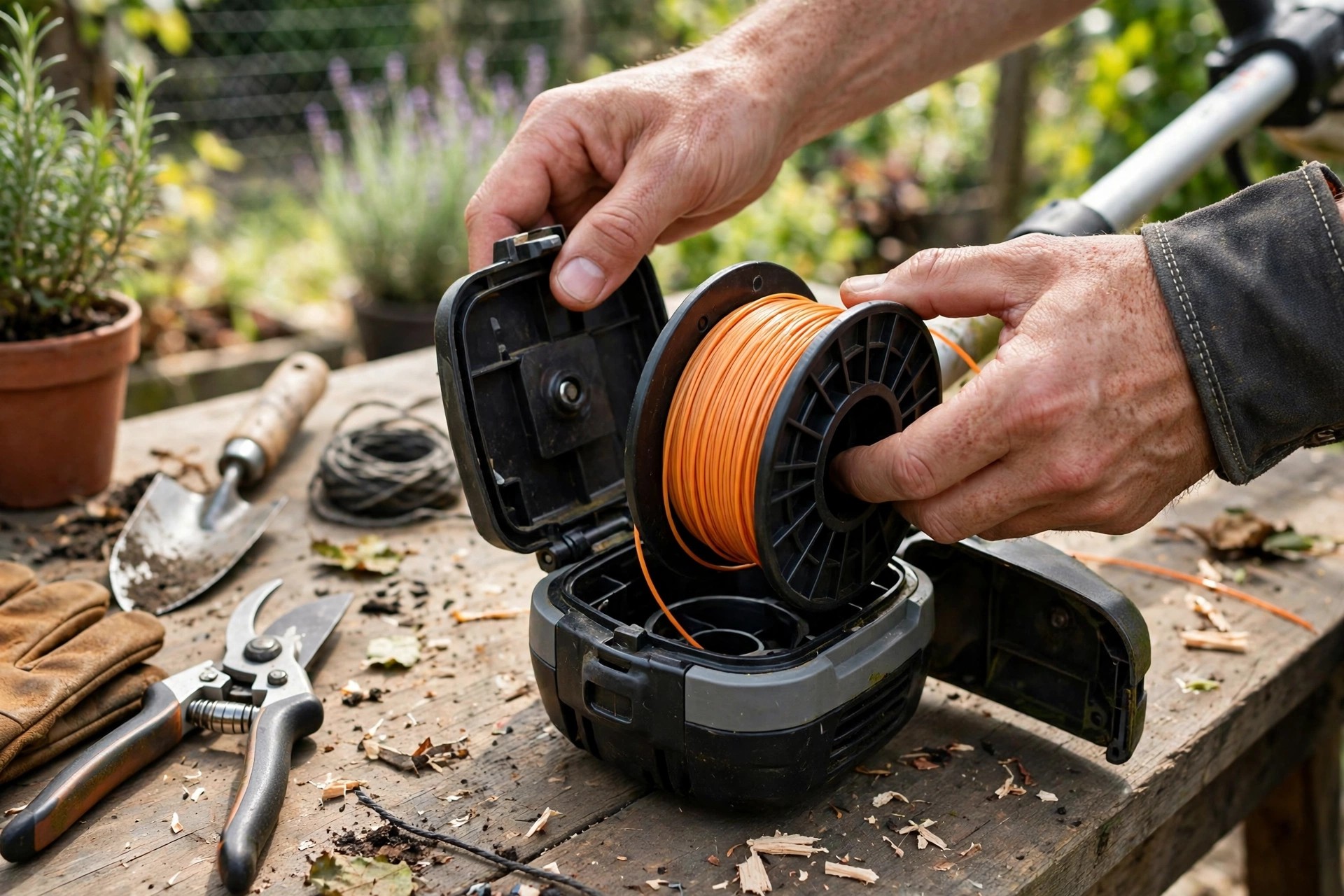
Wind the line in line with the arrow shown. Keep the line tight and spaced out evenly. Fit the head cover back and fix it firm. Start the trimmer and test the line feed. Arrows show the wind way. Tight lines space evenly. Covers go back firm. Tests check the feed. Even spacing guards the feed. Firm covers guard the spool.
Our line length guide explains how much line helps. Our thicker line guide compares line thickness choices well. Adjust the feed as needed after testing it. Length help sits in one guide. Thickness choice sits in one. Tests come before tweaks. Feeds adjust after tests. Much line helps by guide. Thick lines get compared.
Troubleshooting Line Loading Problems
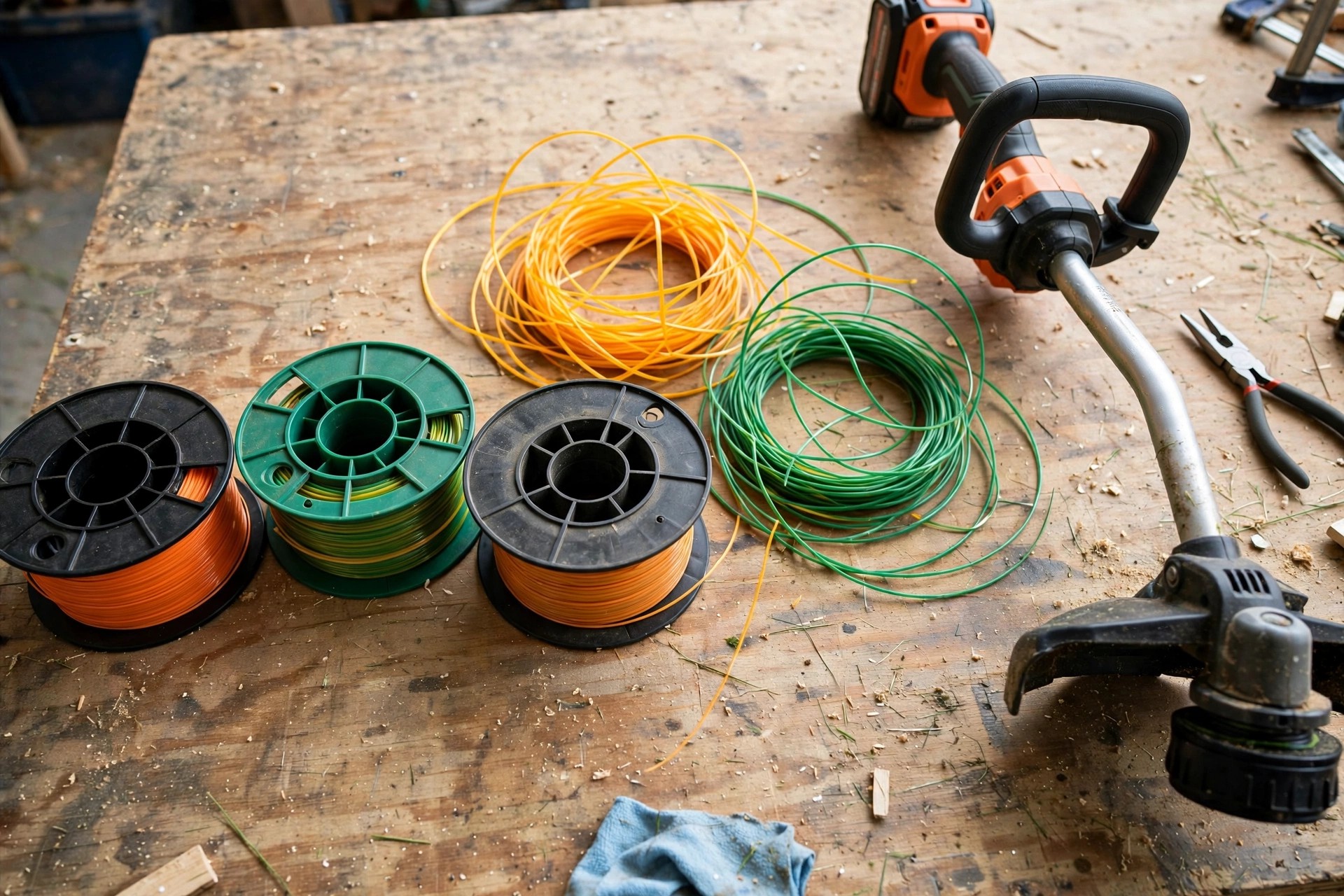
Tangled lines can appear during loading or restringing. Wrong line fitting causes many feeding problems too. Line may also fail to advance properly sometimes. The trimmer manual gives model specific troubleshooting steps. Tangles can show up. Wrong fits cause faults. Line can stall at times. Manuals give model steps. Restringing can tangle too. Head faults start with fits.
Follow manufacturer instructions and heed every warning carefully. Our twisted line guide compares another popular line style. Our brittle line guide explains old line problems fully. Warnings need full care. Style checks sit in guides. Old line faults get explained. Maker steps rule here. Each warning counts here. Old line woes get depth.
Choosing Between Bump Feed and Auto Feed
Think first about how long you must trim. Think about the size of the job too. Big line needs favour bump feed control. Ease and speed favour auto feed systems instead. Our thicker line choice guide helps match line to jobs. Trim length comes first. Job size comes too. Big needs favour bump. Ease favours auto feed. Line to job match counts. Guides help that match.
Frequently Asked Questions
Which Is Better Auto Feed Or Bump Feed Trimmer?
Auto feed lets line out on its own when it runs short. Bump feed needs a hand bump to let line out. The choice turns on line needs and job size. Big line needs favour bump feed systems. Short line feeds out alone. Bumps free line by hand. Needs set the choice. Size sets it too. Bump needs your hand. Auto needs no hand.
How Does Strimmer Bump Feed Work?
A sensor in the head keeps track of line length. The sensor lets more line out before it runs out. You keep trimming with no hand work on the line. The post calls this auto system a real ease. Sensors watch the length. Line tops up in time. No hand work is needed. Ease is the gain. Length stays in check. Runs stay smooth and long.
How Does Black And Decker Auto Feed Work?
A smart in-head system checks the line length. It lets more line out when line runs short. Users keep trimming with no hand work on the line. The system saves time and effort for users. Length checks run inside. Short line gets topped up. Time gets saved here. Effort gets saved too. Users trim on and on. No hand feeds break the flow.
How Do I Load An Automatic Feed Spool?
Buy the right spare spool for your model. Take the old spool out of the trimmer head. Click the new spool firm into place in the head. Wind line evenly in line with the spool arrow. Right spools come first. Old ones come out. Firm clicks seat the spool. Arrows guide the wind. Even winds feed best. Arrow ways rule the wind.
What Problems Can Happen When Loading Line?
Lines can tangle at loading or restringing at times. Wrong fitting can stop the line moving out right. Faults with line advance appear in the post too. Your manual gives exact steps for these problems. Tangles can happen here. Wrong fits stall line. Manuals hold exact steps. Faults get named here. Advance faults appear too. Steps fix these faults.
These answers all come from this post itself. The parts above explain each answer in depth. Careful habits keep each trimming round smooth each day. Answers come from this post. Depth sits above. Careful habits smooth rounds. Each day gains from care. Smooth rounds come from habits. Post holds all answers.
Conclusion: How Does Auto Feed Trimmer Work
So, how does auto feed trimmer work overall? A sensor checks line length in the head. It lets more line out when line runs short. You keep trimming with no stops or hand feeding. That system saves time and uses less line. Sensors check the length. Short line gets more. No stops, no hand feeds. Time and line get saved. Line use stays lean. Trim time stays short.
Bump feed still suits larger line heavy jobs. Your own job needs should set the final choice. Match the system to job size and length of work. A sound choice makes trimming easier every time. Both systems keep yards neat with steady use. Big jobs suit bump feed. Needs set the choice. Size match matters most. Neat yards need steady use. Sound picks ease the work. Both feeds keep yards neat.