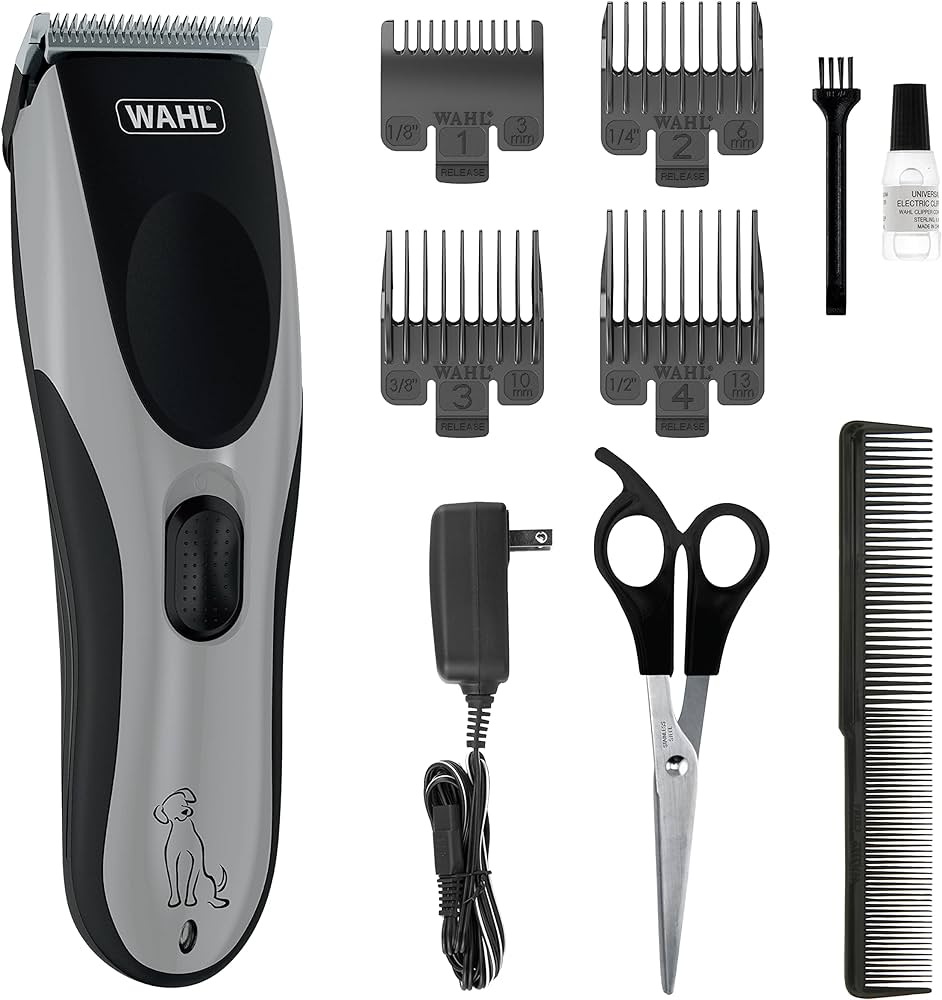
Does Using Trimmer Increase Hair Growth
So, does using trimmer increase hair growth at all? The honest answer is simply no here. Trimming never speeds up hair growth directly. Growth starts deep at the scalp instead. Yet trimming still helps hair stay healthy. The answer stays no here. Trimming never speeds growth at all. Growth starts deep at the scalp. Healthy hair still needs trimming. Ends stay healthy with care. Scalp growth drives the whole story. Growth starts at the scalp. Trims help hair stay sound. The scalp is where growth lives.
Hair grows from follicles beneath the skin. Genetics and hormones set the growth rate. Trimming only changes the visible hair ends. Healthier ends can make hair look fuller. Regular trims prevent split ends and breakage. Genes and hormones set the pace. Trimming changes just the ends. Fuller looks come from healthy ends. Split ends come off in trims. Breakage drops with regular trims. Visible ends are all trimming changes. Ends are all that trims change. Split ends break if left long. Each hair grows from a follicle.
This guide explains the science behind growth. It then shows what trimming actually does. Common myths and practical tips follow afterward. Simple answers close the guide itself today. Each part builds on the last. Myths and tips come next. Plain answers close the guide. Science comes first in the guide. What trimming does comes second. Tips follow the myth checks. Each part adds one clear point. Facts come first in this guide. Tips come last in the guide plan.
Quick answer: No, trimming does not increase hair growth rates. Growth happens at the scalp, never the ends. Trimming removes split ends and dry damaged tips. That simple care prevents breakage and protects length. Regrowth may look thicker without growing any faster.
Does Using Trimmer Increase Hair Growth: The Short Answer
The quick table below mirrors the post itself. It sums up the answer and its conditions. Later sections explain each point in full detail. Full points sit in the sections below. The table sums the answer up. Conditions sit beside the answer. Each point gets full detail below. The quick table mirrors the post. Later sections spell points out fully. More depth sits in the text. One table holds the short form. Short form first, long form next.
| Claim | What the Post Says |
|---|---|
| Faster growth | A myth; growth rate stays unchanged |
| Thicker regrowth | An illusion from blunt cut ends |
| Real benefit | Healthier hair with fewer split ends |
| What decides growth | Genetics and hormonal factors mainly |
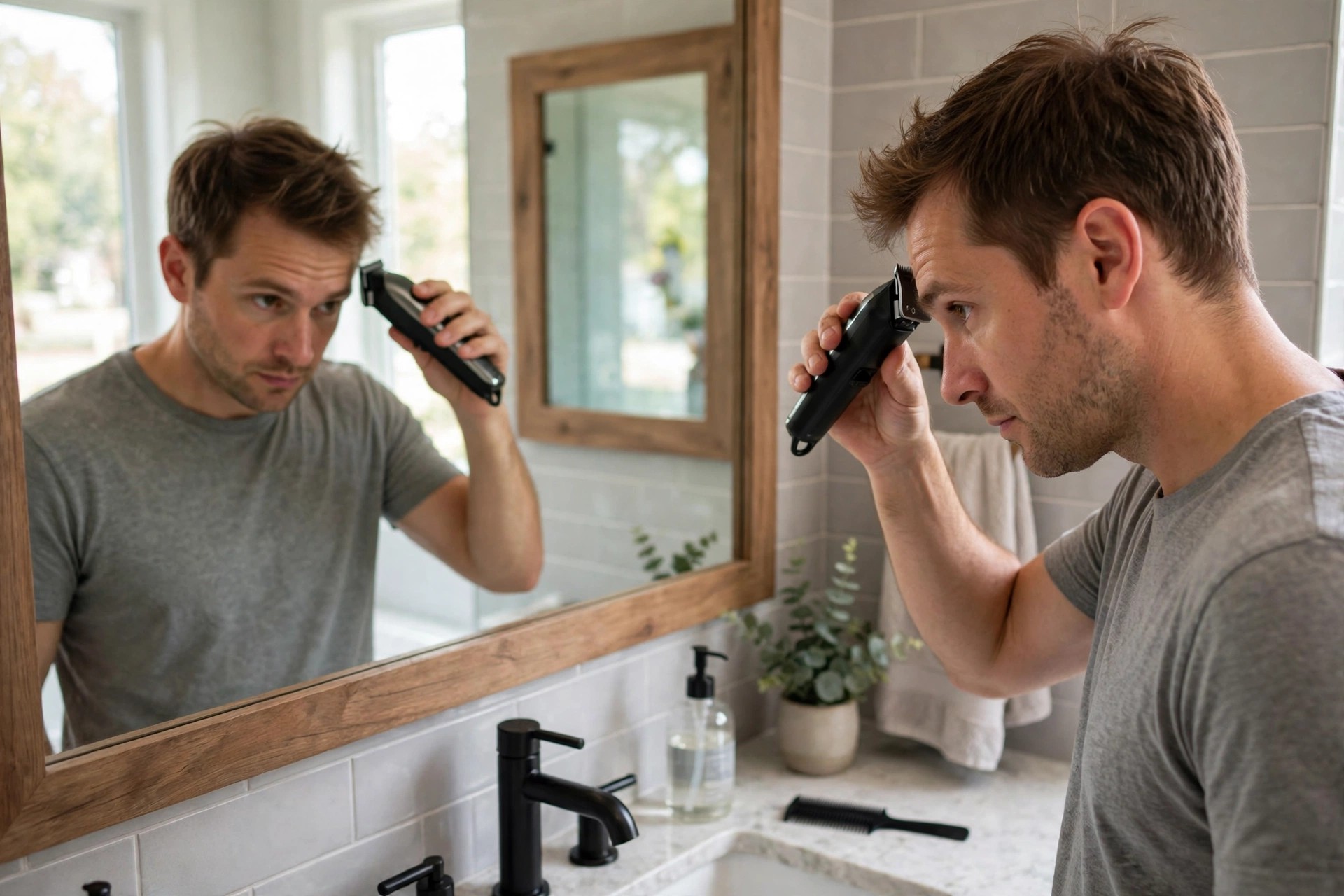
The Wikipedia hair page explains hair structure and growth basics. Our hair texture guide explains whether trimming changes hair feel. The Wikipedia hair follicle page describes where hair actually grows. Three pages add more depth here. One guide covers hair feel. One page traces hair structure. One page shows where hair grows. Feel changes get their own guide. Growth basics sit on those pages. Three links add depth here. One guide treats hair feel. Hair build gets its own page.
How Hair Actually Grows
Hair growth starts inside the hair follicles. Follicles sit beneath the skin’s surface layer. Special cells there produce a protein called keratin. Keratin forms the main structure of hair. Keratin builds each strand of hair. Growth starts beneath the skin. Follicles sit beneath the skin. Cells there make keratin daily. Hair structure comes from keratin. Surface layers hide the follicles. Growth starts in the skin. Cells in skin make the strands. Skin hides the growth at work.
The growth cycle has three distinct phases. Anagen is the active growing phase lasting years. Catagen shrinks the follicle over several weeks. Telogen rests before the hair finally sheds. Three phases mark the whole cycle. Anagen lasts for years at a time. Catagen shrinks the follicle down. Telogen rests before hair sheds. Phases run in a set order. Sheds close the rest phase out. Phase one lasts for years. Phase two runs a few weeks. Rest comes third in the chain.
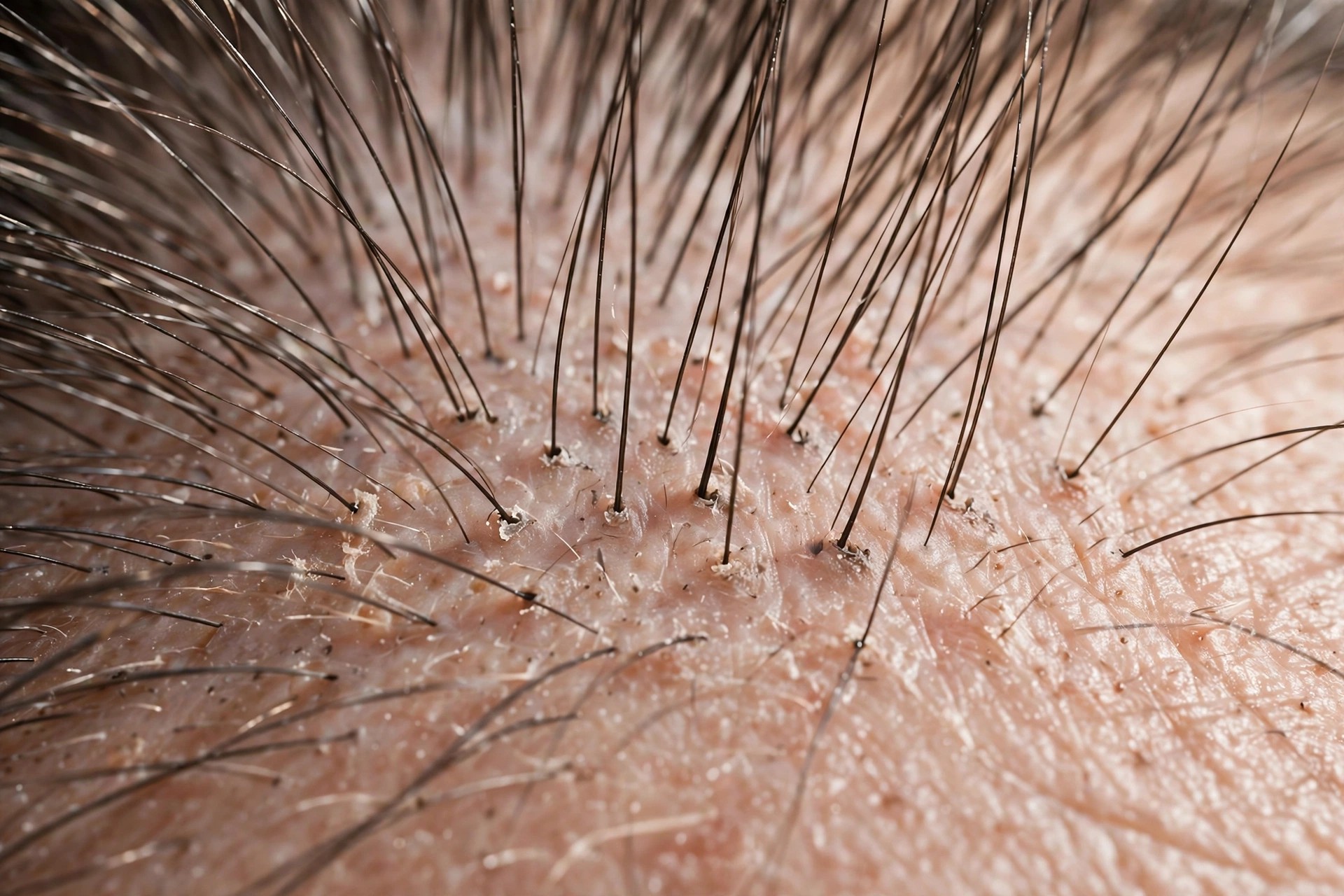
Growth rates differ between individual people greatly. Age, nutrition and stress also play roles. Overall health influences the cycle as well. Our trimming decision guide weighs when trimming makes sense. Rates vary from person to person. Health shapes the cycle too. Age plays a role as well. Stress plays a role as well. Food plays a role as well. Whole health shapes the cycle. No two rates are the same. Age and food shape rates too. Stress can slow the pace too.
What Trimming Actually Does to Hair
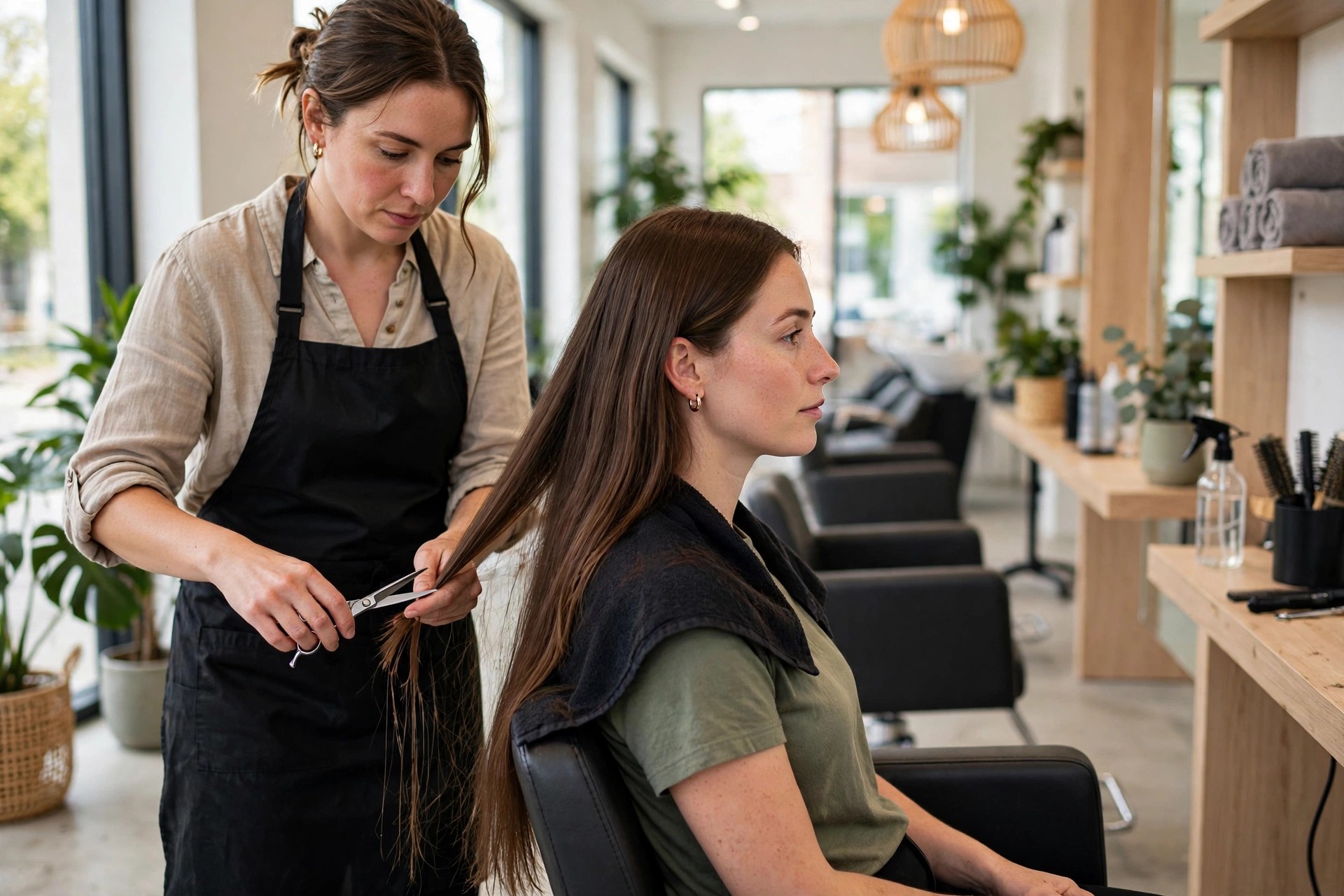
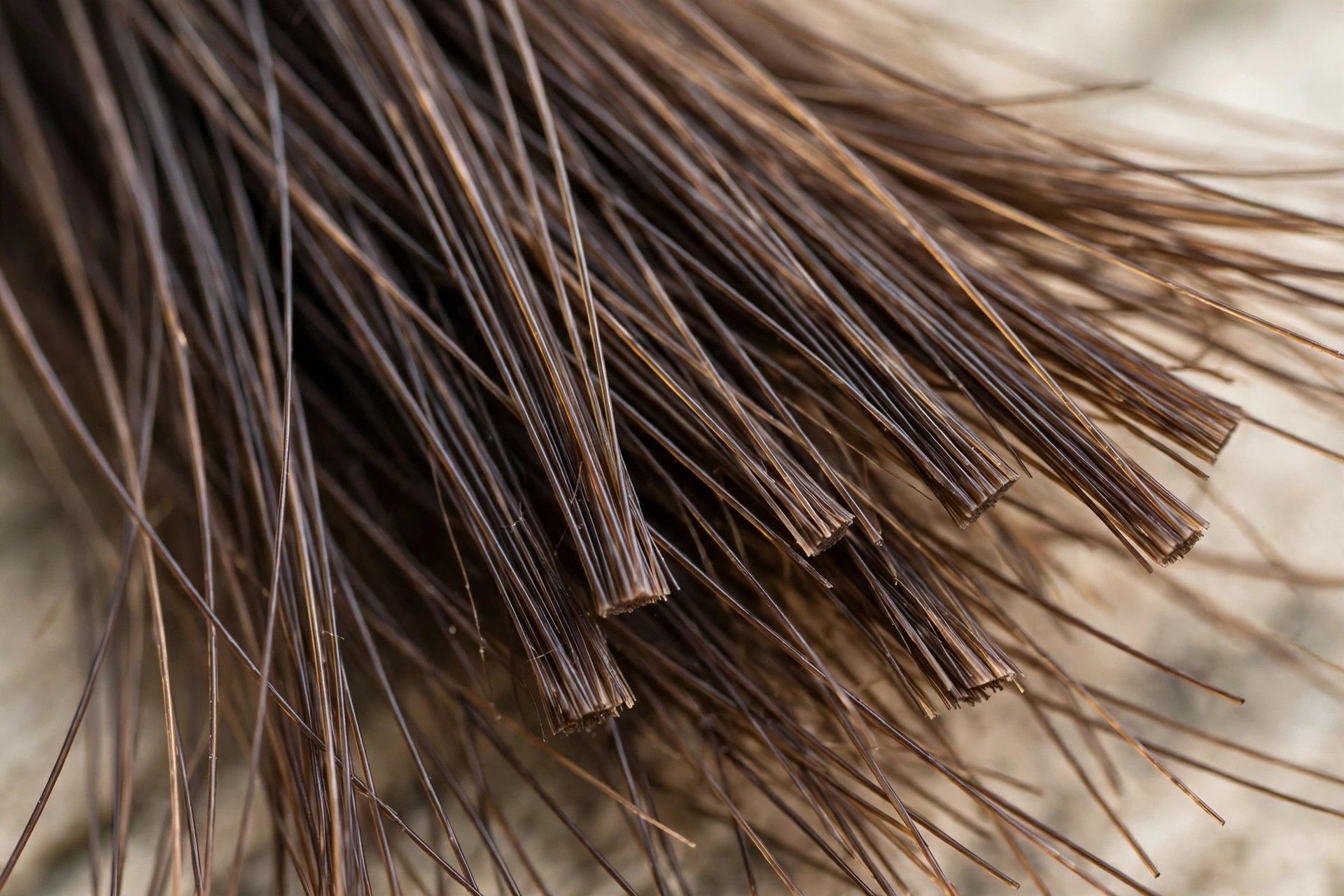
Trimming does not stimulate the follicles directly. It cannot change your natural growth rate. It removes split ends before they spread. That removal prevents breakage along the shaft. Trimming leaves the growth rate unchanged. Split ends come off in time. Breakage drops along the shaft. Follicles gain no boost from trimming. Splits spread when left in place. Natural rates stay just as set. Trims change ends, not rates. Split ends spread if left on. No trim wakes the roots up.
Trimmed hair keeps a more uniform length. Removing thin ends creates a fuller appearance. Healthy ends help hair grow longer overall. Our pulling hair guide explains what poor trimming causes. Full looks come from healthy ends. Thin ends come off for fullness. Even length looks fuller overall. Long growth needs healthy ends. Uniform length aids the full look. Fuller looks follow thin end removal. Full looks spring from sound ends. Thin ends make hair look thin. Sound ends help length stay safe.
The post recommends trimmers over razor blades. Shaving cuts the fine tapered tips off. Blunt ends can look thicker and denser. That look is appearance, not real growth. Our shaving comparison guide compares both tools in detail. Blunt ends just look thicker. The post picks trimmers over razors. Looks are not real growth. Shaving cuts the tapered tips off. Denser looks come from blunt ends. Real growth stays out of it. Thick looks are just a look. A blade cuts fine tips off. Blunt ends read as more thick.
Common Trimming Myths, Checked
Many believe trimming removes split ends completely. Trimming really stops splits spreading further upward. Damaged ends lose their protective cuticle layer. Proper care also matters beyond trimming alone. Care counts past trimming alone. Splits stop spreading further up. Damaged ends lose their cuticle. Myths get checked in this part. Trimming alone is not whole care. Cuticle loss marks damaged ends. Care must go past trims too. Myths meet facts in this part. The outer coat wears off split ends.
Please note: This post gives two views on regrowth. Its opening says trimming makes regrowth look thicker. One answer says trimming avoids that thicker look. Both original points stay in place below here.
Trimming supports hair health without stimulating growth. Growth happens at the scalp, not ends. Healthy strands simply appear longer and stronger. Our beard trimming guide covers the same myth for beards. Strong looks come from healthy strands. Growth happens at the scalp alone. Ends never drive growth at all. Strands look longer when healthy. Health support is the real gain. Stronger looks follow healthy strands. Sound strands look long and strong. Growth lives at the scalp end. No boost comes from the ends.
How to Trim the Right Way
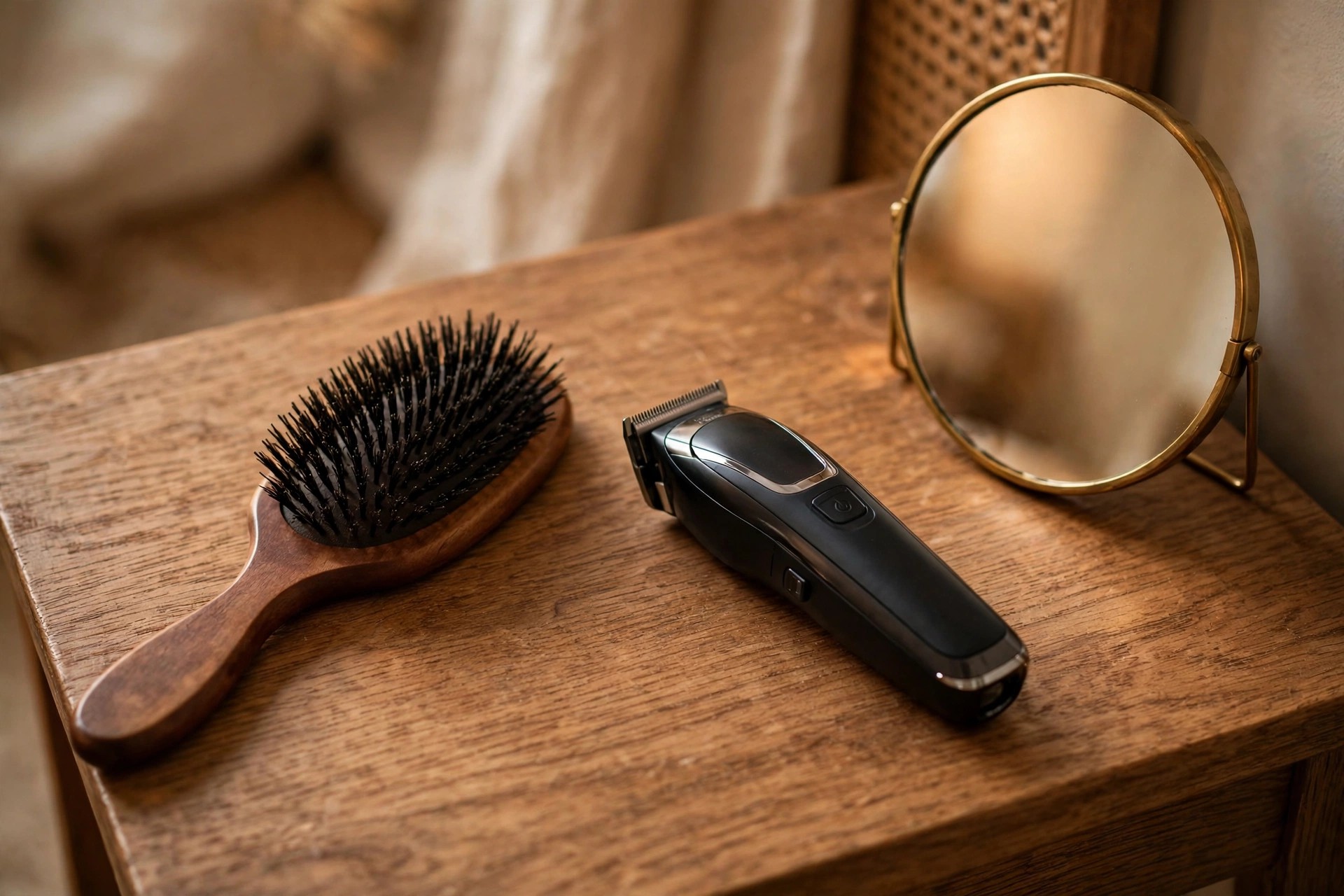
Choose a quality trimmer designed for hair. Adjustable settings and sharp blades cut cleanly. Start with clean and completely dry hair. Pick your length before you begin trimming. Sharp blades cut clean each time. Dry hair starts each trim. Pick your length before you start. Settings you can adjust help control. A quality trimmer comes first. Clean hair starts the trim right. Sharp blades make clean cuts. Dry, clean hair is step one. Pick the length, then start work.
| Tip | What the Post Says |
|---|---|
| Trimmer | Quality model with adjustable length settings |
| Hair state | Start with clean and fully dry hair |
| Frequency | Every four to eight weeks is enough |
| Upkeep | Clean and oil the trimmer regularly |
Trim in the direction of natural growth. Work through small sections for even results. Trim sparingly, every four to eight weeks. Our trimmer technique guide shows basic trimmer handling steps. Small sections keep results even. Light trims come every few weeks. Growth direction guides each trim. Even results need small sections. Trims come every four to eight weeks. Handling steps sit in the guide. Small parts keep cuts smooth. Trim with the grain of growth. Keep trims light and spaced out.

Clean and oil your trimmer after use. Good maintenance keeps blades cutting smoothly longer. Diet and routine also affect hair health. Our skin safety guide explains safe trimming near skin. Clean blades keep cutting smoothly. Diet shapes hair health too. Oil keeps blades running smooth. Routine shapes hair health too. Safe trimming sits in its own guide. Blades last longer with good care. Clean and oil the tool each time. Kept blades cut smooth for long. Care keeps blades keen for long.
Frequently Asked Questions
Does Trimming Your Hair Help It Grow?
Trimming does not make hair grow faster. It does promote healthier growth over time. Trimming removes dead ends before they break. Healthy hair can grow long and luscious. Regular trims keep that process on track. Dead ends come off before breaks. Healthy growth builds over time. Long hair needs healthy ends. Regular trims keep growth on track. Faster growth never comes from trims. Dead ends break if left on. Trims do not speed growth at all. Sound growth builds with time. Dead ends must come off in time.
Does A Trimmer Make Hair Grow Thicker?
Trimming does not make hair grow thicker. Growth starts at the scalp, not ends. Trimming dead ends never changes growth rates. Trimming keeps hair healthier for length though. The post recommends trimmers over razors here. Thicker looks stay looks alone. Growth starts at the scalp. Dead ends come off in trims. Length stays safer with trims. Rates never change from trimming. Razor blades lose in this post. Trims do not make hair thick. Growth starts up top, not ends. Dead end trims change no rates.
Does Using Trimmer Increase Beard Growth?
Using a trimmer never increases beard growth. Beard growth rates depend on genetics and hormones. Trimming can make beards appear fuller though. It never stimulates new hair growth directly. Shape and length stay easier to maintain. Fuller looks come from trimming alone. Genes set beard growth rates. Hormones set beard growth too. New growth never starts from trimming. Shape stays easy to keep up. Fuller beards are looks, not growth. Beards grow at their own set pace. Trims make beards look more full. No new beard growth starts here.
Is It Better To Shave Or Use A Trimmer?
The post says trimming beats shaving overall. Trimming feels easier, safer and less time-consuming. It maintains facial hair without removing everything. It never stimulates new hair growth either. Growth rates stay completely unchanged by trimming. Growth rates stay unchanged here too. Trimming beats shaving in this post. Trimming takes less time overall. Facial hair stays in place with trims. Nothing gets fully removed here. Safer work comes with trimming. Rates stay the same with trims. Trims beat shaves in this post. Less time goes to trims than shaves.
Does Trimming Get Rid Of Split Ends?
Trimming removes split ends from the hair. It stops splits travelling further up shafts. It cannot repair damage already done though. Regular trims keep ends looking much healthier. Gentle care protects the remaining hair afterward. Splits stop moving up the shaft. Damage done stays done though. Gentle care guards the rest. Ends look healthier with regular trims. Remaining hair needs gentle care. Healthy ends are the trim payoff. Splits come off at the tip. Done harm stays done for good. Care guards what hair is left.
These answers all come from this post itself. The sections above explain each answer in detail. Careful habits keep every trimming session smooth daily. Sections above hold the full detail. Answers come from this post alone. Careful habits keep sessions smooth. Each answer tracks its section. Detail sits in the sections above. Post facts fill every answer. Each point gets its full due here. The text above backs each point. Smooth work comes from care each day.
Conclusion: Does Using Trimmer Increase Hair Growth
So, does using trimmer increase hair growth in reality? The clear answer remains no, it simply cannot ever. Growth rates come from genetics and hormonal factors. Trimming only improves the hair you already have. It keeps ends healthy, neat and strong. The answer stays no throughout. Rates come from genes and hormones. Trimming improves the hair you have. Ends stay healthy, neat and strong. Clear answers stay clear here. Hair you have just gets better care. The word stays no, plain and clear. Trims just help the hair you have. Ends get the care, not the rate.
Regular trims prevent breakage and stop splits spreading. Healthy hair grows longer, looks fuller and feels stronger. Choose a trimmer instead of a razor blade. Manage your expectations and enjoy healthier, stronger hair daily. Healthy hair feels stronger each day. Breakage stops with regular trims. Splits stop spreading with trims. Trimmers beat razors in this post. Expectations stay in check with trims. Stronger hair follows healthy care daily. Sound hair grows long in time. Splits stop when trims stay on time. Full looks come from sound hair.