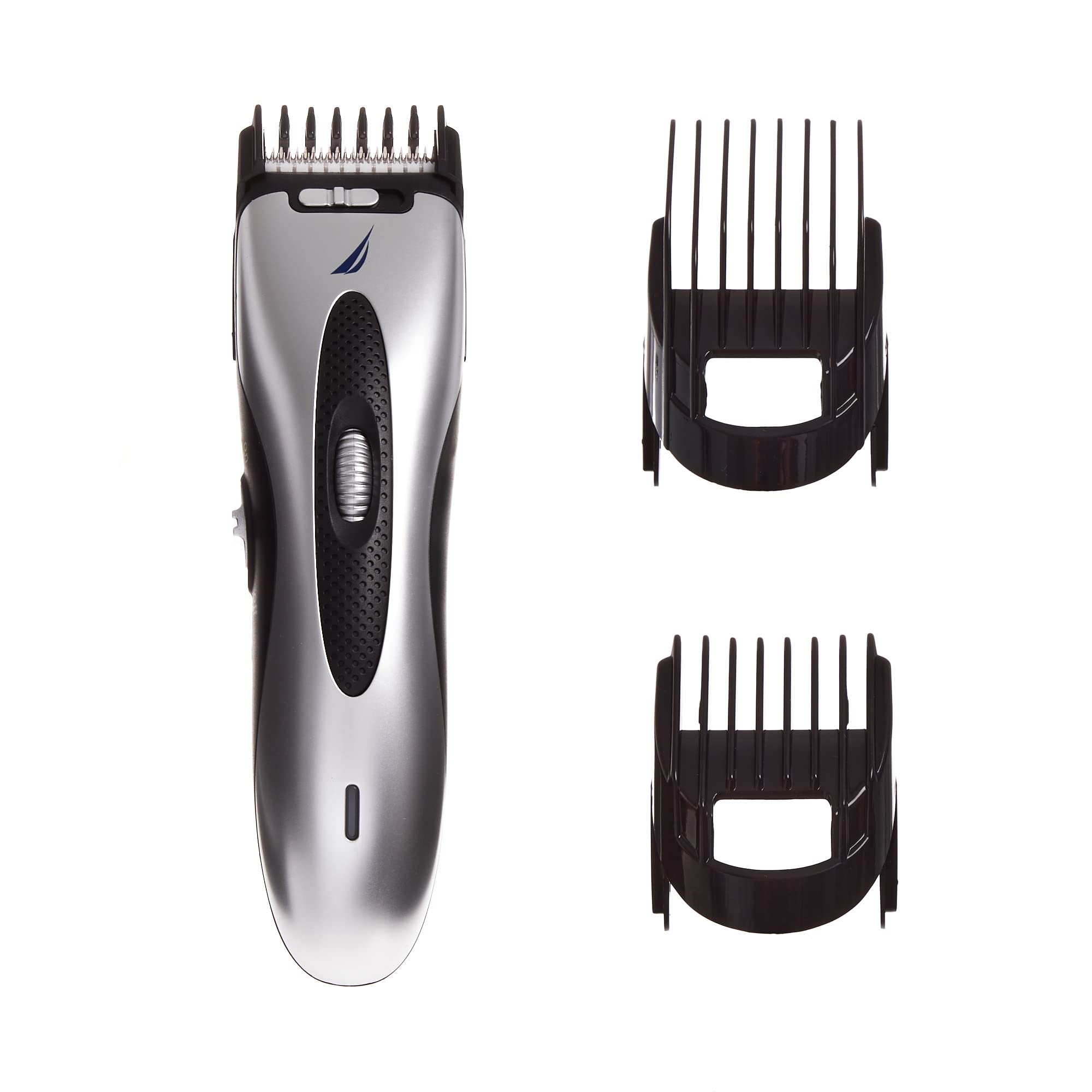
Does Trimmer Make Hair Hard
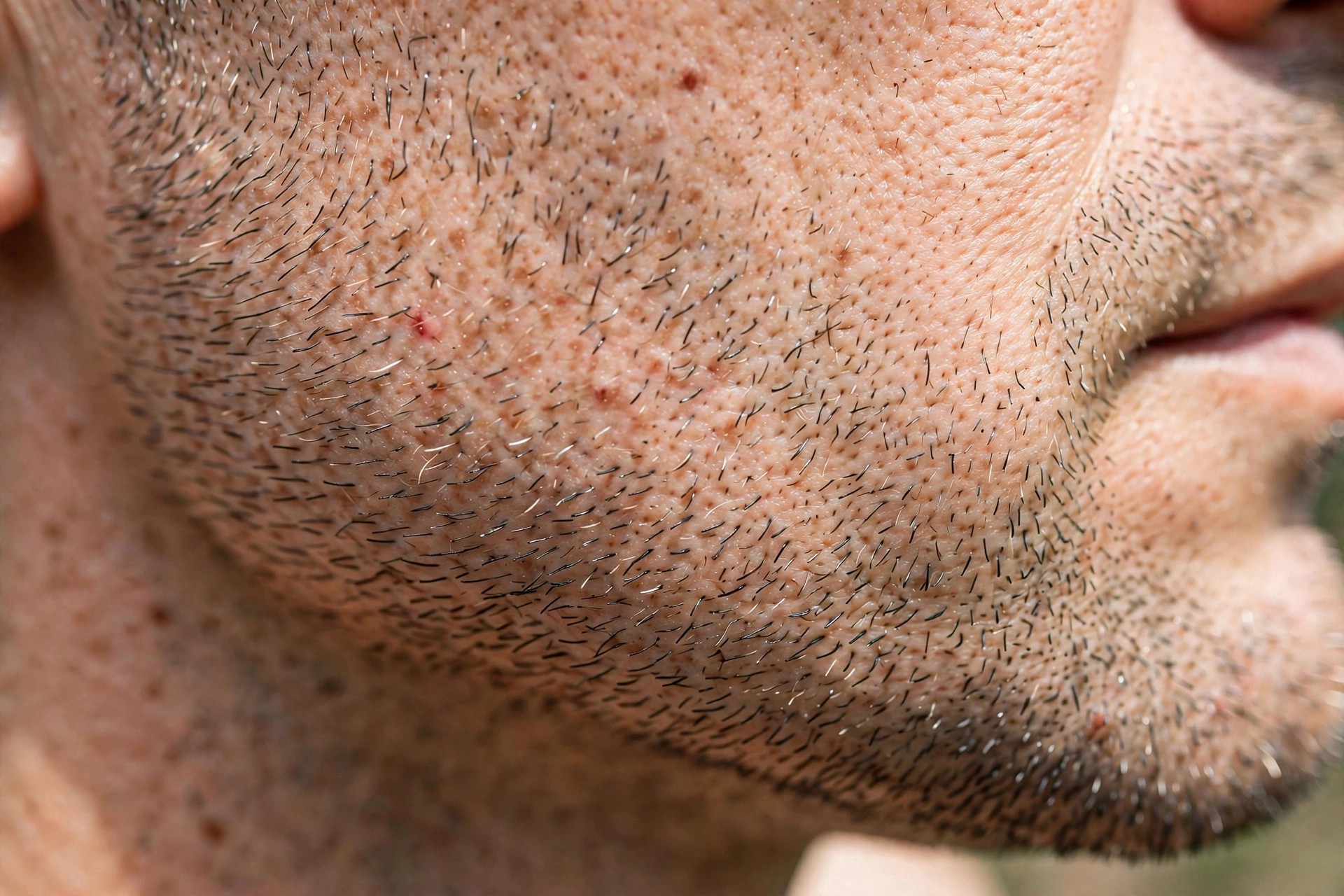
No, trimming hair does not make it hard. Trimming changes neither thickness, color nor growth rate. It only gives the hair a blunt tip. That blunt tip can feel different at first. The texture itself remains exactly the same though.
Many people believe regular trimming makes hair coarser. They expect a stiffer, rougher texture after trimming. The post calls that belief a common misconception. Genetics decides texture long before any trimmer touches.
This guide explains the science behind hair texture. It covers blade sharpness and self-sharpening blade benefits. It also compares trimmers with razors for texture. Simple care tips keep trimmed hair feeling soft.
Quick answer: No, a trimmer never changes hair texture itself. Trimming leaves thickness, color and growth rate unchanged. It only leaves a blunt tip on hair. That blunt tip may feel briefly different afterward. Sharp blades keep every trim smooth and comfortable.
Does Trimmer Make Hair Hard: The Short Answer
The quick table below mirrors the post itself. It sums up the answer and its conditions. Later sections explain each point in full detail.
| Point | What the Post Says |
|---|---|
| Answer | No, trimming never changes hair texture itself |
| What changes | Only the tip, which becomes blunt |
| What stays | Thickness, color and rate of growth |
| Key factor | Sharp blades prevent pulling and discomfort |
The Wikipedia hair page explains hair structure and growth basics. Our body hair decision guide helps you decide about trimming. The Wikipedia hair removal page explains removal methods more broadly.
The Science Behind Hair Growth and Texture
The hair follicle sits beneath the scalp surface. It produces hair as new cells form inside. The visible shaft is made of dead cells. Those cells get pushed upward and outward constantly.
Follicle shape primarily determines the hair texture overall. Round follicles tend to produce straight hair strands. Oval or elliptical follicles produce wavy, curly hair. Shaft size also influences the final texture greatly.
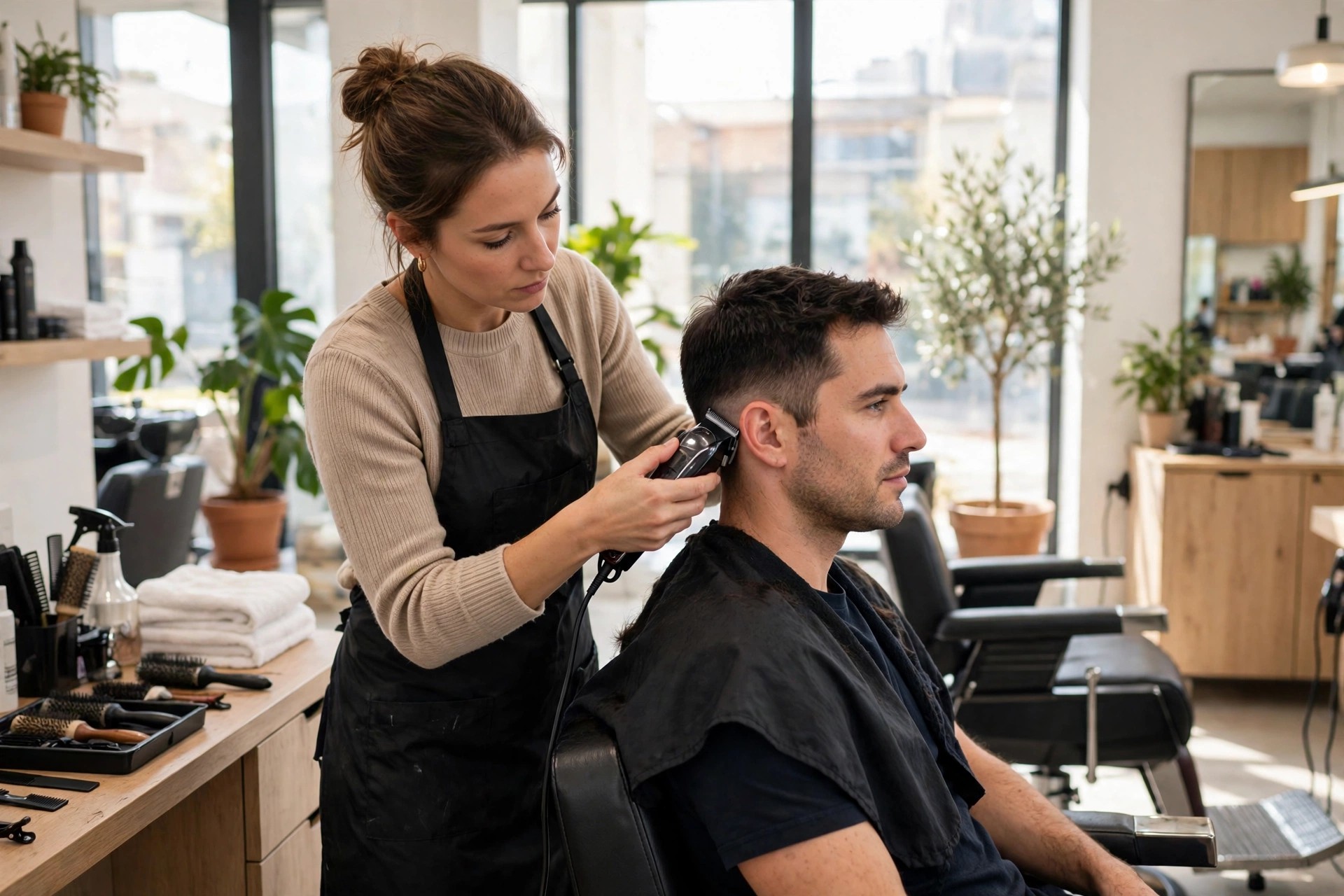
These characteristics are determined genetically from birth onward. They remain unchanged regardless of any trimming routine. Trimming removes damaged and split ends very effectively. Regular trims prevent further splitting and breakage too.
The Role of Trimmer Blades in Hair Texture
Sharp trimmer blades play a crucial role here. They cut hair cleanly and effortlessly every time. A clean cut maintains the natural hair texture. It also prevents damage from pulling or tugging.
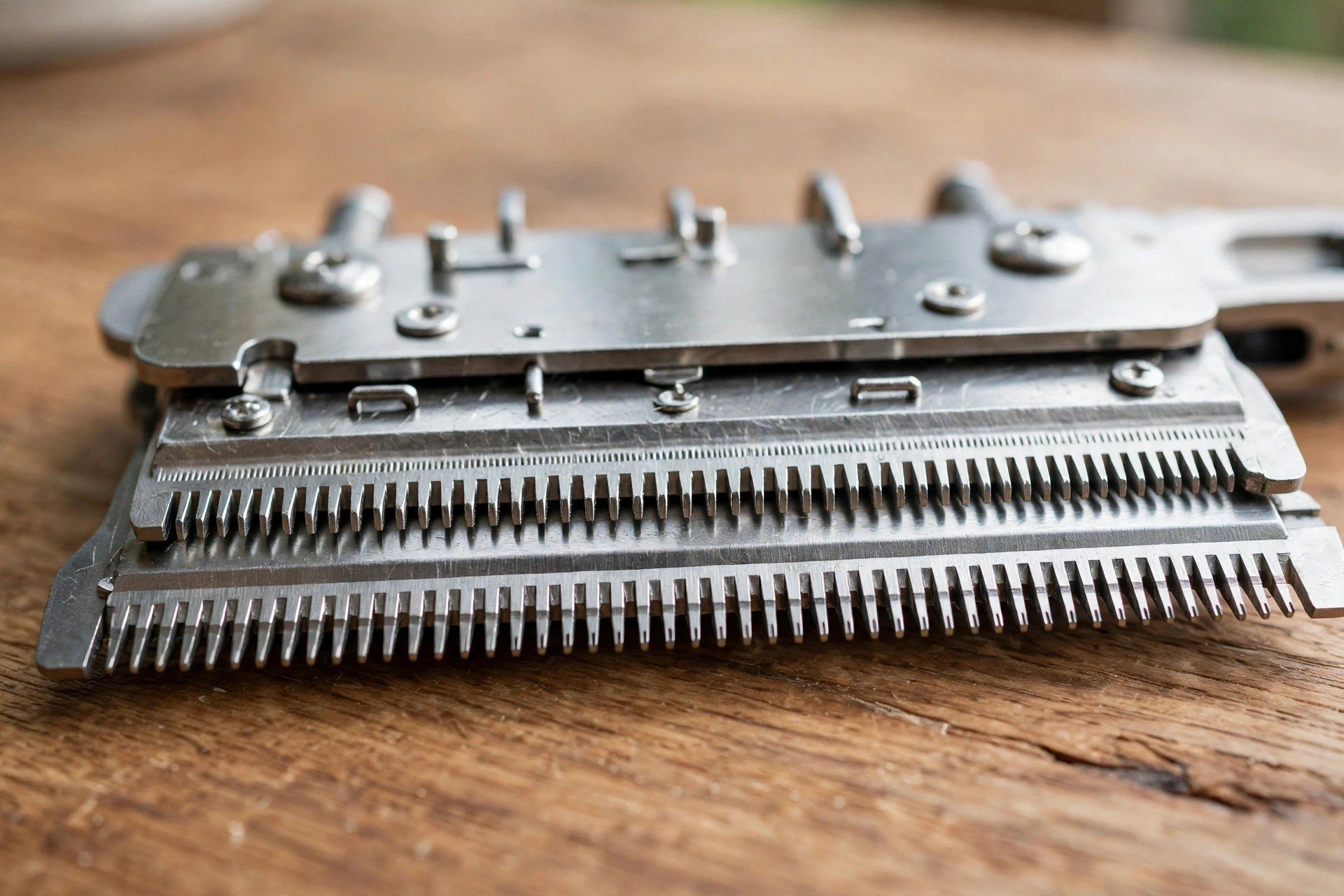
Self-sharpening blades maintain their sharpness over time automatically. They deliver consistent performance with every single use. That consistency removes worries about dull blade damage. Our Andis sharpening guide restores dull blade edges well.
Blunt blades tend to pull and tug hair. That pulling causes discomfort during the trimming session. Dull blades can leave frayed ends behind afterward. Our skin safety guide explains how nicks can happen.
Trimmer Versus Razor for Hair Texture
Both tools remove hair in different ways entirely. Personal preferences and needs decide the better option. The table below mirrors the post itself. It lists the post’s own pros and cons.
| Tool Point | What the Post Says |
|---|---|
| Trimmer control | Precise control for shaping specific areas easily |
| Trimmer gentleness | Gentler on skin, fewer nicks and cuts |
| Trimmer closeness | May not shave as closely as razors |
| Trimmer feel | May leave hair feeling coarser or stubbly |
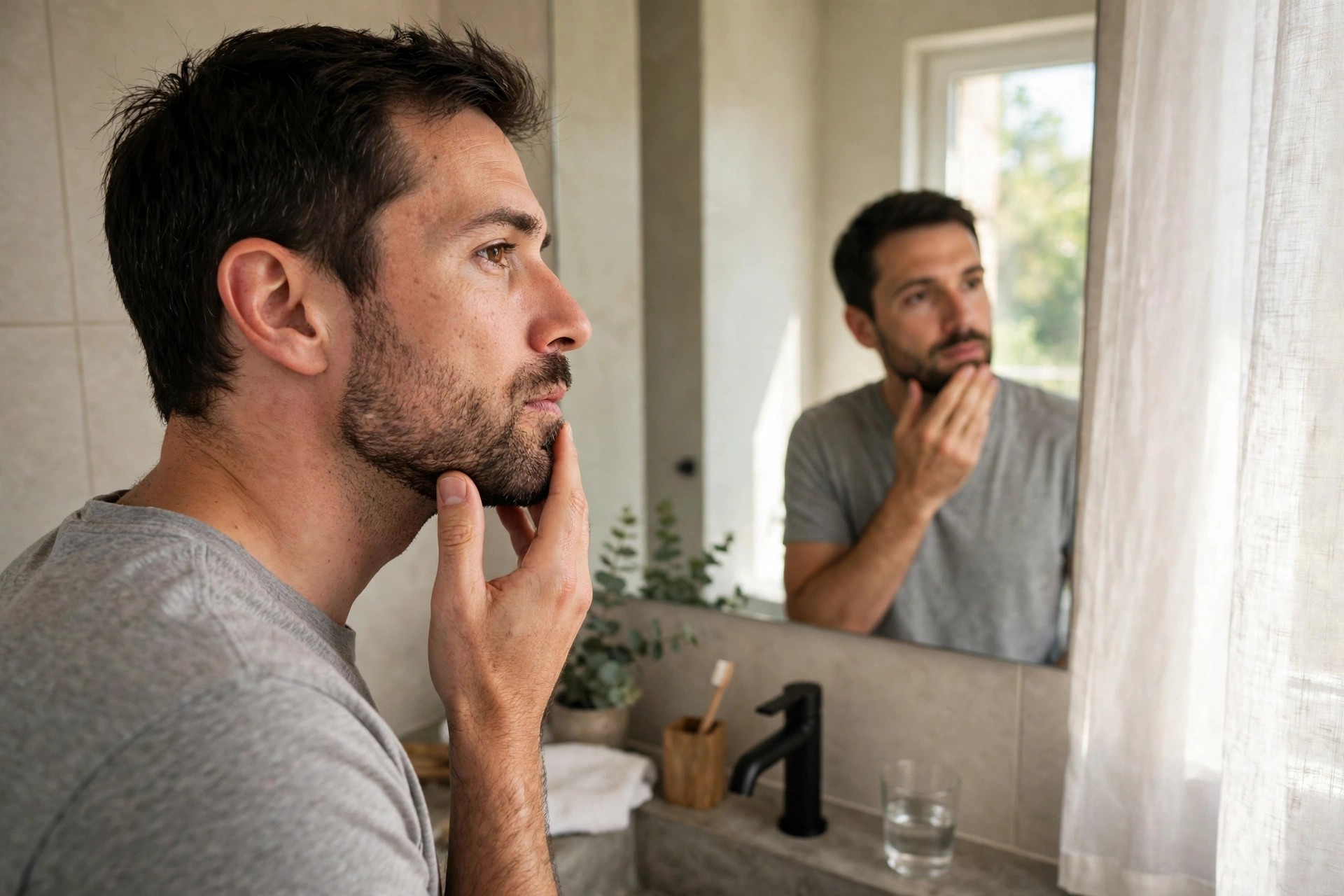
A trimmer trims hair to a specific length. It makes hair very short and less noticeable. A razor gives a smoother and closer shave. That closeness may result in softer feeling hair.
Your goals, hair type and skin sensitivity matter. Our trimmer shaving guide compares trimmer and razor results. Our clean shave guide shows the full shaving routine. Certain areas require extra care and attention too.
Please note: This post gives two views on trimmed hair. Most sections say trimming never changes hair texture. Its comparison says trimming may feel coarser sometimes. Both original points stay in place below here.
Making the Most of Trimming: Haircare Tips
Trim in the direction of hair growth always. That direction maintains natural texture during every trim. Choose the right comb attachment for your length. A too-short attachment can make hair appear stubbly.
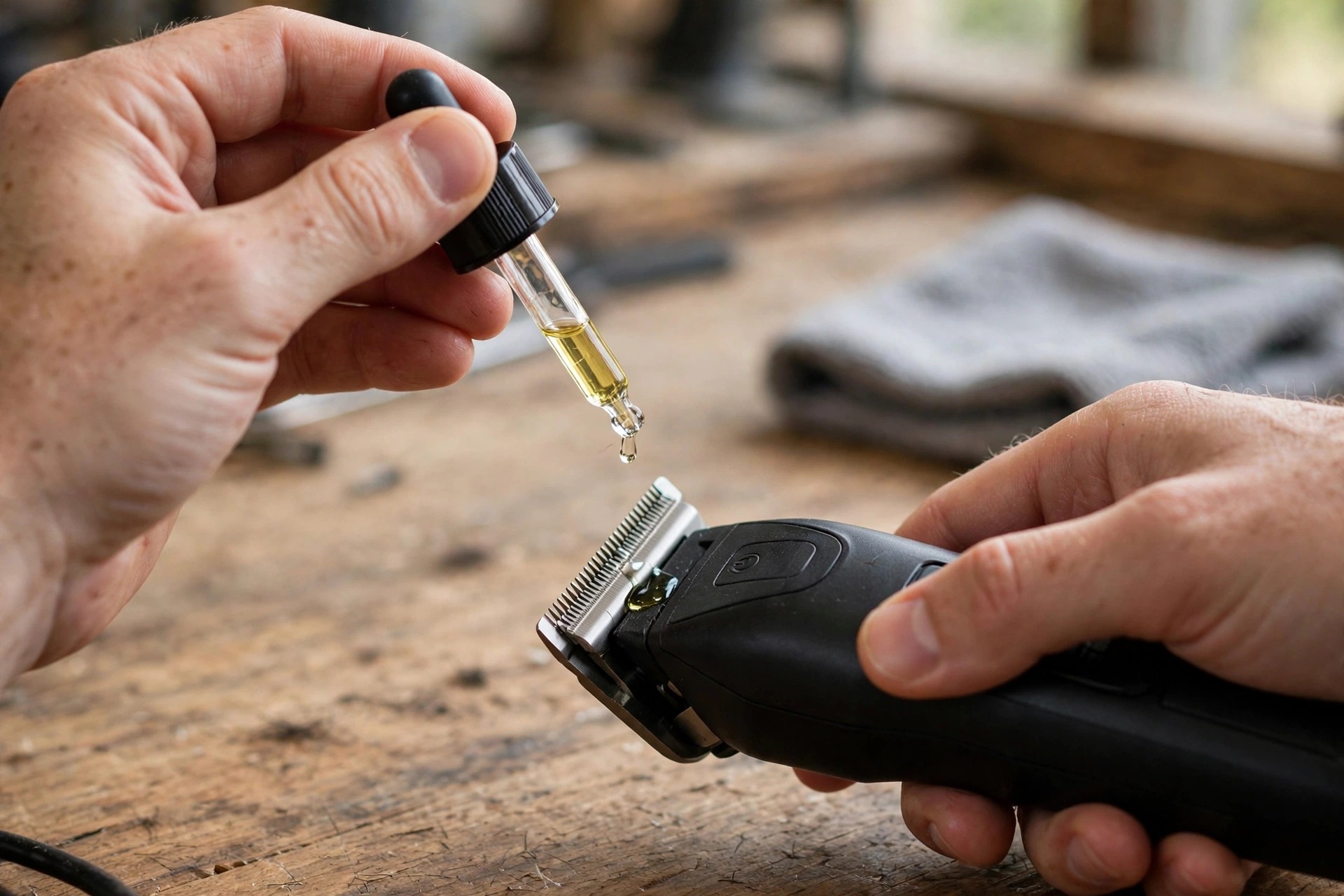
Clean the blades thoroughly after each use always. That cleaning prevents clogging and ensures smooth trimming. Oil the blades regularly to reduce friction well. Our blade lifespan guide explains when blades need replacing.

Moisturize hair after trimming with oil or conditioner. That care keeps hair hydrated and soft afterward. Avoid excessive heat styling tools on trimmed hair. Our body hair trimming guide covers wider grooming at home.
Frequently Asked Questions
Does Trimming Body Hair Make It Hard?
No, trimming body hair does not make it hard. Thickness, color and growth rate stay unaffected entirely. Hair may appear blunt after trimming sometimes though. Its overall characteristics do not change at all.
Is It Bad To Cut Hair With Trimmer?
No, cutting hair with a trimmer is fine. Sharp blades matter for avoiding tugging and pulling. Pulling hair can be painful during trimming sessions. Self-sharpening blades keep trimming smooth and comfortable always.
Is It Better To Use A Razor Or A Trimmer?
A trimmer suits quick and easy hair grooming. Modern waterproof trimmers can work in the shower. Trimming never changes thickness, color or growth rate. Trimmers shorten hair rather than removing it completely.
Does Trimmer Completely Remove Hair?
No, a trimmer does not completely remove hair. It is designed to trim hair short only. Complete removal is not its intended job ever. Choose a razor for fully bare skin instead.
Why Does Trimmed Hair Sometimes Feel Coarser?
Freshly trimmed hair ends with a blunt tip. That blunt tip feels different against your fingers. Some hair types feel coarser or stubbly afterward. The feeling is temporary and texture stays unchanged.
These answers all come from this post itself. The sections above explain each answer in detail. Careful habits keep every trimming session smooth daily.
Conclusion: Does Trimmer Make Hair Hard
So, does trimmer make hair hard after all today? No, trimming never changes thickness, color or growth rate. It simply gives the hair a blunt tip instead. Sharp self-sharpening blades keep every trimming experience completely pain free.
A trimmer suits quick and easy grooming routines very well. It is efficient and simple to clean afterward too. Trimming shortens hair rather than removing it completely at all. Choose the right tool for your desired grooming outcome.