How To Use Hair Trimmer At Home
So, how to use hair trimmer at home with trust? Home trims save time and salon cash with ease. They let you keep or remake your style. The skill feels hard just at the start. Practice soon turns it to an easy drill. Home trims save cash. Styles stay your call. Hard starts turn easy. Drills form with practice. Time saves count too. Remade styles count too.
This guide tracks the steps from the post itself. It covers prep, length picks and careful section work. It also covers cleanup, practice and plain asks. The true gains of home trims follow below. Steps come from the post. Prep leads the way. Length picks get covered. Plain asks get covered too. Gains of home trims follow. Cleanup gets its part.
Start with clean, dry and tangle-free hair at all times. Pick a longer length setting at the start. Work at a slow pace in sections for even results in all spots. Calm care and true aim count more than speed here. Clean dry hair starts it. Long settings start it too. Slow work evens results. Care beats speed here. All spots need even work. True aim counts most.
Quick answer: Prepare clean, dry hair and a charged trimmer. Pick a longer length setting at the start. Trim slowly in sections, checking the mirror often. Use gentle, even strokes without pressing too hard. Clean and oil the trimmer after every use.
How To Use Hair Trimmer At Home: The Short Answer
The quick table below tracks the post itself. It sums up the main home drill. Later parts explain each step in depth. Sums sit in the table. Depth comes later. Main drills get summed. Steps get depth later. Post facts fill the sum. Home drills lead it.
| Point | What the Post Says |
|---|---|
| First step | Clean, dry hair and charged trimmer |
| Length rule | Start longer, go shorter gradually |
| Technique | Slow sections, gentle even strokes |
| Aftercare | Clean, oil and store it dry |

The Wikipedia hair page explains hair build and growth facts. Our fade guide covers blended fades at home. The Wikipedia hair removal page explains plain hair removal ways. Our head shaving guide covers very short cuts at home. Four pages back the facts. Fades get their own guide. Growth facts sit on one page. Short cuts get a guide. Removal ways get one page. Head work gets one too.
Preparing Your Hair And Trimmer
Make sure your hair is clean and dry. Take out tangles and knots with a comb first. Charge the trimmer in full or plug it in. Oil the blades with care before you start work. Clean dry hair comes first. Full charge comes too. Knots come out with combs. Blades get oil first. Plug-in works as well. Start work with oiled blades.

Find a well-lit spot with a good mirror. Comfort counts in a slow, careful trim round. Section clips keep long hair neat and in hand. Our assembly guide shows how guards attach with a firm fit. Good light helps the work. Clips hold long hair. Comfort counts in slow rounds. Guards fit firm by guide. Mirrors guide slow work. Neat hair trims best.
Choosing Your Length Setting
Most trimmers give settings you can change for cut length. Settle your length wish before the first pass. Start long and step down slow if you need. That way blocks most trim slips at the start. Length wishes come first. Start long, step down. First passes stay long. Slips get blocked early. Wishes set the length. Slow steps guard the cut.
| Choice | What the Post Says |
|---|---|
| Unsure about length | Start with a longer setting |
| Shorter styles | Lower the setting step by step |
| New styles | Check guides or photos for inspiration |
| Final control | You decide the finished length |
Style guides give good ideas for new looks. Web sources help you pick styles that suit you too. You keep full say in the end look. Our sanitizing guide covers cleaning parts before use. New looks need ideas. End looks stay your call. Web sources aid picks. Clean parts get a guide. Styles must suit you. Full say stays yours.
Trimming Slowly In Sections
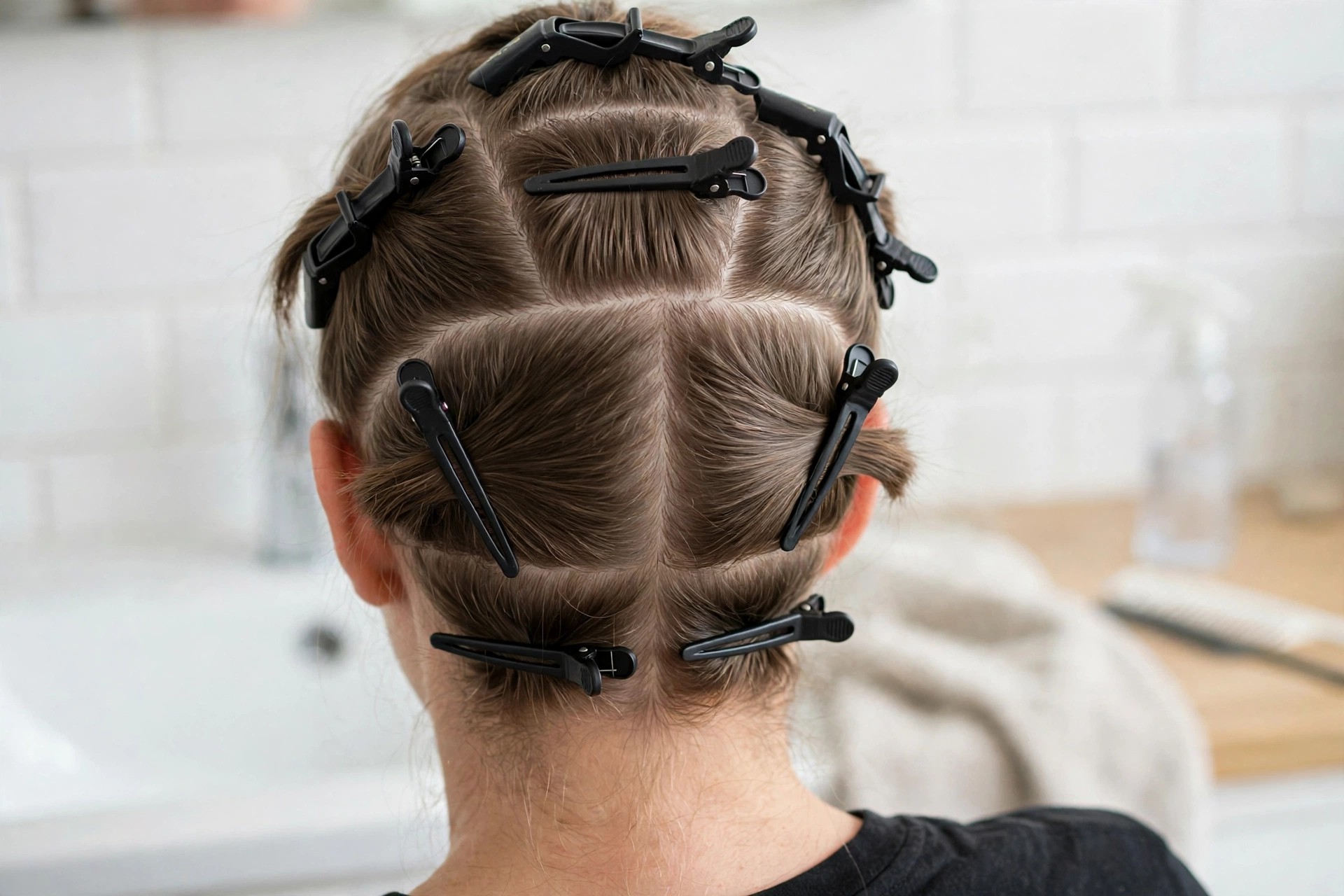
Split your hair in parts you can handle with clips. Start with the longest part and work down. Hold the trimmer flat on your head with a firm hand. Move at a slow pace up, following your natural hair growth. Clips split the hair. Long parts start the work. Firm hands hold it flat. Growth guides the move up. Work down from long parts. Flat holds trim best.
Please note: This post gives two views on trimming direction. Its steps say follow the natural hair growth. Its questions say trim opposite the growth instead. Both original points stay in place below here.

Shun hard pressing or rushed strokes. Hard push makes uneven cuts and sore skin. Check your work oft in the mirror as you go. Our trimmer shaving guide explains close shaving with trimmers. Rushed strokes cut uneven. Mirror checks guide you. Hard push sores skin. Close shaves get a guide. Work gets checked oft. Sore skin comes from push.
Benefits Of Trimming Hair At Home
Home trims cut out barber and salon costs time and time again. You trim when you like with no bookings or waits. Your own trimmer keeps hygiene personal and controlled. Attachments also groom beards, sideburns and body hair. Salon costs drop at home. Trims run on your time. No waits, no bookings. Beards groom with it too. Own tools guard hygiene. Sideburns groom too.
Small trimmers travel well on long trips too. Touch-ups between visits keep pro cuts fresh for longer. Trust grows when you steer your own look. Our beard trimmer haircut guide covers home haircuts too. Trips suit small trimmers. Touch-ups keep cuts fresh. Own looks build trust. Home cuts get a guide. Fresh looks last longer. Long trips suit it.
Cleanup, Practice And Steady Improvement
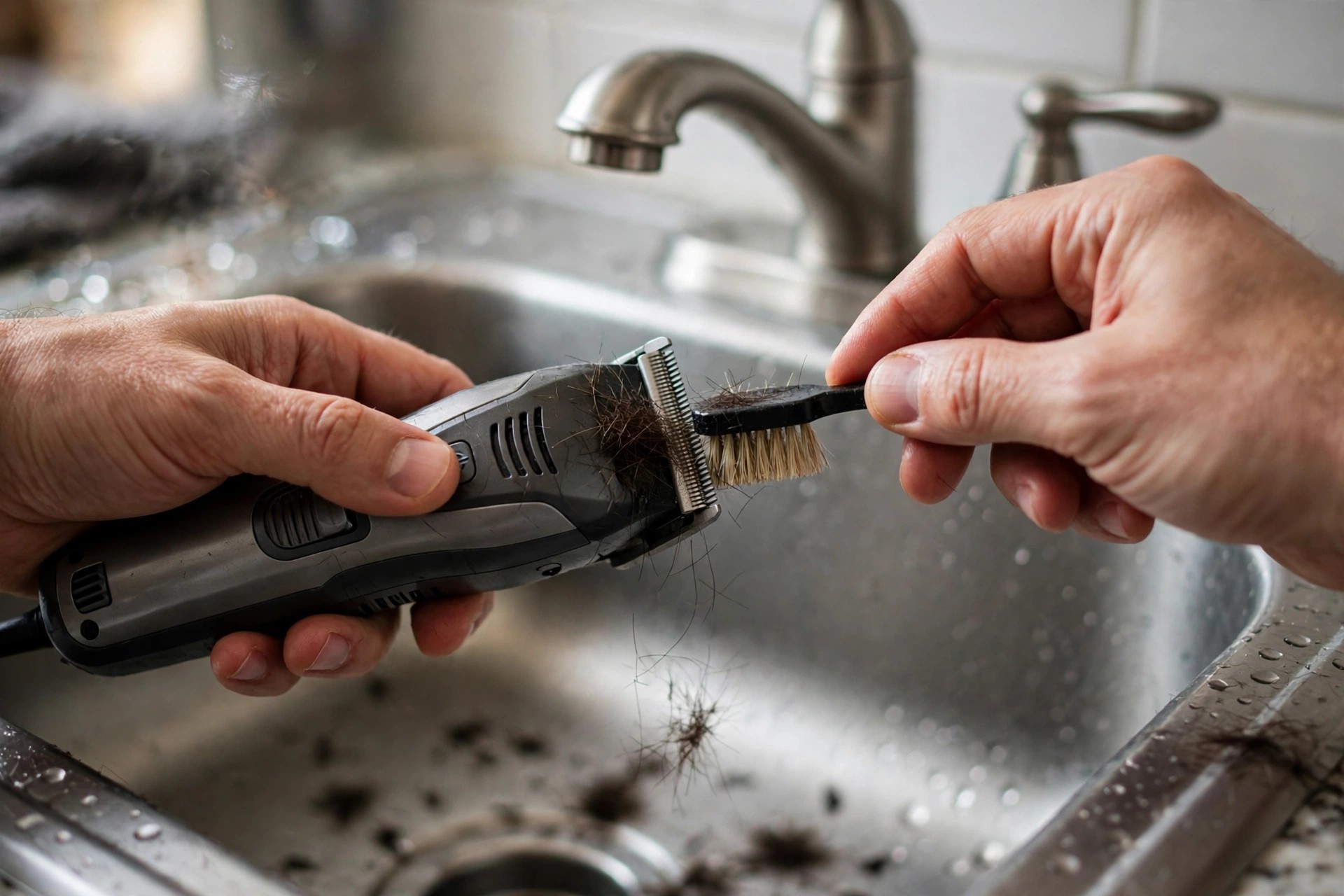
Take hair clippings and bits off after each trim. Brush the blades clean with a small brush. Waterproof blades can rinse under running water safely. Oil the blades regularly for smooth, sharp cutting. Bits come off each trim. Brush work cleans blades. Safe rinses suit proof blades. Oil keeps cuts sharp. Small brushes do the work. Sharp cuts need oil.

Store the trimmer in a safe and full dry spot. Dry storage blocks harm and rust in time. First tries may feel less than perfect at first. Our pulling hair guide explains plain trim faults in clear words. Dry spots store it safe. First tries feel rough. Rust stays off dry tools. Fault facts sit in one guide. Safe spots guard the tool. Harm stays off dry.
Frequently Asked Questions
How Do I Prepare My Hair Before Using A Trimmer?
Wash your hair and dry it in full first. Comb it with soft strokes till tangle-free in all parts. A bit damp hair can feel easier to handle. Part hair with clips for neat trim rounds. Full dry comes first. Soft strokes comb it. Damp hair handles well. Clips keep rounds neat. Tangles come out in full. Neat rounds need parts.
What Is The Best Technique For Using A Hair Trimmer?
Go slow and steady with each and each stroke. The post advises trimming opposite your hair growth. Use gentle, even strokes without pressing too hard. Keep the trimmer angled slightly for natural results. Slow strokes rule here. Soft strokes, no hard push. Slight angles look natural. Even strokes rule here. Post words rule this answer. Pace stays slow and steady.
How Do I Maintain And Clean My Hair Trimmer?
Remove hair clippings after each use every time. Brush them away or rinse under running water. Dry the trimmer thoroughly before storing it away. Oil the blades regularly for sharp, smooth performance. Bits come off each use. Dry storage ends it. Rinses clear the bits. Oil keeps blades sharp. Each use ends with care. Smooth work needs oil.
Can I Use A Hair Trimmer On Wet Hair?
Most trimmers are not advised for wet hair. Wet hair snags more and lifts nick risks. Dry or a bit damp hair trims far safer. Wet-use shears suit full wet cuts more instead. Wet hair snags more. Dry hair trims safer. Nick risks rise wet. Shears suit full wet work. A bit damp works well. Full wet needs shears.
How Often Should I Replace The Blades On My Hair Trimmer?
Swap blades each six to twelve months in most cases. Pulling or uneven cuts signal earlier replacement needs. Some models swap blades, others swap whole heads. Check the manufacturer’s guidance for your exact model. Six to twelve months stands. Pulling calls for swaps. Whole heads swap on some. Own model rules the check. Signs call for early swaps. Guidance fits your model.
These answers all come from this post itself. The parts above explain each answer in depth. Careful habits keep each trim round smooth each day. Answers come from this post. Depth sits above. Careful habits smooth rounds. Each answer has depth. Smooth rounds come from habits. Post holds all answers.
Conclusion: How To Use Hair Trimmer At Home
So, how to use hair trimmer at home confidently? Start with clean, dry hair, choose your length, trim slowly. Clean and oil the trimmer carefully after every single session. That plain drill gives salon-grade looks from home ease each day. Clean hair, slow trims. Oil ends each round. Each round ends with care. Home ease gives the looks. Slow trims give the grade. Rounds run from home.
Practice with patience and try new styles in time. Keep short, sleek looks or try bold new undercuts. Right technique and plain care keep each trim safe. Skill with this key tool saves time and cash for years. New styles reward practice. Safe trims need care. Sleek looks stay in reach. Bold cuts do too. Years of saves add up. Key skills pay off.