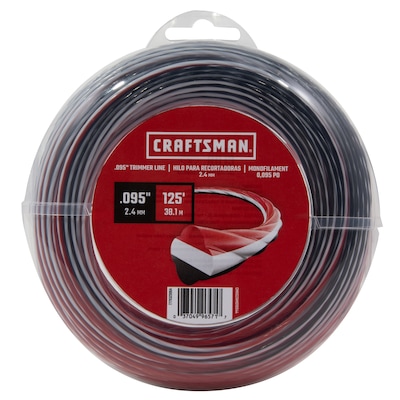
What Size Line For Craftsman Trimmer
So, what size line for craftsman trimmer works best? Most models use 0.065-inch line for light work. Heavy jobs need up to 0.095-inch line instead. This guide shows each size in plain order for safe home use.
The right size keeps cuts clean and guards the motor. A thin line snaps often on tough growth and weeds. A thick line can strain the motor and feed poorly. The steps below cover sizes, risks and care.
Your manual lists the exact size your model needs. Check the line pack for fit before you buy more. Always follow maker advice for the best results each time. A neat fit keeps the trimmer working well all season.
Quick answer: Yes, most Craftsman trimmers use 0.065-inch to 0.095-inch line. Use 0.065-inch line for light grass and small weeds. Use 0.080-inch line for thicker grass and moderate weeds. Use 0.095-inch line for thick weeds and heavy brush. Check your manual first for your own model size.
What Size Line For Craftsman Trimmer? The Short Answer
Yes, the right line size keeps cuts clean and smooth. Craftsman models span 0.065 inches to 0.095 inches. Light jobs need thin line while heavy jobs need thick. This section gives the short answer before the full steps below.
| Line Size | Best For |
|---|---|
| 0.065 inches | Light-duty grass and small weeds |
| 0.080 inches | Moderate grass and weeds |
| 0.095 inches | Heavy-duty weeds and brush |
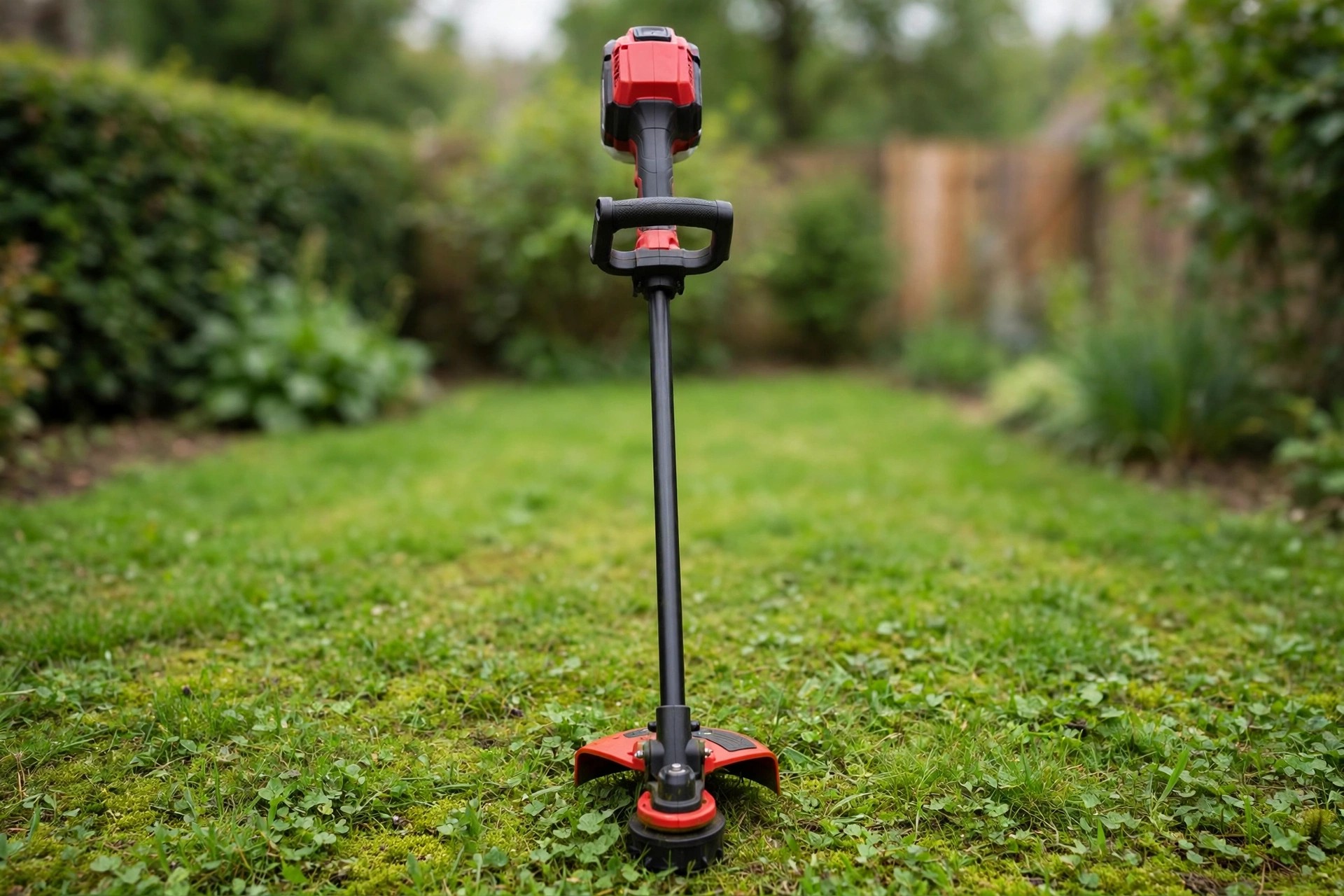
A fresh line cuts clean and keeps the motor working at ease. A worn line breaks fast and makes each yard job much harder. Regular checks keep the trimmer safe and the lawn looking neat. The steps below show sizes, risks and care in order.
The Wikipedia string trimmer page covers trimmer types and line use. Our trimmer guide explains what a trimmer is in plain terms. The Wikipedia Craftsman page covers the brand and its tools. Our types guide lists the main types of trimmers for home use.
Why The Right Line Size Matters
The right line size shapes how well your trimmer works. A thin line suits light trims and tight spots well. A thick line suits tough weeds and dense growth. The wrong size can spoil the cut and strain the tool.
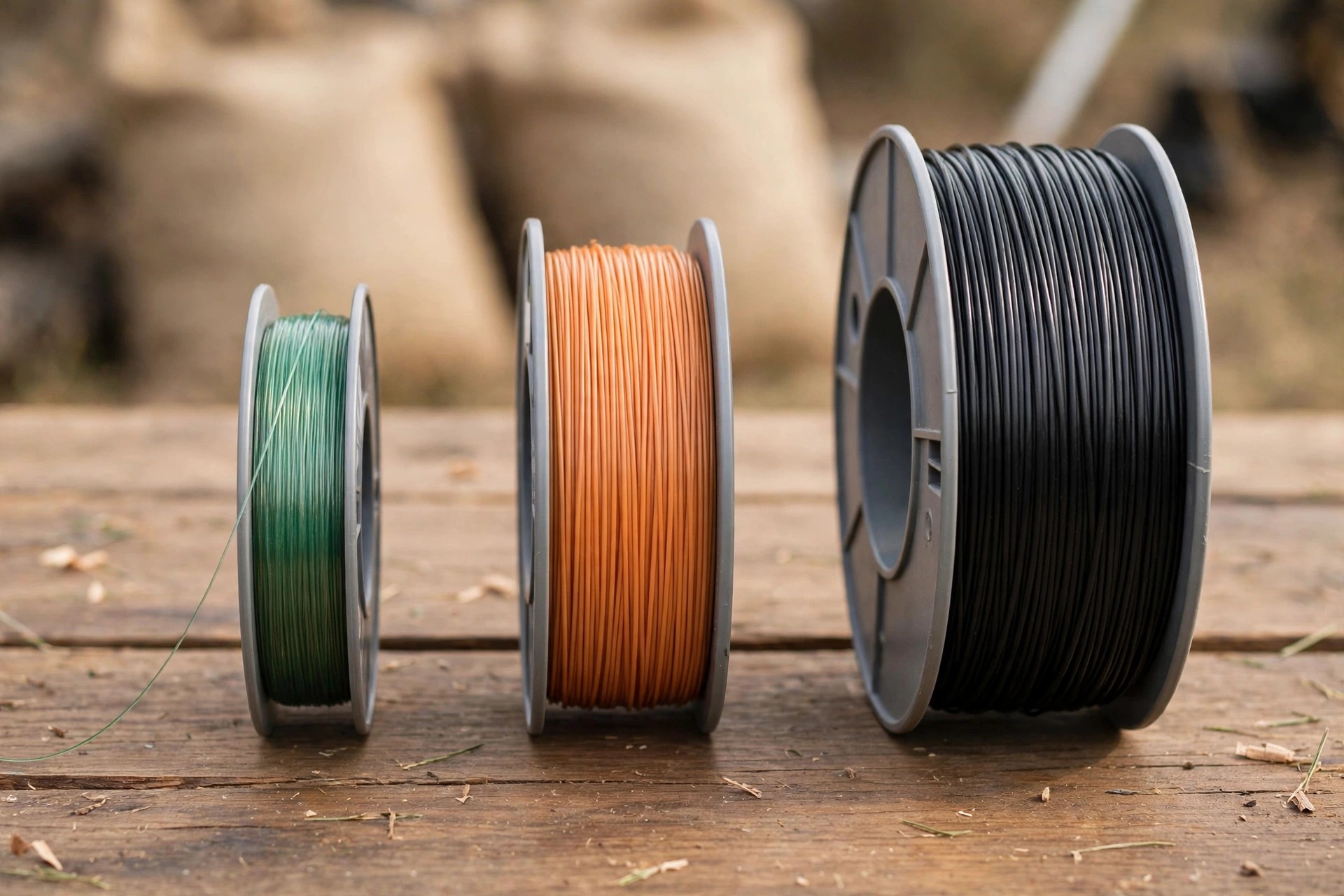
A line too thin breaks often and slows yard work down. A line too thick may feed poorly and jam the head. Both faults lead to downtime and extra cost each year. Match the line to the task for the best results.
The right size also guards the motor from strain and heat. Less strain means fewer repairs and a longer tool life. A calm motor runs smooth and stays easy to steer. Good sizing makes yard work quicker and safer too.
What Happens With The Wrong Line Size
The wrong line size causes breaks, bad cuts and harm. A thin line snaps often and stops work mid-job. A thick line may feed poorly and unbalance the tool. Both faults waste time and cost money over time.
| Warning Sign | What It Means |
|---|---|
| Line snaps often | Line is too thin for the task |
| Uneven cut | Wrong size for the growth |
| Motor strains or heats | Line is too thick |
| Trimmer jerks or bounces | Line is too thick |
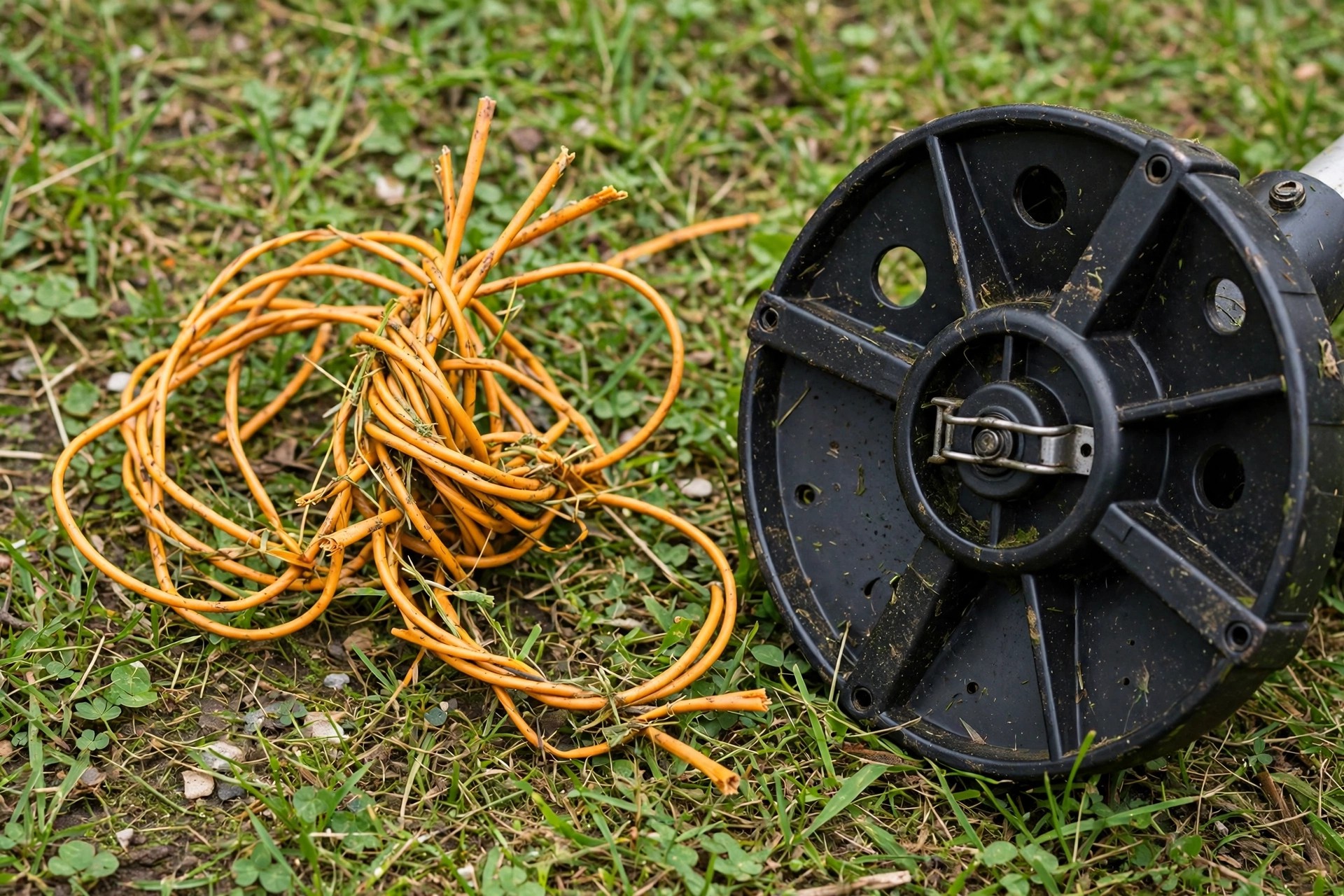
A thick line can strain the motor until it overheats. A strained motor may fail and need costly repairs. A thin line can snap off and fly toward people near. Both risks make the right size a safety issue too.
Check the line size first when cuts turn rough or slow. Swap back to the maker size to restore smooth work. Small checks now save big repair bills down the road. Your trimmer and your yard both stay safer this way.
Recommended Line Sizes For Each Task
Light jobs need 0.065-inch line for grass and small weeds. This thin line bends well around beds and plants. It suits simple home yards and tight spots best. It may wear fast on tougher growth and weeds.
| Task Type | Recommended Line Size |
|---|---|
| Light-duty (grass, small weeds) | 0.065 inches |
| Moderate (thicker grass, moderate weeds) | 0.080 inches |
| Heavy-duty (thick weeds, brush) | 0.095 inches |
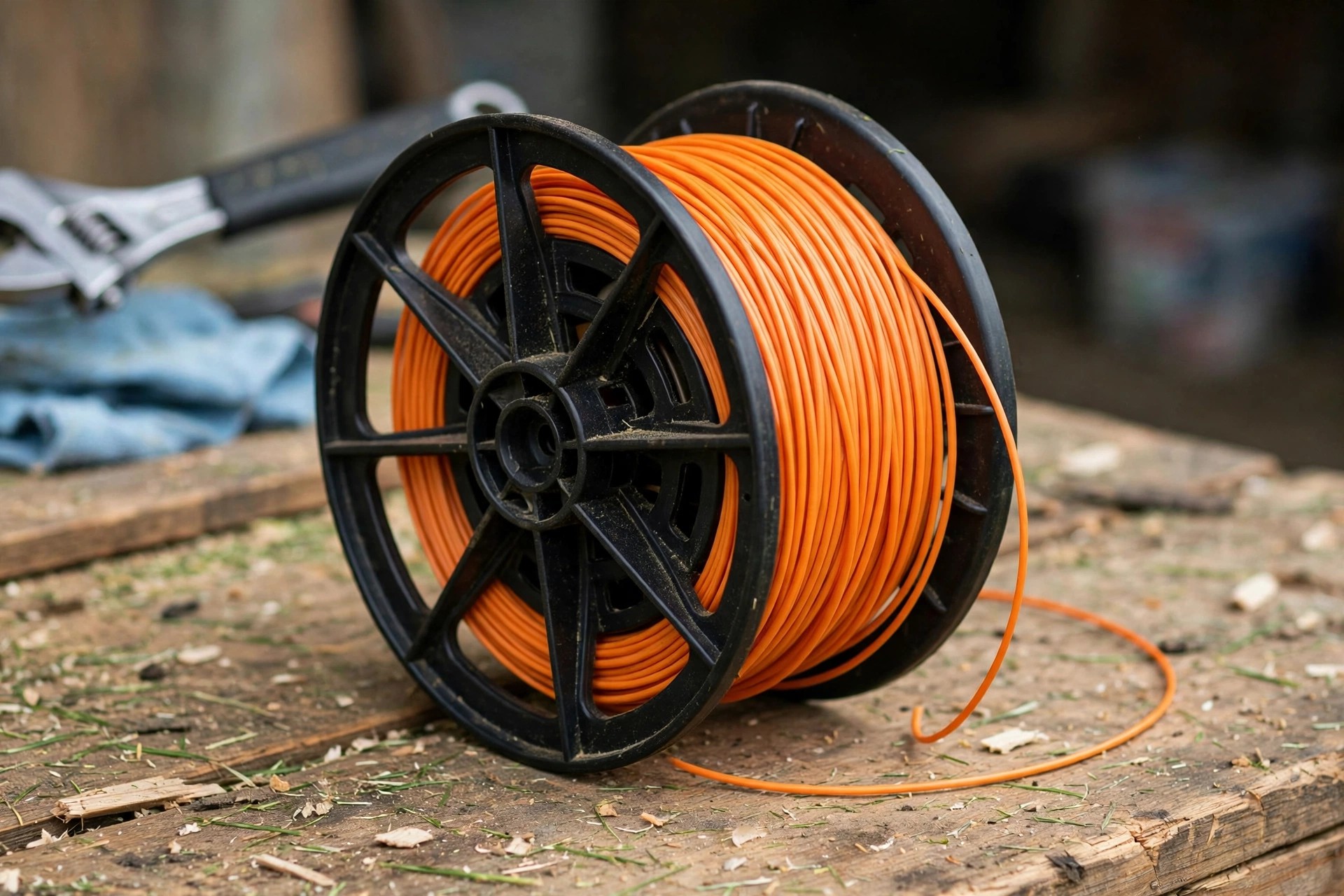
Moderate jobs need 0.080-inch line for thicker growth. This size suits most home yards with ease and care. Heavy jobs need 0.095-inch line for brush and weeds. Pros use thick line for large and dense lawns.
Check the line pack for fit before you buy more. The manual lists the exact size your model needs. Match the size to the growth you face each time. The right size gives power and precision in balance.
How Line Size Affects Trimming Results
A thin 0.065-inch line cuts precise lines near beds. It moves with ease in tight spots and small yards. It wears fast on tough growth and needs swaps often. Pick thin line only for light work each time.
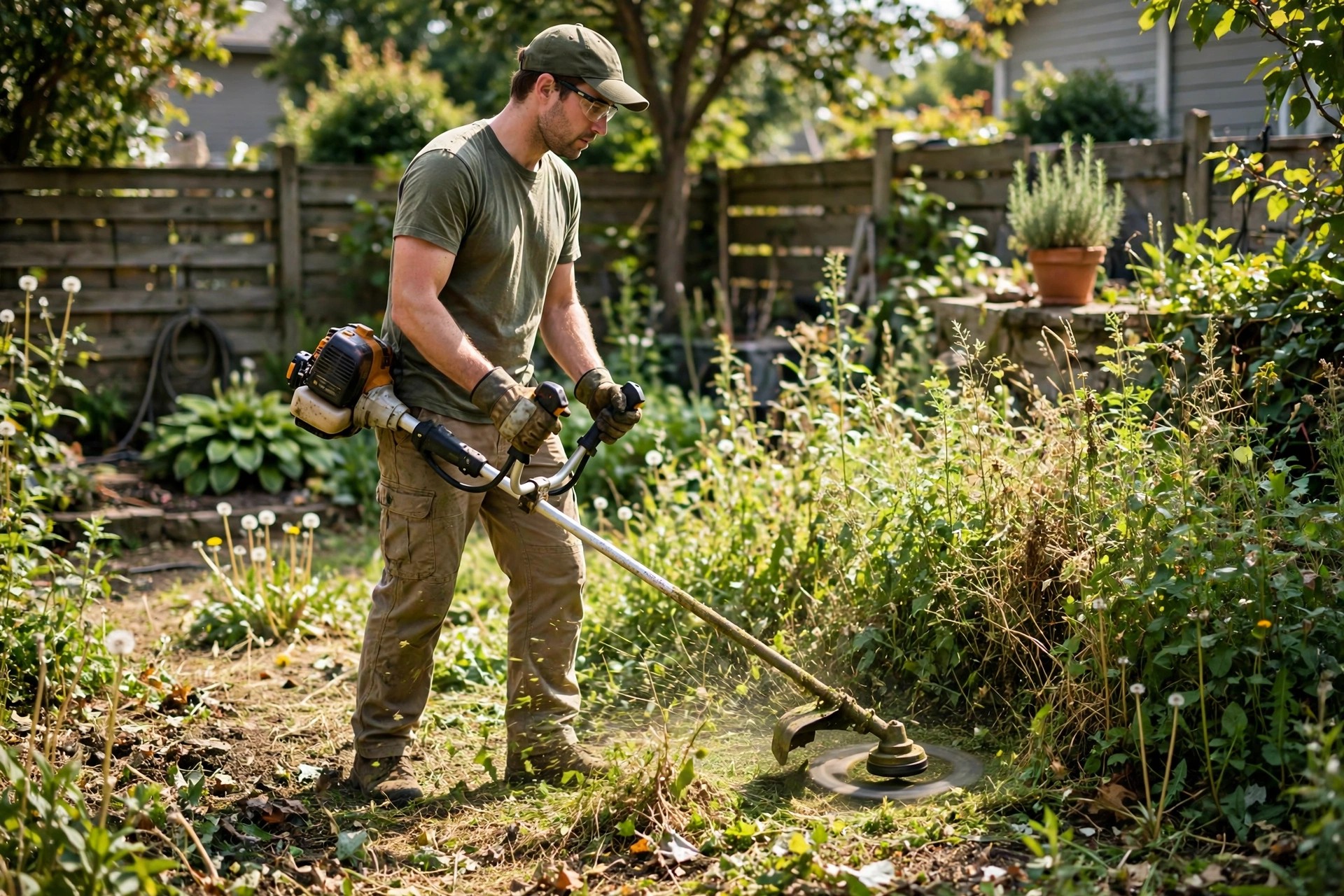
A medium 0.080-inch line suits most home yards well. It balances flex and strength for clean, even cuts. A thick 0.095-inch line powers through dense weeds. It feels less nimble but breaks far less often.
Our trimmer care guide covers trimmer care for long tool life. Our trimmer use guide explains how to use a trimmer the safe way. Our Craftsman fuel line guide shows how to swap fuel line on a Craftsman trimmer. Our line size guide covers line sizes for clean cuts each time. Our yard size guide helps you pick the right trimmer size for yards.
Frequently Asked Questions
How often should I replace the trimmer line on my Craftsman?
Line life rests on use and rough ground each time. Rough ground wears the line much faster than light grass. Inspect the line before each use for wear or harm. Swap it at once when it breaks often or cuts weak.
What types of materials can heavy-duty trimmer lines handle?
Heavy lines near 0.095 inches cut thick weeds and brush. They suit large yards and dense growth with ease. Pros use them for commercial lawns and tough jobs. Lighter lines would snap fast on such growth.
Can using the wrong line size void my Craftsman’s warranty?
The wrong size rarely voids the warranty on its own. Harm from misuse may fall outside the warranty terms. A thick line can strain the motor beyond safe limits. Follow maker sizes to keep your warranty safe.
Are there any benefits to using twisted or serrated trimming lines?
Twisted lines cut with more power and less noise. Serrated lines grip plants better for cleaner cuts. Twisted lines wear even and last longer than round lines. Try them when growth is tough and cuts turn slow.
What safety precautions should I take while using a Craftsman trimmer?
Wear goggles, gloves, long sleeves, pants and sturdy shoes. Avoid loose clothes that can catch in moving parts. Keep bystanders far from the work area at all times. Stay aware of your space to guard against harm.
These answers all come from this post itself. The sections above explain each answer in detail. Work slowly and check your results as you go.
Conclusion: What Size Line For Craftsman Trimmer
So, what size line for craftsman trimmer in short? Use 0.065-inch line for light grass and small weeds. Use 0.080-inch line for thicker grass and moderate weeds. Use 0.095-inch line for thick weeds and heavy brush.
Follow maker advice and check the trimmer before each use. Swap worn line on time and store the tool dry. Regular care keeps the trimmer working well all season long. Enjoy neat edges and smooth yard work every single day.

I’m Patricia D. Johnson, an affiliate marketer and blogger specializing in trimmers and grooming tools. I create honest reviews, buying guides, and practical tips to help readers choose the right trimmer for their needs. With a focus on quality, performance, and value, I simplify the decision-making process so consumers can make confident purchases.