Is It Better to Trim or Shave Body Hair
Readers ask one plain grooming question first. Is it better to trim or shave body hair? This guide weighs both ways in a fair, clear way. Comfort, convenience, and results decide the honest answer. Two ways, one choice. Your skin helps you pick.
Trimming shortens hair with no blade on the skin. Shaving takes hair off at the skin surface. Each way suits some skin and goals best. The Wikipedia shaving page sets out shaving basics. Neither way changes how hair grows back for good. Both ways are safe when done with care.
Men tidying chest hair face this choice a lot. Women keeping the bikini line neat face it too. Delicate areas raise the comfort stakes still more. The parts below weigh each factor in turn. Each area has its own needs.
Quick answer: Trimming is the better pick for most skin. It avoids cuts, razor burn, and itch in full. Sensitive skin that flares fast suits it best. Shaving still wins when smooth skin counts most. Your own taste and goal settle the choice.
Is It Better to Trim or Shave Body Hair: Verdict
This post gives trimming the win in all. No cuts, no razor burn, and no itch lead the case. Sensitive skin tips the scales still more toward trimming. Shaving keeps one crown: full, smooth skin for a short while. Trim first, the post says. Smooth skin is the one prize shaving holds.
| Method | What It Does | Skin Effect | Upkeep |
|---|---|---|---|
| Trimming | Shortens hair to a chosen length | Avoids cuts, burn and itch | Quick sessions, lighter upkeep |
| Shaving | Removes hair at the skin surface | Smoothest finish, more irritation risk | Frequent upkeep as regrowth appears |
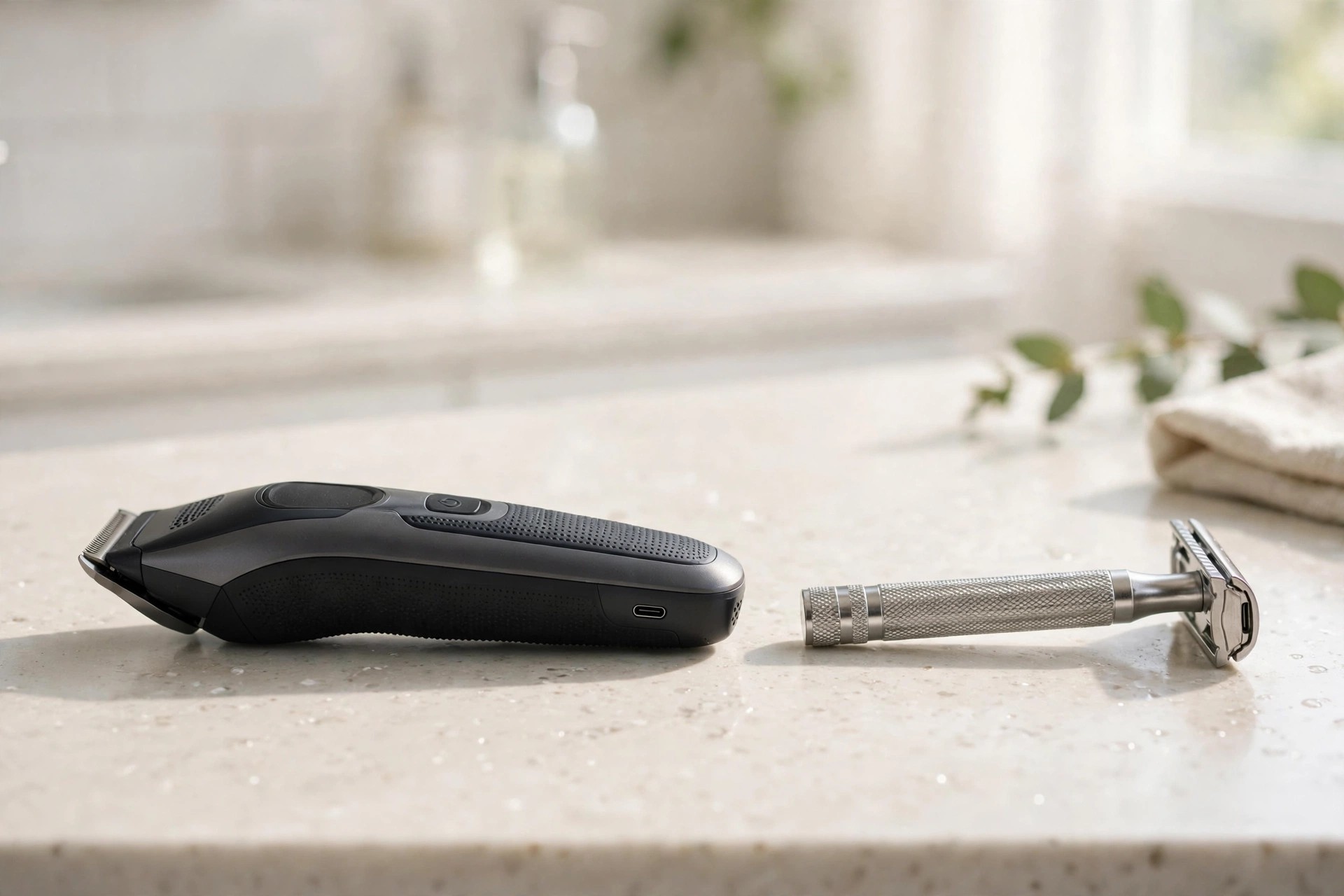
Neither way suits each person or each area. Skin type and your goal count most of all. Our body hair trimmer guide explains trimmer basics. The factors part below makes the last choice plain. No one way fits all skin.
Where Trimming Wins for Skin
No Cuts, Bumps or Irritation
Razor blades often cause nicks and cuts by chance. Sensitive areas feel those mishaps the most. Cuts can hurt and take time to heal in full. Red skin, swelling, and razor bumps often follow a shave. A blade on skin is a risk.
Trimming avoids those problems by design. Hair gets short with no sharp blade on the skin. Skin stays smooth and looks healthy after each session. Our legs guide shows trimming on larger areas. No blade, no cuts. Skin stays calm and clear.
Less Burn, Less Itch, Happier Skin
Razor burn and itch often follow as shaved hair grows back. Sharp blades can sore the skin as hair comes back. Trimming cuts the chance of both by a lot. New growth feels calmer with no blade on skin at all. Less burn means less itch. Calm skin is the goal.
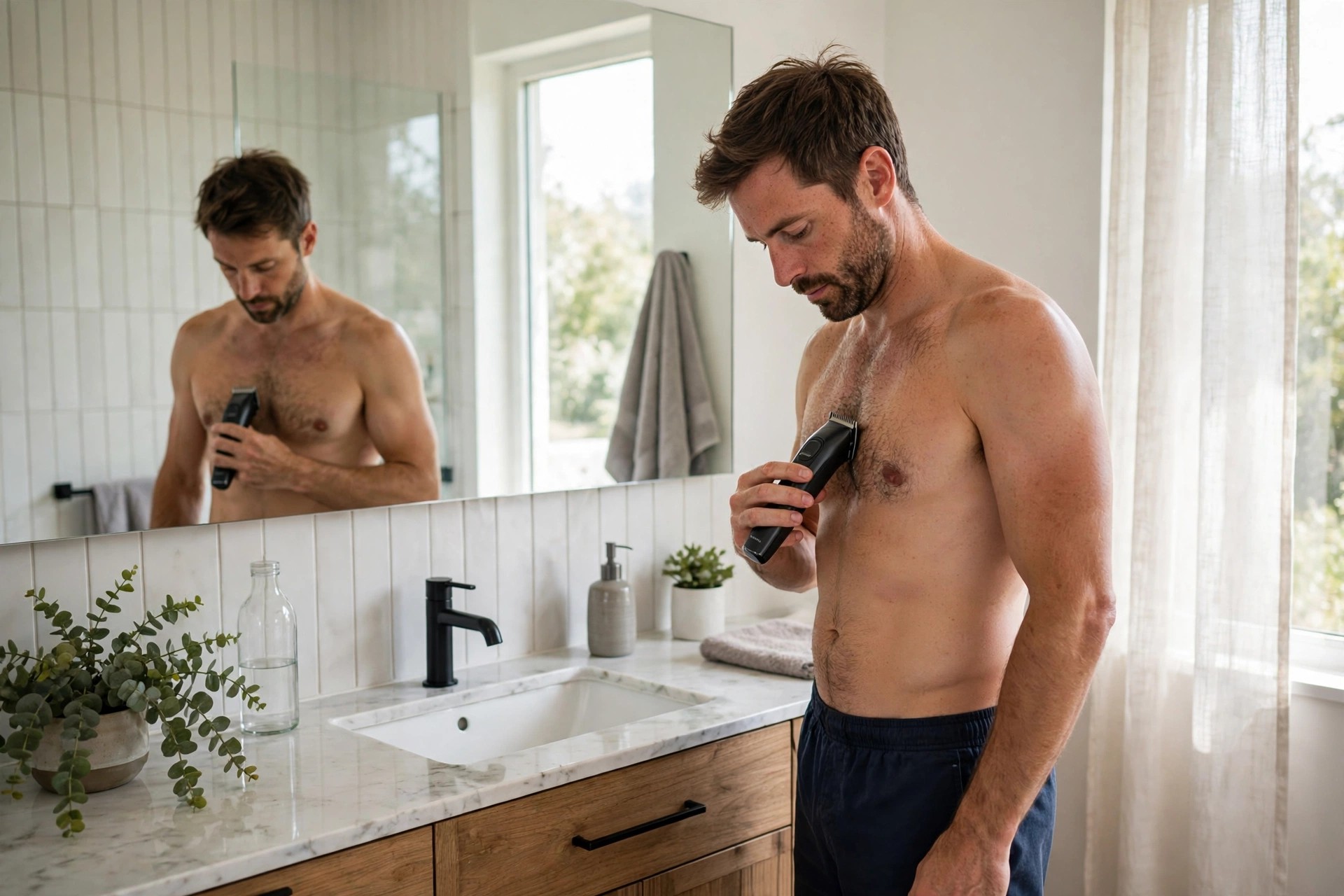
Sensitive skin that flares fast suits trimming best. Shaving can spark redness, swelling, and allergic reactions. Trimmers are made to stay gentle on skin. Bad reactions are far less likely with them. Gentle tools suit tender skin. Your skin will thank you.
Where Shaving Genuinely Shines
Shaving cuts body odor in a real way. Body hair shelters bacteria, most of all under the arms. Those bacteria make sweat smell worse. Taking the hair off takes their breeding ground away. Less hair means less smell. This gain is real.
Less odor means less deodorant use for many folks. Antiperspirant use can drop with smooth underarms too. Our body hair trimming guide shows the gentler other way. The odor gain is unique to shaving here. No trim can match this one gain.
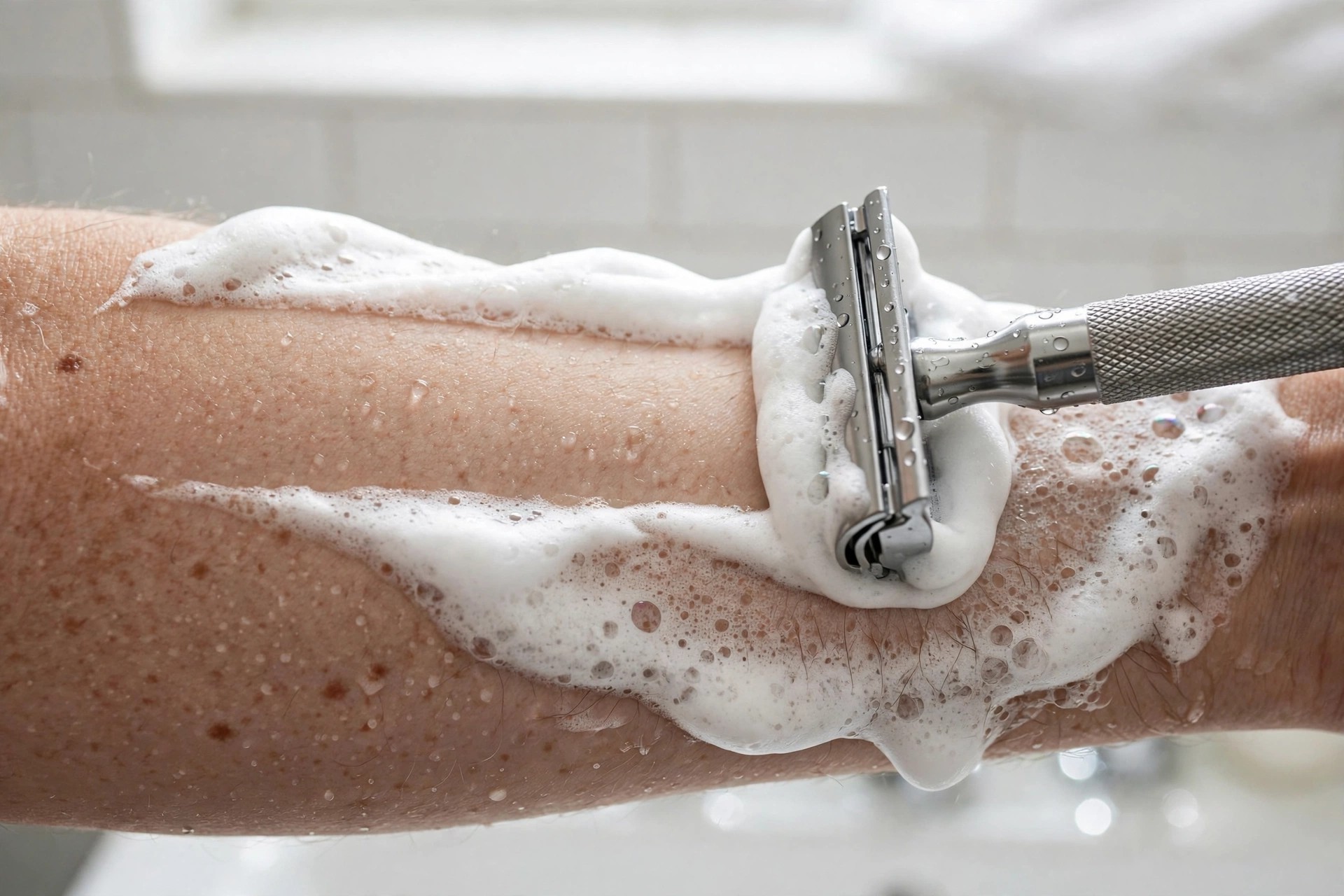
Shaving also gives smoother skin, at least for a while. Hair off at the surface looks clean right away. The smooth feel never lasts long, the post notes. Steady upkeep keeps the smooth feel in place. Smooth skin is the prize here. It just does not last.
Shaving never changes hair thickness, colour, or growth. It just leaves a blunt tip on each hair. That tip feels coarse or stubbly as it grows out. In time the hair looks and feels like itself once more. The tip is the whole trick. Hair itself stays the same.
Comfort, Skin and the Delicate Areas
Comfort clearly favors trimming in this debate. A trimmer shortens hair neatly and evenly each time. Delicate genital areas gain the most from that safety. One wrong razor move there hurts for days. Safe beats smooth in tender spots.
Please note: The comfort section says shaving removes hair completely from the root. The growth section says shaving only cuts hair at surface level. It adds that the hair follicle stays completely unaffected. Both statements stay here exactly as published originally.
Shaving gives the smoother finish, the post admits. Baby-smooth skin is its main reward. Razor burn, ingrowns, and sore skin are its costs. Sharp razors, soothing cream, and patience cut the risks. Our shaving cream guide explains cream with trimmers. Smooth skin has a price. Care keeps the price low.

Sensitive skin needs the gentlest way there is. Trimming cuts hair short with no skin friction. A good trimmer with settings you can change helps a lot. Shaving needs skin prep first: a scrub and moisturizer. Gentle wins for tender skin. Prep is a must for a shave.
Ease weighs against the result you want. Trimming stays quick and easy for length control. Shaving takes more time and care per session. Fully hair-free skin still needs shaving, though. Quick or smooth: you pick. Time counts in this choice.
What Shaving Really Does to Regrowth
One stubborn myth claims shaving makes regrowth thicker for good. The post debunks that claim in a clear, direct way. Shaving only cuts hair at the surface level. The follicle stays unaffected by surface cutting in full. The myth is just that: a myth. Skin-deep cuts change nothing below.
Regrowth can look thicker and darker for a while, though. A blunt cut angle explains that look in an honest way. The blunt tip feels coarser as it comes out. In time, hair gets back its natural texture and colour. The look fools the eye. The feel fools the hand.
Growth cycles vary by person, so set your hopes with care. Genetics and hormones set how fast hair grows back for each of us. A regular scrub keeps regrowth smoother and calmer. Moisturizer also cuts sore skin as hair grows back. Calm care helps new growth. Each body keeps its own pace.
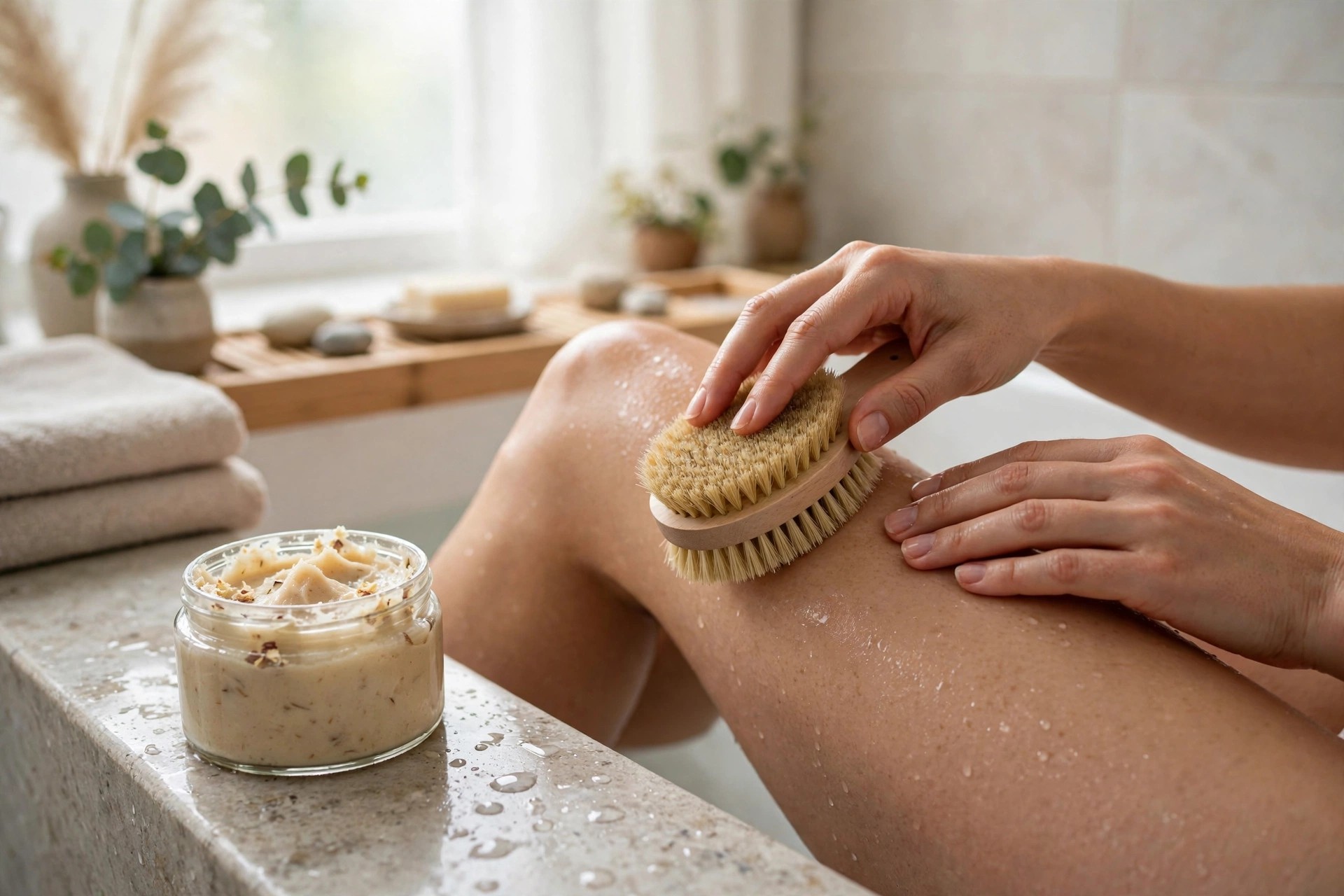
Sharp, clean razors protect skin during every shave. Shaving in the growth direction prevents ingrown hairs. The Wikipedia hair removal page weighs other methods. Those habits keep both ways kinder to skin.
Choose by Length, Skin and Time
| Factor | What the Post Says |
|---|---|
| Hair length | Trimming keeps shorter length; shaving removes fully |
| Skin sensitivity | Sensitive skin favors trimming clearly |
| Time and effort | Trimming quicker; shaving demands more |
| Growth speed | Fast regrowth favors trimming ease |
Sensitive skin points clearly toward trimming each time. It cuts sore skin and razor burn risks a lot. Comfortable grooming beats chasing smoothness for reactive skin. The length you want points many readers toward trimming too.
Trimming controls length while keeping natural texture visible. Shaving wins only when smoothness is the priority. It offers a close, fully hair-free finish instead. Our body hair guide weighs trimming benefits further.
Tips for Better Results Either Way
Pick a quality trimmer with settings you can change first. Trim in the direction of hair growth at all times. Clean and oil the trimmer blades often too. Those habits keep trim results even and neat. Good tools do half the work.
Use a sharp razor with multiple blades instead. Prep skin with a scrub and moisturizer before you shave. Shave in the direction of hair growth, with ease. Swap razor blades often for best results and safety. A fresh blade is a safe blade.
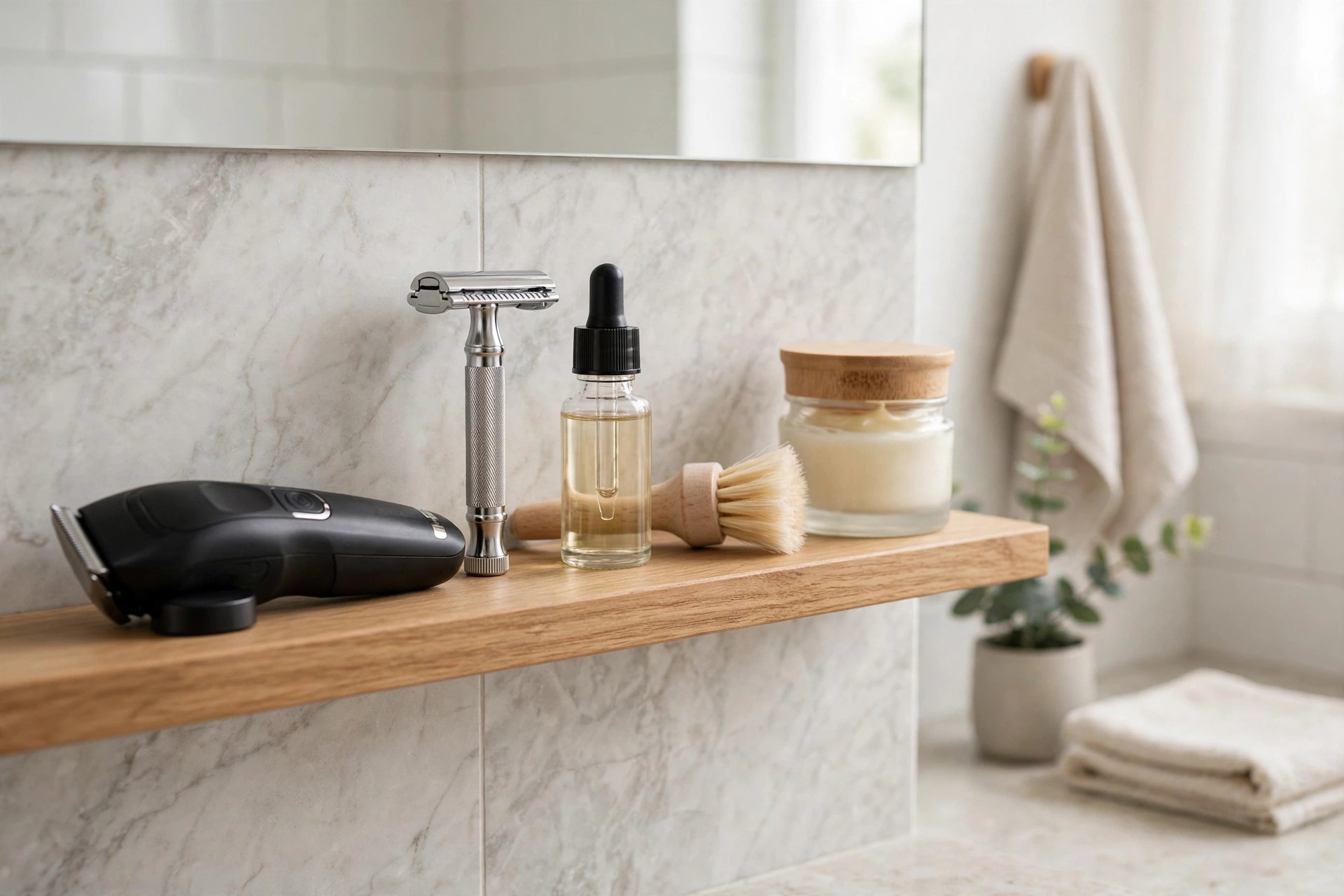
Buying the right tool matters for both ways. Our buying guide shows where trimmers are sold. Delicate-area grooming deserves purpose-built tools and patience. Our pubic trimming guide covers that area in full. The right tool makes the job safe.
Frequently Asked Questions
Is trimming better than shaving body hair?
Yes, trimming avoids cuts, bumps, and burn. It also avoids the itch of regrowth. Sensitive skin that flares fast suits it best. Trimming keeps length in check with no stubble risk.
Is it recommended to shave body hair?
Yes, the post says shaving is a sound pick in all. Shaving cuts odor by taking off bacteria-breeding hair. Underarm hair shelters the bacteria behind sweat smell. Trimming stays better for sensitive skin, though. Shaving never changes thickness or growth rate either.
Will my body hair grow thicker if I trim it?
No, trimming never makes body hair grow thicker. Shaving just gives hair a blunt tip. That tip may feel coarser or stubblier for a while. Thickness, colour, and growth rate stay the same.
Is trimming better for skin than shaving?
Yes, trimming is kinder to skin in all. It avoids cuts, bumps, razor burn, and itch. Length stays in check with no sore skin or ingrown hairs. Sensitive skin gains the most from that gentle touch.
Does shaving body hair reduce body odor?
Yes, shaving can cut body odor by a lot. Hair in areas like underarms shelters bacteria colonies. Those bacteria thrive under the cover of hair. Taking hair off cuts odor and deodorant needs a lot.
Both ways reward clean tools and a calm technique. Skin prep decides comfort more than the method alone. Listen to your skin after each session with care. Change the routine when sore skin keeps coming back. Your skin tells you the truth.
Conclusion: Is It Better to Trim or Shave Body Hair
So, is it better to trim or shave body hair? The answer turns on your taste and the result you want. Trimming keeps a neat, groomed look with control. It suits shaping areas and cutting length with care. Sensitive skin usually settles the question toward trimming.
Shaving gives a smoothness that trimming cannot match in full. It demands more frequent upkeep against stubble, though. Proper skin care prevents sore skin under either method. Choose whichever feels most comfortable and confident for you. Your skin, your call, every single time.