
How Much to Charge for String Trimming
Pricing a trimming job worries many new lawn pros. Knowing how much to charge for string trimming helps. Rates shift with lawn size and job difficulty. Extra services also push the final quote upward. Fair pricing protects profit and attracts steady customers.
The post opens with one simple hourly range. Its own FAQ later quotes a higher range. Both figures stay below exactly as written there. Market research keeps any quote fair and competitive. Equipment upkeep and fuel costs also matter greatly.
This guide walks through the main pricing factors. It covers hourly rates and pricing structures too. It also explains upsells and client negotiation basics. Every figure below comes from this post alone.
Quick answer: The post says charge around $20 to $40 hourly. Rates vary with area size and job difficulty. Extra services can raise the final price further. Hiring a professional costs $50 to $100 hourly instead. Market research keeps quoted prices fair and competitive.
How Much to Charge for String Trimming: The Short Answer
The quick table below mirrors the post. Two different hourly ranges appear inside it. Later sections explain each range in context.
| Pricing Basis | What the Post Says |
|---|---|
| Opening hourly rate | Charge around $20 to $40 per hour |
| Hiring a professional | Pay around $50 to $100 per hour |
| Flat rate model | One fixed amount for each trimming job |
| Tiered model | A set price for each property size tier |
| Custom model | A quote built after assessing the property |
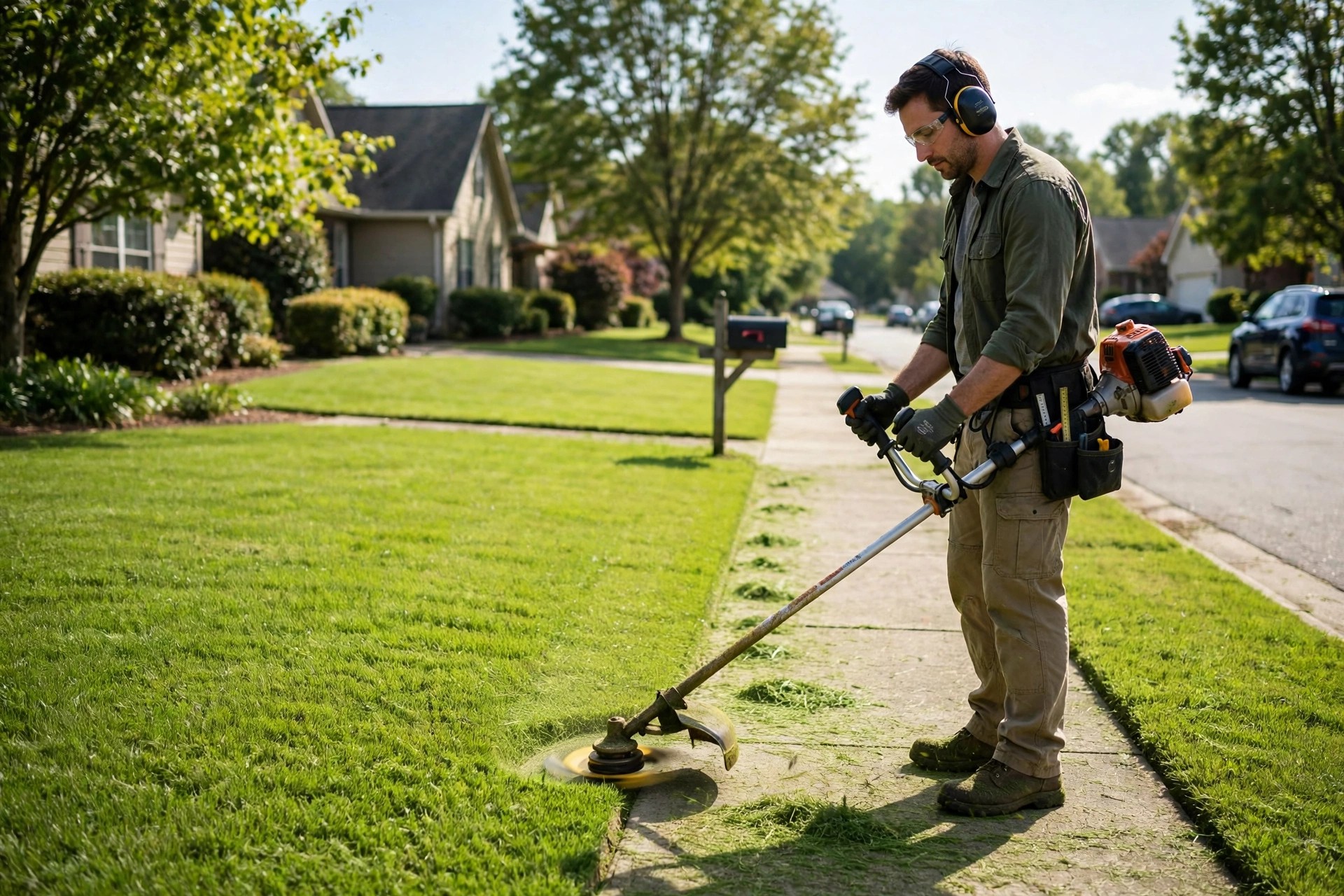
Please note: The two hourly ranges differ inside this post. The opening answer says charge $20 to $40 hourly. The hiring FAQ quotes $50 to $100 hourly instead. Both ranges stay exactly as the post states.
The Wikipedia string trimmer page covers the tool behind the service. Our string trimmer mechanics guide explains the spinning line action. Our electric weed eater price guide prices the tools themselves instead. Comparing both sides prevents undercharging for real work.
Factors That Shape the Final Price
Property size shapes the time any job takes. Intricate landscapes and tight corners demand extra effort. Dense vegetation slows the cutting work down considerably. Obstacles around the area complicate every pass made.
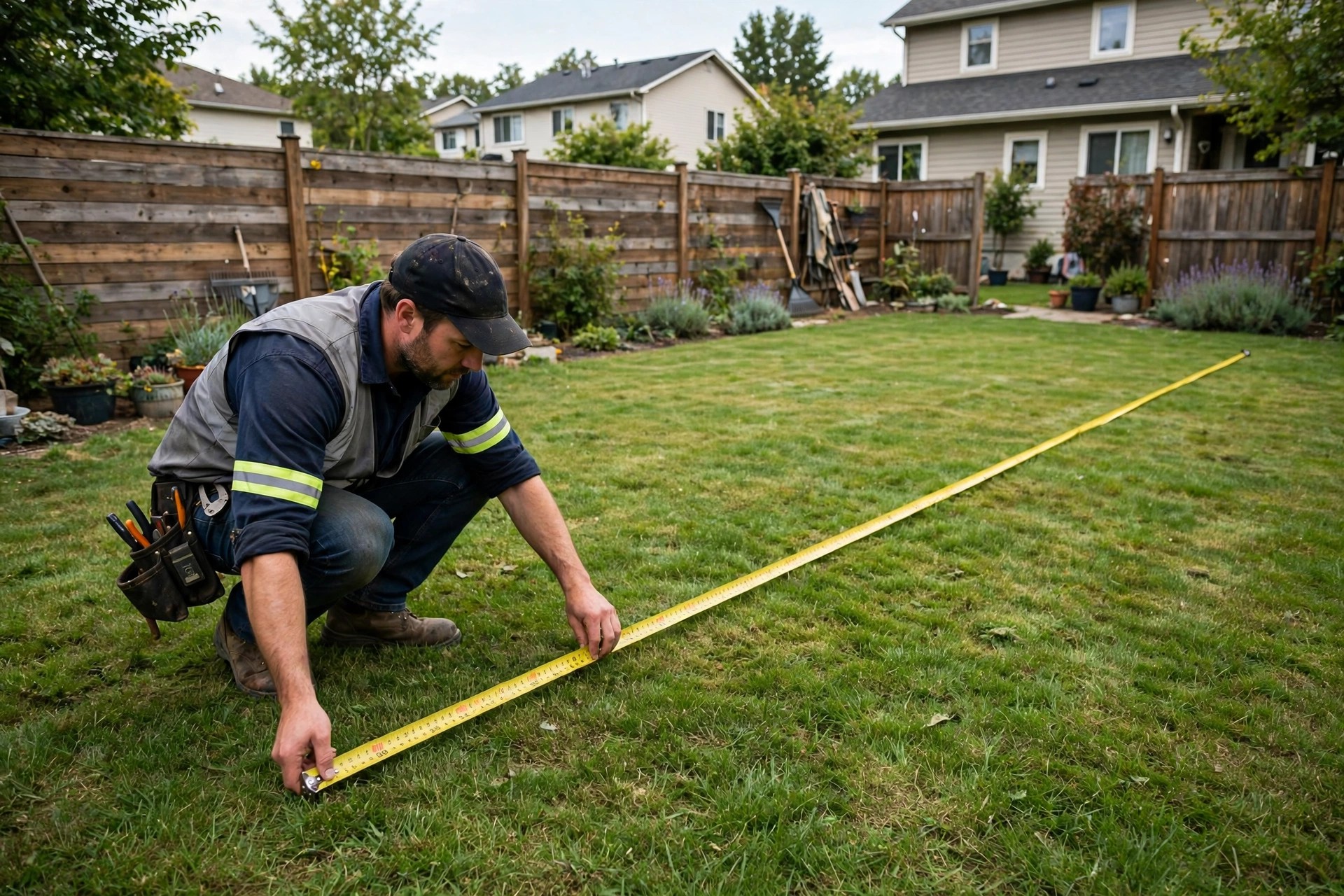
Competitor prices reveal the going local market rates. Regional living costs shift what clients accept paying. Supply and demand also move local prices noticeably. Matching regional norms keeps quotes realistic and attractive.
Our edging technique guide shows the detailed edging work involved. Our vinyl fence answer covers one common obstacle concern nearby. Honest assessment keeps every quote fair and transparent.
Working Out a Fair Hourly Rate
Experience and expertise justify charging higher hourly rates. Seasoned pros deliver quality that clients happily pay for. Market rates anchor any new quote in reality. Underpricing undervalues the service and hurts the business.

Desired income sets the baseline for rate calculations. Realistic billable hours account for weather and availability. Fuel, maintenance and insurance costs belong in rates. A profit margin keeps the business sustainable long term.
Overhead includes rent, utilities, advertising and administration costs. Total those costs across one full working month. Divide the total by realistic monthly billable hours. Add that hourly overhead figure to the rate.
Pricing Structures: Flat, Tiered and Custom
Flat rate pricing charges one fixed job amount. Customers know the exact cost before work starts. The rate must stay fair and locally competitive. Time, equipment and expertise shape that flat figure.
| Tier | Property Size |
|---|---|
| Tier 1 | Less than 1,000 square feet |
| Tier 2 | 1,000 to 2,000 square feet |
| Tier 3 | 2,001 to 3,000 square feet |
Tiered pricing sorts properties by their square footage. Larger properties sit in higher priced tiers naturally. Smaller lawns receive lower prices through discounts offered. Its example table leaves prices as fill-in placeholders.

Custom pricing suits properties with unusual individual needs. Uneven terrain and overgrown vegetation change the quote. A thorough assessment comes before any custom figure. Our corded trimmer answer compares tool choices affecting job costs.
Upselling Extras and Agreeing the Price
A careful property assessment reveals natural upsell opportunities. Overgrown shrubs may need pruning beyond basic trimming. Weeds and bare patches suggest extra paid services. Package deals bundle services at attractive combined prices.

Clear expectations prevent misunderstandings before any work begins. Explain exactly what the quoted price includes today. Listening carefully to clients builds rapport and trust. Explaining price factors answers most client concerns directly.
Discounts can reward regular contracts and referrals kindly. Flexibility inside a reasonable range closes more deals. Our stalling trimmer guide covers one breakdown clients often face. Our lawn edger starting guide covers the edging cousin tool nearby.
Frequently Asked Questions
How much does it cost to hire a professional for string trimming?
The cost depends on several job factors here. Area size and vegetation condition lead the list. Location also shifts the final figure charged locally. On average, professionals charge $50 to $100 hourly.
What factors affect the pricing of string trimming services?
Area size strongly influences the final service price. Vegetation density and height matter a great deal. Accessibility and required skill level also count heavily. Geographic location and company overhead expenses count too.
Can I save money by doing string trimming myself?
Doing the work yourself can save money upfront. Professionals finish faster with the right equipment though. They also remove the hassle and risks involved. Weigh your skills, time and job scale first.
Is there a minimum charge for string trimming services?
Many providers set a minimum charge per visit. It covers equipment mobilization and travel logistics involved. The exact amount varies by company and location. Ask about it when requesting service quotes directly.
What pricing structures do string trimmers use?
Flat rate pricing charges one fixed job amount. Tiered pricing sorts properties by square footage bands. Custom pricing follows a full property assessment first. Each model balances fairness with customer satisfaction goals.
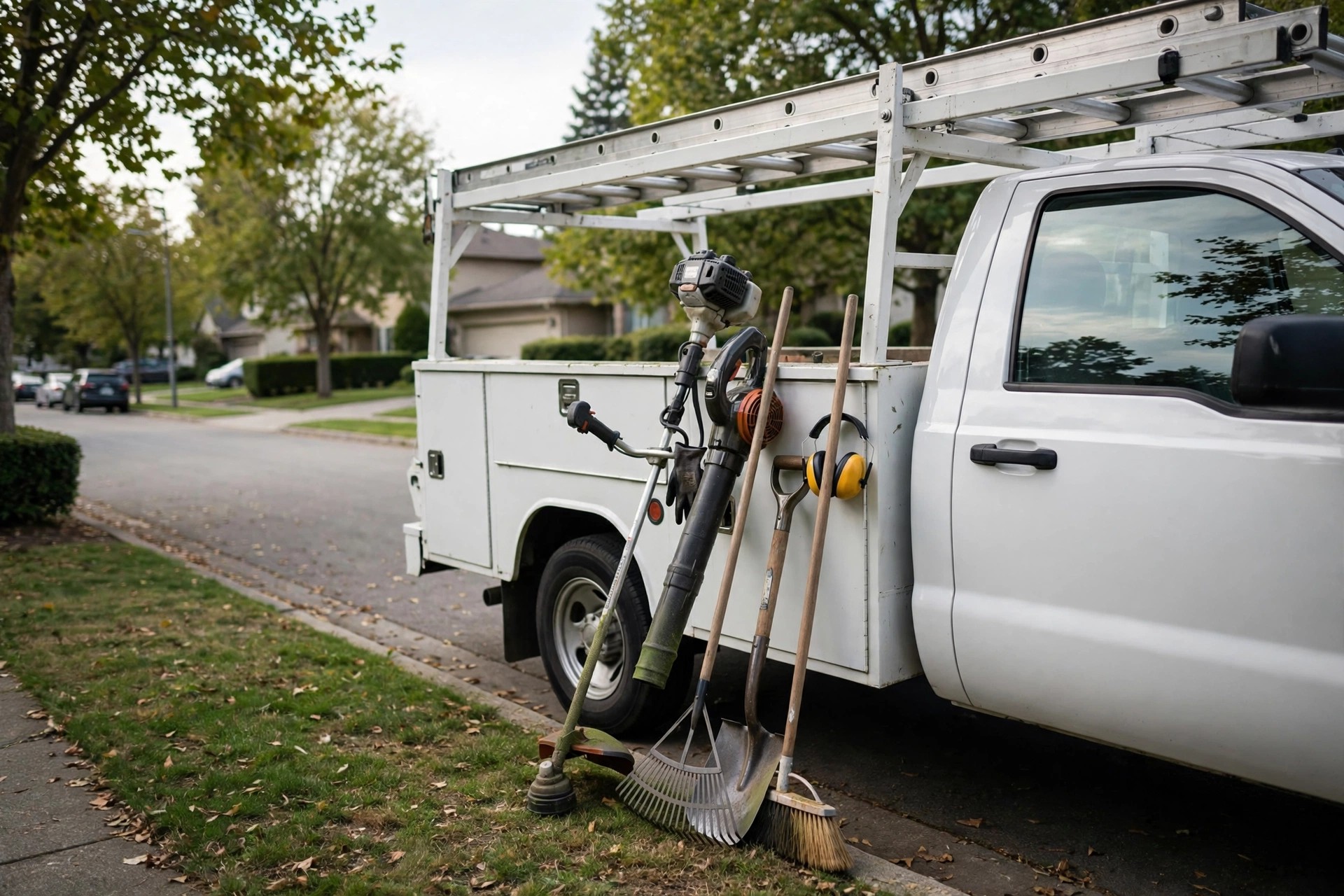
The Wikipedia lawn page explains basic lawn care background further. Regular trimming keeps edges neat between professional visits. Fair pricing keeps both sides happy long term.
Conclusion: How Much to Charge for String Trimming
So, how much to charge for string trimming overall? Fair prices balance lawn size and job complexity. Local going rates anchor every quote in reality. Clear communication shows the value behind the price. Experience and expertise deserve honest compensation every time.
Stay flexible around genuine customer requirements and budgets. Satisfied customers return and recommend the service widely. The right balance builds a successful trimming business. Review rates periodically as costs and demand change. Profit follows pricing that respects both sides fairly.