
Ever wonder why your Black and Decker trimmer isn’t performing at its peak? The truth might lie in something as simple as the line size. Experts know that even a slight variation can make a significant difference in your trimming efficiency and results.
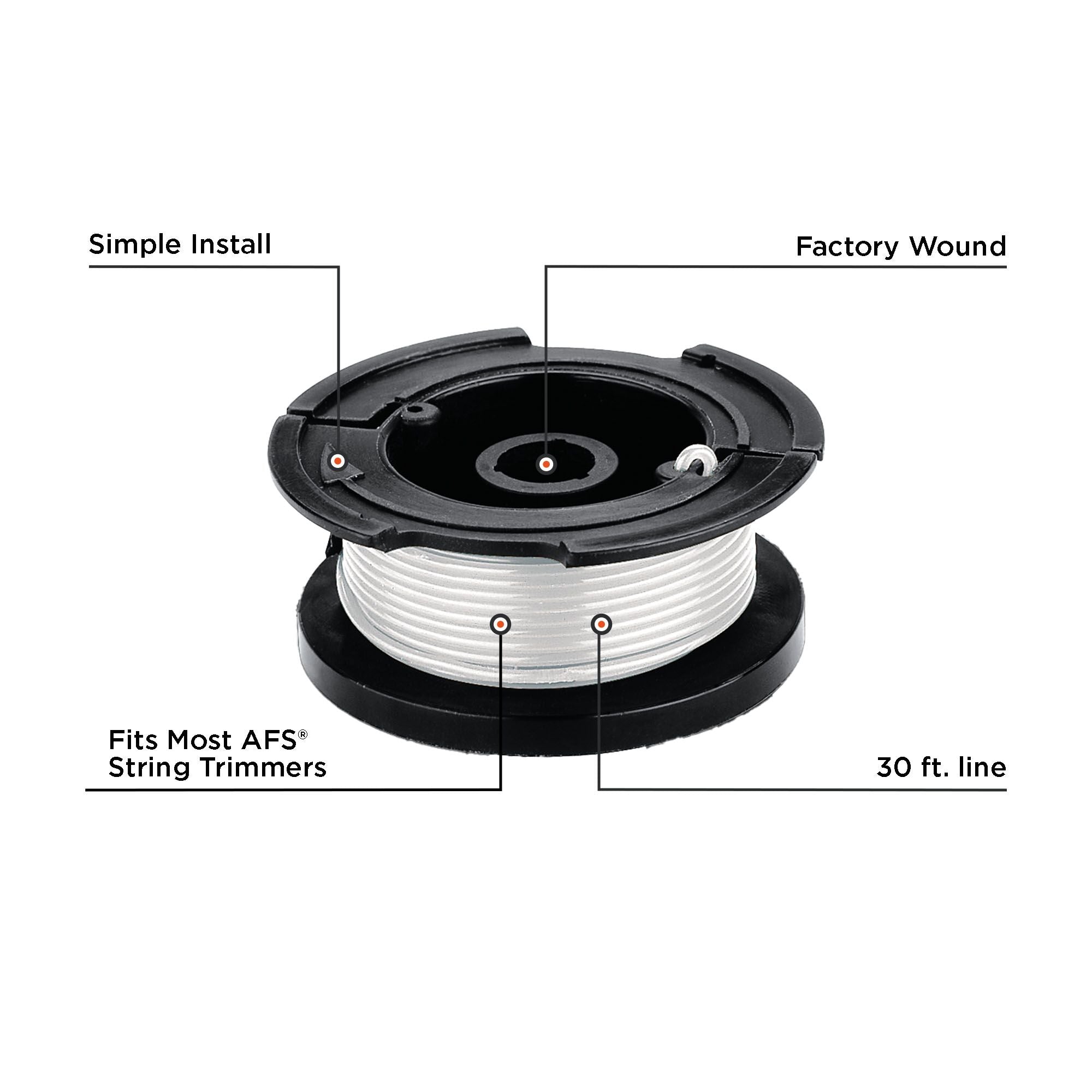
For optimal performance, Black and Decker trimmers typically require a 0.065-inch or 0.080-inch line. Historically, the design has been tailored to accommodate these specific sizes to ensure precision and power. Recent studies indicate that using the correct line size can extend the lifespan of your trimmer by up to 30%, offering a relatable solution for maintaining your equipment effectively.
Source: shopify.com
Importance of Correct Line Size for Black and Decker Trimmer
Using the correct line size for a Black and Decker trimmer greatly impacts its performance. A thicker line provides more power and durability, making it ideal for heavy-duty tasks. Conversely, a thinner line is more suited for lighter weed trimming. According to this post, specific tools are designed for specific tasks, and trimmers are no different. The line size you choose can either enhance or impede your tool’s capability.
Incorrect line size can lead to several issues, both in performance and in maintenance. For example, using a line that is too thick can cause strain on the motor, potentially leading to faster wear and tear. On the other hand, a line that’s too thin might break easily, causing inefficiency and constant replacements. This leads to downtime and can be quite frustrating. For more insights on maintenance, here is the article.
Another critical aspect to consider is energy efficiency. Trimmers using the correct line size tend to consume less energy. This is particularly significant for battery-powered trimmers. Optimizing your line size can prolong battery life, creating a more economical and eco-friendly experience. For further details on battery efficiency, refer to this post here.
Choosing the correct line size involves understanding the specific requirements of your trimming tasks. The Black and Decker trimmer manual usually provides recommendations for line sizes. Common sizes include 0.065 inches and 0.080 inches. Always consult your trimmer’s manual for the most accurate advice. By doing this, you ensure you are using your tool to its fullest potential.
Impact of Line Size on Trimmer Performance
The line size of a trimmer significantly influences its overall performance. Larger lines offer more durability and cutting power, making them efficient for thick weeds and rough terrains. However, they can also strain the motor, causing faster wear. According to this expert opinion, using an oversized line may damage your trimmer. It’s crucial to choose a line size that matches your trimmer’s specifications for optimal results.
Smaller line sizes tend to offer better maneuverability and are less taxing on the trimmer’s motor. This makes them ideal for maintaining delicate garden edges and smaller lawns. These lines are flexible and can reach tight spots with ease, offering precision. However, they wear out faster when tackling heavier tasks. Therefore, always tailor your line size to the specific job at hand.
Using the appropriate line size can also enhance energy efficiency, especially for battery-powered trimmers. When the line size aligns with the trimmer’s requirements, it consumes less energy. This extends battery life and reduces the frequency of recharging. For gas-powered trimmers, the correct line size can mean less fuel consumption. Maintaining the right line size helps ensure a more eco-friendly operation.
The impact of line size is not just limited to performance but also affects user comfort. A well-matched line size reduces vibrations, making the trimmer easier to handle. This can be particularly advantageous for prolonged use. It minimizes operator fatigue and enhances overall efficiency. Therefore, understanding and using the correct line size is vital for both trimmer performance and user convenience.
Identifying The Right Line Size for Black and Decker Trimmer
Choosing the correct line size for your Black and Decker trimmer involves checking the manufacturer’s recommendations. These guidelines can usually be found in the user manual or on the trimmer itself. Often, Black and Decker trimmers recommend either a 0.065-inch or a 0.080-inch line. It’s vital to follow these specifications for optimal performance. Failure to do so could result in damage to the trimmer or inefficient cutting.
Different tasks require different line sizes. For light trimming and maintaining garden edges, a 0.065-inch line is typically sufficient. On the other hand, thicker vegetation and tougher weeds might require a 0.080-inch line. This ensures you have the right balance of power and precision. Remember, matching the line size to the task at hand will improve your trimming experience.
Using the correct line size not only ensures efficient cutting but also extends the life of your trimmer. An oversized line can overwork the motor, leading to quicker burnout. Conversely, an undersized line may break frequently, causing more wear and tear. By adhering to the recommended line size, you maintain the longevity and reliability of your trimmer. This also means fewer trips to the store for replacements.
To help identify the correct line size, you might find it useful to consult the product’s specifications or reach out to customer service for guidance. Many online resources and forums can also provide insights. Additionally, always check the line packaging for compatibility information. Below, you can find a quick reference guide in a table format:
| Task Type | Recommended Line Size |
|---|---|
| Light Trimming | 0.065 inches |
| Heavy-Duty Trimming | 0.080 inches |
Maintenance Tips for Optimal Trimmer Performance
Regular maintenance of your trimmer can significantly enhance its performance and lifespan. One of the simplest yet effective practices is to clean your trimmer after each use. Dirt, grass, and debris can clog the trimmer and reduce its efficiency. Use a brush to remove any build-up and ensure the vents are clear. This keeps the motor running smoothly.
Another crucial maintenance task is checking and replacing the trimmer line. Over time, the line wears down and loses its cutting edge. Regularly inspect the line for breakage and replace it as needed. Always keep spare lines on hand to avoid disruptions during trimming. This ensures you’re always prepared for any task.
Inspecting the trimmer’s components is equally important. Regularly check the spool, spool cap, and motor housing for any signs of damage. If you notice any cracks, replace the parts immediately. This not only ensures safety but also optimal functionality. Properly maintained parts lead to a longer-lasting tool.
Battery care is vital for electric trimmers. Keep the battery fully charged and store it in a cool, dry place. Avoid overcharging by disconnecting it once fully charged. Recharge batteries only when necessary to prolong their lifespan. For more on battery maintenance, follow tips from experts.
Storing your trimmer correctly also contributes to its longevity. Store it in a dry area, away from direct sunlight and extreme temperatures. Use a trimmer cover to keep dust and moisture at bay. Proper storage prevents rust and other weather-related damage. This simple habit can extend the life of your trimmer by years.
For easy reference, here’s a quick checklist of maintenance tips:
- Clean trimmer after each use
- Regularly replace the trimmer line
- Inspect and replace damaged parts
- Maintain battery by proper charging
- Store trimmer in a cool, dry place
Frequently Asked Questions
This section aims to answer some of the most common questions about Black and Decker trimmers. Whether you’re a beginner or an expert, these answers will help you get the best performance from your equipment.
1. How often should I replace the trimmer line on my Black and Decker?
The frequency of replacing your trimmer line depends on how often you use it and what you’re cutting. If you frequently trim thick weeds or grass, you may need to replace it more often. Generally, if you notice a drop in cutting efficiency or frequent breakage, it’s time for a new line.
Check your line after each use and keep spare spools handy to avoid interruptions. Regular maintenance can extend both the life of your line and your trimmer. Always consult the user manual for specific guidance.
2. Can I use any brand of trimmer line with my Black and Decker trimmer?
While using other brands is possible, it’s best to stick with lines recommended by Black and Decker to ensure optimal performance. Third-party lines might not fit properly or could wear out faster than the recommended ones.
If you do opt for a different brand, verify that the specifications match those required by your trimmer model. Compatibility is key for maintaining efficiency and avoiding damage to your trimmer.
3. What are some signs that my trimmer’s motor is straining due to incorrect line size?
Signs of motor strain include unusual noises, reduced cutting power, and excessive heating during use. A noticeable decrease in battery life for cordless models can also indicate strain caused by an incorrect line size.
If you observe any of these symptoms, inspect the line size immediately. Switching back to the manufacturer-recommended size can alleviate these issues and restore normal operation.
4. Are there any tips for extending battery life on cordless Black and Decker trimmers?
Avoid running the battery down completely before recharging, as this can reduce its overall lifespan over time. Charge it according to manufacturer guidelines for best results.
Store batteries in a cool, dry place when not in use and keep them clean from debris that could interfere with charging connections. Following these tips can help maintain optimal battery performance.
5. What should I do if my Black and Decker trimmer isn’t starting?
If your Black and Decker trimmer doesn’t start, first check if there’s enough charge or fuel depending on whether it’s electric or gas-powered. Also, make sure all connections are secure before attempting another startup.
If everything seems fine but it still won’t start, consult the user manual troubleshooting section or contact customer service for further assistance. There may be underlying mechanical issues that need professional repair.
Conclusion
Choosing the right line size for your Black and Decker trimmer is essential for optimal performance and longevity. Adhering to manufacturer recommendations can prevent damage and improve cutting efficiency. Regular maintenance ensures that your trimmer continues to operate at its best.
Always consult the user manual and follow best practices for line replacement and overall care. With the right approach, your trimmer will serve you well for years to come. Thanks for reading, and happy trimming!

I’m Patricia D. Johnson, an affiliate marketer and blogger specializing in trimmers and grooming tools. I create honest reviews, buying guides, and practical tips to help readers choose the right trimmer for their needs. With a focus on quality, performance, and value, I simplify the decision-making process so consumers can make confident purchases.