
Have you ever considered the intricacies involved in maintaining a perfectly manicured lawn or garden? The tool making this tedious task manageable for professionals and homeowners alike is the line trimmer. Without it, those precise edges and finely trimmed grasses would be nearly impossible to achieve with just a lawnmower.
Introduced in the 1970s, line trimmers, also known as string trimmers, have revolutionized the landscape maintenance industry. Featuring a rapidly spinning monofilament line, these devices can efficiently cut through grass and weeds, offering a level of precision previously unattainable with traditional tools. It’s fascinating to note that the demand for line trimmers has surged by over 60% in the last decade, reflecting their indispensable role in modern gardening and landscaping practices.
Definition and Function of a Line Trimmer
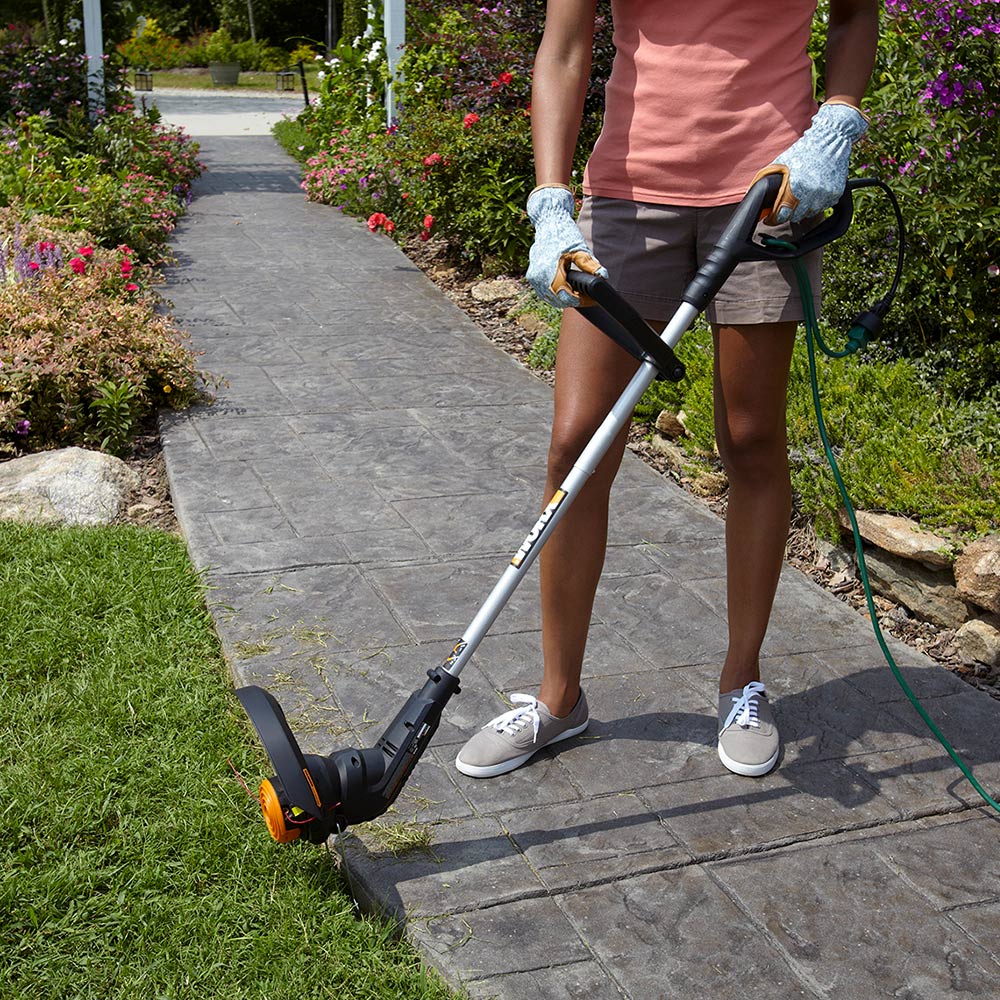
A line trimmer, also known as a string trimmer, is a tool used primarily for cutting grass and weeds at the edges of lawns and gardens. It operates with a rotating monofilament line instead of a blade, making it ideal for trimming areas that are difficult to reach with a traditional lawnmower. This makes the line trimmer a favorite among gardeners and landscapers. According to this post, its design allows for more precision in landscaping tasks. Many modern line trimmers are cordless, offering enhanced mobility and convenience.
The basic function of a line trimmer is to trim grass and weeds using a thin line that spins at high speed. The speed of the spinning line allows it to cut through the grass effectively. Additionally, the line can be replaced easily when it wears down, ensuring the tool remains efficient. Line trimmers come in different types, including electric, battery-powered, and gas-powered models. Each type has its advantages, catering to various needs and preferences.
Line trimmers are incredibly versatile. They can be used in a range of settings, from residential lawns to larger commercial landscapes. Unlike lawnmowers, they can reach areas around trees, fences, and other obstacles. This ability to cover tricky spots makes them essential for anyone looking to maintain a neat garden or lawn. If you’re curious about how to replace the line, you can check here is the article.
Choosing the right line trimmer depends on the size of the area and the type of vegetation. For instance, battery-powered models are excellent for small to medium-sized lawns, while gas-powered ones are better for larger areas with tougher vegetation. Furthermore, some trimmers come with adjustable shafts and handles, adding to their convenience. When used correctly, a line trimmer can significantly enhance the appearance of any outdoor space.
Brief History of Line Trimmers
The line trimmer, also known as a string trimmer, was invented in the early 1970s. George Ballas, a businessman from Houston, Texas, came up with the concept after observing the way his car’s spinning brushes cleaned its surface without damaging it. He adapted this idea to create a tool that could trim grass and weeds without harming trees and fences. His first prototype used fishing line threaded through a tin can. This was the beginning of a tool that would revolutionize lawn care.
Commercial production of line trimmers started soon after Ballas’s invention caught the attention of garden tool manufacturers. The initial models were heavy and required significant physical effort to use. However, rapid technological advancements soon led to lighter and more efficient designs. By the 1980s, line trimmers had become a common household tool. Various improvements, such as ergonomic handles and durable lines, made them even more user-friendly.
The introduction of battery-powered line trimmers in the late 1990s marked another significant milestone. These models provided users with increased mobility and eliminated the need for gas or long cords. Many homeowners appreciated the convenience and ease of use these battery-powered versions offered. According to this expert opinion, the debate on whether to call them line trimmers or string trimmers is ongoing. No matter what they are called, their impact on lawn care is undeniable.
Today, line trimmers come in various models to suit different needs. From heavy-duty gas-powered trimmers for large properties to compact battery-powered models for small yards, there is a trimmer to match every requirement. Some modern versions even include features like adjustable shafts and easy line-replacement mechanisms. With their continuous evolution, line trimmers remain essential tools for maintaining beautifully manicured lawns.
Different Types of Line Trimmers
Line trimmers come in various types, each designed to meet specific needs and preferences. Electric line trimmers are popular for their lightweight design and ease of use. These models require an electric cord, which can limit mobility but also means they don’t run out of power. They are ideal for small to medium-sized lawns. Electric trimmers are typically quieter and more environmentally friendly compared to gas-powered models.
Battery-powered line trimmers have gained popularity due to their cordless convenience. These trimmers use rechargeable batteries, providing greater mobility without the hassle of managing a power cord. They are suitable for suburban homes with medium-sized lawns. While battery life can be a limitation, advancements in technology have made these models more efficient. Some even come with interchangeable batteries so you can swap out for a fresh one if needed.
Gas-powered line trimmers are the go-to choice for larger properties and tougher vegetation. These models offer significant power and can run for extended periods without needing a recharge. They are often heavier and louder than electric or battery-powered counterparts but make up for it with robust performance. Gas trimmers are commonly used by professional landscapers and can tackle the thickest weeds and grass. Unlike electric models, they don’t have a cord, so users can cover larger areas without restriction.
Some line trimmers come with specialized features to enhance usability and performance. For example, some models have adjustable shafts and ergonomic handles for better comfort. Others may include additional attachments like edgers or brush cutters. This allows users to customize their tools for different tasks. Having options ensures you can find a line trimmer that fits your needs perfectly, whether for simple lawn maintenance or more demanding landscaping tasks.
Importance and Use of Line Trimmers in Landscape Maintenance
Line trimmers are crucial for achieving a neat and well-maintained landscape. They allow for precision trimming around trees, garden beds, and fences where lawn mowers can’t reach. This ensures that every part of the yard looks uniformly manicured. Many landscapers rely heavily on line trimmers for detail work. Their ability to cut through overgrown grass and weeds makes them indispensable.
In professional landscape maintenance, line trimmers contribute to increasing curb appeal. They help create clean edges along pathways and driveways, enhancing the overall look of the property. This is especially important for homeowners looking to sell their homes, as well-maintained landscaping can significantly boost property value. Additionally, line trimmers make quick work of trimming tasks. They save time, enabling landscapers to complete jobs more efficiently.
Safety is another important aspect of using line trimmers. By keeping the grass and weeds trimmed, line trimmers help eliminate hiding spots for pests like snakes and rodents. This makes yards safer for children and pets. Furthermore, regular trimming can prevent the spread of weeds. This helps maintain the health of other plants and flowers in the garden.
Line trimmers are also environmentally friendly, especially the electric and battery-powered models. They produce fewer emissions compared to gas-powered tools, making them a better choice for eco-conscious homeowners. Additionally, they are quieter, reducing noise pollution in residential areas. With advancements in technology, even battery life for cordless models has improved. This makes it easier to go green without sacrificing performance.
Line trimmers offer versatility beyond basic grass and weed trimming. Many models come with attachments for edging, clearing brush, and even light tilling. This multifunctionality reduces the need for multiple tools, saving both space and money. Their adaptability makes them suitable for various landscaping challenges. Whether you have a small backyard or a large estate, there’s a line trimmer that can meet your needs effectively.
Effective landscape maintenance relies on both powerful tools and skilled operators. Line trimmers are designed for ease of use, with ergonomic handles and adjustable shafts to accommodate different users. This ensures comfort during extended periods of use. Professional landscapers often invest in high-quality line trimmers to deliver excellent results. For homeowners, choosing the right line trimmer means a beautiful, well-kept yard with minimal effort.
Frequently Asked Questions
Here you’ll find answers to common questions about line trimmers. These insights will help you better understand their usage, maintenance, and benefits.
1. How do I maintain my line trimmer?
Regular maintenance of your line trimmer ensures it works efficiently and lasts longer. First, clean the trimmer after each use, removing grass and debris from the cutting head and the air filter. This helps prevent clogging and overheating.
Second, inspect the line regularly and replace it when it’s worn down. Check the spark plug if you’re using a gas-powered model; it should be replaced annually for optimal performance. Finally, keep an eye on the fuel levels and use fresh gas to avoid engine issues.
2. What safety tips should I follow when using a line trimmer?
Safety is crucial when using a line trimmer due to its high-speed action. Always wear protective gear like safety glasses, gloves, long pants, and hearing protection. Make sure to clear any debris or objects from your working area that could be thrown by the spinning line.
Avoid using the trimmer near pets or people to prevent accidents. Lastly, operate according to the manufacturer’s instructions, ensuring all parts are securely fastened before turning it on. This lowers the risk of malfunction or injury.
3. Can I use a line trimmer for edging purposes?
A line trimmer can double as an edger with some practice and adjustments. To edge effectively, turn the trimmer so the string spins vertically rather than horizontally. Position yourself correctly along walkways or driveways to achieve straight edges.
This dual functionality is particularly helpful for those who don’t own a separate edger tool. However, dedicated edgers provide more consistency and cleaner cuts for highly detailed work.
4. What type of line should I use with my trimmer?
The type of cutting line you use can affect your trimming quality significantly. Generally, round lines are durable but less effective on thick weeds compared to twisted or serrated lines designed for tougher tasks.
If your yard has various grass types or thicker vegetation areas, consider keeping different lines available for specific purposes. Always refer to your user manual to ensure compatibility with your particular model.
5. Why does my line trimmer keep breaking its string?
If your string keeps breaking frequently during operation, several factors could be in play. Hard surfaces like rocks or sidewalks can wear out the string faster; try trimming slightly away from these areas where possible.
If you’re dealing with very thick vegetation consistently causing breaks, switching to a stronger gauge might help solve this problem too—ensuring it’s compatible with your machine is key here as well!
Conclusion
Line trimmers are indispensable tools for maintaining clean, precise landscapes. Whether you’re a professional landscaper or a homeowner, understanding their types and proper use can greatly enhance your yard’s appearance. Regular maintenance ensures optimal performance and extends the tool’s lifespan.
Incorporating safety measures and knowing how to choose the right trimmer line further maximizes efficiency. By adopting these best practices, you’ll keep your garden or lawn looking impeccable while ensuring safe and effective operation. Line trimmers truly elevate the quality of any outdoor space.

I’m Patricia D. Johnson, an affiliate marketer and blogger specializing in trimmers and grooming tools. I create honest reviews, buying guides, and practical tips to help readers choose the right trimmer for their needs. With a focus on quality, performance, and value, I simplify the decision-making process so consumers can make confident purchases.