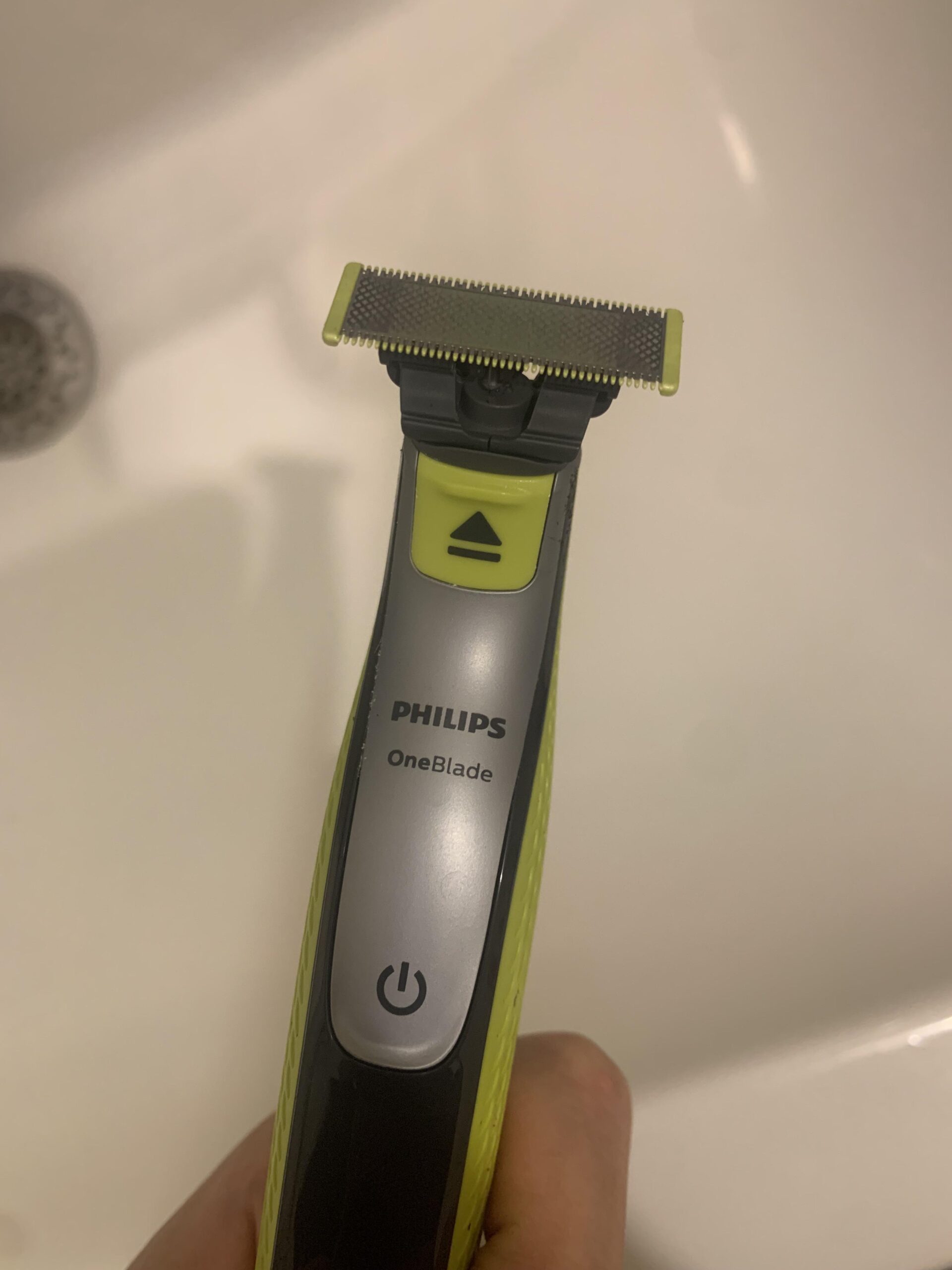
Ever wondered why some trimmer blades lose their edge faster than others? The lifespan of these blades isn’t just about the frequency of use, but also the type of hair or materials they encounter. For instance, harder hair types can dull blades more rapidly, necessitating more frequent replacements.
Historically, trimmer blades made from high-carbon steel have been prized for their durability, with many professionals expecting a lifespan of up to 6 months with regular maintenance. Studies also show that ceramic blades tend to last longer but are more brittle and expensive. Regular cleaning and oiling are crucial practices; a survey indicated that these simple steps could extend blade life by up to 30%.
How Long Do Trimmer Blades Last?
The lifespan of trimmer blades can vary widely depending on several factors. Frequent use naturally leads to faster wear, especially when cutting through thicker hair types. According to this post, high-quality blades like those from Andis can last up to 6 months with proper care. Regular maintenance, such as cleaning and oiling, also plays a crucial role in extending their life. Blades that are not properly maintained may need replacement much sooner.
Blade materials also greatly affect durability. Stainless steel blades, for example, tend to last longer than their carbon steel counterparts but may cost more. Ceramic blades are another option, known for staying sharper longer but being more brittle. According to the article, maintaining these blades can be more challenging but worth it in the long run. Cost considerations between these materials often influence user choice.
Diverse usage environments impact blade longevity too. For example, using trimmers in a professional setting where they’re used multiple times a day will wear them out faster. In contrast, home users might find their blades last longer as they’re used less frequently. Environmental factors, like humidity, can also cause blades to rust. Keeping blades dry and stored properly can significantly extend their life.
Regularly inspecting your trimmer blades is essential for maintaining quality cuts. Be on the lookout for signs of dullness, such as tugging or uneven trimming. By doing this, you can decide if sharpening or replacement is needed. There’s useful advice on the topic here in the article which notes that simple measures can add months to their usability. In all, a proactive approach to blade care ensures you get the most out of your trimmer.
Variations in Blade Longevity
Blade longevity can differ significantly depending on several key factors. One factor is the blade material; for example, stainless steel blades generally last longer than carbon steel ones. According to this post, barber professionals often prefer stainless steel for its durability. On the other hand, ceramic blades, while staying sharp longer, tend to be more brittle and might break more easily. User preference and the specific needs of a barber can influence the choice.
Another major factor is the type of trimmer being used. Cordless trimmers, for example, may have more wear and tear on the blades compared to corded ones due to their portability and higher usage frequency. The environment also plays a role. High-moisture areas can cause metal blades to rust faster. Therefore, proper storage is essential to prolong blade life.
Blade maintenance habits also impact their longevity. Regular cleaning and oiling can extend the life of a trimmer blade by up to 30%. Dirty or dry blades can dull quickly and may even cause skin irritation. Sharpening the blades as needed also helps. By incorporating these habits, users get the most out of their trimmer blades.
Different hair types can affect how long a blade lasts. Thicker or coarser hair can dull blades faster than finer hair. Similarly, trimming other materials like fabric or plants can quickly wear down the blade. Barbers working in salons often have to replace their blades more frequently due to constant use. This variation necessitates a good understanding of blade longevity factors among professionals.
Influences on Trimmer Blade Lifespan
One major factor that affects trimmer blade lifespan is the frequency of use. Blades used daily will naturally wear out faster than those used occasionally. Professionals in barbershops, for instance, might need to replace their blades more often. On the other hand, home users can typically go longer between replacements. It’s important to monitor the performance of your trimmer to determine when a new blade is needed.
Environmental conditions play a significant role as well. Humidity can cause metal blades to rust, leading to dullness and inefficiency. Keeping blades dry and stored in a controlled environment can greatly extend their life. Using blade cover guards can help protect from moisture. Regular cleaning also removes debris that can cause rusting.
The type of hair being cut is another critical factor. Coarse or curly hair wears down blades faster due to its thicker and more resilient nature. Finer hair, in contrast, exerts less stress on the blade, allowing it to last longer. Mixed hair environments require robust maintenance practices to keep blades sharp. Specialized blades for different hair types can also be an effective solution.
Maintenance routines significantly influence blade longevity. Regular oiling and cleaning are essential for optimal blade performance. Sharpening the blades periodically also helps mitigate wear. These practices reduce friction and keep the blades moving smoothly. Neglecting maintenance can lead to faster degradation and more frequent replacements.
Maintaining Trimmer Blades for Longevity
Regular cleaning of trimmer blades is essential to keep them performing well. After each use, you should brush away hair and debris that can dull the blade. Using a small brush specifically designed for trimmers is best. This practice prevents buildup that can lead to rust. Keeping your blades clean can extend their life significantly.
Oiling the blades is another crucial step in maintenance. Apply a few drops of oil to the blade after cleaning it. This helps reduce friction, allowing the blades to move smoothly. Regular oiling can prevent the blades from overheating and wearing out prematurely. Follow the manufacturer’s guidelines for the best oil to use.
Aside from cleaning and oiling, sharpening trimmer blades periodically also keeps them effective. You can use a sharpening stone or send them to a professional. Sharp blades cut hair more cleanly and efficiently. Dull blades can pull and tug at hair, causing discomfort. Regular sharpening extends the trimmer blades’ usability.
Proper storage is vital for maintaining trimmer blades. Keep your trimmer in a dry, cool place to avoid rust and damage. Using blade guards when storing or transporting helps protect the blades from knocks and drops. Humid environments can lead to rust, which shortens the lifespan of the blades. Proper storage conditions ensure your blades last longer.
Replacing worn-out blades is also part of good maintenance. Recognize the signs when a blade is beyond repair, such as severe dullness or rust. Replacing blades at the right time ensures optimal trimmer performance. It’s a balance between maintenance and knowing when to invest in new blades. Timely replacement keeps your trimmer functioning efficiently.
Frequently Asked Questions
Trimmer blades are an essential tool for grooming, and their lifespan can vary based on several factors. Here are some common questions and answers to help you understand how to keep your trimmer blades sharp and functional.
1. What is the best way to clean trimmer blades?
The best way to clean trimmer blades is by using a small brush to remove hair and debris after each use. For deeper cleaning, you can use a blade-specific cleaner or rubbing alcohol to sanitize the blades.
Regular cleaning prevents build-up that can dull the blades and cause rusting. It also helps in maintaining hygienic conditions, especially when trimming facial hair.
2. How often should I oil my trimmer blades?
You should oil your trimmer blades after every few uses, especially if you’re using them frequently. Proper lubrication reduces friction, which in turn keeps the blades cooler and more effective during trimming.
This simple step ensures smooth functioning and extends the life of your trimmer blades. Always follow the manufacturer’s recommendations for the best type of oil to use.
3. Can I sharpen my own trimmer blades?
Yes, you can sharpen your own trimmer blades using a sharpening stone or specialized tools designed for this purpose. Sharpening at home requires some practice but can save you time and money.
If you’re not confident, professional sharpening services are available that will ensure precision without damaging the blade edge. Regular sharpening ensures cleaner cuts and prolongs blade life.
4. What materials are used in high-quality trimmer blades?
High-quality trimmer blades are usually made from stainless steel or ceramic materials. Stainless steel is durable but may require more maintenance compared to ceramic.
Ceramic stays sharp longer but is more brittle and can break if dropped. Each material has its pros and cons, so choose what suits your needs best.
5.When should I replace my trimmer blades?
You should replace your trimmer blades when they start showing signs of severe wear such as rust or dullness that doesn’t improve with sharpening .Rusty or dull The incorrect answer could be detrimental both driver will efficiency
.READ” Well-Maintainned equipment continuum repair infrastructure–allowfeedback<=" ... Assistant`assuredanConclusion
Understanding the factors influencing trimmer blade longevity is essential for optimal grooming results. Regular maintenance, including cleaning, oiling, and sharpening, significantly extends blade life. High-quality materials such as stainless steel or ceramic also play a crucial role in durability. Proper storage conditions further prevent premature wear.
For professionals and home users alike, knowing when to replace or sharpen blades ensures consistent performance. By following these practices, you maximize the efficiency of your trimmer, ultimately providing a better grooming experience. Regularly inspecting and maintaining your trimmer blades will keep them in top condition, ensuring precise and comfortable trims every time.

I’m Patricia D. Johnson, an affiliate marketer and blogger specializing in trimmers and grooming tools. I create honest reviews, buying guides, and practical tips to help readers choose the right trimmer for their needs. With a focus on quality, performance, and value, I simplify the decision-making process so consumers can make confident purchases.