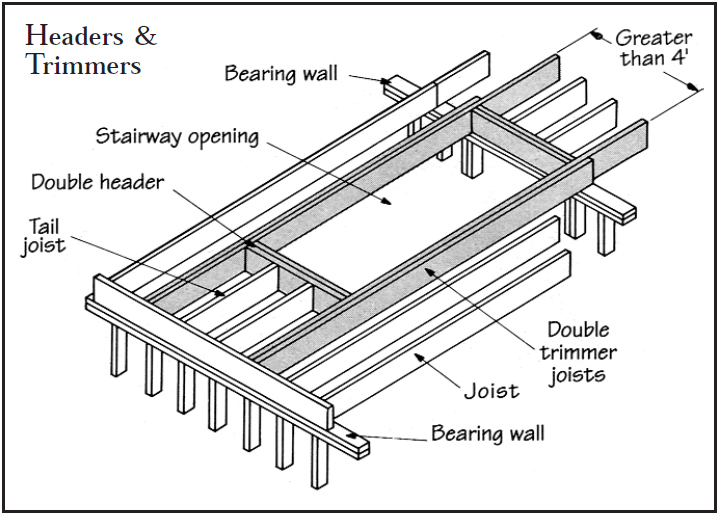
A trimmer in construction is a structural component used to support openings in floors or roofs. It helps in framing doorways, windows, and staircases.
Trimmers are essential in construction for providing additional support and stability. They are typically made of wood or metal and are strategically placed around openings. Trimmers transfer loads to adjacent structural members, ensuring the integrity of the building. Proper installation of trimmers is crucial for maintaining the strength and safety of the structure.
Builders and engineers must carefully plan and execute the placement of trimmers. By doing so, they ensure that the building can handle the stresses placed upon it. Trimmers play a vital role in modern construction, making them indispensable for any project.
Credit: www.jlconline.com
Introduction To Trimmers
Trimmers are important tools in construction. They help build strong structures. Understanding trimmers is key for construction workers.
Trimmers are vital in construction projects. They ensure stability and precision. Let’s explore what trimmers are and their importance.
Definition
A trimmer is a structural component. It supports openings in floors or roofs. Trimmers are made of wood, steel, or other materials.
Trimmers are placed around openings. They help distribute the load. This makes the structure safe and strong.
Importance In Construction
Trimmers play a crucial role in construction. They support heavy loads. This ensures the safety of the building.
Trimmers also help in precise measurements. This is important for accurate construction work. They make sure everything fits well.
| Role | Importance |
|---|---|
| Support | Ensures load distribution |
| Precision | Helps in accurate measurements |
| Stability | Makes structure strong |
Using trimmers correctly enhances the quality of construction. It also reduces the risk of structural failure.
Types Of Trimmers
Trimmers are essential tools in construction. They help in cutting and shaping materials. There are different types of trimmers. Each type has unique features and benefits.
Manual Trimmers
Manual trimmers are hand-operated tools. They do not require electricity or fuel. These trimmers are lightweight and easy to handle. They are best for small and detailed tasks. Manual trimmers are also affordable and require low maintenance.
- Easy to use
- Cost-effective
- Low maintenance
Electric Trimmers
Electric trimmers run on electricity. They are more powerful than manual trimmers. These trimmers are ideal for medium-sized tasks. They provide consistent power and are quieter than gas-powered trimmers.
| Advantages | Disadvantages |
|---|---|
| Consistent power | Requires a power source |
| Less noise | Limited by cord length |
Gas-powered Trimmers
Gas-powered trimmers are the most powerful type. They use gasoline to operate. These trimmers are suitable for large and tough tasks. They are portable and can be used anywhere.
- High power
- Portable
- Handles tough tasks
Each type of trimmer serves a specific purpose. Choose the one that fits your needs best.
Key Features
Trimmers in construction are essential for precise and clean cuts. Understanding their key features helps in choosing the right tool. Below, we discuss the vital aspects of trimmers.
Blade Types
The type of blade used in a trimmer is crucial. Common blade types include:
- Carbide-tipped Blades: These are durable and suitable for hard materials.
- Diamond Blades: Ideal for cutting concrete and stone.
- Steel Blades: Good for general-purpose cutting.
| Blade Type | Material | Use |
|---|---|---|
| Carbide-tipped | Hard metals | Durable, hard materials |
| Diamond | Diamond particles | Concrete, stone |
| Steel | Steel | General-purpose |
Power Sources
Trimmers can be powered in different ways. Common power sources include:
- Electric: Plug-in or battery-operated. Suitable for light tasks.
- Gasoline: More powerful. Suitable for heavy-duty tasks.
- Pneumatic: Powered by air compressors. Ideal for industrial use.
Safety Mechanisms
Safety is crucial when using trimmers. Key safety mechanisms include:
- Blade Guard: Protects the user from accidental cuts.
- Emergency Stop: Quickly shuts off the trimmer in an emergency.
- Anti-Vibration Handles: Reduce strain and increase control.
Applications In Construction
A trimmer in construction is a crucial element for various applications. It helps enhance the stability and durability of structures. Let’s explore its role in wall framing, roofing, and flooring.
Wall Framing
In wall framing, trimmers offer additional support to openings such as doors and windows. They ensure the structure remains stable by distributing weight evenly. This prevents sagging or shifting, ensuring the walls remain solid.
Roofing
Trimmers are vital in roofing for reinforcing the framework. They provide extra strength to roof openings like skylights or chimneys. This ensures the roof can bear additional loads without compromising its integrity.
Flooring
In flooring, trimmers support areas around staircases or floor openings. They help in maintaining the floor’s stability by distributing weight effectively. This ensures the floor remains level and prevents any potential sagging or unevenness.
| Application | Purpose | Benefit |
|---|---|---|
| Wall Framing | Support openings | Stability |
| Roofing | Reinforce framework | Strength |
| Flooring | Support around openings | Level floor |
Trimmers play a significant role in ensuring the durability of construction projects. They are a critical component in wall framing, roofing, and flooring applications.
Choosing The Right Trimmer
Choosing the right trimmer is crucial in construction projects. The correct trimmer ensures precise cuts and smooth finishes. It also boosts efficiency and safety on site.
Project Requirements
Understanding the specific needs of your project is essential. Different projects require different types of trimmers. For instance, residential projects might need lighter trimmers. Commercial projects may demand heavy-duty options.
- Type of Material: Wood, metal, or composite materials.
- Project Scale: Small, medium, or large-scale construction.
- Precision Needs: High-precision or standard cuts.
Material Considerations
The trimmer’s blade must match the material being cut. Wood requires a different blade than metal. Ensure your trimmer can handle the job.
| Material | Recommended Trimmer |
|---|---|
| Wood | High-speed steel blade |
| Metal | Carbide-tipped blade |
| Composite | Diamond blade |
Budget Constraints
Budget is a key factor in choosing the right trimmer. High-quality trimmers may cost more but offer better performance. Cheaper options might save money upfront but could lead to higher costs later. Maintenance and replacement are critical considerations.
- Initial Cost: Price of the trimmer.
- Maintenance Costs: Upkeep and servicing expenses.
- Replacement Costs: Future expenses for parts or new trimmers.

Credit: forum.nachi.org
Maintenance Tips
Maintaining your trimmer ensures it works efficiently and lasts longer. Regular care helps avoid costly repairs. Here are some essential maintenance tips for your construction trimmer.
Regular Cleaning
Regular cleaning prevents dirt and debris from clogging the trimmer. After each use, wipe down the trimmer with a damp cloth. For stubborn grime, use a mild detergent and water. Ensure all parts are dry before storing.
Blade Sharpening
Blade sharpening is crucial for a smooth cut. Dull blades can cause uneven trims. To sharpen the blade, use a sharpening stone or file. Follow the manufacturer’s guidelines for the correct angle. Regular sharpening keeps the trimmer effective and safe.
Storage Guidelines
Proper storage extends the life of your trimmer. Store the trimmer in a cool, dry place. Avoid leaving it in direct sunlight or damp areas. Use a cover to protect it from dust and moisture.
| Maintenance Task | Frequency |
|---|---|
| Cleaning | After each use |
| Blade Sharpening | Every 3 months |
| Storage | Always |
Follow these tips to keep your trimmer in top condition. Regular maintenance saves time and money.
Safety Precautions
Trimmers in construction are essential tools. But, they can be dangerous. Safety precautions are crucial for everyone. Let’s discuss these precautions in detail.
Proper Gear
Wearing the right gear is very important. Here is a list of essential safety gear:
- Hard Hat: Protects your head from falling objects.
- Safety Glasses: Shields your eyes from debris.
- Gloves: Keeps your hands safe from cuts.
- Ear Protection: Prevents hearing damage from loud noises.
- Steel-Toed Boots: Protects your feet from heavy objects.
Always wear these items. They keep you safe and sound.
Operating Instructions
Understanding how to operate a trimmer is key. Follow these steps:
- Read the Manual: Know your tool inside and out.
- Check the Trimmer: Ensure it is in good condition.
- Set Up Properly: Make sure everything is stable.
- Start Slowly: Begin with a low setting.
- Maintain Control: Hold the trimmer firmly.
Follow these instructions. They help you use the trimmer safely.
Emergency Procedures
Accidents can happen. Knowing emergency procedures is vital. Here are some steps to follow:
| Situation | Action |
|---|---|
| Minor Injury | Clean the wound and apply a bandage. |
| Major Injury | Call 911 immediately. Apply pressure to stop bleeding. |
| Fire | Use a fire extinguisher. Evacuate the area. |
Always be prepared for emergencies. They can save lives.

Credit: www.waybuilder.net
Common Mistakes
Using a trimmer in construction can make tasks easier and faster. Yet, many make mistakes that can lead to tool damage or poor results. Here are common mistakes to avoid.
Overworking The Tool
Overworking a trimmer can lead to serious problems. Every trimmer has a limit. Pushing it too hard can cause overheating. This can damage the motor. It can also cause the trimmer to break down. Always check the manual for the recommended usage time.
Ignoring Maintenance
Ignoring maintenance is a big mistake. Regular maintenance keeps your trimmer in good shape. Clean the tool after each use. Check for loose parts. Replace worn-out blades. This will keep the trimmer working well.
Improper Handling
Improper handling can cause accidents. Always hold the trimmer with both hands. Wear safety gear like gloves and goggles. Keep your fingers away from the blades. Proper handling ensures safety and good results.
Frequently Asked Questions
What Is The Purpose Of A Trimmer?
A trimmer is used for precise cutting and shaping of hair, beards, and lawns. It ensures clean, sharp lines.
What Is A Trimmer Stud In Construction?
A trimmer stud is a vertical framing element. It supports openings like doors or windows in walls, enhancing structural stability.
What Is Trimming In Construction?
Trimming in construction involves cutting and finishing materials to fit specific dimensions. It ensures precise edges and clean lines. Trimming enhances aesthetics and functionality in construction projects.
What Is A Trimmer Joist Definition?
A trimmer joist is a structural beam that supports the cut ends of joists around openings like stairs or chimneys.
Conclusion
A trimmer in construction is essential for ensuring structural integrity. It supports openings in floors and roofs. Understanding its role helps in creating safe and durable buildings. Proper use of trimmers can prevent structural failures. Stay informed and prioritize quality in your construction projects for long-lasting results.