What Do the Numbers on a Trimmer Mean?
The numbers on a trimmer set the hair length left after each cut. Each number matches a guard size for a set length. Lower numbers cut hair closer to the scalp each time. Higher numbers leave more length for longer styles. These numbers range from 0.5 millimeters to over 20 millimeters.
Trimmers help you groom hair at home with steady results. The numbers guide you to the length you want each time. Pick the right number and your cut stays neat and even. A wrong number can cut too much hair at once. Start high and work down to stay safe.
Later sections explain guards, settings, and choosing tips. Maintenance steps and fixes follow after those sections. Short answers close the guide at the end. Careful habits keep trimming safe and smooth always. Small routines deliver clean results every single time.
Quick answer: Trimmer numbers show the hair length left after a cut. Number 1 leaves about 1/8 inch, or 3 millimeters. Number 4 leaves about 1/2 inch, or 12 millimeters. Higher numbers always leave longer hair behind. Check your manual, start high, and work down slowly.
- What Do the Numbers on a Trimmer Mean? Basics
- Understanding Trimmer Guards
- How Trimmer Numbers Work
- Choosing the Right Number
- Popular Trimmer Settings
- Maintenance and Care
- Troubleshooting Trimmer Issues
- Advanced Trimming Techniques
- Frequently Asked Questions
- Conclusion: What Do the Numbers on a Trimmer Mean?
What Do the Numbers on a Trimmer Mean? Basics
Understanding trimmer numbers helps you cut hair with confidence. Each number stands for a set length of hair left. The number tells you how much hair stays after trimming. Guards snap onto the blade and set that length. Knowing the numbers keeps every cut neat and even.
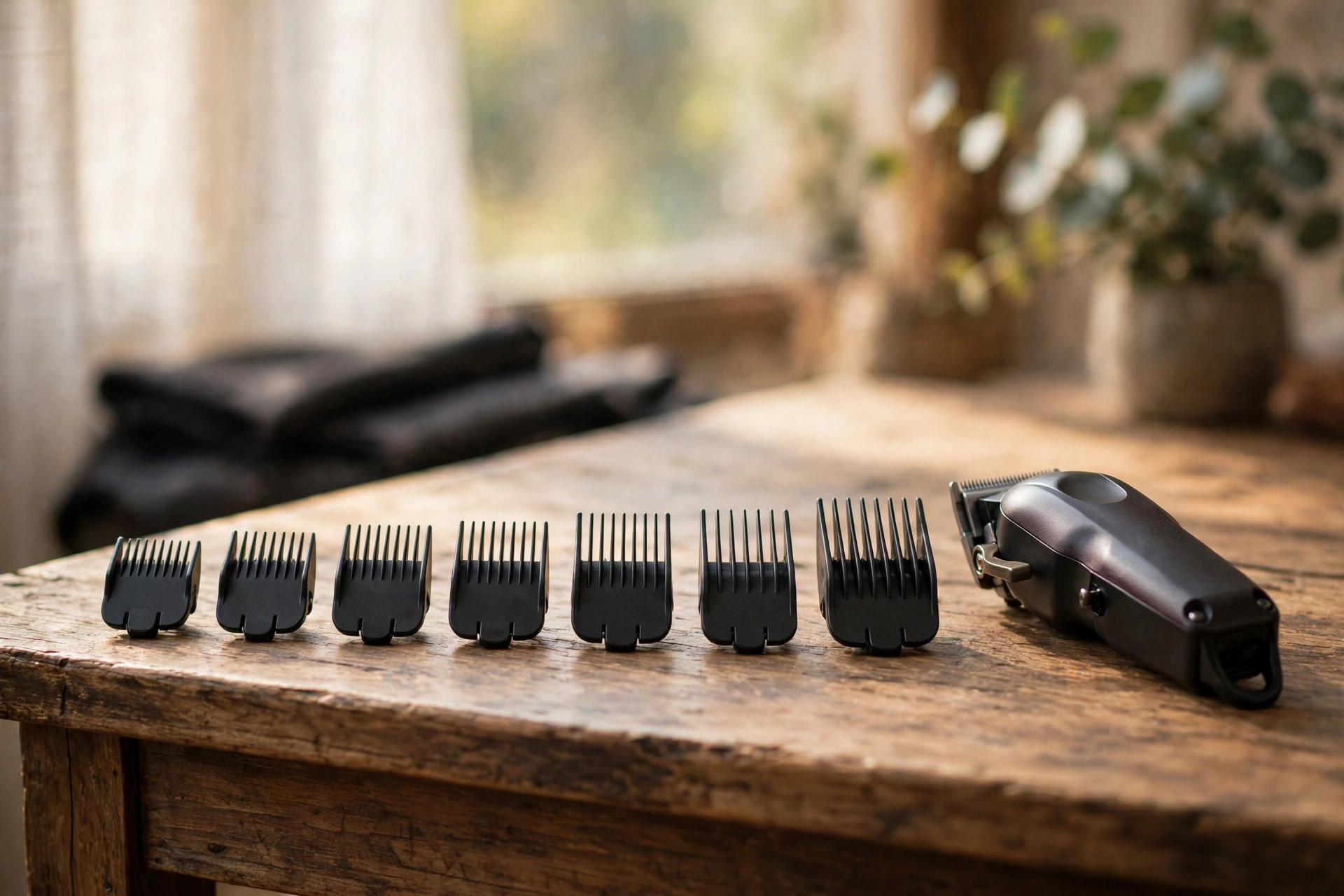
Why Settings Matter
Trimmer settings keep your hair length the same each time. They let you switch styles without guesswork or stress. Settings also help you shape beards and edges with care. A steady length gives a clean, professional look at home. Check the number before you start each trim.
Common Misconceptions
Some myths about trimmer numbers cause confusion for beginners. Myth 1 says higher numbers mean longer hair. The live post marks that claim as true. Myth 2 says all trimmers share one numbering system. That claim is not true across brands.
Please note: Myth 1 above says higher numbers mean longer hair. The live post marks that claim as true. That clashes with the section heading, which calls it a misconception. Both lines are kept as written in the original post.
Understanding Trimmer Guards
Trimmer guards are attachments that snap onto the blade. Each guard has a number for a set hair length. A guard marked 1 leaves hair 1/8 inch long. Guards stop you from cutting more hair than planned. Check the number on each guard before you trim.
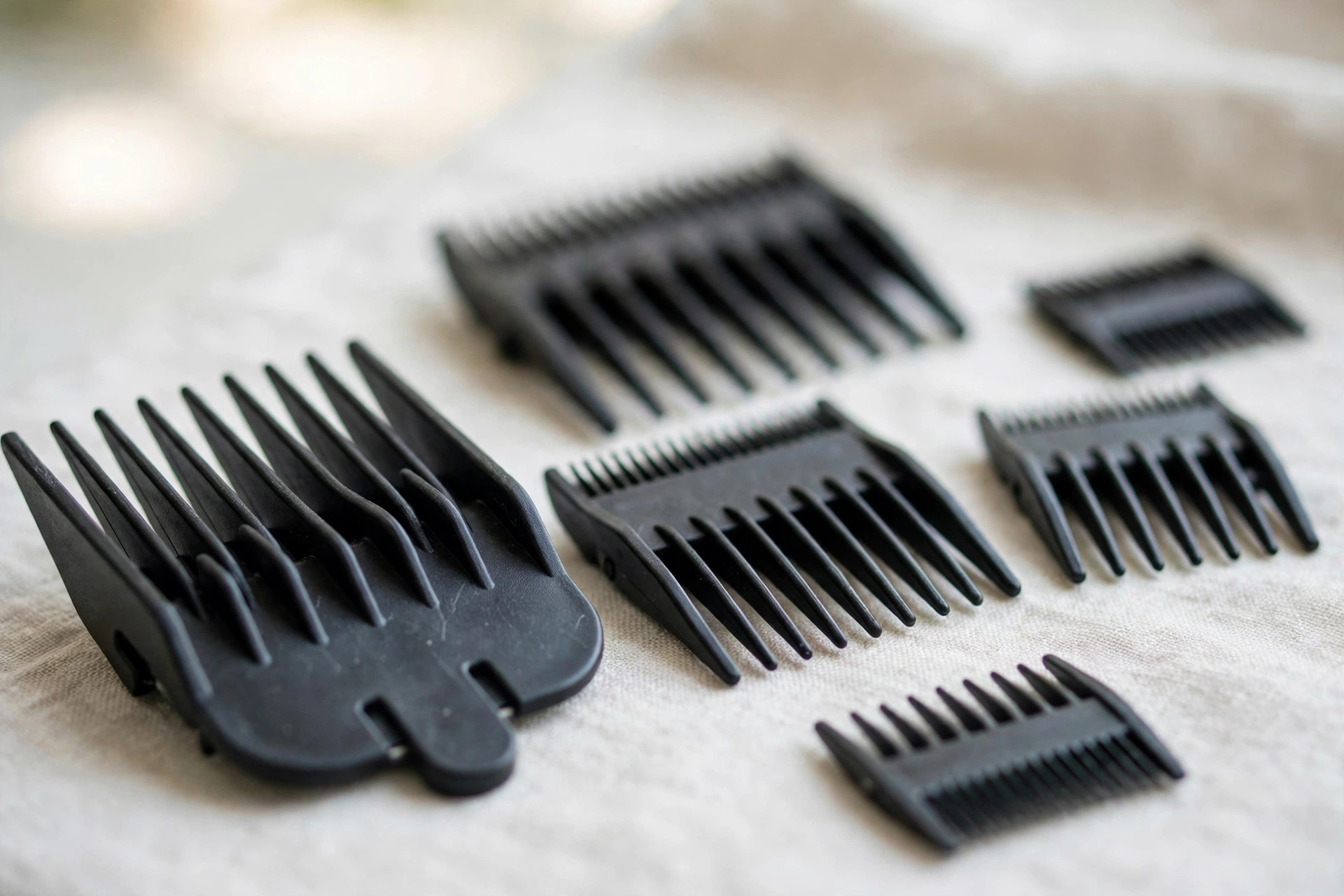
Types of Guards
Standard guards are the most common type for home use. They range from number 1 to number 8 in size. Adjustable guards shift between lengths for more flexible trims. Specialty guards suit beards, body grooming, and detail work. Pick the guard type that fits your trim each time.
| Guard Number | Hair Length |
|---|---|
| 1 | 1/8 inch |
| 2 | 1/4 inch |
| 3 | 3/8 inch |
| 4 | 1/2 inch |
How Trimmer Numbers Work
Each trimmer number matches a length setting on the tool. The setting controls how much hair stays after a cut. Higher numbers leave longer hair, lower numbers cut closer. Most trimmers use numbers like 1, 2, 3, and 4. Learn the scale and your cuts stay neat and even.
Length Settings Explained
Trimmers use adjustable settings marked by simple numbers. Each number means a set length in millimeters or inches. Number 1 leaves about 3 millimeters of hair behind. Number 4 leaves about 12 millimeters of hair behind. The table below lists the first four settings clearly.
| Trimmer Number | Length (mm) |
|---|---|
| 1 | 3 mm |
| 2 | 6 mm |
| 3 | 9 mm |
| 4 | 12 mm |
What Lengths Suit Each Style
Short settings like 1 and 2 suit buzz cuts well. They also trim beards very short with clean lines. Longer settings like 3 and 4 give a natural look. They suit medium beards and classic haircuts at home. Try each number to find your best length.
Choosing the Right Number
Choosing the right number shapes the look you want. Hair type, style, skill, and occasion all matter here. Beginners should start with a longer setting for safety. A longer guard leaves room to fix small mistakes. The sections below cover factors and beginner tips.

Factors to Consider
Hair type changes which number works best for you. Thick hair may need a higher number than fine hair. Your desired style sets the number more than anything. Your skill level matters too, so start long and safe. Pick a number that fits the event or setting.
Tips for Beginners
Start with a higher number to avoid cutting too short. Test the trimmer on a small patch of hair first. Read the manual and follow its steps with care. Ask a skilled user for help when you feel unsure. Keep the table below near you while you learn.
| Number | Hair Length (mm) | Recommended Use |
|---|---|---|
| 1 | 3 mm | Very short cuts, buzz cuts |
| 2 | 6 mm | Short styles, close trims |
| 3 | 9 mm | Medium length, classic styles |
| 4 | 12 mm | Longer trims, beginners |
Popular Trimmer Settings
Trimmer settings run from 0 to 10 for many styles. Number 0 leaves almost no hair for a bald look. Number 1 leaves hair about 1/8 inch long. Number 5 leaves about 5/8 inch for a fuller look. The Philips OneBlade page shows one versatile trimmer option too.
| Number | Hair Length | Best For |
|---|---|---|
| 0 | Almost no hair | Bald look |
| 1 | 1/8 inch | Close shave |
| 2 | 1/4 inch | Neat trim |
| 3 | 3/8 inch | Short, uniform cut |
| 4 | 1/2 inch | Medium length cut |
| 5 | 5/8 inch | Fuller look |
Styles You Can Achieve
A buzz cut uses settings 1 or 2 all over. A fade blends settings 0, 1, and 2 for smooth change. A crew cut uses setting 3 on top and 1 on sides. An undercut uses 1 or 2 on sides and longer top. Our sharpening guide explains safe edge care for blades.
Maintenance and Care
Good care keeps your trimmer sharp and working for years. Clean the blades after each use to stop buildup. Oil the blades often so they glide with ease. Store guards dry in a box or pouch for safety. The sections below cover cleaning and guard storage.
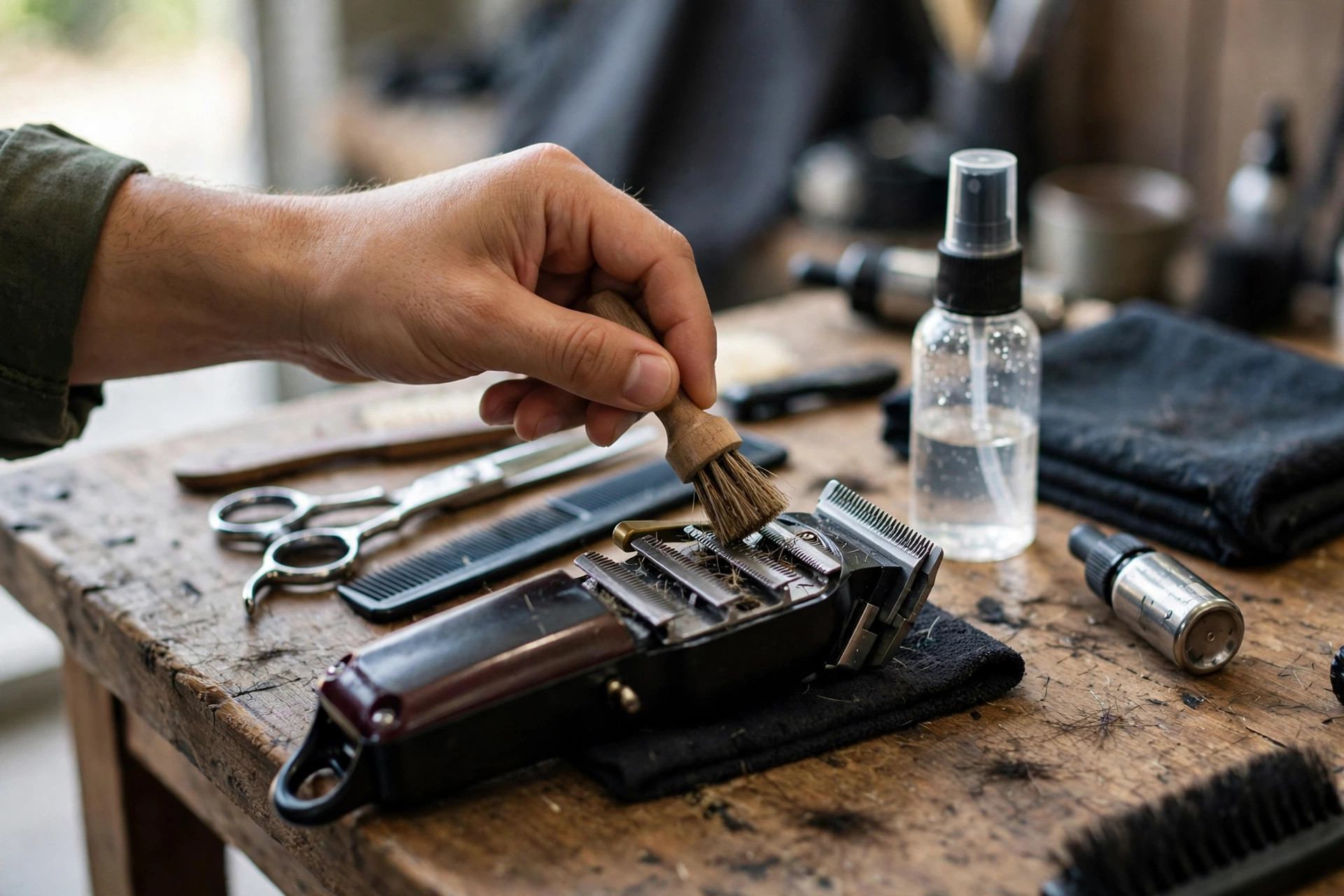
Cleaning Your Trimmer
Remove hair clippings from the trimmer after each use. Detach the head and brush the blades with care. Rinse waterproof blades under water and dry them well. Our cleaning guide covers careful cleaning routines for tools.
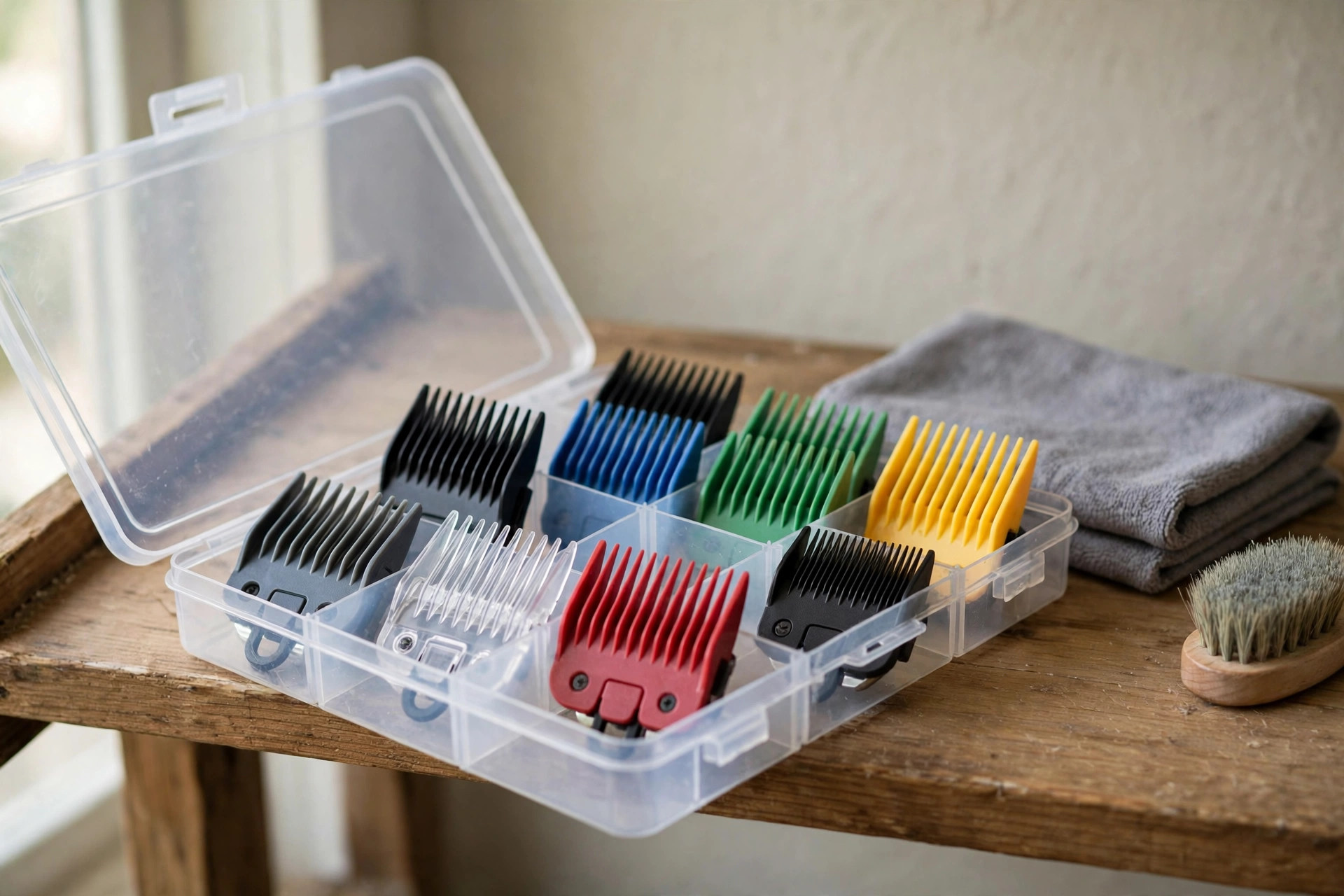
Storing Guards Safely
Clean each guard after use and store it dry. Keep guards in a box or pouch to stop damage. Avoid heavy objects on top of stored guards. Good storage keeps guards ready for your next trim. Our oiling guide explains blade lubrication for smooth use.
Troubleshooting Trimmer Issues
Trimmers can face faults that hurt their cutting power. Uneven cuts, pulling hair, and dead batteries are common. Most faults have simple fixes you can try at home. The table below lists problems and their fixes clearly. Our repair guide explains deeper fixes for stubborn faults.
Common Problems
An uneven cut often means a damaged guard or dirty blade. A trimmer pulls hair when blades are dull or dry. A trimmer that will not start may need a charge. A battery that drains fast may be old or worn. Check each cause before you buy new parts.
| Problem | Solution |
|---|---|
| Uneven Cut | Check the guard for damage, clean the blade, set the correct number |
| Trimmer Pulls Hair | Oil the blades, keep blades sharp, use on dry hair |
| Trimmer Won’t Turn On | Check the battery charge, power button, and cord |
| Battery Issues | Charge fully, store in a cool place, replace old battery |
Advanced Trimming Techniques
Trimmer numbers also guide layering and fading with ease. Start high on top and lower the number going down. Blend each layer with a comb and trimmer for smooth change. Fading blends lengths from long to short in steps. Our precision trimmer guide explains detail work for edges and brows.

Layering and Fading
Use a higher number for longer hair on top. Drop the number step by step toward the sides. Blend the join with a comb for a smooth finish. Our cut safety guide explains how to avoid nicks and cuts.
Creating Unique Styles
A buzz cut uses one setting all over the head. An undercut uses a low setting on sides and back. A pompadour uses a high setting on top each time. Our blade lifespan guide explains how long blades last.
Frequently Asked Questions
These answers repeat this guide’s own points only. They follow the same steps explained above closely. Short answers close the guide at the end. Read them before you pick a trimmer number.
How short is a number 3 haircut?
A number 3 haircut leaves hair about 3/8 inch long. It gives a neat, low-maintenance look each day. It suits short, uniform cuts for most men. Start with a higher number if you feel unsure.
What does 1, 2, 3, 4, 5 mean in haircuts?
Haircut numbers refer to clipper guard sizes for cuts. Number 1 is the shortest, and number 5 is longer. Each step up adds about 1/8 inch of length. Check your manual for the exact sizes on your model.
How long is a number 4 haircut?
A number 4 haircut is 1/2 inch long. It gives a medium length with a balanced look. It suits classic styles and longer trims at home. It also helps beginners who fear cutting too short.
How do you use trimmer numbers?
Trimmer numbers show the length setting for each cut. Set the trimmer to the number you want first. Use lower numbers for shorter cuts and higher ones for length. Always start high and work your way down slowly.
What number should a beginner start with?
A beginner should start with a higher number first. Number 4 leaves 1/2 inch and forgives small mistakes. Test the cut on a small patch of hair. Move to a lower number only when you feel ready.
Conclusion: What Do the Numbers on a Trimmer Mean?
So, what do the numbers on a trimmer mean for you? They set the hair length left after each trim. Lower numbers cut closer, higher numbers leave more length. Guards, settings, and care all shape the final look. Pick the right number and trim with confidence daily.
Start with a higher number and work down slowly. Clean the blades and store guards dry after use. Check the manual for sizes unique to your model. Simple habits deliver clean results every single time. Enjoy a neat trim with your new skills today.