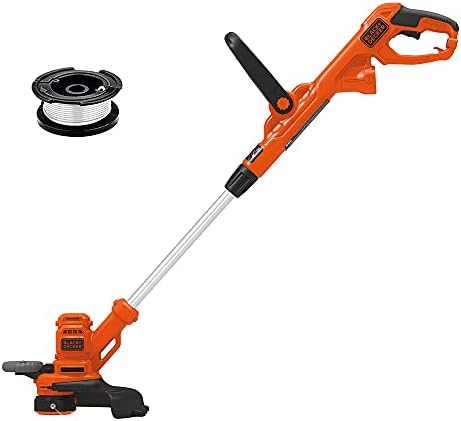
What Is Auto Feed Trimmer?
An auto feed trimmer advances its cutting line all by itself. It senses when the line grows too short for cutting. The spool then releases more line without your help. This saves time and keeps your yard work moving fast. It suits home gardeners and pro landscapers alike.
Auto feed trimmers come in electric and battery-powered models. They trim grass and weeds with steady, even cuts. You never stop to tap or adjust the line. The tool does that work for you each time. This guide explains parts, types, and buying tips.
Later sections explain the mechanism and key parts clearly. Types, benefits, and choosing tips follow after those. Maintenance and safety steps close the guide at last. Careful habits keep trimming safe and smooth always. Small routines deliver clean results every single time.
Quick answer: An auto feed trimmer advances its line without manual help. A spool inside the head releases more line as it wears. Centrifugal force and a spring drive the feed each time. It suits small yards and large properties with ease. Pick electric for light work and gas for tough jobs.
What Is Auto Feed Trimmer? Basics
An auto feed trimmer is a tool for neat lawn care. It trims grass along edges, paths, and flower beds. The line feeds itself, so you never pause to adjust. This keeps each cut even across the whole yard. Homeowners and pros both use this handy tool.
Why It Matters for Lawn Care
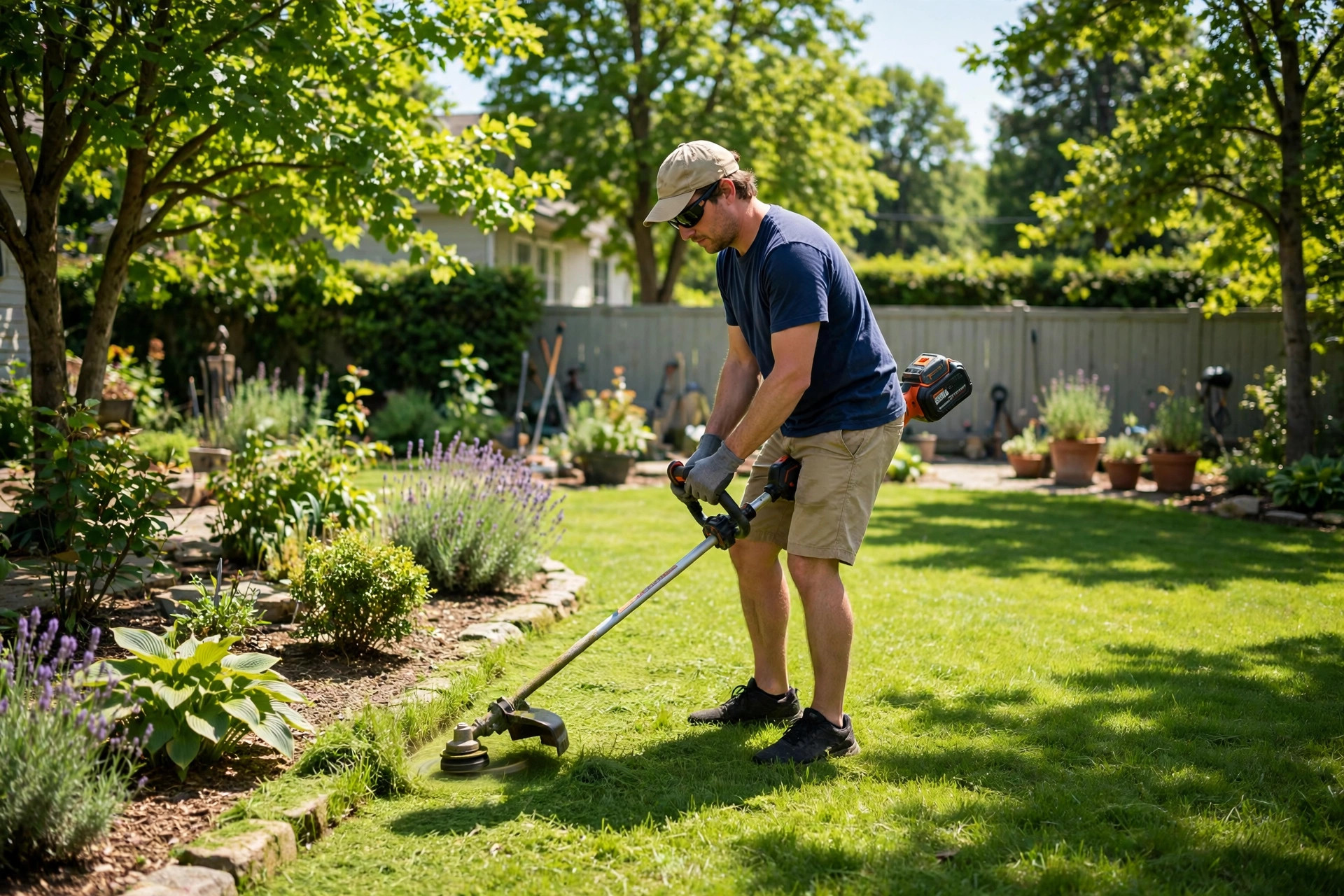
A neat lawn starts with even trimming along every edge. Auto feed trimmers keep the line at the right length. That gives a tidy look to the whole garden. They save time and cut strain on your arms. The table below lists the key benefits at a glance.
| Feature | Benefit |
|---|---|
| Automatic String Adjustment | Consistent trimming performance |
| Electric Operation | Reduces manual effort |
| User-Friendly Design | Easy to use for everyone |
How Auto Feed Trimmers Work
The trimmer line sits wound on a spool inside the head. As the line wears down, the spool releases more line. Centrifugal force helps extend the line as it spins. This keeps the line at the right length for cutting. Our Speed-Feed guide explains fast line loading for these heads.
Basic Mechanism
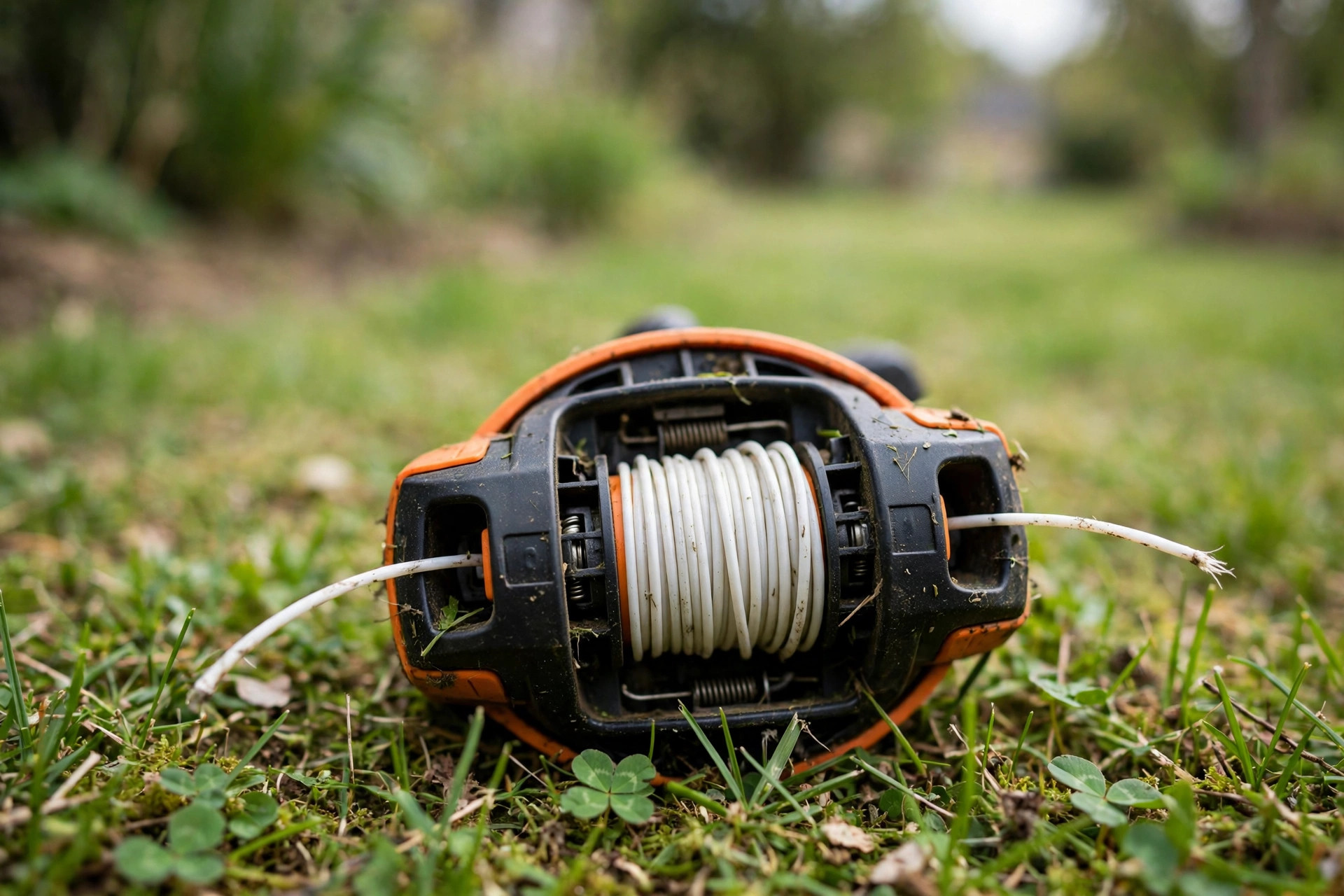
The spool holds the line until it grows too short. A spring and centrifugal force push new line out. The head spins fast and the line cuts grass cleanly. You never stop to tap the head or pull line. The feed runs on its own while you trim.
Key Components
The head houses the spool and line for safe use. The spool holds the trimmer line wound tight inside. The motor spins the head and drives each cut. The trigger starts the motor and the feed with one press. Some models add sensors that watch the line length.
Types of Auto Feed Trimmers
Auto feed trimmers come in corded, cordless, gas, and electric types. Each type suits a different yard size and job. Corded models run nonstop but need a nearby outlet. Cordless models move free but run on battery power. The table below compares all four types clearly.
Corded vs Cordless
Corded trimmers stay light and run without stopping. They suit small to medium yards near an outlet. Cordless trimmers use batteries and move anywhere freely. They suit large yards with no cords to trip over. Battery life can limit how long you trim each time.
Gas-Powered vs Electric
Gas trimmers are strong and suit large, tough jobs. They are heavier and louder than electric models. You must mix fuel and oil for gas trimmers. Electric trimmers run quiet and need less care. Our line size guide explains how to pick the right diameter.
| Type | Power Source | Best For | Maintenance |
|---|---|---|---|
| Corded | Electric | Small to Medium Yards | Low |
| Cordless | Battery | Large Yards | Medium |
| Gas-Powered | Gasoline | Large Properties | High |
| Electric | Electric | Small to Medium Yards | Low |
Benefits of Using Auto Feed Trimmers
Auto feed trimmers save time on every yard job. They keep the cut even without manual line changes. You finish faster and with less effort each time. Lightweight builds cut strain on arms and backs. The table below compares manual and auto feed trimmers.
| Feature | Manual Trimmer | Auto Feed Trimmer |
|---|---|---|
| Line Adjustment | Manual | Automatic |
| Time Efficiency | Slower | Faster |
| Cut Quality | Variable | Consistent |
Ease of Use
Auto feed trimmers need no special skills to run. Turn the tool on and start trimming right away. The feed takes care of the line by itself. Ergonomic handles and light builds cut fatigue fast. Our assembly guide explains how to set up a new trimmer.
Choosing the Right Auto Feed Trimmer
Choosing the right trimmer takes care and a clear plan. Power source, cutting width, weight, and care all matter. A wider cut covers more ground with each pass. Light models suit long sessions without tiring your arms. The table below lists top brands and models clearly.
Factors to Consider
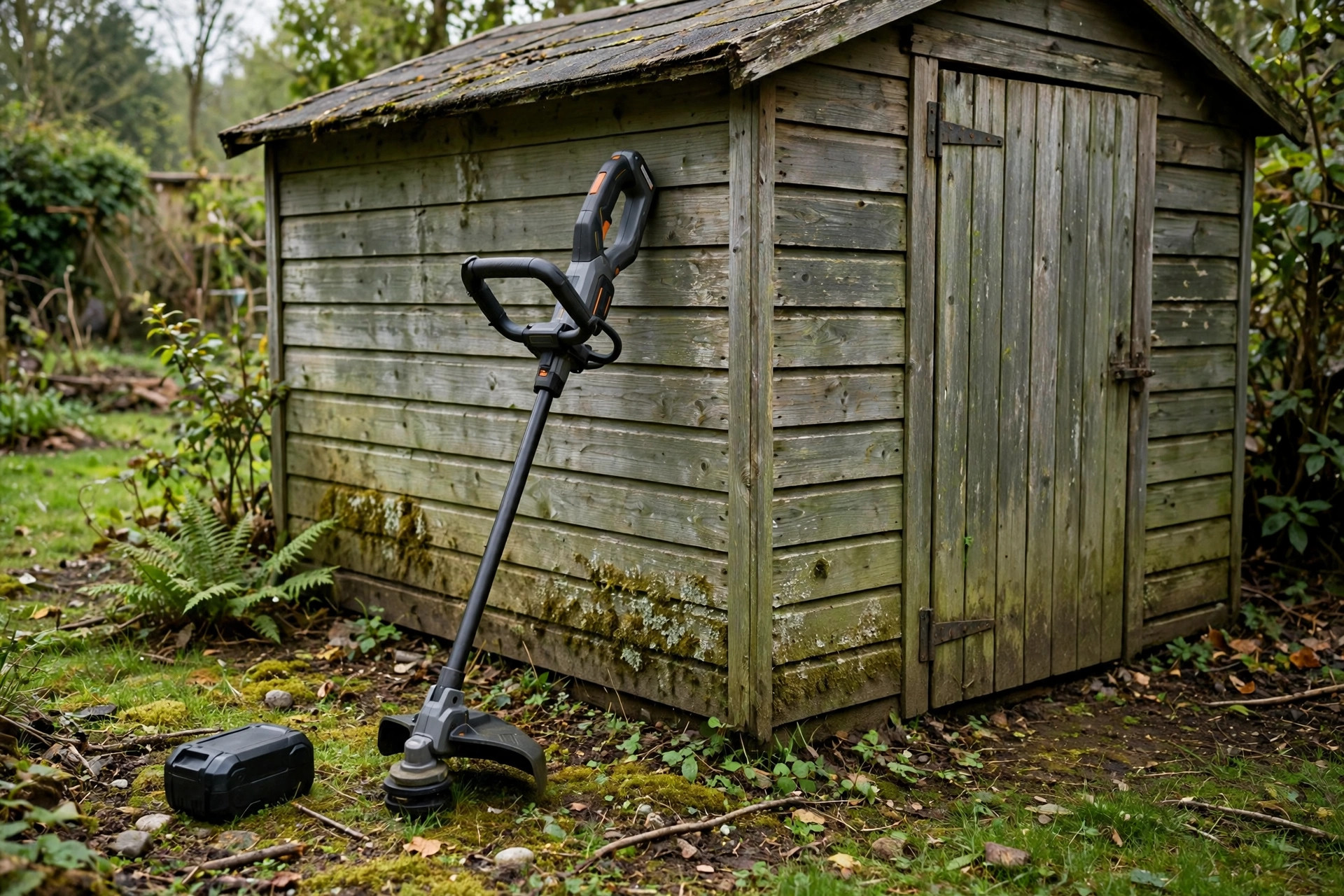
Check the power source first for your yard size. Cutting width sets how fast you finish each job. Weight matters when you trim for a long time. Durability and easy controls keep the tool working well. Low care needs save time across the whole season.
Top Brands and Models
Black+Decker, Greenworks, and Husqvarna lead this market. Each brand offers models with features for many yards. The table below lists top models with key features. The STIHL site lists trimmer guidance for many yard jobs. Compare models side by side before you spend money.
| Brand | Model | Key Features |
|---|---|---|
| Black+Decker | LST140C | Battery-powered, 13-inch cutting width, lightweight |
| Greenworks | 21212 | Electric, 15-inch cutting width, adjustable handle |
| Husqvarna | 128LD | Gas-powered, 17-inch cutting width, detachable shaft |
Maintenance and Care
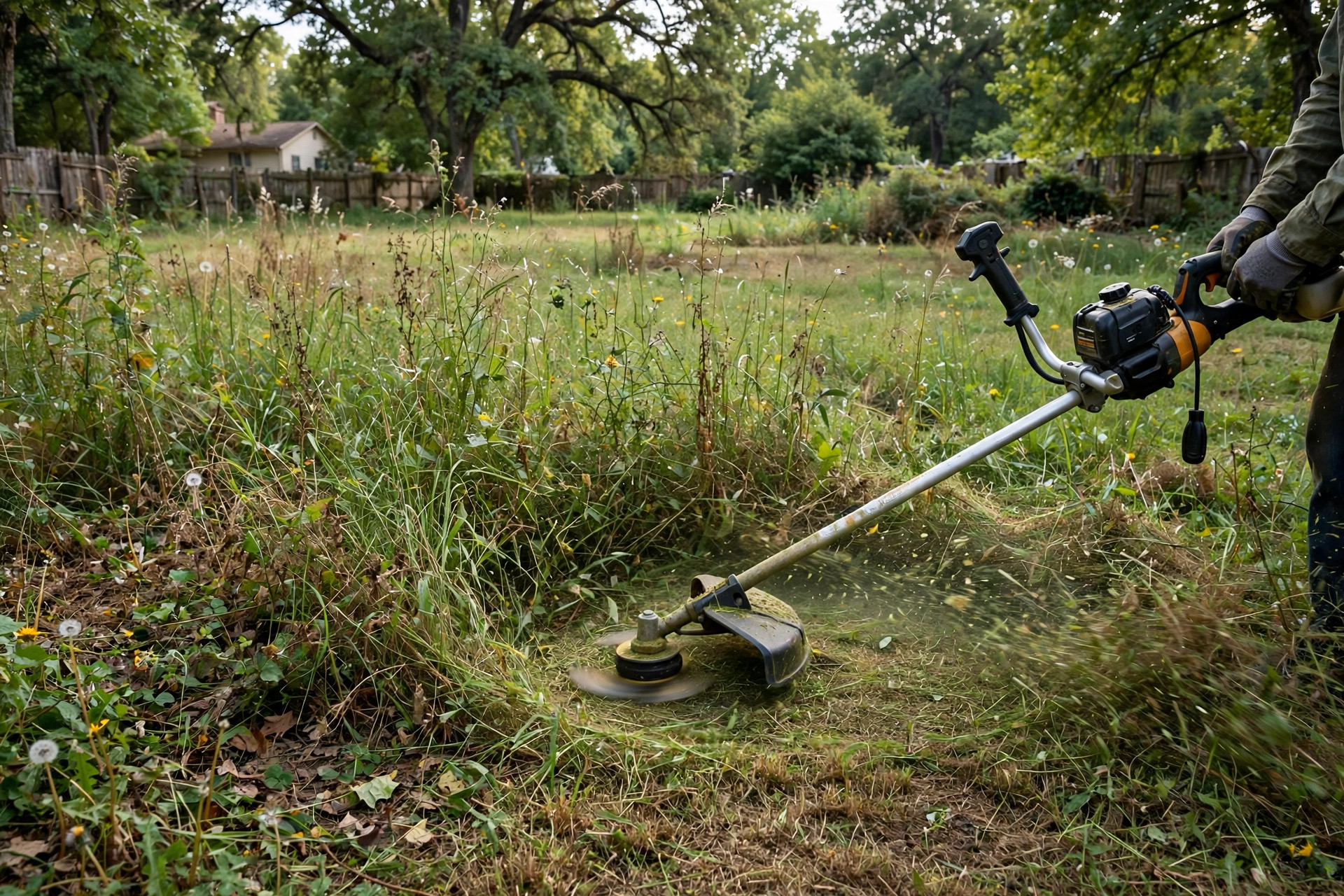
Regular care keeps your auto feed trimmer working for years. Check the line, spool, head, and battery on schedule. Clean the head after each use to stop clogs. Fix small faults early before they grow worse. The table below lists checks and their timing clearly.
Routine Checks
Inspect the cutting line before each use for wear. Replace the line when it looks worn or frayed. Check the spool each month for damage or wear. Clean the head after each use to remove clippings. Charge the battery each week for cordless models.
| Check | Frequency |
|---|---|
| Cutting Line | Before each use |
| Spool | Monthly |
| Trimmer Head | After each use |
| Battery | Weekly |
Troubleshooting Common Issues
A trimmer that will not start may need power or battery. Check the switch and the power source with care. Line that will not feed may need a new spool. Remove the spool and check it for damage first. Our repair guide explains deeper fixes for stubborn faults.
Safety Tips
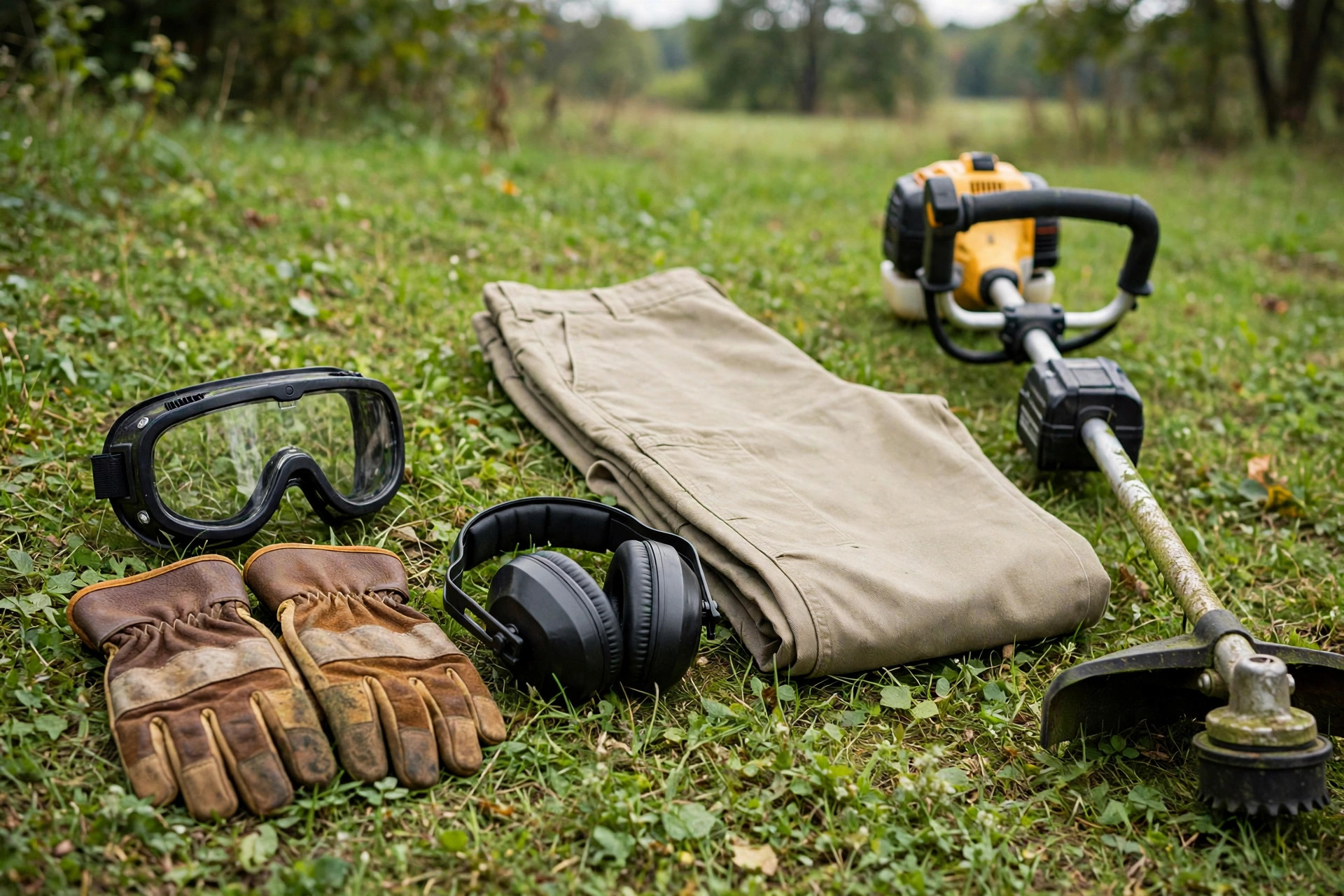
Safety comes first when you run an auto feed trimmer. Read the manual and learn the controls before use. Keep a firm grip with both hands at all times. Keep others at a safe distance while you trim. The table below lists gear and its purpose clearly.
Proper Usage
Never use the trimmer in wet grass or rain. Water and power do not mix well at all. Turn the trimmer off before you touch the line. Never fix the line while the tool still runs. Our head change guide explains how to swap a trimmer head.
Protective Gear
Wear goggles to guard your eyes from flying debris. Gloves give a firm grip and shield your hands. Earplugs guard your hearing from loud motor noise. Long pants and closed shoes guard legs and feet. A dust mask helps if grass dust bothers you.
| Safety Gear | Purpose |
|---|---|
| Safety Goggles | Protects eyes from debris |
| Gloves | Better grip and hand protection |
| Earplugs | Protects hearing |
| Long Pants and Closed-toe Shoes | Protects legs and feet |
| Dust Mask | Filters out grass and dust particles |
Environmental Impact
Auto feed trimmers also affect the world around you. Electric models make no direct fumes while they run. Battery models reuse cells and cut waste over time. Proper disposal keeps old parts out of landfills. The table below lists green options for each type.
Eco-Friendly Options
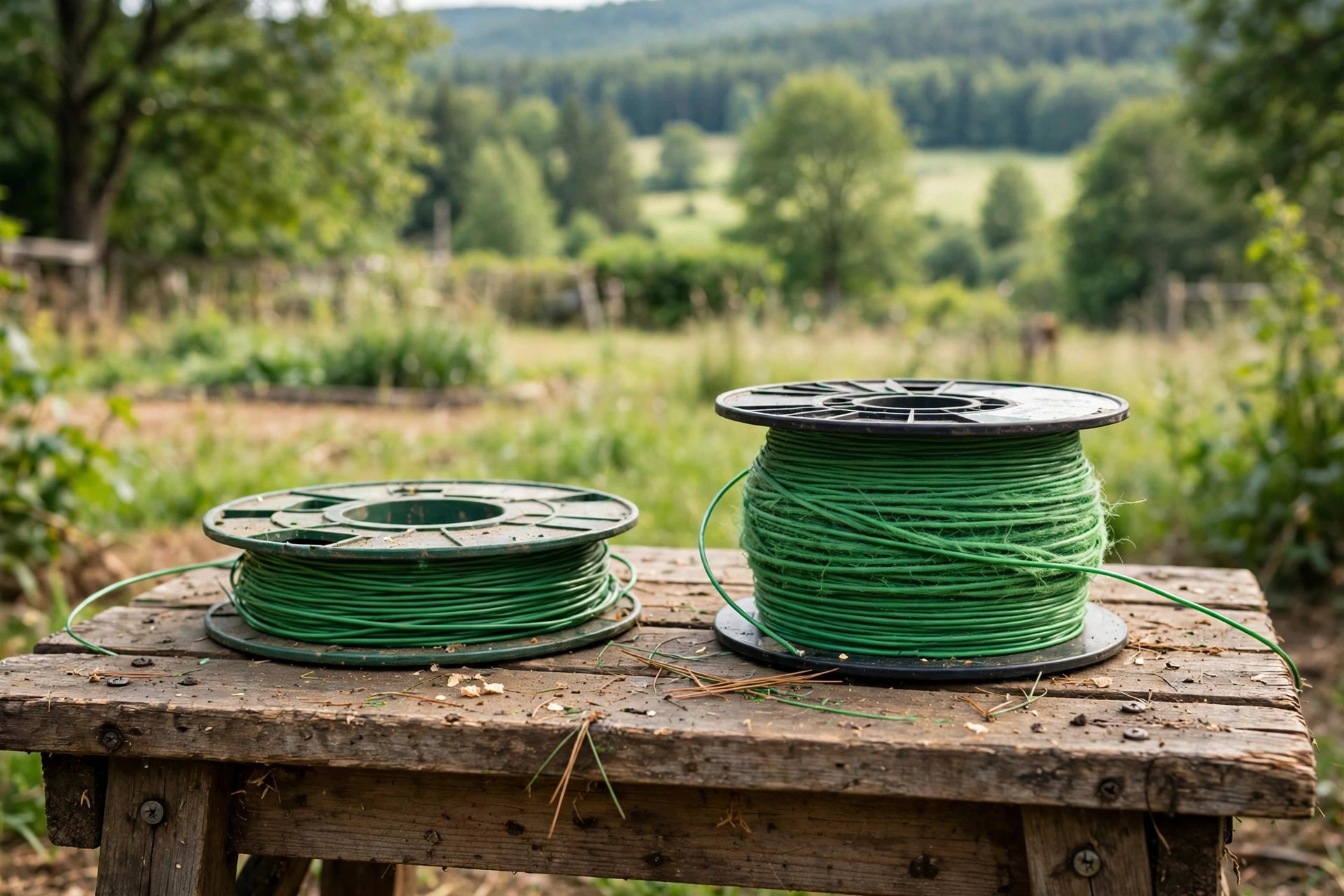
Electric trimmers run quiet and make no direct fumes. They suit small yards and help the air stay clean. Battery trimmers reuse cells for many seasons of work. That cuts waste and keeps old cells from landfills. Our oiling guide explains blade lubrication for smooth use.
| Type | Eco-Friendly Features |
|---|---|
| Electric Trimmers | No direct emissions, quieter operation |
| Battery-Powered Trimmers | Reusable batteries, less waste |
Disposal and Recycling
Take old trimmers to a recycling center near you. Separate metal and plastic parts before you drop them off. Remove the battery and follow local disposal rules. Some makers run take-back programs for old tools. Our string loading guide explains how to load line safely.
Frequently Asked Questions
These answers repeat this guide’s own points only. They follow the same steps explained above closely. Short answers close the guide at the end. Read them before you buy an auto feed trimmer.
How does trimmer auto feed work?
A trimmer auto feed releases more line when it runs short. Centrifugal force and a spring drive the feed inside the head. The spool turns and pushes new line out on its own. This keeps the cut even without manual help each time.
What is the difference between bump feed and auto feed trimmers?
Bump feed trimmers need a tap to release more line. You must tap the head on the ground to feed it. Auto feed trimmers extend the line on their own. No tapping is needed while you trim the yard.
What is the auto feed function?
The auto feed function supplies line into the trimmer head. It works on its own while the motor runs. This lifts output and cuts manual effort each time. It keeps trimming smooth from start to finish.
What is an auto trimmer?
An auto trimmer is a tool that trims plants on its own. It saves time and gives a uniform trim each time. It suits large gardens and farms with wide lawns. It trims grass and weeds with steady, even cuts.
How do I maintain an auto feed trimmer?
Check the line before each use and the spool monthly. Clean the head after each use to remove clippings. Charge the battery each week for cordless models. Fix small faults early before they grow worse.
Conclusion: What Is Auto Feed Trimmer?
So, what is auto feed trimmer tech for your yard? It feeds line on its own while you trim. It saves time, cuts effort, and keeps cuts even. Pick the type that fits your yard and budget. A good auto feed trimmer makes lawn care easy.
Check the line and clean the head after each use. Wear goggles and gloves each time you trim. Store the trimmer dry and charge the battery well. Simple habits deliver clean results every single time. Enjoy a neat lawn with less work each week.