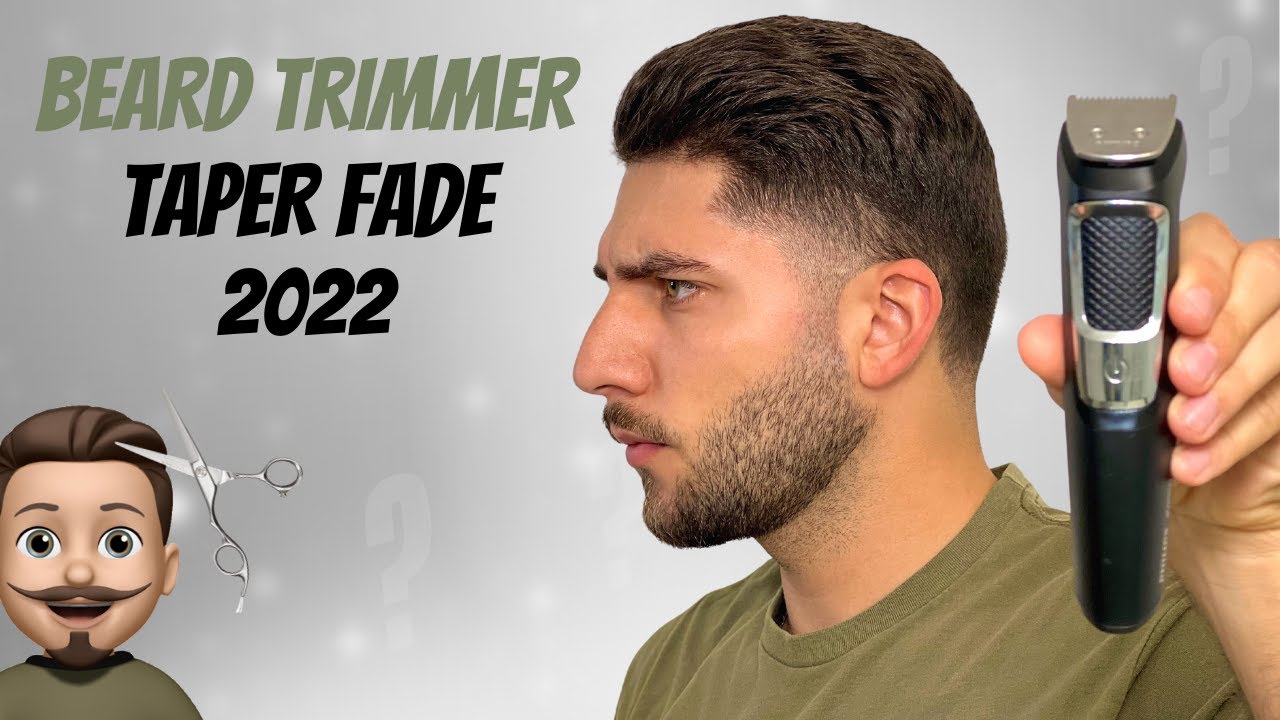
Can You Fade With a Trimmer?
Yes, you can fade with a trimmer at home. A good trimmer cuts a clean low, mid, or high fade. You need the right guards and a steady hand. Patience matters more than speed when you start. This guide walks you through each step clearly.
Fading blends short hair into longer hair with no lines. Guards set the length at each level of the cut. You work from short at the base to long on top. The trimmer does the blending when you guide it well. This guide covers tools, prep, steps, and aftercare.
Later sections explain tools, prep, and step-by-step blending. Fade types and common mistakes follow after those. Maintenance and aftercare close the guide at last. Careful habits keep each fade clean and safe always. Practice and patience deliver sharp results every time.
Quick answer: Yes, you can fade with a trimmer at home. Start with a longer guard and work down in steps. Blend each level into the next with smooth strokes. Clean and oil the trimmer before and after each use. Low, mid, high, and skin fades all work well.
- Can You Fade With a Trimmer? The Short Answer
- Tools You Need for a Clean Fade
- How to Prepare Hair for a Fade
- How to Fade With a Trimmer Step by Step
- Types of Fades You Can Cut
- Common Fade Mistakes and How to Fix Them
- Maintaining Your Trimmer and Your Fade
- Frequently Asked Questions
- Conclusion: Can You Fade With a Trimmer?
Can You Fade With a Trimmer? The Short Answer
Yes, a trimmer is the main tool for a fade. Clippers and trimmers both cut fades with ease. The trimmer gives you control over short lengths. Guards set the length at each level of the cut. With practice, you can cut a clean fade at home.
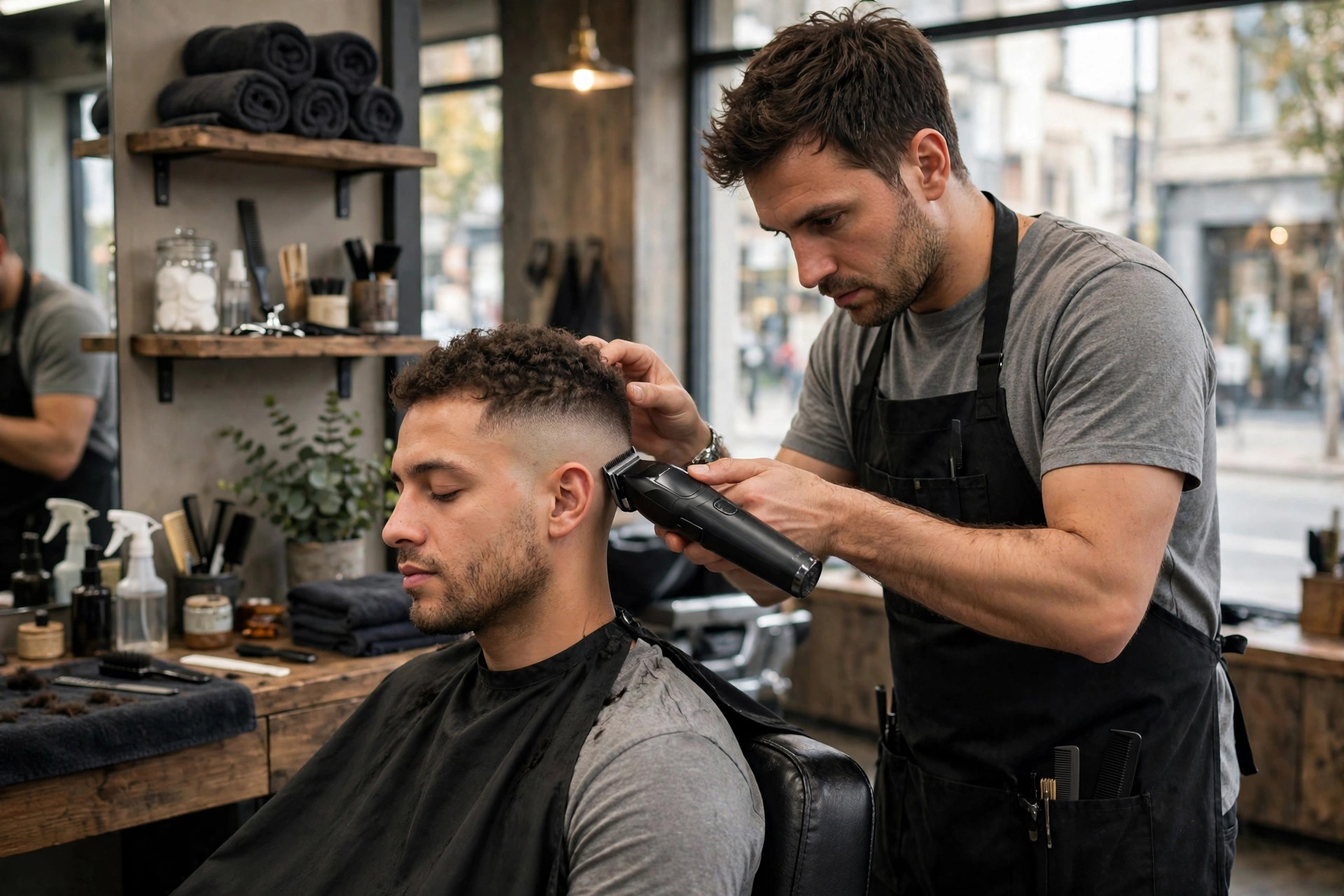
Why Trimmers Work Well for Fades
Trimmers are light and easy to hold for long cuts. Their small blades reach tight spots near the ears. Guard combs slide on fast for each length change. You can blend levels with smooth, even strokes. Our precision trimmer guide explains detail work for edges.
Tools You Need for a Clean Fade
A clean fade starts with the right tools on hand. A good trimmer, guards, scissors, and a comb matter. A brush and neck duster clear loose hair fast. Good tools make each step easier and safer. The list below covers the basics for any fade.
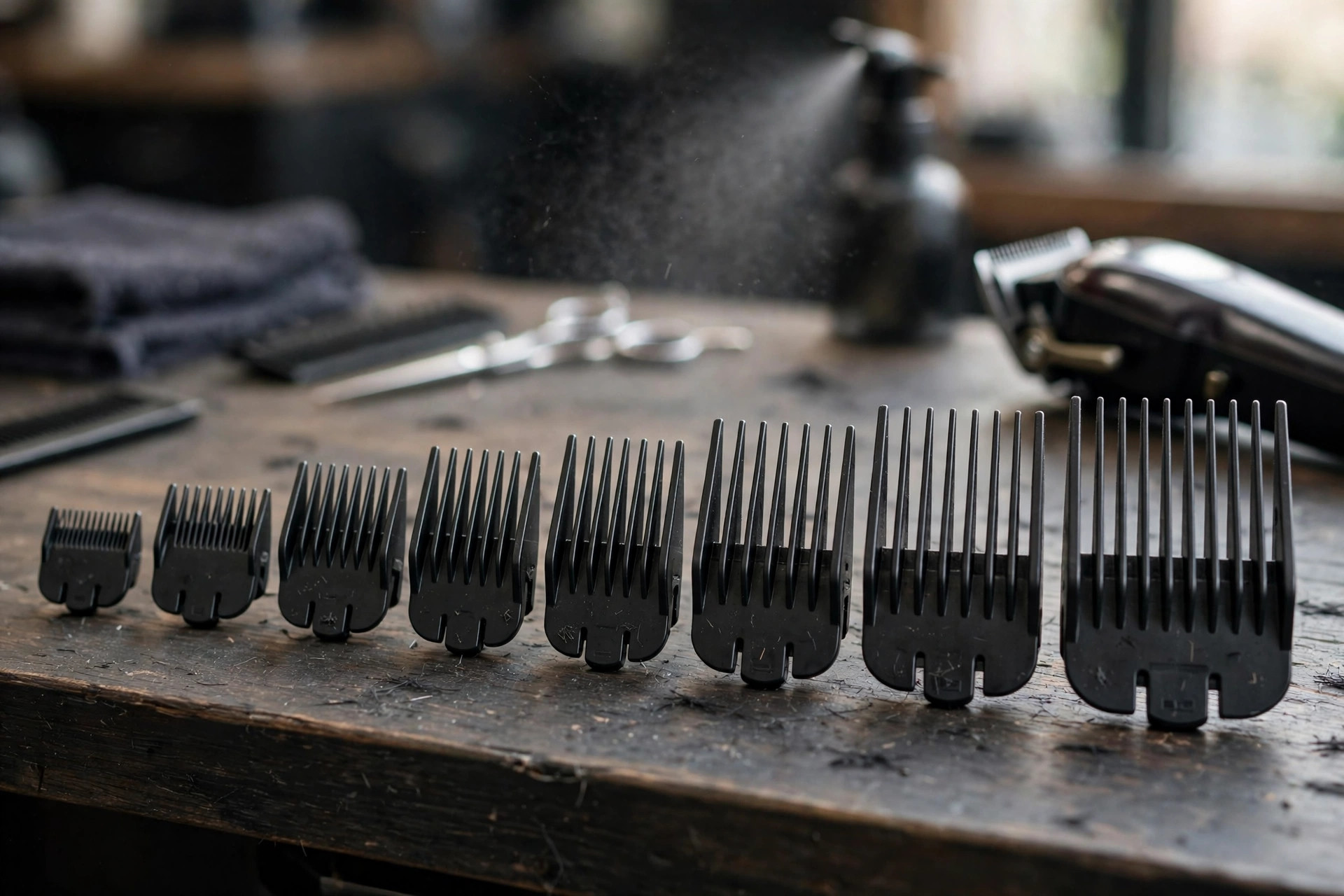
Your Fade Toolkit
Your trimmer is the main tool for every fade. Scissors clean up longer hair on top with ease. A comb lifts hair and guides each cut well. A brush clears clippings between passes for clarity. A neck duster sweeps loose hair off skin and clothes.
Picking the Right Trimmer
Pick a trimmer with sharp blades and strong power. Adjustable guards help you change lengths fast. Cordless models move free and suit home cuts well. Wahl, Andis, and Philips Norelco all make solid fades. The Philips OneBlade page shows one versatile trimmer option too.
How to Prepare Hair for a Fade
Good prep makes the fade easier from the start. Wash the hair and let it dry first. Clean hair cuts even and shows lines more clearly. Brush the hair and plan the fade level early. Our zero-gap guide explains close cuts for sharp edges.
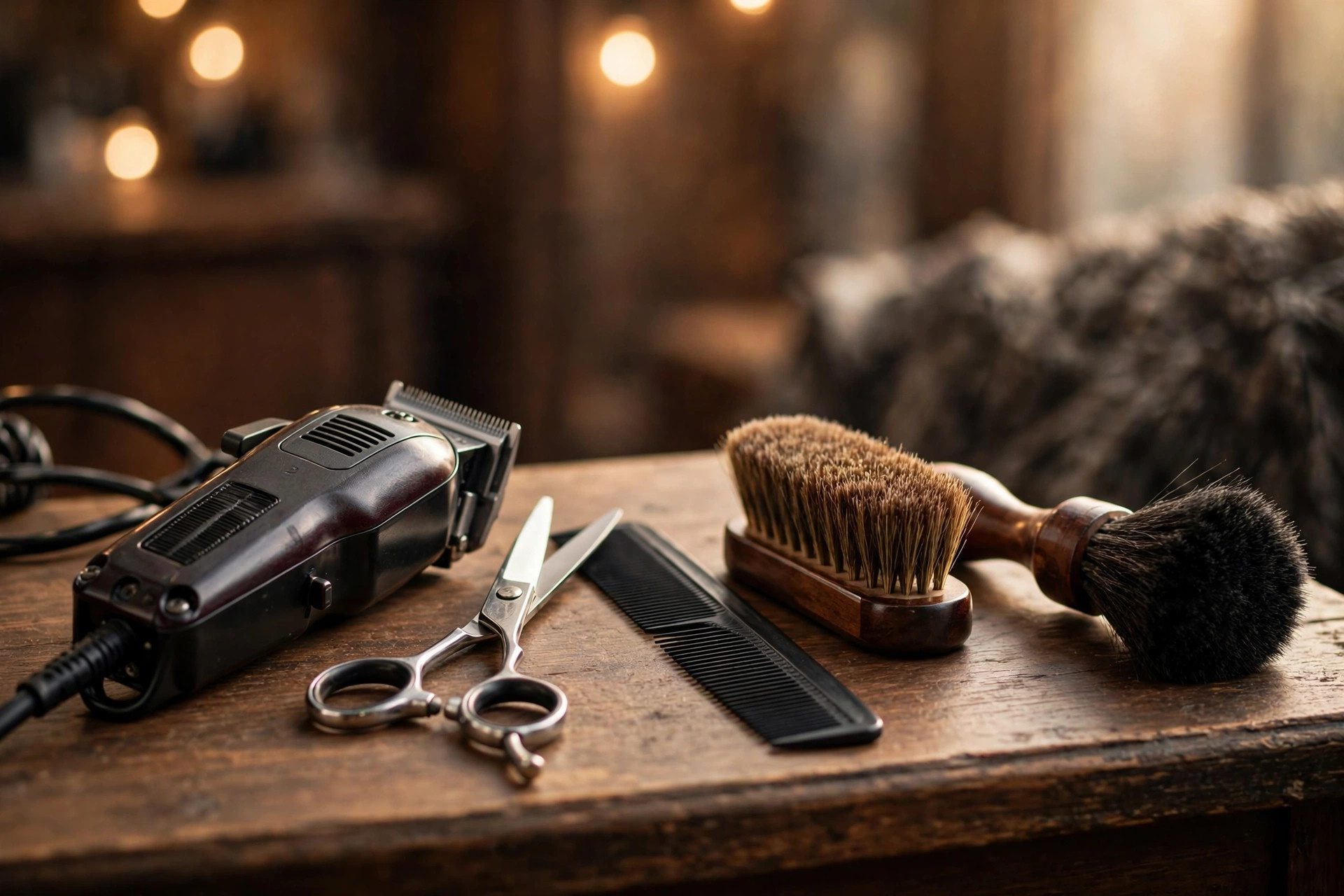
Wash and Dry First
Wash the hair with a mild shampoo before you cut. Rinse well and let the hair dry fully first. Wet hair looks longer and hides the true length. Dry hair shows the real cut and blend clearly. Clean hair also keeps the trimmer blades working well.
Plan Your Fade Level
Decide the fade level before you pick up the trimmer. Low fades suit a natural look for most people. Mid fades give a classic and balanced shape. High fades look bold and suit short styles well. Skin fades cut down to bare skin at the base.
How to Fade With a Trimmer Step by Step
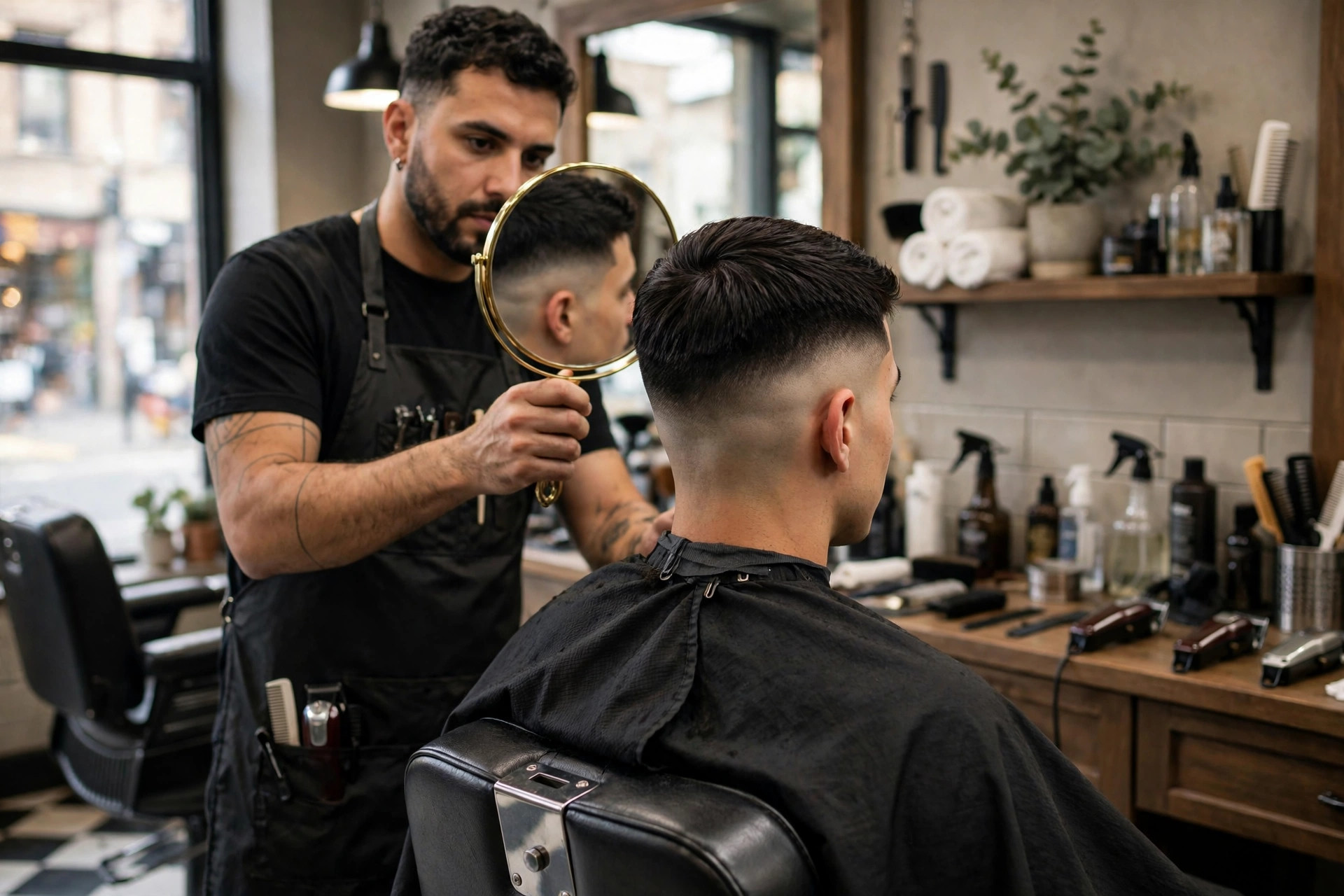
Fading takes patience and a steady hand each time. Start long and work down through the guard sizes. Blend each level into the next with smooth strokes. Check your work in a mirror as you go. The steps below walk you through the full cut.
Set the Guideline
Start with a short guard to set the first line. Cut a straight guideline around the head at one height. Keep the line even on both sides of the head. This line marks where the fade begins to blend. Move slowly and check the line in a mirror.
Blend the Levels
Switch to a longer guard above the guideline line. Use the next guard size to blend the two levels. Work in short, smooth strokes with light pressure. The guard size table below shows the blending order. Our blade lifespan guide explains when to swap worn blades.
| Guard | Placement |
|---|---|
| Longest | Above the guideline |
| Medium | On the guideline |
| Shortest | Below the guideline |
Taper the Sides
Taper the sides by working from short to long. Use a small guard near the ears for a clean edge. Move the trimmer upward in smooth, even strokes. Blend each pass into the level above it. Check both sides in a mirror before you finish.
Types of Fades You Can Cut
Four main fades suit most hair and face shapes. Low fades start just above the ear for a soft look. Mid fades sit halfway up for a classic style. High fades climb near the top for a bold cut. The table below compares all four fade types.
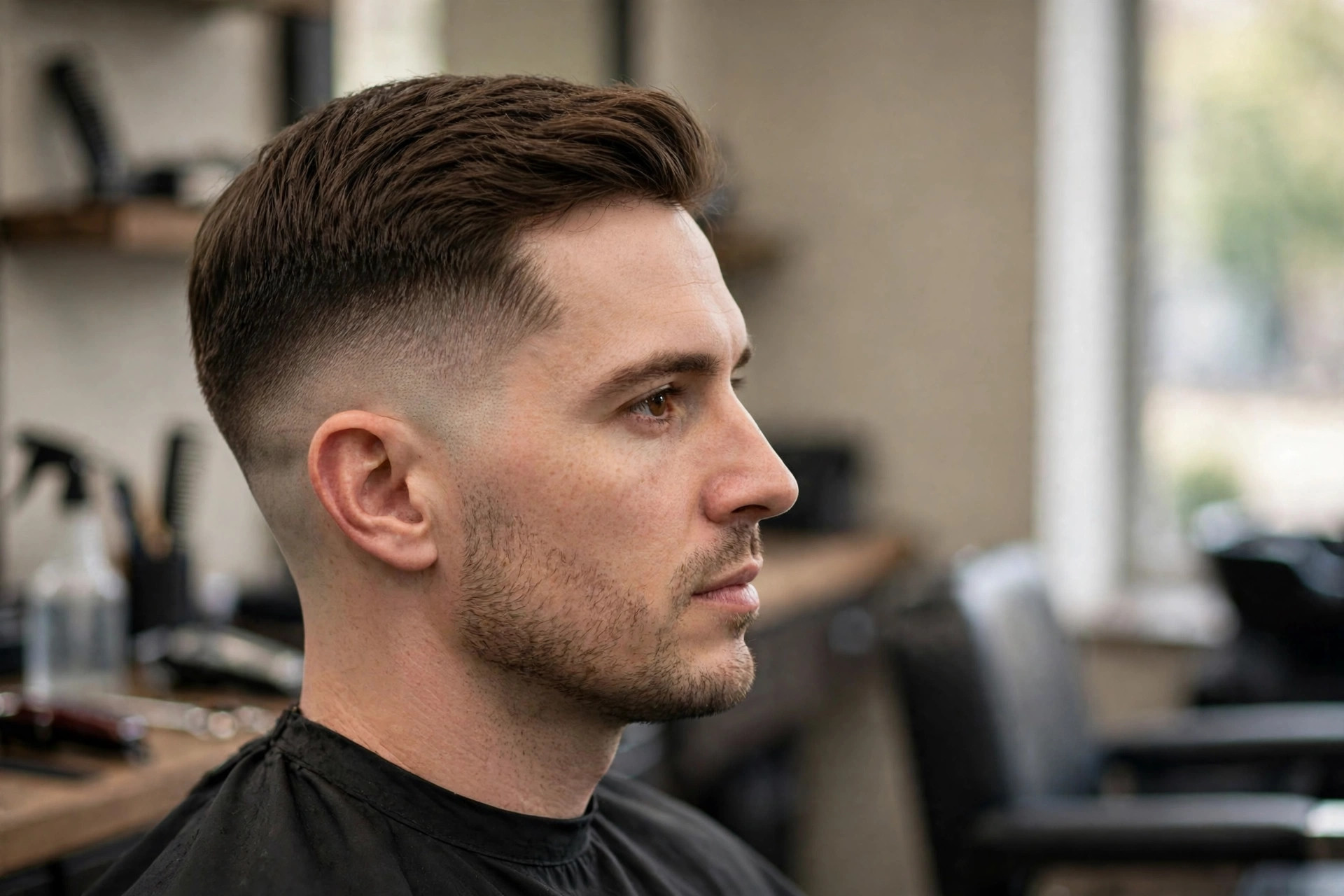
| Fade Type | Start Point | Look |
|---|---|---|
| Low | Just above the ear | Natural, subtle |
| Mid | Midway up the side | Classic, balanced |
| High | Near the top | Bold, sharp |
| Skin | At skin level | Zero, very clean |
Hair Types and Fades
Curly hair fades well with a sharp trimmer blade. Straight hair shows lines fast, so blend with care. Coarse hair needs strong power and sharp blades. Thin hair suits a low fade for a fuller look. Our sharpening guide explains how to keep blades keen.
Common Fade Mistakes and How to Fix Them
Even good barbers fix mistakes during a fade. Uneven lines and harsh blends happen to everyone. Slow strokes and mirror checks prevent most faults. Small guards help you fix lines without starting over. The table below lists fixes for common mistakes.
| Tip | Action |
|---|---|
| Steady Hand | Keep your hand steady and move slowly |
| Check Mirrors | Use two mirrors to check all angles |
| Guide Combs | Use guide combs to control the blend |
Fixing Uneven Lines
Use a smaller guard to soften a harsh line. Blend upward with short, light strokes each time. Check the line from the front and both sides. Take your time and do not rush the fix. Our cleaning guide explains how to keep blades cutting well.
Learning From Practice
Practice is the key to mastering the fade at home. Each cut teaches you more about your hair. The table below shows how progress often looks. Start with a longer guard and work down slowly. Patience turns rough first fades into clean cuts.
| Attempt | Fade Type | What Went Wrong | Next Step |
|---|---|---|---|
| 1 | Basic Fade | Uneven blending | Use smaller guard sizes |
| 2 | Mid Fade | Lines visible | Blend more |
Maintaining Your Trimmer and Your Fade
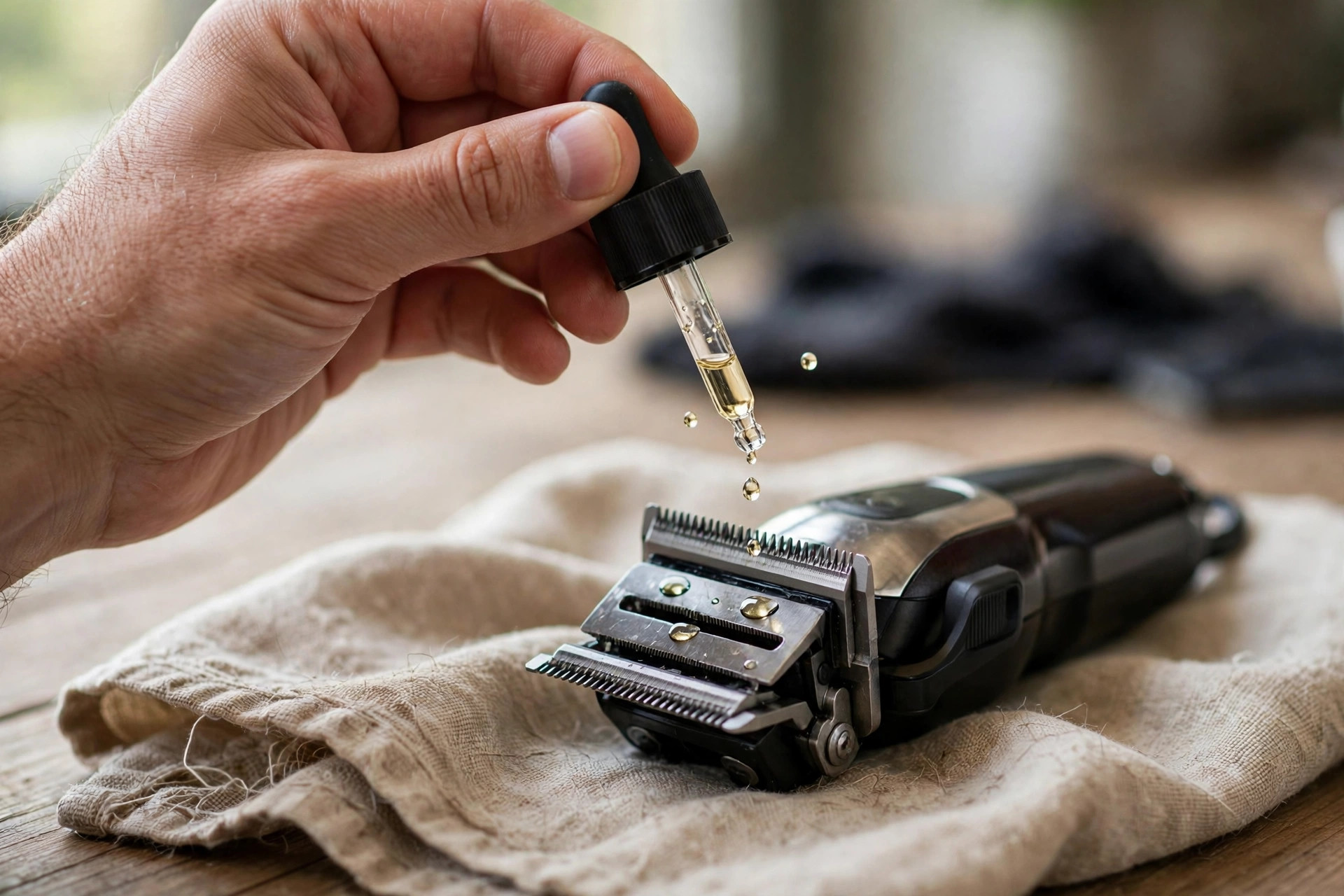
A clean trimmer cuts a better fade every time. Clean and oil the blades before and after each use. Check the battery and blade alignment often. A well-kept trimmer lasts longer and cuts sharper. The aftercare table below keeps your fade fresh.
Trimmer Care
Brush hair and dust off the blades after each cut. Oil the blades lightly to stop rust and friction. Store the trimmer dry in a clean case or drawer. Our oiling guide explains how to oil blades the right way. Charge the battery fully before your next fade.
Fade Aftercare
Wash the hair often with a mild shampoo. Apply a light oil to keep the scalp calm. Avoid heavy heat styling right after the cut. Trim the fade every two to three weeks to keep it sharp. Our cut safety guide explains how to avoid nicks and cuts.
| Practice | Details |
|---|---|
| Wash Hair Regularly | Use a mild shampoo |
| Moisturize Scalp | Apply a light oil |
| Avoid Excessive Heat | Skip heavy heat styling |
| Trim Regularly | Trim every 2–3 weeks |
Frequently Asked Questions
These answers repeat this guide’s own points only. They follow the same steps explained above closely. Short answers close the guide at the end. Read them before you cut a fade at home.
Can you fade hair with a trimmer?
Yes, you can fade hair with a trimmer. A trimmer gives control over short lengths for a fade. Guards set the length at each level of the cut. Start long and work down through the guard sizes.
What trimmer gives you a good fade?
Wahl, Andis, and Philips Norelco all make solid fade trimmers. Look for sharp blades and strong, steady power. Adjustable guards help you change lengths fast. Cordless models move free and suit home cuts well.
Can you fade a beard with a trimmer?
Yes, you can fade a beard with a trimmer. Use small guards to blend the beard into the skin. Work from short at the neck to long above. Blend each level with smooth, even strokes.
Can you shave with a trimmer?
A trimmer cuts hair close but does not shave bare. It leaves a short stubble on the skin each time. Use a foil shaver or razor for a smooth shave. Trimmers suit fades and stubble far better.
Should I start with a longer guard?
Yes, start with a longer guard and work down slowly. A longer guard leaves room to fix mistakes fast. Move down one guard size at a time. Check the blend in a mirror after each pass.
Conclusion: Can You Fade With a Trimmer?
So, can you fade with a trimmer at home? Yes, with the right tools and steady hands. Start long, blend each level, and check the mirrors. Clean and oil the trimmer after every cut. Practice turns rough first fades into clean cuts.
Pick the fade level that suits your hair and style. Keep the blades sharp and the guards close at hand. Wash the hair and care for the scalp each week. Trim every two to three weeks to keep it fresh. Enjoy a sharp fade with less cost each time.