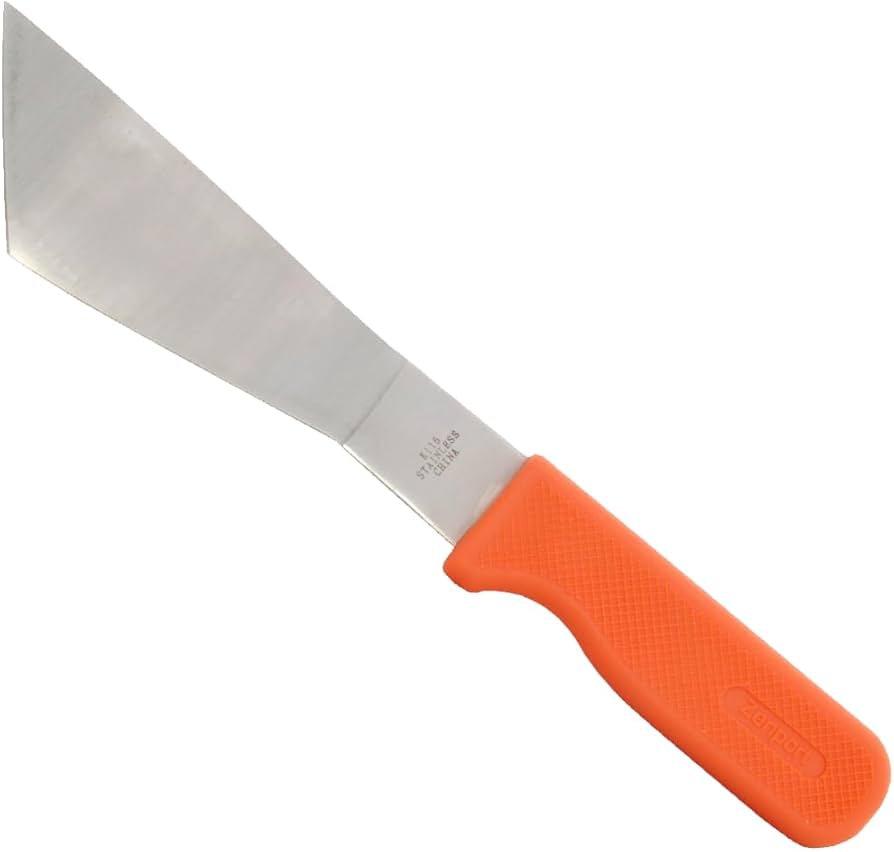
A trimmer knife is used for precise cutting and trimming tasks. It is ideal for detailed work on paper, cardboard, and other materials.
A trimmer knife is a versatile tool commonly found in craft rooms, offices, and workshops. Its sharp blade ensures clean, accurate cuts, making it indispensable for projects requiring precision. People use it for various tasks like cutting paper, trimming photos, and shaping materials.
The design often includes a comfortable grip and a retractable blade for safety. Whether you are a hobbyist, a professional artist, or someone who enjoys DIY projects, a trimmer knife can significantly enhance your work quality. Its effectiveness and ease of use make it a must-have tool for detailed and intricate cutting jobs.
Credit: bestgraphics.net
Introduction To Trimmer Knives
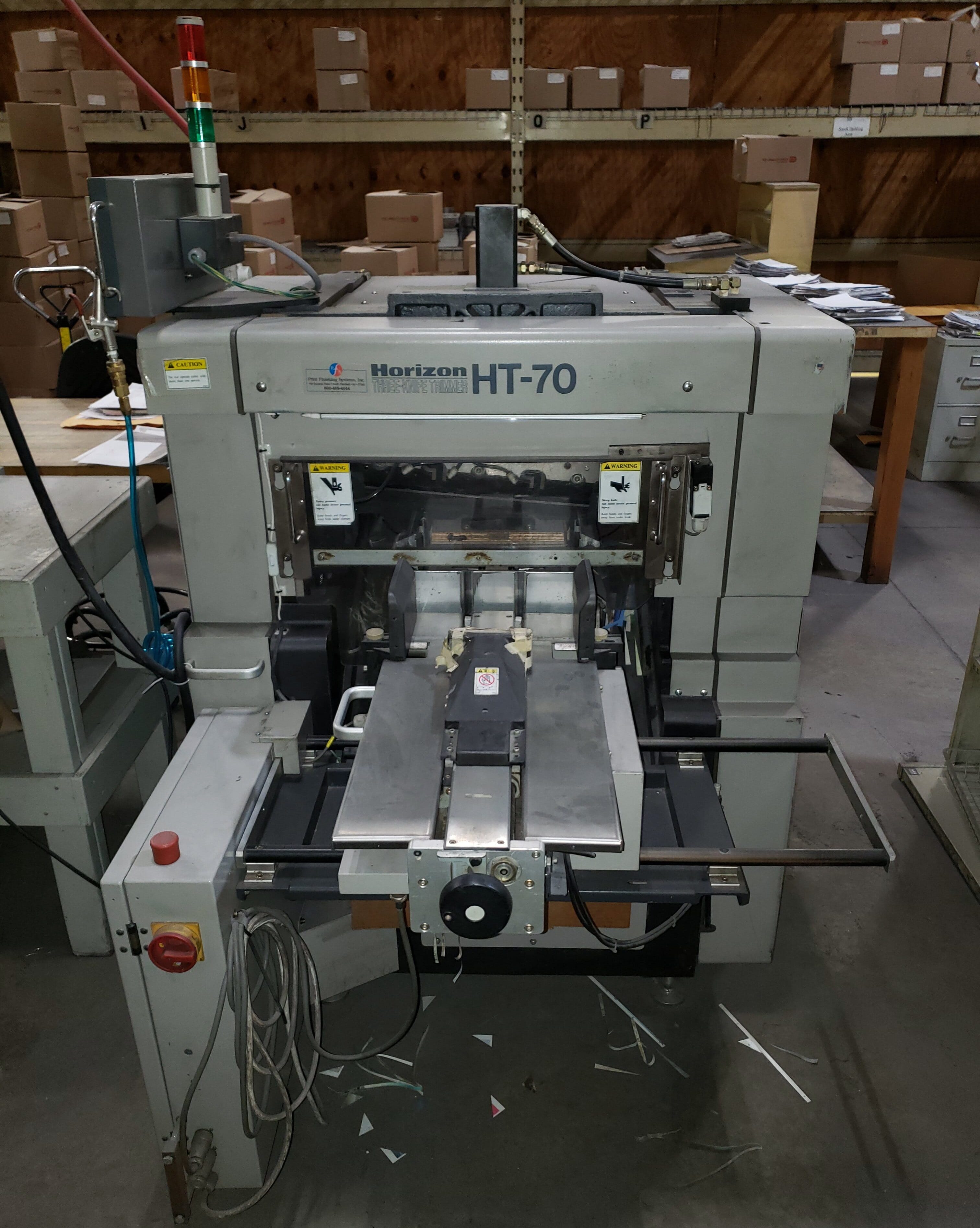
Trimmer knives are essential tools in various industries. They are used for precise cutting tasks. These knives are versatile and efficient. They ensure clean and accurate cuts. Let’s explore their purpose and design.
Purpose And Design
Trimmer knives are designed for specific cutting needs. They are used in printing, packaging, and textile industries. These knives provide clean cuts on different materials. The design focuses on sharpness and durability. This ensures that the knife performs well over time.
Their ergonomic design reduces user fatigue. It allows for extended use without discomfort. They come in various shapes and sizes. Each type serves a unique purpose. This ensures the knife meets specific industry needs.
Basic Components
Trimmer knives have several key components. Here are the main parts:
- Blade: The cutting part of the knife. It is made from high-quality steel.
- Handle: Provides grip and control. It is designed for comfort.
- Guard: Protects the user from accidental cuts. It covers the blade when not in use.
- Screw: Holds the blade in place. It allows for easy blade replacement.
These components work together for efficient cutting. Each part plays a vital role. They ensure the knife is safe and effective.
Versatile Applications
A trimmer knife is a handy tool with many uses. It is perfect for various tasks. Let’s explore its versatile applications.
Gardening Tasks
In the garden, a trimmer knife is essential. It helps with pruning small branches. You can easily cut through tough stems. It is ideal for harvesting vegetables. Gardeners use it to trim herbs and flowers. Its sharp blade makes clean cuts. This ensures healthy plant growth.
Crafting And Hobbies
For crafting, a trimmer knife is invaluable. It is great for cutting paper and fabric. Crafters use it to create intricate designs. It ensures precise cuts every time. Model makers find it useful too. It helps shape plastic and wood parts. Hobbyists appreciate its versatility. It is a must-have tool for any craft box.
Precision Cutting
A trimmer knife is essential for achieving precision cutting. This tool is perfect for intricate and detailed tasks. It ensures clean and accurate results every time.
Detailed Work
For detailed work, a trimmer knife excels. It allows you to cut small, complex shapes. This is especially useful in crafts and model-making.
Here are some tasks where a trimmer knife shines:
- Cutting thin paper and cardboard
- Creating detailed stencils
- Trimming photographs and artwork
Clean Edges
The trimmer knife provides clean edges on every cut. This is crucial for professional-looking projects. No more ragged or uneven lines.
| Material | Result |
|---|---|
| Paper | Sharp, clean lines |
| Fabric | Neat, fray-free edges |
| Foam Board | Precise, smooth cuts |
Using a trimmer knife helps you achieve these results effortlessly.
Safety Features
Understanding the safety features of a trimmer knife is crucial. These features help prevent accidents and ensure smooth operation. Let’s delve into the various protective mechanisms and safe handling tips associated with trimmer knives.
Protective Mechanisms
Modern trimmer knives come with several protective mechanisms. These mechanisms are designed to protect users from harm.
- Blade Guard: The blade guard covers the knife when not in use.
- Safety Lock: A lock prevents accidental activation of the knife.
- Non-slip Grip: Ensures a firm hold, reducing slip risks.
Safe Handling Tips
Following safe handling tips ensures the proper use of a trimmer knife. Here are some essential tips to remember:
- Always hold the knife by its handle.
- Engage the safety lock when not in use.
- Store the knife in a secure place.
- Keep fingers away from the blade.
- Use the knife only for its intended purpose.
| Feature | Description |
|---|---|
| Blade Guard | Covers the blade when not in use. |
| Safety Lock | Prevents accidental activation. |
| Non-slip Grip | Provides a secure hold. |
Maintenance Tips
Proper maintenance of a trimmer knife ensures its longevity and performance. Following these tips will help keep your knife in top condition.
Sharpening Techniques
Regular sharpening is crucial for a trimmer knife. A dull blade can cause accidents and reduce efficiency. Here are some sharpening techniques:
- Use a sharpening stone: Hold the knife at a 20-degree angle. Slide it across the stone.
- Employ a honing rod: This helps maintain the blade’s edge between sharpening sessions.
- Electric sharpeners: These tools provide quick and consistent results.
Proper Storage
Storing your trimmer knife correctly is essential for safety and durability. Follow these storage tips:
- Keep it dry: Moisture can cause rust and damage the blade.
- Use a sheath or cover: This prevents accidental cuts and keeps the blade sharp.
- Store in a safe place: Ensure it is out of children’s reach.
| Maintenance Task | Frequency |
|---|---|
| Sharpening | Every 2-3 months |
| Cleaning | After each use |
| Oiling | Monthly |
Material Compatibility
Understanding the material compatibility of a trimmer knife is essential. This ensures efficient and safe operation. Trimmer knives are versatile tools, but their effectiveness depends on the materials they interact with.
Suitable Materials
A trimmer knife works well with several materials. These include:
- Paper: Ideal for cutting and trimming paper.
- Cardboard: Effective for crafting and packaging tasks.
- Leather: Suitable for precise cuts in leatherwork.
- Plastic: Useful for trimming thin plastic sheets.
These materials respond well to the sharpness and precision of a trimmer knife. Each material requires specific techniques for best results.
Avoiding Damage
To maintain the longevity of your trimmer knife, avoid certain materials:
- Metal: Can dull or damage the blade.
- Thick Glass: Too hard for a trimmer knife to cut.
- Hardwood: May chip or break the blade.
- Stone: Not suitable for trimmer knives.
Using a trimmer knife on these materials can cause damage. It is important to use the right tool for each specific material. This ensures both safety and efficiency.
Environmental Impact
Understanding the environmental impact of a trimmer knife is important. Many people are now aware of their actions on nature. This section will explore how trimmer knives affect the environment. We will also discuss eco-friendly practices and sustainable usage.
Eco-friendly Practices
Using a trimmer knife can be environmentally friendly. Here are some practices:
- Recycling old blades: Proper disposal and recycling help reduce waste.
- Using biodegradable materials: Choose knives with biodegradable parts.
- Energy-efficient usage: Use the knife in a way that saves energy.
Sustainable Usage
Sustainable usage of trimmer knives is key. Follow these guidelines:
- Maintain your knife regularly to extend its life.
- Opt for reusable blades instead of disposable ones.
- Use knives made from eco-friendly materials like bamboo or recycled metals.
| Practice | Benefit |
|---|---|
| Recycling Blades | Reduces waste |
| Biodegradable Materials | Less environmental harm |
| Energy-Efficient Usage | Saves energy |
| Regular Maintenance | Extends knife’s life |
| Reusable Blades | Less waste |
| Eco-Friendly Materials | Reduces carbon footprint |
Following these practices can make a big difference. They help reduce the environmental impact of using a trimmer knife. Always choose sustainable and eco-friendly options.

Credit: www.amazon.com

Credit: www.ebay.com
Frequently Asked Questions
What Do You Use A Trimming Knife For?
A trimming knife is used for precise cutting tasks. It trims materials like paper, cardboard, and plastic. Ideal for crafts and DIY projects.
What Is Trimmer Knife?
A trimmer knife is a handheld tool designed for precise cutting, trimming, and shaping materials like paper and fabric.
What Is The Purpose Of A Utility Knife?
A utility knife is used for cutting various materials like cardboard, plastic, and drywall. It offers precision and versatility.
What Is The Purpose Of The Paring Knife?
A paring knife is used for precise cutting tasks like peeling, trimming, and slicing small fruits and vegetables. Its small, sharp blade allows for detailed work, making it essential in any kitchen.
Conclusion
A trimmer knife is an essential tool for precise cutting tasks. It offers accuracy and versatility for various projects. Whether you’re a professional or a DIY enthusiast, a trimmer knife can enhance your work quality. Invest in a good trimmer knife to make your cutting tasks easier and more efficient.