
Is It Safe to Use Trimmer on Face? Expert Tips and Insights
Using a trimmer on your face can feel risky at first. Many people worry about cuts, nicks, and red skin. A good trimmer is safe when you use it well. The right tool and care keep your skin calm.
This guide explains if a trimmer is safe for your face. You will learn the benefits, risks, and safe steps. We cover skin types, blade care, and irritation tips. The tables show the facts side by side for quick reading.
Face skin is thinner and more sensitive than body skin. A body trimmer may be too rough for the face. A small face trimmer suits cheeks, chin, and neck. Read on to learn the safe way to trim.
Quick answer: Yes, a trimmer is safe on the face with care. Use a clean face trimmer and trim in the direction of hair growth. Hold it at a 90-degree angle and use light pressure. Moisturize after trimming and stop if irritation grows.
- Is It Safe to Use Trimmer on Face? Key Points
- What Is a Face Trimmer?
- Benefits of Using a Trimmer on Your Face
- How to Choose the Right Face Trimmer
- How to Use a Trimmer on Your Face
- Tips for Safe Face Trimming
- Face Trimmers for Different Skin Types
- Handling Skin Irritation
- Frequently Asked Questions
- Conclusion: Is It Safe to Use Trimmer on Face?
Is It Safe to Use Trimmer on Face? Key Points
A trimmer is safe on the face when used with care. It trims hair short without a blade on bare skin. That means fewer nicks than a razor gives. Clean tools and light pressure keep skin safe. Stop at once if the skin turns red or sore.

The Short Answer
Yes, most people can trim facial hair with a trimmer. Choose a trimmer made for the face, not the body. Face trimmers have smaller heads and gentler blades. Patch test a small area before your first full trim. Our body trimmer guide explains how body trimmers differ from face tools.
What Is a Face Trimmer?
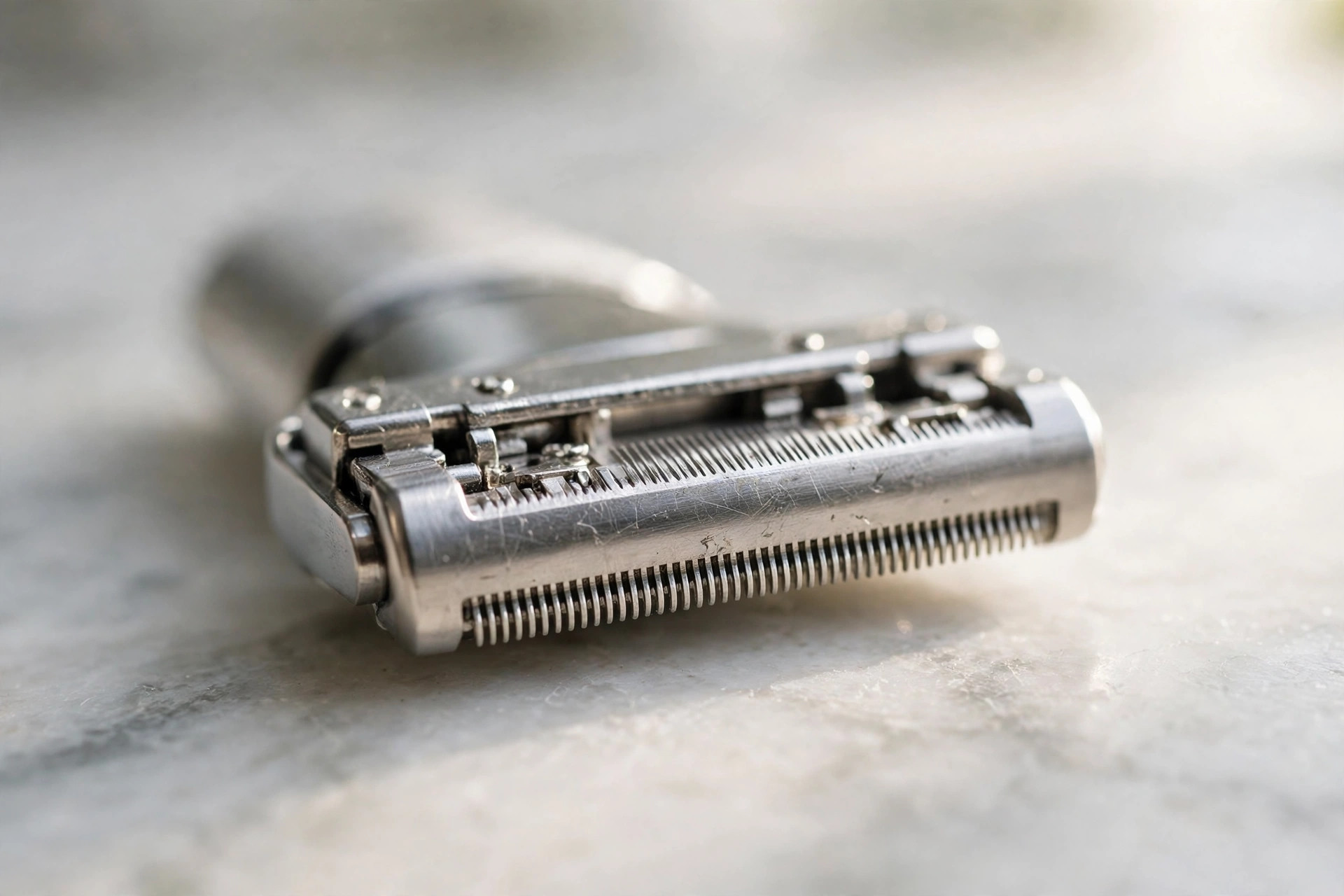
A face trimmer is a small electric tool for facial hair. It has a narrow head that fits cheeks and chin. The blades trim hair short without touching the skin. Most models run on batteries and fit in one hand. Guards and combs let you set the length you want.
Face Trimmer vs Body Trimmer
A body trimmer is larger and made for wide areas. A face trimmer is smaller and gentler on skin. Face skin is thinner, so it needs a softer tool. Our face use guide explains why body trimmers are not ideal for faces. Pick a tool made for the face for best results.
Benefits of Using a Trimmer on Your Face
A face trimmer offers clear benefits for daily grooming. It trims fast and needs little time or effort. It shapes edges and details with fine control. It works on beard, mustache, and brows with ease. It causes less irritation than a blade on skin.
| Benefit | What It Means |
|---|---|
| Quick grooming | Trims fast with little effort |
| Precision | Shapes edges and details well |
| Versatility | Works on beard, mustache, and brows |
| Less irritation | Gentler than a blade on skin |
Less Irritation, More Control
The blade stays off the skin, so nicks stay rare. You can shape lines without pressing the tool hard. A trimmer suits daily touch-ups and quick fixes well. Our trimmer vs shaver guide explains how trimmers differ from shavers. Clean the head after each use for best results.
How to Choose the Right Face Trimmer
Pick a trimmer that fits your skin type first. Sensitive skin needs a hypoallergenic blade head. Oily skin suits stainless steel that cleans with ease. Dry skin suits ceramic heads with moisturizing strips. Check blade material before you buy any trimmer.
| Skin Type | Recommended Trimmer | Benefit |
|---|---|---|
| Sensitive | Hypoallergenic | Reduces irritation |
| Oily | Stainless Steel | Easy to clean |
| Dry | Ceramic | Moisturizing strips |
Blades and Features
Adjustable guards let you set the length you want. A good grip keeps the tool steady in hand. Check whether the trimmer works wet or dry. Our waterproof guide tells you which trimmers can handle wet use. The Philips OneBlade page shows a trimmer made for face and body.
How to Use a Trimmer on Your Face
Cleanse your face before you start to trim. Choose the right guard for the length you want. Trim in the direction of hair growth for comfort. Hold the trimmer at a 90-degree angle to skin. Use light pressure and let the blades do the work.

| Area | Trimming Direction | Pressure |
|---|---|---|
| Cheeks | Downward | Light |
| Neck | Upward | Moderate |
| Jawline | Downward | Light |
After You Trim
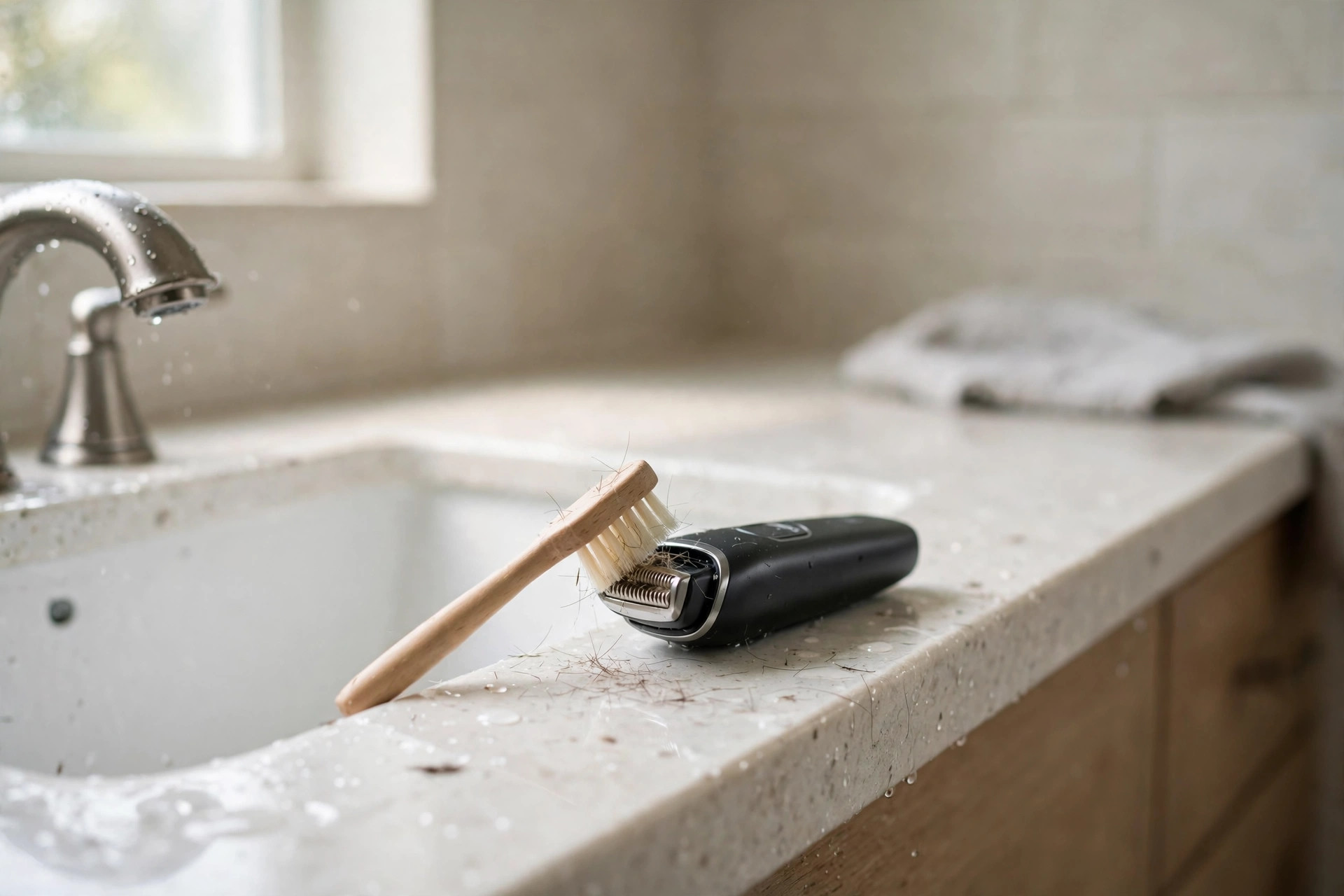
Clean the trimmer head after every single use. Brush off hair and rinse the head if allowed. Our cleaning guide shows how to keep trimmer heads clean and safe. Moisturize your skin to calm it after trimming. Store the trimmer dry and out of damp air.
Tips for Safe Face Trimming
Trim in the direction of hair growth each time. Keep the trimmer head flat against the skin. Moisturize after trimming to soothe the skin. Replace blades every 6 to 12 months for clean cuts. Avoid pressing too hard or going over one spot.
| Task | When |
|---|---|
| Replace blades | Every 6 to 12 months |
| Lubricate blades | Weekly |
| Clean after use | After every trim |
Blade Care
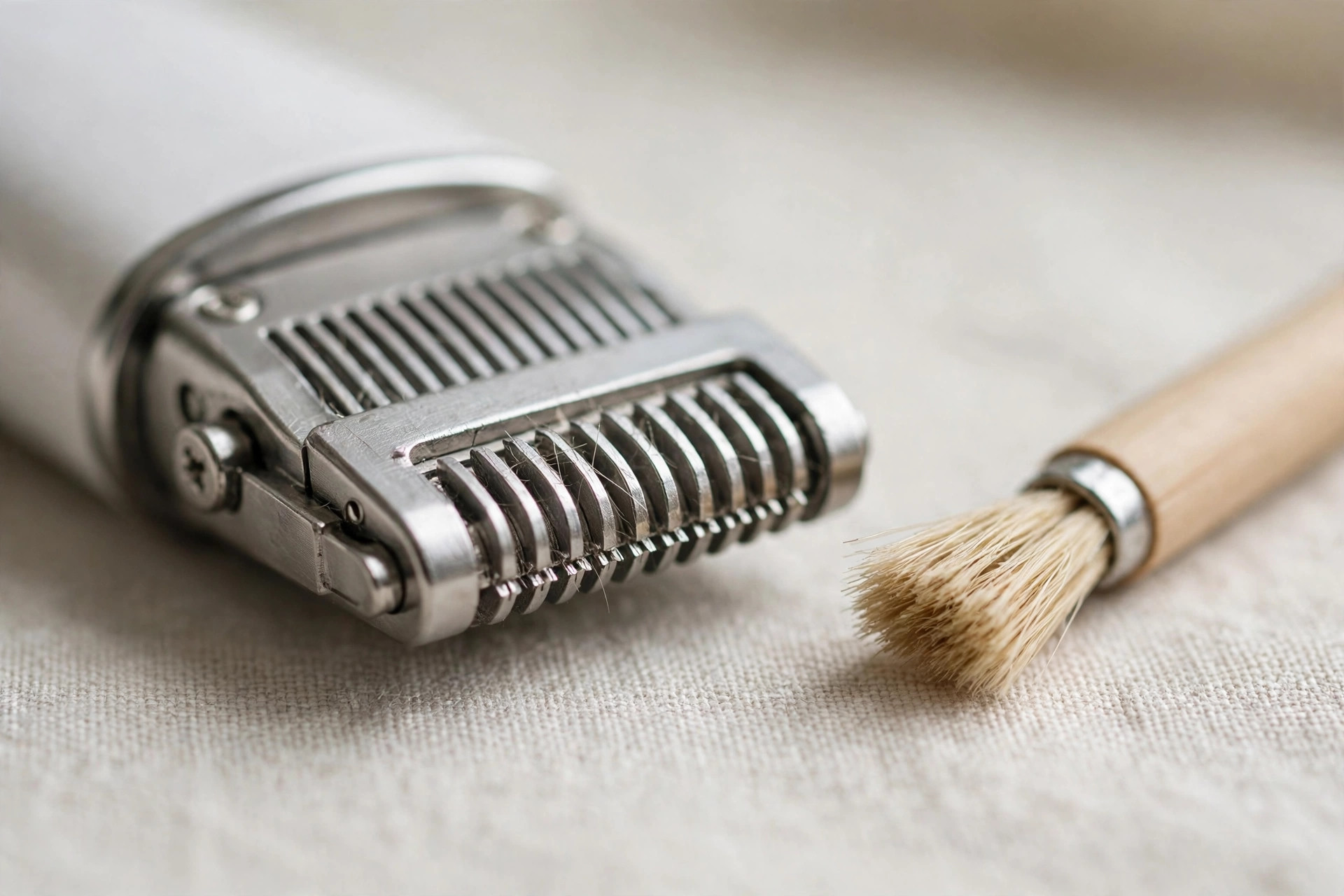
Lubricate the blades weekly to keep them smooth. Dull blades tug hair and irritate the skin. Our sharpening guide shows how to keep blades keen and safe. Our safety guide explains how trimmers lower the risk of cuts. Patch test new tools on a small area first.
Face Trimmers for Different Skin Types
Each skin type needs a slightly different trimmer. Sensitive skin needs gentle blades and light pressure. Oily skin needs a head that cleans with ease. Dry skin needs moisture and a soft touch. The table below matches skin types to trimmers.
| Concern | Solution |
|---|---|
| Skin sensitivity | Use a hypoallergenic trimmer |
| Risk of cuts | Trim slowly and use light pressure |
| Irritation | Moisturize after trimming |
Match the Tool to Your Skin
Try a hypoallergenic head if redness appears often. Stainless steel suits oily skin and easy cleaning. Ceramic heads suit dry skin with moisturizing strips. Change the head if your skin reacts badly. Stop and rest the skin if irritation keeps coming.
Handling Skin Irritation
Mild redness after trimming is common and fades fast. Cleanse the skin gently with cool water first. Apply a soothing cream to calm the area down. Avoid makeup on fresh trimmed skin for a day. Let the skin rest before you trim it again.

When to Ask a Doctor
Always consult a dermatologist for severe irritation. Severe redness, swelling, or pain needs expert care. Do not keep trimming skin that stays sore. A doctor can suggest a safer routine for you. General guides cannot replace personal medical advice.
Frequently Asked Questions
These answers repeat this guide’s own points only. They follow the same steps explained above closely. Read them before you trim your face at home.
Is it safe to use a trimmer on facial hair?
Yes, it is safe to use a trimmer on facial hair. Trimmers are designed for gentle grooming of facial hair. They are less likely to cause cuts or irritation. Always use a clean trimmer and follow the instructions.
Can I use a hair trimmer on my face?
Yes, you can use a hair trimmer on your face. However, it is better to use a trimmer designed for facial hair. Facial trimmers are gentler and more precise. They reduce the risk of irritation and cuts.
What are the side effects of using a trimmer on the face?
Side effects can include skin irritation, redness, and ingrown hairs. These are usually mild and go away quickly. Proper technique and aftercare can minimize these effects. Consult a dermatologist if irritation persists or worsens.
Can I use a trimmer on my face every day?
Yes, you can use a trimmer on your face every day. Daily use is safe if you follow proper hygiene. Clean the trimmer after each use to avoid infections. Moisturize your skin after trimming to prevent dryness.
How often should I replace face trimmer blades?
Replace the blades every 6 to 12 months for clean cuts. Dull blades tug hair and irritate the skin. Lubricate the blades weekly to keep them smooth. Clean the head after every trim for best results.
Conclusion: Is It Safe to Use Trimmer on Face?
So, is it safe to use trimmer on face each day? Yes, it is safe with the right tool and care. Use a face trimmer, not a body trimmer. Trim with the grain and use light pressure. Clean the head and moisturize after each trim.
Replace blades on time and keep the tool clean. Stop if redness or pain keeps coming back. Ask a dermatologist for severe irritation at once. Safe habits keep your face smooth and calm.
