A line trimmer, also known as a weed whacker, is a garden tool used for cutting grass and weeds. It features a flexible monofilament line instead of a blade.
Line trimmers are essential for maintaining neat and tidy lawns. They effectively trim grass and weeds in hard-to-reach areas. Their lightweight design makes them easy to handle, even for extended periods. Different models cater to various needs, from electric to gas-powered options.
Line trimmers excel at edging sidewalks, driveways, and flower beds. Their versatility makes them a popular choice among homeowners and professional landscapers. Regular maintenance ensures optimal performance and longevity. Investing in a quality line trimmer can save time and effort in yard upkeep. Always follow safety guidelines to prevent accidents.

Credit: www.husqvarna.com
Introduction To Line Trimmers
A line trimmer is an essential garden tool. It is also known as a weed eater or weed whacker. This tool is designed to trim grass and weeds where a lawn mower can’t reach. It has a long shaft with a handle at one end and a rotating cutting head at the other.
Line trimmers use a flexible, high-speed rotating line. This line is usually made of nylon. It cuts through grass and small plants efficiently. The tool is lightweight and easy to maneuver.
Purpose And Importance
The primary purpose of a line trimmer is to maintain neat edges and corners in your yard. It helps in cutting grass and weeds in tight spots. These spots include areas around trees, fences, and flower beds.
- Edging: Provides clean edges along walkways and driveways.
- Trimming: Maintains grass in areas a mower can’t reach.
- Weed Control: Removes unwanted plants from garden beds.
Using a line trimmer keeps your garden looking well-maintained. It also prevents weeds from spreading. This ensures your plants grow healthier.
Common Uses
Line trimmers are versatile tools. They can be used in various gardening tasks. Let’s explore some of their common uses.
- Pathways: Trimming grass along pathways and driveways.
- Fence Lines: Cutting grass around fences and walls.
- Tree Bases: Maintaining grass near the base of trees.
- Flower Beds: Keeping weeds away from flower beds.
These tools are also useful in trimming grass on slopes. They work well in areas where other tools are hard to use.
| Feature | Benefit |
|---|---|
| Lightweight Design | Easy to handle and maneuver. |
| Rotating Head | Efficient cutting of grass and weeds. |
| Flexible Line | Safe and effective for trimming. |
A line trimmer is a must-have tool for any gardener. It provides precision and ease in maintaining your garden.
Types Of Line Trimmers
Line trimmers, also known as string trimmers, come in various types. Each type serves different needs and preferences. Let’s explore the main types of line trimmers you can choose from.
Electric Vs. Gas-powered
Electric line trimmers are popular for their ease of use. They require less maintenance. These trimmers are quieter and more eco-friendly. There are two main types of electric trimmers: corded and cordless.
Gas-powered line trimmers are powerful and suitable for large yards. They can handle tough grass and weeds. These trimmers are more durable but need regular maintenance. They are also louder and produce emissions.
Corded Vs. Cordless
Corded electric trimmers need to be plugged into an outlet. They provide continuous power and are lighter. These trimmers are best for small to medium yards. One limitation is the length of the cord, which restricts movement.
Cordless electric trimmers run on rechargeable batteries. They offer greater mobility and are easy to use. These trimmers are ideal for small yards and quick jobs. Battery life can be a limitation for longer tasks.
| Type | Power Source | Best For | Key Features |
|---|---|---|---|
| Electric (Corded) | Electric Outlet | Small to Medium Yards | Lightweight, Continuous Power, Restricted by Cord Length |
| Electric (Cordless) | Rechargeable Battery | Small Yards, Quick Jobs | Mobility, Easy to Use, Limited Battery Life |
| Gas-Powered | Gasoline | Large Yards, Tough Grass | Powerful, Durable, Requires Maintenance, Noisy |
Key Features To Consider
Understanding the key features of a line trimmer can help you make an informed decision. These features impact the tool’s performance, ease of use, and overall efficiency. Let’s dive into the most crucial aspects you should consider.
Power And Performance
The power and performance of a line trimmer are crucial. They determine how effectively it can cut through tough grass and weeds. Here’s what to look for:
- Engine Power: Measured in cc for gas trimmers or volts for electric trimmers.
- Cordless or Corded: Cordless trimmers offer more mobility, while corded ones provide continuous power.
- Cutting Width: A wider cutting width covers more area in less time.
Weight And Ergonomics
Weight and ergonomics are vital for comfort and ease of use. A lighter trimmer reduces fatigue, especially during extended use. Consider these points:
- Weight: Look for a trimmer that is easy to handle.
- Adjustable Handles: These provide better control and comfort.
- Vibration Reduction: Features like padded handles can minimize vibration.
Choosing a trimmer with these features will make your yard work simpler and more enjoyable.
Choosing The Right Line Trimmer
Choosing the right line trimmer is essential for yard maintenance. The right tool makes trimming easy and efficient. Consider your yard’s size, terrain, and budget.
Yard Size And Terrain
The size of your yard affects your line trimmer choice. Small yards need lightweight trimmers. They are easy to handle and store.
Large yards need powerful trimmers. They must handle long use without overheating. If your yard has thick grass or weeds, choose a strong motor.
Consider the terrain of your yard. Flat yards are easier to trim. Hilly or rocky yards need a trimmer with good maneuverability.
Budget Considerations
Line trimmers come in various price ranges. Set a budget before shopping. Basic models are affordable and good for small yards. High-end models cost more but offer more features.
Consider the cost of maintenance. Some trimmers need frequent part replacements. Others have low maintenance needs.
Think about long-term costs. A durable trimmer may cost more upfront but save money over time.
| Feature | Basic Model | High-End Model |
|---|---|---|
| Price | Low | High |
| Power | Low to Medium | High |
| Maintenance | Frequent | Less Frequent |
Choosing the right line trimmer makes yard work easier. Consider yard size, terrain, and budget. This helps you select the best tool for your needs.
Using A Line Trimmer Safely
Using a line trimmer can make yard work easier. But safety is important. Here’s how to use a line trimmer safely. Follow these tips to avoid injury and get the best results.
Protective Gear
Always wear protective gear when using a line trimmer. This gear includes:
- Safety glasses to protect your eyes from debris.
- Ear protection to guard against loud noises.
- Gloves to keep your hands safe.
- Long pants and long sleeves to protect your skin.
- Sturdy shoes to protect your feet.
Operating Tips
Follow these tips to operate your line trimmer safely and efficiently:
- Read the manual to understand your trimmer.
- Inspect the trimmer before each use. Check for damage.
- Keep the trimmer’s cutting head away from your body.
- Hold the trimmer firmly with both hands.
- Use the trimmer at a slow speed in tight areas.
- Avoid trimming near loose objects like rocks and sticks.
- Turn off the trimmer before making any adjustments.
| Task | Best Practice |
|---|---|
| Starting the trimmer | Check for fuel, inspect the cord |
| Trimming | Move in a sweeping motion |
| Stopping the trimmer | Turn off and unplug or disconnect |

Credit: www.amazon.com
Maintenance And Care
Proper maintenance and care of your line trimmer ensure it runs smoothly. It also extends the life of the trimmer. Below are some essential tips for maintaining your line trimmer.
Cleaning And Storage
After each use, clean the line trimmer. Remove any grass clippings or debris. Use a brush or cloth to wipe it down. Ensure the trimmer is dry before storing it.
- Clean the air filter regularly.
- Check for any loose screws or parts.
- Store the trimmer in a dry, cool place.
- Hang it on a wall to save space and prevent damage.
Replacing The Line
Replacing the line is crucial for the trimmer’s performance. Use the recommended line type for your model.
- Turn off the trimmer and unplug it.
- Remove the spool from the trimmer head.
- Cut a new line to the required length.
- Insert the line into the spool, following the arrows.
- Reattach the spool to the trimmer head.
Ensure the line is wound tightly and evenly. This prevents it from jamming during use.
Benefits Of Using A Line Trimmer
Line trimmers offer numerous advantages for maintaining your lawn. These tools are designed to make lawn care easier and more efficient. Let’s explore the key benefits of using a line trimmer.
Efficiency And Precision
Line trimmers are known for their efficiency and precision. They can reach areas that lawn mowers cannot. This includes edges, corners, and tight spots around trees and fences. With a line trimmer, you can achieve a neat and tidy lawn.
These tools are also lightweight and easy to maneuver. This makes it simpler to trim around delicate plants without causing damage. The precision of a line trimmer ensures that every part of your lawn is well-groomed.
Versatility In Lawn Care
Line trimmers are extremely versatile. They can handle various types of grass and weeds. This makes them suitable for different lawn care tasks. You can switch between trimming and edging with ease.
Many line trimmers come with adjustable handles and shafts. This allows users to customize the tool for their comfort. Additionally, some models offer interchangeable heads for different tasks. This versatility ensures that a line trimmer is a valuable addition to your lawn care toolkit.
Below is a quick comparison of the benefits:
| Benefit | Description |
|---|---|
| Efficiency | Quickly trims hard-to-reach areas |
| Precision | Ensures a neat and tidy lawn |
| Versatility | Handles various tasks and types of grass |
Top Line Trimmer Brands
Choosing the right line trimmer can be overwhelming. There are many brands available, each offering different features. Let’s explore some of the top line trimmer brands in the market. Knowing the best options can help you make an informed decision.
Brand Comparisons
| Brand | Features | Price Range |
|---|---|---|
| Stihl | Durable, Easy to Start, Powerful | $$$ |
| Husqvarna | Lightweight, Ergonomic Design, Versatile | $$ |
| Echo | Professional Grade, Low Vibration, Long Warranty | $$$ |
| Black+Decker | Affordable, Battery-Powered, Easy to Use | $ |
| Ryobi | Innovative, Cordless, Budget-Friendly | $$ |
Customer Reviews
Customer reviews offer valuable insights. Here are some highlights:
- Stihl: Customers love the power and durability. Some find it heavy.
- Husqvarna: Users appreciate the lightweight design. Some report issues with the spool.
- Echo: Praised for professional quality and low vibration. A bit pricey.
- Black+Decker: Ideal for small yards. Battery life can be short.
- Ryobi: Great for budget-conscious buyers. Some find it less powerful.
Each brand has its strengths. Reading reviews can help you decide the best fit for your needs.
Diy Vs. Professional Lawn Care
Choosing between DIY and professional lawn care can be tough. Both have their pros and cons. Let’s dive into the details to help you decide.
Cost Analysis
Cost is a big factor in deciding between DIY and professional lawn care. Here’s a simple breakdown:
| DIY Lawn Care | Professional Lawn Care |
|---|---|
|
|
Pros And Cons
Both DIY and professional lawn care come with their own set of advantages and disadvantages.
DIY Lawn Care
- Pros:
- Lower cost in the long run
- Flexible schedule
- Personal satisfaction
- Cons:
- Time-consuming
- Requires physical effort
- May lack professional finish
Professional Lawn Care
- Pros:
- Expert service
- Saves time and effort
- Consistent results
- Cons:
- Higher cost
- Less control over timing
- Possible scheduling conflicts
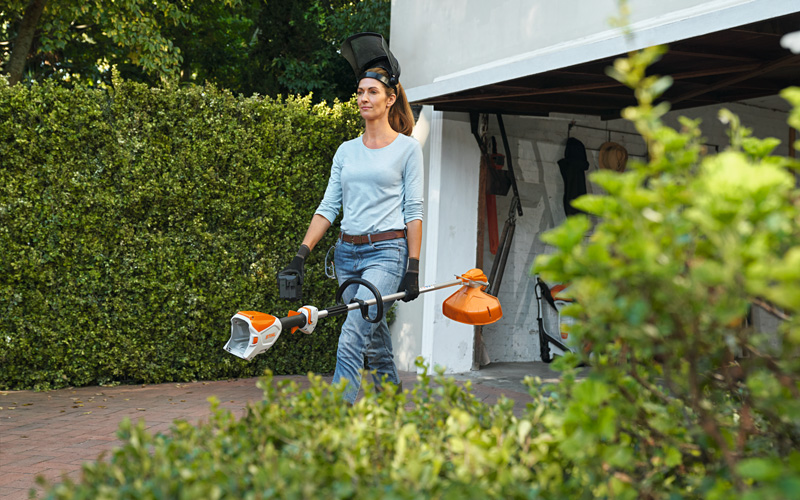
Credit: www.stihlshop.co.nz
Frequently Asked Questions
What Do You Use A Line Trimmer For?
A line trimmer is used to cut grass and weeds in hard-to-reach areas. It trims edges and around obstacles for a neat lawn.
What Is The Difference Between A Grass Trimmer And A Line Trimmer?
A grass trimmer uses a blade to cut grass and weeds. A line trimmer uses a spinning nylon line for trimming. Both tools are used for lawn maintenance but differ in their cutting mechanisms.
Is A Line Trimmer The Same As An Edger?
No, a line trimmer and an edger are not the same. Line trimmers cut grass and weeds. Edgers create clean boundaries along sidewalks and driveways.
What Is The Difference Between Edging And Line Trimming?
Edging creates a clean boundary between lawns and sidewalks. Line trimming cuts grass and weeds in hard-to-reach areas.
Conclusion
A line trimmer is an essential tool for maintaining a tidy lawn. It helps achieve clean edges and a polished look. By understanding its features and benefits, you can make an informed decision. Invest in a quality line trimmer to enhance your garden’s appearance and enjoy a well-manicured yard.