
How to Edge with String Trimmer
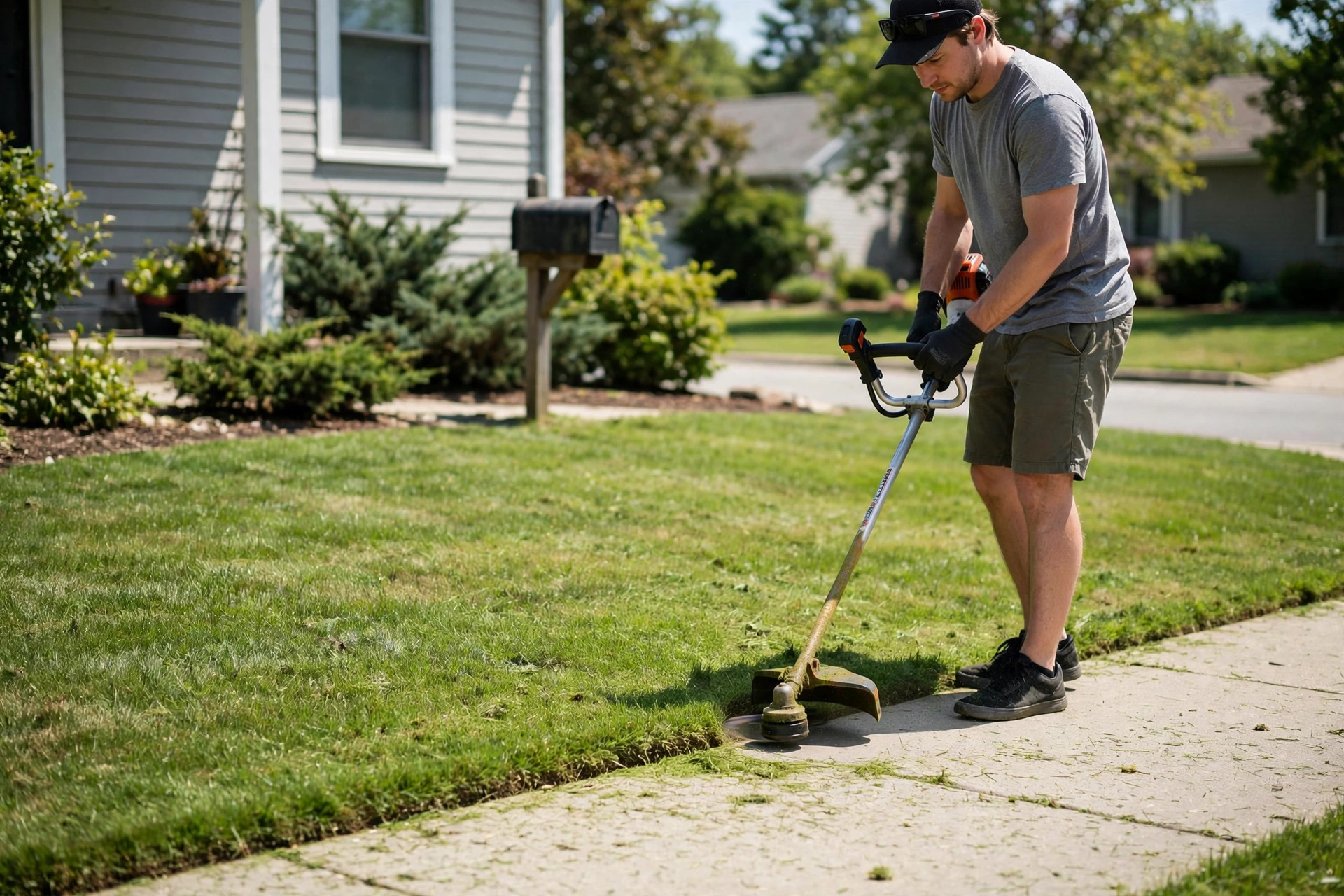
It’s intriguing to think about a simple tool. A string trimmer could transform lawns and outdoor spaces. Edging with a string trimmer is called weed whacking. It is also known as weed eating widely.
It enhances curb appeal for your whole yard. Your yards look crisp and well-maintained afterward too. These machines are not just string and plastic. They’re precision instruments that enthusiasts need to master.
Like most gardening tools, the string trimmer has its roots deep in history. This guide explains how to edge with string trimmer clearly. It was invented in the early 1970s era. It trimmed grass that lawnmowers could not reach.
- Start your string trimmer and hold it at about a 90-degree angle to the lawn edge.
- Move the trimmer left to right, cutting into the grass edge.
- Proceed slowly and steadily, ensuring a straight line.
- Avoid cutting too deep to avoid ripping grass roots.
- Clean up the remaining grass and enjoy your neat yard.
Quick answer: Hold your string trimmer upright at the edge. Start the trimmer and move slowly along the edge line. Keep a steady pace to cut a straight clean line. Check for missed spots and clear away the debris. Wear safety gear before you start every edging job.
- How to Edge with String Trimmer
- Step 1: Ensuring Safety
- Step 2: Prepping Your String Trimmer
- Step 3: Starting the Edging Process
- Step 4: Finishing Touches
- Step 5: Regular Maintenance Is Key
- Frequently Asked Questions
- Edging Safety and Frequency
- Skills and Damage Questions
- Conclusion: How to Edge with String Trimmer
How to Edge with String Trimmer
Maintaining a tidy and well-kept yard is not just about mowing the lawn. Edges around driveways and sidewalks express horticultural elegance. Flower beds can express even more when attended.
Learning this skill comes in handy very often. It gives your yard a polished look overall. This guide will explain the steps and safety measures. It will also share a few handy tips. Learn how to edge a lawn with string trimmer for the full method.
| Step | What you do | Key tip |
|---|---|---|
| 1 | Put on safety gear first | Glasses, gloves, sturdy shoes |
| 2 | Prep the trimmer and line | Correct string, full power |
| 3 | Hold the head upright | String perpendicular to ground |
| 4 | Edge slowly along the line | Steady pace, straight walk |
| 5 | Finish, clean, and store | Repeat each time you mow |
Step 1: Ensuring Safety
Before you start, safety measures are always critical. They matter for simple and complex tasks alike. When it comes to edging with a string trimmer, here’s what you need to do. The EPA lawn and garden page covers safe yard care.
Firstly, ensure you’re equipped with protective clothing. Safety glasses protect your eyes from flying debris. Sturdy gloves protect your hands during the work. Wear long pants and closed-toe shoes for protection.
Secondly, inspect your trimmer to ensure it is in good working condition. Check for any loose parts or worn-out strings. Other damages may pose a risk during operation. If any parts are damaged or worn out, replace them before starting.
Finally, ensure the area you’re about to edge is clear of any obstacles or debris. Rocks and thick branches can be hazardous here. Metal pieces can also be hazardous when hit. Clearing these obstacles will not only make your edging easier but also safer.

Step 2: Prepping Your String Trimmer
Preparation is key to doing an excellent job. For you to edge with a string trimmer effectively, here are some things to consider. Review how to use a trimmer before you start prepping.
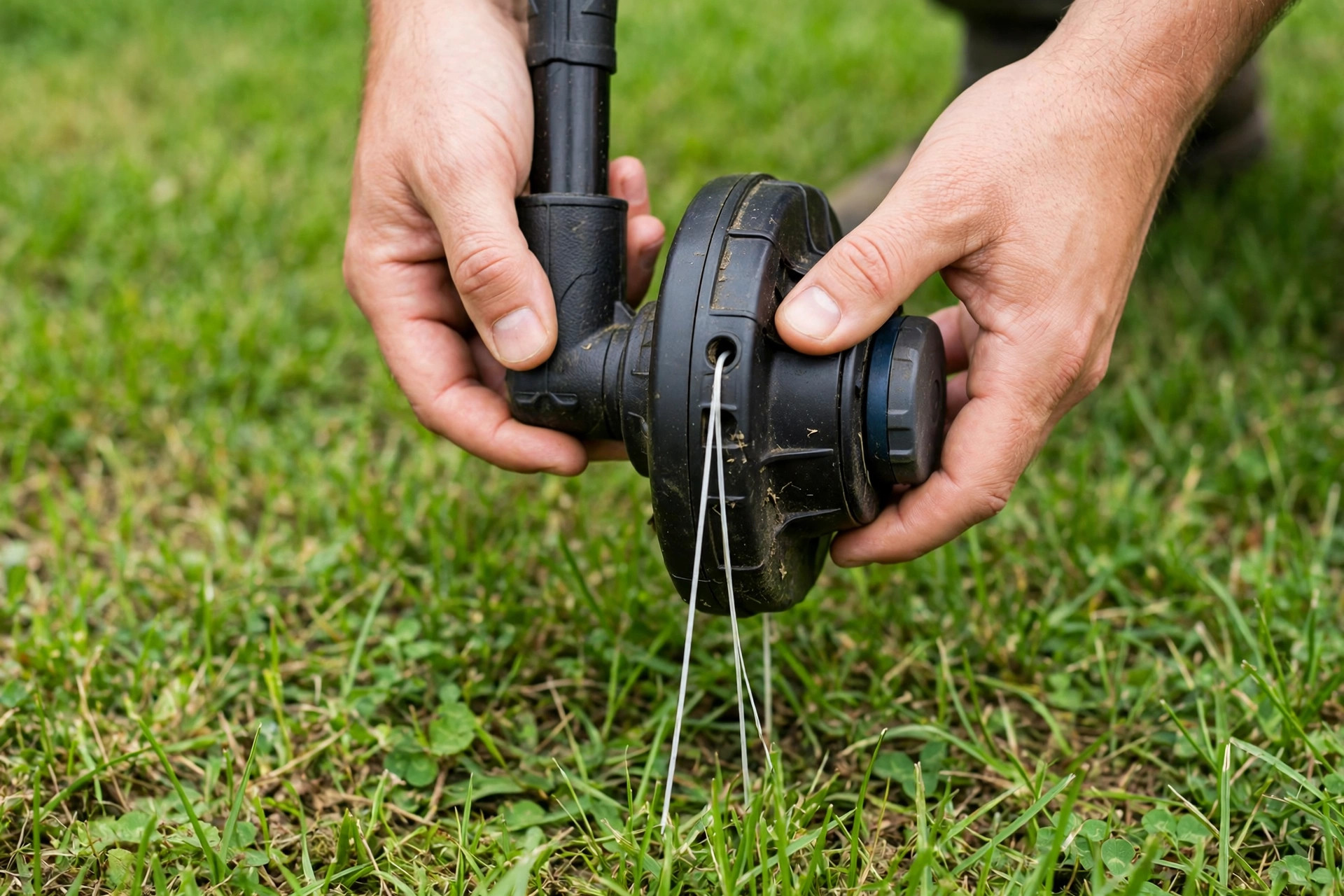
Ensure the string matches the correct type and length. Follow the manufacturer’s instructions for your trimmer model. Depending on the trimmer’s make and model, you might require different string types. As you edge, the string will wear down. Ensure there is enough string for the job.
Secondly, adjust the angle of your string trimmer. Be sure to pivot the cutting head to an upright position. Many models have an adjustable head for edging. Tilt it upright, usually perpendicular to the ground.
Last but not least, check your trimmer’s power source. If it’s a gas-powered model, ensure it has enough fuel. If it’s electric or battery-powered, confirm it’s fully charged. This prevents interruptions during the edging process.
| Check | Do this | Why |
|---|---|---|
| String | Fit the correct type and length | Clean cuts, fewer stops |
| Head angle | Pivot the head upright | Vertical cut for edging |
| Power | Fuel up or charge fully | No mid-job interruptions |
Step 3: Starting the Edging Process
With the safety measures in place, begin edging. Your string trimmer is ready for the work. Here is the way to do it well.
Hold the trimmer with the string perpendicular. Point it at the edge you will trim. The trimmer head should be parallel to you. The string should touch where you want to cut.
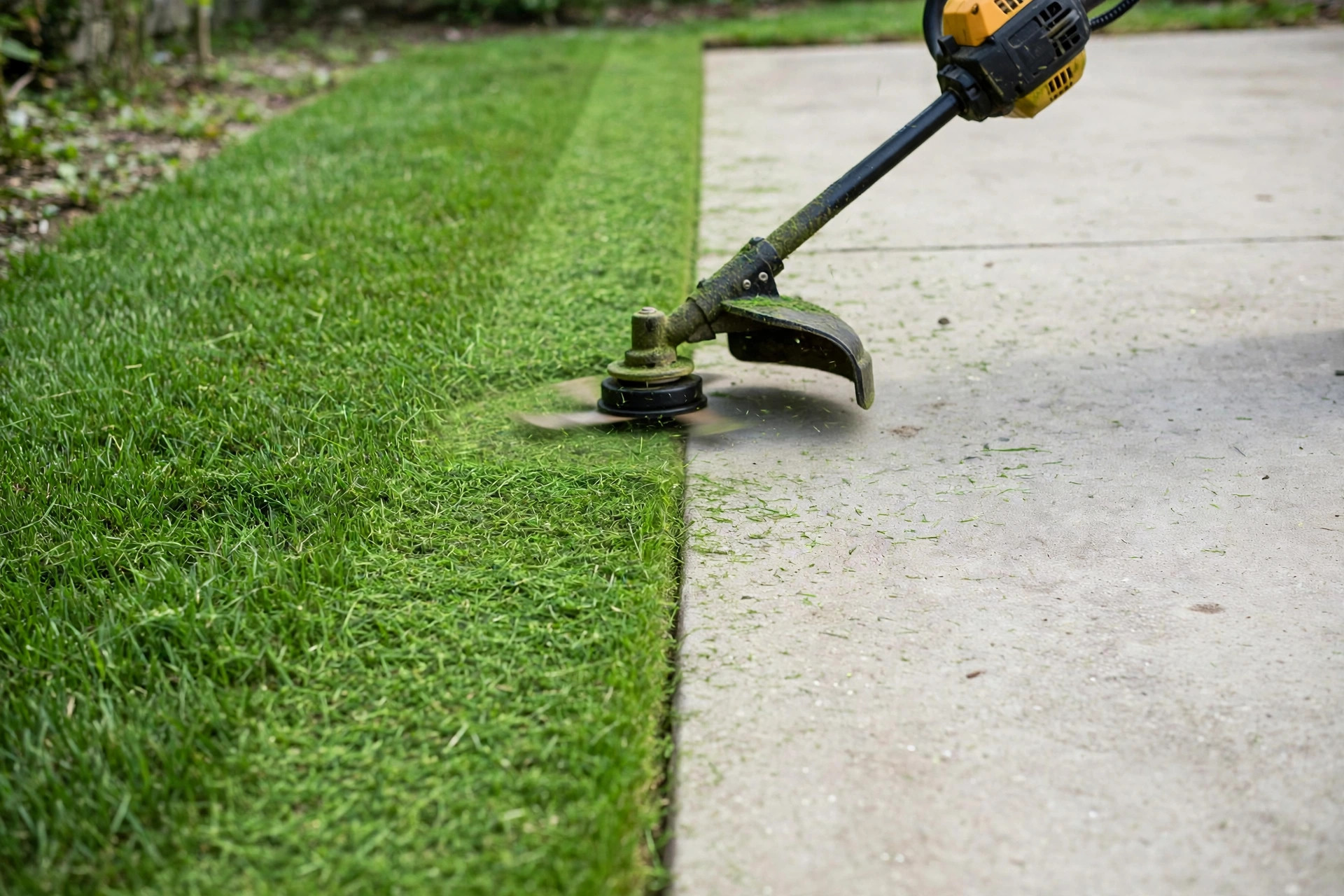
Next, start the trimmer and slowly move it along the edge of your lawn. Be consistent with your speed, not too fast nor too slow. Consistency helps to ensure the edge is evenly cut all the way. Furthermore, try to walk in a straight line for the best results and clean lines.
Ensure that you cut in a direction that throws the debris away from you. Most trimmers throw cuttings away from the operator. They do so when held in position correctly. Be mindful of your surroundings to avoid any damage or harm. Learn how to edge a sidewalk with a string trimmer for concrete paths.
Step 4: Finishing Touches
As you wind up, there are a few things you need to cross-check. They will ensure you have thoroughly completed the edging task. Check for any areas you might have missed during the first run.
A few edges might not look neat enough. You might not have cut deep enough either. Ensure to take time to review your work, making any necessary touch-ups as needed.
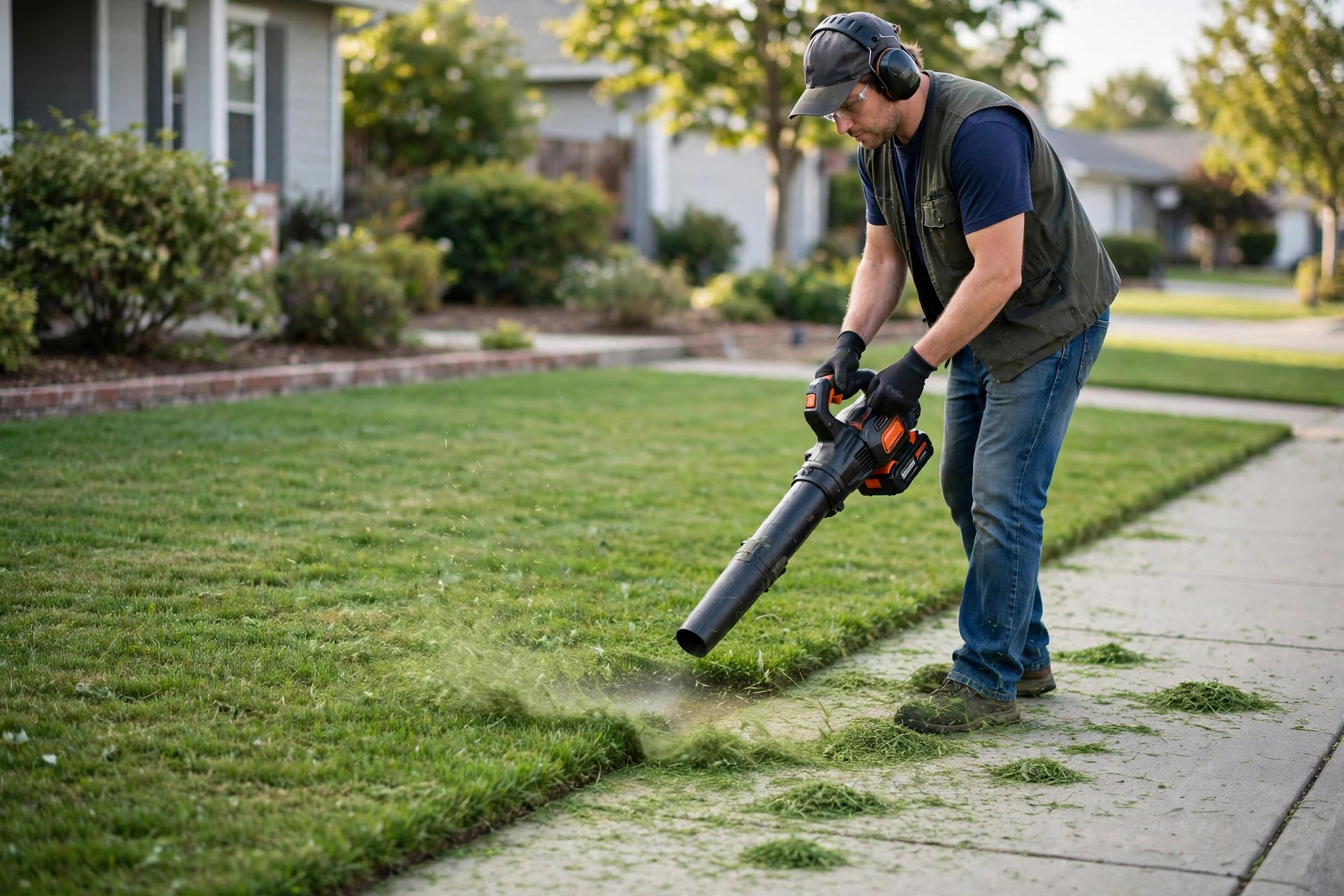
Clean the area by removing cut grass and debris. A mess is normal once you finish edging. Cleaning gives your lawn a neat, finished look. Use a leaf blower or rake to gather debris. Dispose of the cut grass and debris properly.
Lastly, ensure to properly clean and store your string trimmer. Remove dirt and grass cuttings stuck on it. Store it somewhere cool and dry for longevity. See how to store a string trimmer for safe storage.
Step 5: Regular Maintenance Is Key
Edging is not a one-time task at all. For a well-manicured lawn that stays looking amazing all season long, regular maintenance is essential. Setting a schedule for routine edging helps greatly. It maintains the aesthetics of lawn and garden.
Edging frequency depends on growth rate and grass type. Typically, edge whenever you mow your lawn anyway. Also, it’s crucial to maintain your string trimmer regularly. Regular maintenance ensures it operates efficiently and lasts long. Learn how to cut grass with a string trimmer for open areas.
It includes cleaning and oiling the trimmer regularly. Replace worn parts like string or spark plugs. A well-kept yard speaks volumes about the occupants of the home. Beyond the aesthetics, it’s about taking pride in maintaining a clean and healthy environment.
It might seem like an uphill task at first. Follow these steps to edge with a string trimmer. Your lawn will be the neighborhood envy afterward. Start today and experience the change yourself soon.
Frequently Asked Questions
If you want to learn this edging skill well. We have got you covered on this topic. Let’s navigate some of the most common questions on this topic. Our how to use a string trimmer as an edger guide shows the conversion steps.
Why should I learn to edge with a string trimmer?
It’s essential to understand different tools and techniques to maintain and improve your garden. Edging is a vital skill for lawn care. It matters for landscaping projects of every size. A string trimmer offers great versatility for gardeners.
It trims grass and adds neat, crisp lines. Those lines sharpen your lawn edges beautifully too. Mastering this process keeps your garden looking sharp. It creates clean borders between different outdoor areas.
It keeps grass from growing into flower beds. It also protects sidewalks and driveways from overgrowth. Try how to use a weed trimmer for general trimming practice.
Edging Safety and Frequency
What safety measures should I follow when edging with a string trimmer?
A string trimmer is not inherently dangerous overall. It operates at high speeds and flings debris. Thus, wearing suitable safety gear is essential. It’s crucial to always wear sturdy, non-slip shoes for firm ground grip.
Moreover, avoid wearing loose clothing that might get caught in the trimmer. Wear gloves for comfort and protection while working. Wear goggles to protect eyes from flying debris. Wear long pants to cover your legs fully.
Ear protection might be a good idea too. It depends on your trimmer noise level though. Always clean the area you plan to trim. Remove objects that might ricochet when hit hard.
How often should I edge my lawn with a string trimmer?
Edging frequency depends on several different factors here. Your aesthetic preferences shape the schedule you choose. Grass growth speed and desired look matter too. Generally, edge every two weeks for neatness overall.
That keeps your lawn looking neat and tidy. Faster grass growth may need more frequent edging. Adjust this schedule to match the growth rate. The goal is to maintain clean borders always.
Keep your lawn looking fresh and polished too. Your edging schedule should reflect that goal clearly. Steady edging keeps every border clean and sharp.
Skills and Damage Questions
Do I need any special skills to edge with a string trimmer?
Edging needs no particular abilities to get started. Familiarity with basic lawn trimming helps you greatly. Direct the spinning string at the right spot. Hold it at the right angle while directing.
It’s mostly a matter of practice and gaining confidence in controlling the trimmer. Before you begin, spend some time familiarizing yourself with the trimmer. Feeling comfortable with its weight and operation can make the edging process easier. Work slow and steady until you feel confident about your control over the tool.
Precision comes with patience and practice over time. Confidence grows each time you edge your lawn. The Bob Vila edging guide offers extra edging guidance too.
Can I cause damage if I incorrectly edge with a string trimmer?
Incorrect handling of power tools can cause damage. The same holds true for a string trimmer. Edging requires precision to avoid costly mistakes nearby.
Do not trim into flower beds by accident. Avoid trimming over sidewalks or patios too. If uncertain, seek professional help before you start.
Or practice first on less important areas instead. Keep a steady hand and guide the trimmer carefully along the edges. It might take a few tries at first. With practice, you will edge without unintended damage.
Conclusion: How to Edge with String Trimmer
Using a string trimmer gives a professional finish. Your lawn gains that finish if done correctly. Be mindful of the string direction at all times. Maintain consistent height and a clear cutting path. Remember that practice makes perfect and never rush.
It’s always better to take your time and make clean, precise movements. Lastly, always factor in safety measures when operating a string trimmer. Wear all appropriate safety gear and be aware of your surroundings to avoid any accidents. Once mastered, edging becomes fast and effective work. You will master how to edge with string trimmer well.

I’m Patricia D. Johnson, an affiliate marketer and blogger specializing in trimmers and grooming tools. I create honest reviews, buying guides, and practical tips to help readers choose the right trimmer for their needs. With a focus on quality, performance, and value, I simplify the decision-making process so consumers can make confident purchases.