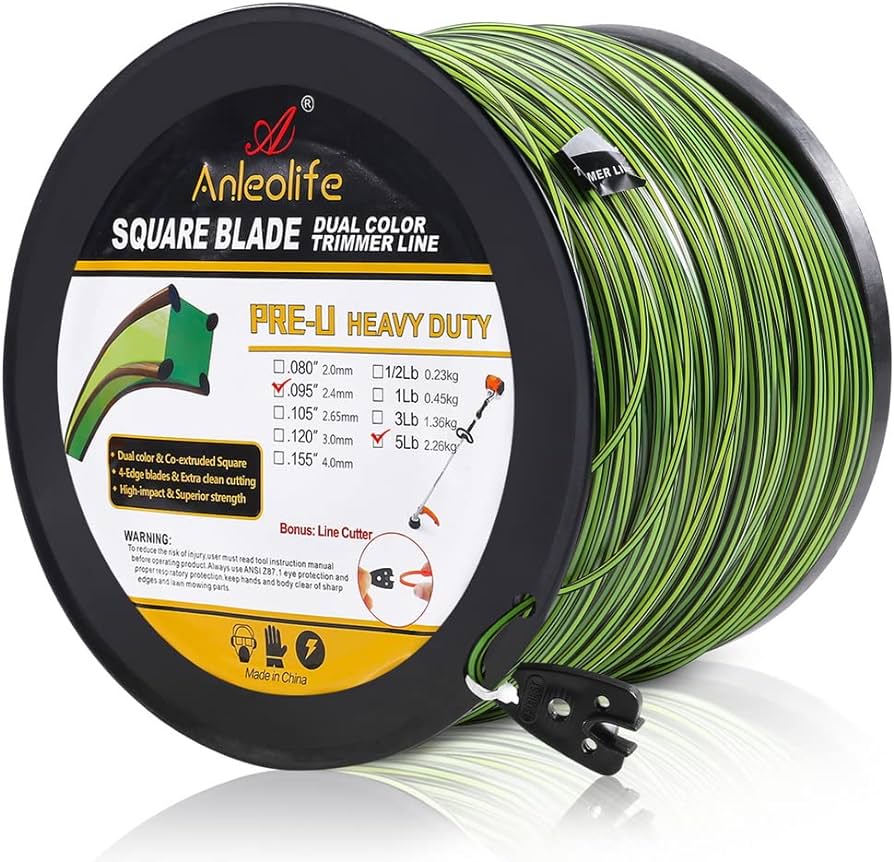
As a professional in the landscaping industry, you know that using a string trimmer is essential for maintaining a neat and tidy lawn. But when it comes to the care and maintenance of your string trimmer line, there seems to be some confusion. Are you supposed to soak string trimmer line before using it?
In this blog post, we will delve into this topic and provide you with the facts and recommendations from industry experts. So if you’re looking to optimize the performance of your string trimmer and ensure a clean cut every time, keep reading to find out if soaking your trimmer line is necessary.
Are You Supposed to Soak String Trimmer Line?
Soaking string trimmer line is not necessary, but it can be beneficial in certain situations. Soaking the line in water for a few minutes before use can help to soften and straighten the line, making it less prone to breaking or tangling during operation. This can be particularly useful when trimming tough or dense vegetation.
Additionally, soaking the line can also help to extend its lifespan by reducing wear and tear. However, it is important to note that not all types of trimmer line require soaking, so it is always best to consult the manufacturer’s instructions for specific guidance on how to properly care for and use your particular trimmer line.
Why Soak String Trimmer Line?
Enhanced Cutting Performance
Soaking the string trimmer line allows it to become more pliable and flexible, enabling it to deliver a smoother and more precise cutting experience. This increased flexibility helps the line to effectively navigate around obstacles and contours in the lawn, resulting in a cleaner and more polished trim.
Reduced Wear And Tear
By soaking the string trimmer line, it becomes more resistant to breakage and fraying. This in turn leads to reduced wear and tear on the line, ensuring that it maintains its sharpness and integrity for a longer period of time. As a result, the line remains effective and efficient, reducing the need for frequent replacements and minimizing maintenance costs.
Credit: www.reddit.com
Types Of String Trimmer Line
When it comes to string trimmers, the type of string trimmer line you use is crucial for achieving the best performance. Understanding the different types of string trimmer lines available can help you make the right choice for your specific needs. There are several varieties of string trimmer lines that offer unique benefits, including nylon line, twisted line, and four-sided line.
Nylon Line
Nylon string trimmer line is one of the most common types available. It is made from a durable nylon material that can withstand heavy use and is suitable for cutting grass and light weeds. Nylon line is available in various thicknesses, with thicker lines being more suitable for tougher vegetation. It is recommended for general lawn maintenance and is suitable for most residential properties.
Twisted Line
Twisted trimmer line is crafted by twisting two strands of nylon together, creating a sturdier and more durable cutting line. This type of line is ideal for tackling thicker, denser grass and weeds. The twisted construction enhances the cutting power and reduces the likelihood of line breakage, making it a popular choice for commercial landscaping and larger properties.
Four-sided Line
Four-sided trimmer line features a unique square or star-shaped design, offering increased cutting strength and efficiency. This design provides sharp edges that can swiftly slice through tough vegetation, making it suitable for heavy-duty landscaping tasks. The four-sided line is well-suited for cutting down thick brush, stubborn weeds, and overgrown areas that require a more aggressive approach.
Factors To Consider Before Soaking The Line
Before you soak your string trimmer line, it’s important to consider a few factors that can affect the effectiveness and durability of the line. By taking these factors into account, you can ensure that you achieve the best possible results from your string trimmer.
Line Material
The material of your string trimmer line plays a crucial role in determining whether or not you should soak it. Different line materials have different properties that can affect their performance in wet conditions.
Nylon Line: Nylon lines are widely used because of their durability and flexibility. They are less prone to breaking and can withstand heavy use. While nylon lines are generally water-resistant, they may absorb water over time, causing them to become heavy and more prone to breaking. Soaking nylon line can help mitigate this issue by increasing its resistance to water absorption.
Composite Line: Composite lines are made of a blend of materials or reinforced with additional materials like aluminum or bronze. These lines are typically more durable and have better cutting performance than nylon lines. Composite lines are often water-resistant, and soaking them may not be necessary.
Twisted Line: Twisted line is made by twisting two or more strands together, offering improved cutting power. This type of line is usually made from nylon or a nylon composite material. Soaking twisted line can enhance its cutting performance by preventing it from becoming brittle when in contact with wet vegetation.
Line Thickness
The thickness of your string trimmer line is another important factor to consider before deciding to soak it. Thicker lines are generally more resistant to wear and breakage and can handle tougher cutting tasks. However, they can also be more prone to moisture absorption, which can affect their performance.
Thin Line (0.065” or less): Thin lines are best suited for light trimming or edging tasks. They are less likely to absorb water quickly, making them less likely to require soaking.
Medium Line (0.080” to 0.095”): Medium lines are suitable for medium-duty tasks and can handle thicker grass or weeds. While these lines may absorb some moisture, they might not require soaking unless used in consistently wet conditions.
Thick Line (0.105” or more): Thick lines are designed for heavy-duty trimming and cutting thick vegetation. Due to their larger diameter, they may have a higher chance of water absorption and might require soaking to maintain optimal cutting performance.
Manufacturer’s Recommendations
It’s essential to consult the manufacturer’s recommendations regarding soaking the line. Manufacturers have extensive knowledge about their products and can provide specific guidelines based on the line material, thickness, and design.
Trusted manufacturers often conduct rigorous testing to determine the best practices for their products, so following their recommendations can help you make an informed decision about soaking your string trimmer line.
Remember, proper maintenance and care go a long way in ensuring the longevity and effectiveness of your string trimmer line. By considering the line material, thickness, and manufacturer’s recommendations, you can make an informed choice on whether soaking your line is necessary.
How To Soak String Trimmer Line Effectively
To effectively soak a string trimmer line, immerse it in water for at least 12 hours. This process helps the nylon line become more flexible and less prone to breakage during use. Once soaked, the trimmer line can be easily loaded into the reel for a smooth and efficient cutting experience.
Soaking string trimmer line before use can greatly improve its durability and cutting performance. However, to ensure that the soaking process is effective, it is important to do it properly. Here, we will discuss the steps to choose the right soaking solution, submerge the line, and determine the appropriate soaking time.
Choose The Right Soaking Solution
To effectively soak your string trimmer line, you need to select the right soaking solution. A common and effective solution is water mixed with a lubricating or conditioning agent. This helps to soften the line, making it more flexible and resistant to breakage. You can also use a commercially available trimmer line soaking solution, specifically designed for this purpose.
Submerge The Line
Once you have chosen the soaking solution, the next step is to submerge the string trimmer line. Fill a container or bucket with the soaking solution, making sure it is deep enough to fully submerge the line. Place the line in the container and ensure it is completely covered by the solution. This allows the line to soak evenly and absorb the lubricating properties of the solution.
Soaking Time
The soaking time for the string trimmer line depends on the manufacturer’s recommendation and the thickness of the line. Generally, a soaking time of 10 to 20 minutes is sufficient to achieve the desired results.
However, it is important to refer to the instructions provided by the manufacturer for specific guidance. Over-soaking the line may result in it becoming too soft and prone to breaking.
Once the soaking time is complete, remove the line from the soaking solution and allow it to dry thoroughly before attaching it to the trimmer. This ensures that the line is clean and ready for optimal cutting performance.
Alternative Methods To Enhance Cutting Performance
Looking to improve your string trimmer line’s cutting performance? Soaking it in water before use can help enhance its flexibility and strength, leading to more efficient cutting and reduced wear and tear. This method allows for smoother and cleaner cuts, ultimately improving the overall trimming experience.
When it comes to using a string trimmer, ensuring an optimal cutting performance is essential for achieving a neat and well-maintained lawn or garden.
While soaking the string trimmer line is a common method to enhance its cutting ability, there are other alternative approaches that can also help improve its effectiveness. In this section, we will explore two such methods: sharpening the line and replacing the line regularly.
Sharpening The Line
One effective way to enhance the cutting performance of your string trimmer is by sharpening the line. Over time, the line can become dull and less efficient in cutting through thick grass or weeds. By sharpening the line, you can restore its sharpness and ensure smoother and more precise cuts. There are several methods you can use to sharpen the line.
One option is to use a small file or sharpening stone to carefully file down the edges of the line, removing any nicks or dullness. Additionally, you can consider using a specialized line sharpening tool that is designed to make the sharpening process easier and more efficient.
Replacing The Line Regularly
Another important method to enhance cutting performance is by replacing the line regularly. Over time, the line can wear down and become less effective in trimming grass and weeds.
By replacing the line on a regular basis, you can ensure that it is always at its optimal cutting capacity. To determine when it is time to replace the line, inspect it regularly for signs of wear and tear. If you notice any fraying, splitting, or significant loss in length, it is a good indication that the line needs to be replaced. By replacing the line promptly, you can maintain a consistently high cutting performance and avoid any potential damage to your string trimmer.
In conclusion, while soaking the string trimmer line is a popular method for enhancing cutting performance, there are alternative approaches that can also yield great results. By sharpening the line and replacing it regularly, you can ensure that your string trimmer is always at its best when it comes to achieving a clean and well-trimmed outdoor space. Remember, a sharp and well-maintained line is the key to achieving professional-grade results with your string trimmer.
Common Mistakes To Avoid When Soaking String Trimmer Line
Soaking string trimmer line is not necessary and can actually lead to common mistakes such as line breakage and decreased performance. Avoid this error by using the trimmer line as is, without soaking it.
Using The Wrong Soaking Solution
One common mistake that people make when soaking string trimmer line is using the wrong solution. Although it may seem like any liquid can be used for soaking, using the wrong solution can actually damage the line and decrease its effectiveness. So, what is the right solution to use?
The ideal soaking solution is non-toxic and environmentally friendly. Many experts recommend using a household detergent or a specialized line conditioner specifically designed for trimmer lines. These solutions are gentle enough to clean the line without causing any harm.
Avoid using harsh chemicals or solvents that can degrade the line. Chemicals like gasoline, oil, or even bleach can weaken the line over time, reducing its durability and cutting performance. Additionally, they can harm the surrounding landscape if the soaked line comes into contact with plants or soil. So, it is crucial to choose the right solution to extend the life and effectiveness of your trimmer line.
Over-soaking The Line
Another common mistake is over-soaking the line. While soaking the string trimmer line is essential for maintaining flexibility and preventing breakage, over-soaking can lead to detrimental effects.
Over-soaking can cause the line to become too soft and lose its cutting ability. When the line becomes overly saturated, it tends to become flimsy and less resilient. As a result, it won’t be able to withstand the rotating speed of the trimmer head and may break more easily.
So, how long should you soak the trimmer line?
The recommended soaking time is usually around 20 to 30 minutes. This duration allows the line to absorb enough moisture to regain flexibility without becoming excessively soft. However, it’s essential to check the manufacturer’s recommendations, as different types of trimmer lines may require different soaking times.
- Avoid leaving the line in the solution for extended periods. This can lead to over-soaking and compromise the line’s performance.
- Follow the recommended soaking time to ensure optimal results and reduce the risk of line breakage during use.
By avoiding the mistake of over-soaking the line, you can maintain its durability and cutting efficiency, enabling you to complete your yard work with ease.
Frequently Asked Questions Of Are You Supposed To Soak String Trimmer Line
Should I Soak String Trimmer Line Before Using It?
No, soaking the string trimmer line is not necessary. The line is designed to be used dry, and soaking it may actually reduce its efficiency. Simply insert the line into your trimmer head as instructed and you’re ready to go.
Can I Use My String Trimmer Line Straight Out Of The Package?
Yes, you can use the string trimmer line straight out of the package. It is pre-wound and ready to be installed in your trimmer head. Just follow the manufacturer’s instructions for installation and you’re good to go.
What Type Of String Trimmer Line Should I Use For Different Tasks?
For general trimming and edging, a lighter gauge line (around 0. 065 inches) is sufficient. For tougher tasks like cutting through thick weeds or brush, a heavier gauge line (around 0. 080 inches) is recommended. Consult your trimmer’s manual or the manufacturer’s guidelines for specific recommendations.
Conclusion
To maximize the performance and longevity of your string trimmer line, soaking it before use is recommended. Soaking the line helps to soften and prevent breakage, allowing for smoother and more efficient trimming. While not a mandatory step, this simple practice can greatly enhance your trimming experience.
So, next time you reach for your trimmer, consider giving your line a quick soak beforehand for optimal results. Happy trimming!