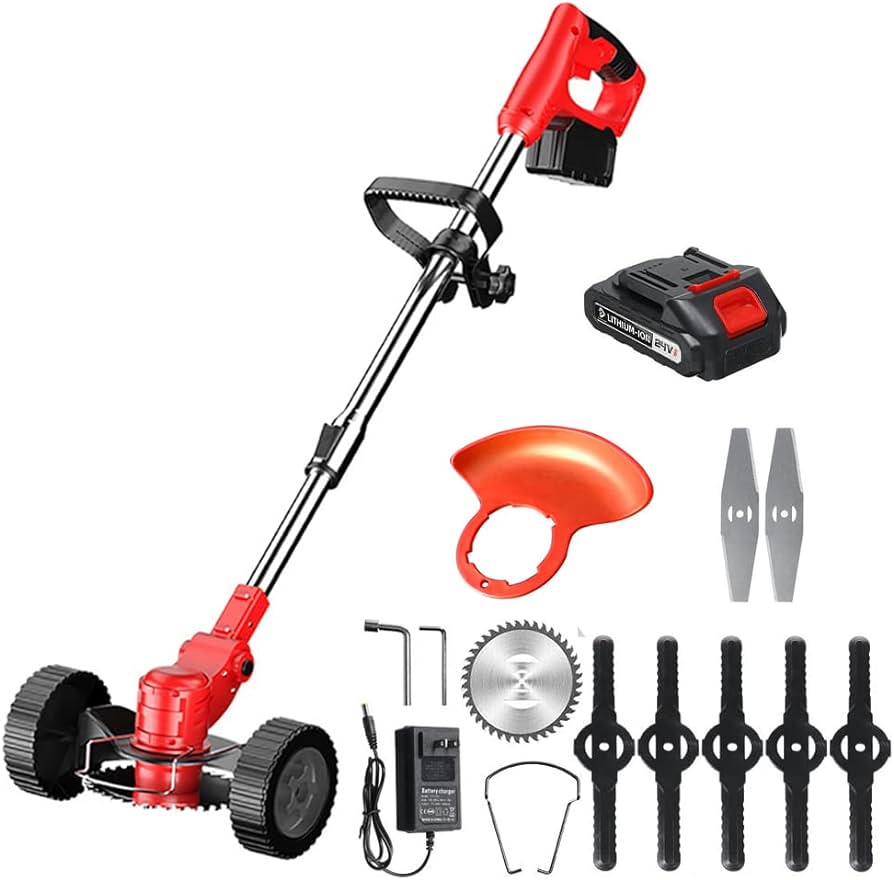
A string trimmer and a weed wacker are the same tool, used for trimming grass and weeds. A string trimmer, often referred to as a weed wacker, is a versatile outdoor power tool designed to cut weeds and grass in areas that are hard to reach with a lawnmower.
The tool is operated by a motor that spins a cutting head with a nylon string at high speeds, making it effective for edging along sidewalks, driveways, and flower beds. String trimmers come in various types, such as gas-powered, electric, and battery-operated, each with its own set of advantages and considerations.
Whether you call it a string trimmer or a weed wacker, this tool is an essential piece of equipment for maintaining a well-kept lawn and garden.
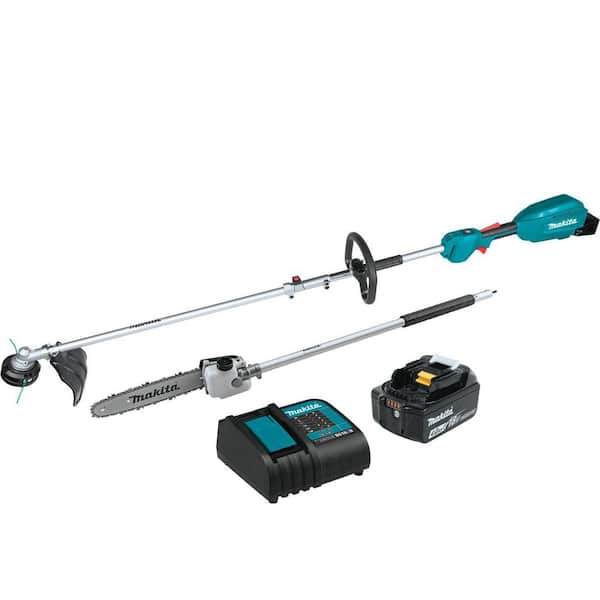
Credit: www.homedepot.com
Difference Between String Trimmer And Weed Wacker
A string trimmer and a weed wacker are often used interchangeably, but there is a minor difference between the two. The string trimmer typically refers to a handheld tool with a rotating head, while a weed wacker is a specific brand name that has become a generic term for any similar tool used for trimming grass and weeds.
The Difference Between String Trimmer and Weed Wacker A common source of confusion for many people is the distinction between a string trimmer and a weed wacker. While these tools are often used interchangeably, it’s important to understand that they actually refer to two different types of equipment. By knowing the variances and applications of each, you can make an informed decision on which one best suits your lawn care needs.
What Is A String Trimmer?
A string trimmer is a gardening tool used to cut grass and trim the edges of lawns. It is powered by electricity or a gasoline engine and features a long shaft with a cutting head at the end. The cutting head is equipped with a spool of nylon line, which rotates at high speeds to cut through grass and weeds. String trimmers are versatile and can be used to reach tight spaces where a lawnmower cannot access, making them ideal for maintaining a well-manicured lawn.
What Is A Weed Wacker?
A weed wacker, on the other hand, is a handheld device specifically designed for cutting down heavy and dense brush, overgrown weeds, and small trees. It typically features a shorter shaft and a more powerful engine compared to a string trimmer. The cutting head of a weed wacker may use a metal blade or a heavy-duty line to tackle thicker vegetation. This makes it an essential tool for clearing out areas that have become overgrown or untamed, such as the edges of forests, ditches, or rugged terrains. Understanding the difference between a string trimmer and a weed wacker is crucial for selecting the right tool to tackle your specific landscaping needs. Whether you’re looking to maintain a well-manicured lawn or clear out rugged overgrowth, choosing the appropriate tool will ensure efficient and effective lawn care.
Uses Of String Trimmers And Weed Wackers
Lawn Maintenance
String trimmers and weed wackers are essential tools for maintaining a well-manicured lawn. They enable precise trimming of grass along fences, around trees, and in areas that are difficult to reach with a lawnmower. These tools help in achieving a clean, polished look for the lawn.
Clearing Overgrown Areas
When faced with overgrown areas, string trimmers and weed wackers come in handy for cutting down tall weeds, thick brush, and unruly vegetation. Their versatility allows for efficient trimming, making it easier to reclaim and maintain unused outdoor spaces.
Features Of String Trimmers And Weed Wackers
When it comes to maintaining your lawn and keeping your garden tidy, having the right tools is essential. Two common tools used for this purpose are string trimmers and weed wackers. Although many people use these terms interchangeably, there are subtle differences between them. In this section, we will explore the key features of string trimmers and weed wackers, helping you understand which one may be the best fit for your needs.
Power Source
One significant difference between string trimmers and weed wackers lies in their power source. A string trimmer typically relies on electricity, making it a great option for small to medium-sized yards. These trimmers usually come with a cord that needs to be plugged into an electrical outlet, allowing for consistent and reliable power.
On the other hand, a weed wacker is often powered by a gasoline engine. This provides the user with greater mobility and flexibility, making it suitable for larger yards or areas without easy access to electricity. However, it’s important to note that these gas-powered weed wackers tend to be heavier and louder compared to their electric counterparts.
Cutting Mechanism
The cutting mechanism is another aspect where string trimmers and weed wackers differ. String trimmers typically utilize a nylon string as their cutting tool. These strings rotate at high speeds, allowing them to trim grass and weeds efficiently. Some string trimmers even have a rotating head that can be adjusted to edge along pathways or driveways.
On the other hand, weed wackers often employ a rotating blade made of plastic or metal for cutting vegetation. This blade is usually more durable than the nylon string and can handle thicker and tougher plants. However, the presence of a blade may make a weed wacker slightly less safe compared to a string trimmer, emphasizing the importance of being cautious while operating it.
In conclusion, while string trimmers and weed wackers share the same purpose of keeping your garden neat, their different features make them suitable for various situations. If you have a smaller yard and prefer the convenience of electricity, a string trimmer may be the ideal choice for you. However, if you have a larger lawn and need the versatility of a gas-powered tool, a weed wacker could be the better option. Ultimately, the decision should be based on your specific needs and preferences.
Pros And Cons Of String Trimmers
String trimmers, also known as weed whackers, are versatile tools that can help you maintain the appearance of your lawn and garden. However, like any other tool, they have their pros and cons. In this section, we will discuss the advantages and disadvantages of string trimmers to help you make an informed decision.
Advantages Of String Trimmers
- Efficiency: String trimmers are highly efficient in cutting grass and weeds in hard-to-reach areas such as around trees, fences, and landscaping features.
- Versatility: These tools come with various attachments and adjustable features, allowing you to adjust the cutting length and angle. This versatility makes string trimmers suitable for different trimming tasks.
- Easy to Use: String trimmers are lightweight, portable, and easy to maneuver, making them user-friendly for individuals of all experience levels.
- Time-Saving: With their powerful cutting action, string trimmers enable you to complete your trimming tasks quickly, saving you time and effort in comparison to manual trimming methods.
- Uniform Appearance: By using a string trimmer, you can achieve a uniform and professional-looking appearance for your lawn or garden without much hassle.
Disadvantages Of String Trimmers
- Noisy Operation: String trimmers can be quite noisy during operation, which might be a nuisance to you or your neighbors. It is important to be mindful of noise regulations in your area.
- Requires Protective Gear: Due to the spinning line and debris that may fly around during operation, it is essential to wear protective gear such as safety goggles, long pants, and closed-toe shoes to ensure your safety.
- Power Source Dependency: String trimmers typically depend on a power source, either electricity or gasoline. Electric models require a power outlet or extension cord, limiting their range of use, while gasoline models need refueling and produce emissions.
- Line Breakage: The cutting line of string trimmers is prone to breakage, especially when it encounters rocks, concrete, or other hard objects. This can be inconvenient as it requires frequent line replacement or restringing.
- Difficulty with Thick Vegetation: While string trimmers are effective for regular lawn maintenance, they may struggle with cutting through thick and dense vegetation. In such cases, a brush cutter or more powerful equipment might be needed.
Pros And Cons Of Weed Wackers
When it comes to maintaining your lawn and keeping it free from overgrown weeds and grass, a string trimmer, often referred to as a weed wacker, can be an invaluable tool. While it may seem similar to a lawnmower, a weed wacker operates on a different principle, making it more suitable for certain tasks. In this section, we will explore the advantages and disadvantages of using a weed wacker, helping you make an informed decision for your gardening needs.
Advantages Of Weed Wackers
A weed wacker offers several advantages over other gardening tools, making it a popular choice among homeowners and professional gardeners alike. Here are some key benefits:
- Flexibility: One of the biggest advantages of using a weed wacker is its ability to reach areas that are difficult to access with a lawnmower. Whether it’s trimming grass along fences, around trees, or near flower beds, the slim design of a weed wacker allows for precise and efficient trimming.
- Portability: Weed wackers are lightweight and easy to maneuver, providing you with the freedom to move around your garden without any hassle. This makes them an ideal choice for those who have large or uneven lawns.
- Versatility: Weed wackers come with various attachments and cutting heads, allowing you to customize their functionality according to your specific needs. Whether you need to trim grass, cut through tough weeds, or edge along pathways, a weed wacker can handle it all.
- Time and Energy Savings: Unlike traditional manual tools like shears or hand trimmers, a weed wacker can significantly reduce the time and effort required to maintain your lawn. Its powerful motor and cutting mechanism make quick work of even the most stubborn vegetation.
Disadvantages Of Weed Wackers
While weed wackers offer numerous advantages, it’s important to consider their potential drawbacks before making a purchase. Here are some disadvantages to keep in mind:
- Noisy Operation: Weed wackers can be quite noisy when in use, which may not be ideal for those living in residential areas with noise restrictions or for individuals who prefer a more peaceful gardening experience.
- Higher Cost: Compared to traditional manual tools, weed wackers can be relatively expensive. Additionally, their maintenance and operational costs, including fuel or electricity, should be considered when budgeting for your gardening tools.
- Potential Safety Risks: The rapidly spinning cutting head of a weed wacker poses a risk of injury if not used properly. It’s crucial to follow safety guidelines and wear appropriate protective gear, such as goggles and sturdy footwear, to prevent accidents.
- Limited Cutting Width: Depending on the specific model and attachments, weed wackers often have a narrower cutting width compared to lawnmowers. This means it may take more passes to cover larger areas, potentially increasing the time required for trimming.
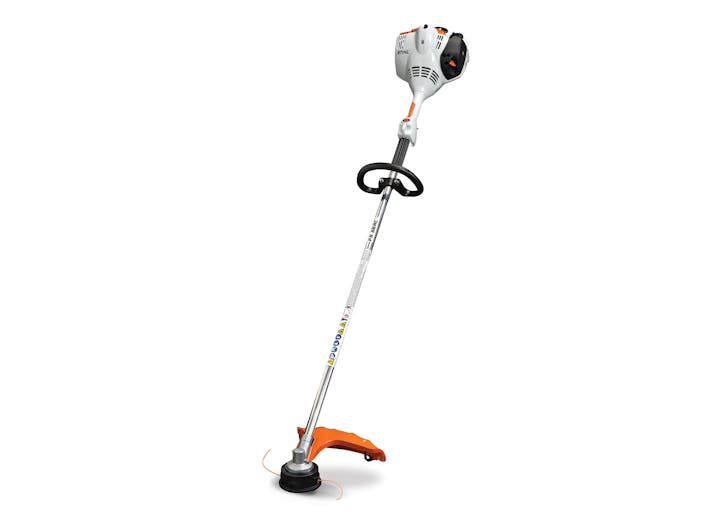
Credit: www.stihlusa.com
Choosing The Right Tool For Your Needs
When it comes to yard maintenance, it’s important to choose the right tool for your needs. While some may refer to a string trimmer as a weed wacker, there are differences between the two. A string trimmer is ideal for precision trimming, while a weed wacker is designed for heavy-duty cutting in overgrown areas.
Factors To Consider
When it comes to maintaining the neat and tidy appearance of your outdoor spaces, having the right tools at hand is essential. Two popular options for trimming unruly grass and weeds are the string trimmer and the weed wacker. But are they the same or are there any differences that you need to be aware of? Before making a decision, it’s important to consider a few factors that will help you choose the right tool for your needs.
1. Power Source:
The first factor to consider is the power source of the tool. String trimmers can be powered by electricity or gas, while weed wackers are typically powered by gas. If you have a small yard or a limited budget, an electric string trimmer might be more suitable. However, if you have a large area to cover or need more power, a gas-powered tool may be the better option.
2. Weight and Maneuverability:
Another factor to consider is the weight and maneuverability of the tool. String trimmers are generally lighter and easier to maneuver, making them ideal for precision trimming around flower beds and other obstacles. On the other hand, weed wackers are bulkier and heavier, making them more suitable for larger and more rugged areas.
3. Versatility:
Versatility is an important consideration when choosing between a string trimmer and a weed wacker. String trimmers are usually designed for light trimming tasks, such as cutting grass and small weeds. Weed wackers, on the other hand, are built for more heavy-duty jobs, handling thicker and tougher vegetation. If you anticipate dealing with a variety of vegetation types, a weed wacker may be the better choice.
4. Maintenance and Cost:
Consider the maintenance requirements and cost of each tool. Electric string trimmers require less maintenance and have lower operating costs compared to gas-powered tools. However, gas-powered tools tend to be more durable and powerful, even though they may require regular maintenance and have higher fuel costs.
5. Noise and Environmental Impact:
Lastly, think about the noise level and environmental impact of your choice. Electric string trimmers are generally quieter and emit fewer emissions compared to gas-powered tools, making them more environmentally friendly. If noise levels and environmental concerns are important to you, an electric string trimmer would be the preferable option.
Choosing the right tool for your needs requires thoughtful consideration of these factors. Whether you opt for a string trimmer or a weed wacker, remember that proper usage and maintenance are essential for achieving the best results. Evaluate your specific requirements and priorities to make an informed decision that will help you achieve a perfectly manicured outdoor space.

Credit: www.amazon.com
Frequently Asked Questions On Is A String Trimmer The Same As A Weed Wacker
Is A String Trimmer The Same As A Weed Wacker?
No, a string trimmer and a weed wacker are not the same. While they both perform similar functions of cutting weeds and grass, a string trimmer usually refers to a handheld tool that uses a rotating string to trim edges and small areas.
On the other hand, a weed wacker is a more powerful machine that uses a rotating blade to tackle larger areas and tougher vegetation.
How Does A String Trimmer Work?
A string trimmer operates by using a high-speed rotating string to cut through weeds and grass. The string is typically made of nylon and is spun at a sufficient speed to slice through vegetation. As the string cuts, it creates a neat and even trim along fences, walls, and lawn edges.
What Are The Benefits Of Using A Weed Wacker?
Using a weed wacker comes with several benefits. Firstly, it provides a more efficient and faster way to clear overgrown areas compared to manual methods. Secondly, a weed wacker can tackle thicker and tougher vegetation that may be challenging to cut with a regular mower.
Lastly, it allows for precise trimming and shaping capabilities, giving your lawn a professionally manicured look.
Can I Use A String Trimmer On All Types Of Weeds?
String trimmers are versatile tools and can be used on most types of weeds. However, it is important to understand that some weeds may be more resilient and require additional cutting techniques or tools. For example, thick and woody weeds may be better handled with a brush cutter attachment or a heavier-duty weed wacker.
Conclusion
To sum up, while the terms “string trimmer” and “weed whacker” are often used interchangeably, there are slight differences between the two. String trimmers typically refer to electric or gas-powered tools with a rotating line for cutting grass and small vegetation.
On the other hand, weed whackers generally encompass a broader range of tools used for trimming and edging purposes. Understanding these nuances will help you choose the right device for your specific needs and make your gardening tasks more efficient and enjoyable.