
How to Use a Power Lawn Edger
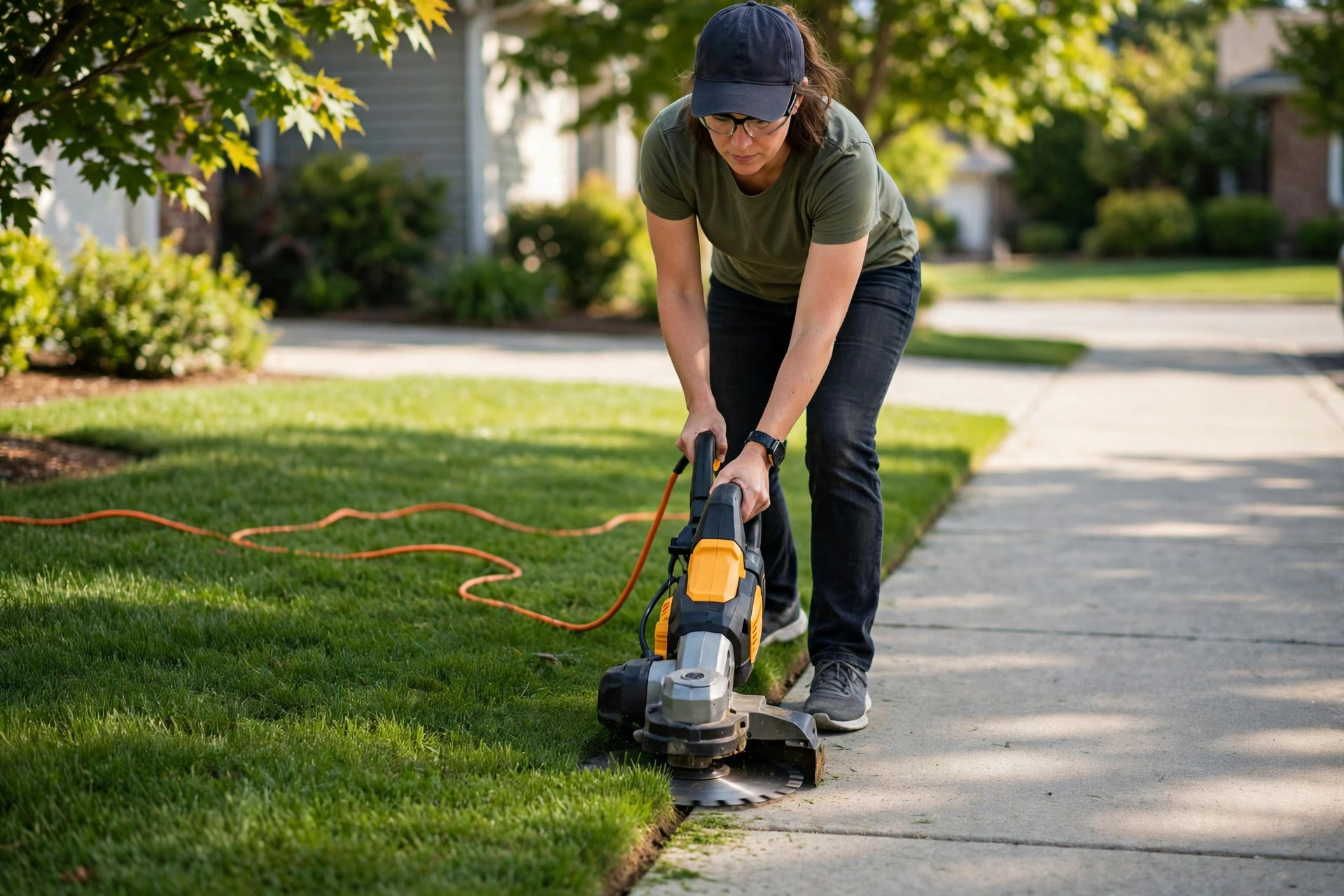
Quick answer: Yes, you can use a power lawn edger at home. Learn the parts, set the depth, then edge in straight lines. Wear safety gear and keep bystanders away from flying debris. A clean edger and steady pace give your lawn a neat edge.
A neatly edged lawn changes the whole look of your yard. Overgrown edges make even a mowed lawn look untidy and wild. A power lawn edger is the tool that creates that clean finish. Owning one is not enough, since you must learn to use it well.
Power lawn edgers come in corded, battery, and gas models today. Each type cuts the same clean edge with a spinning steel blade. Accuracy is the charm of this tool, and safety stays the top priority. A neat lawn is about more than grass alone.
Clean edges make a big difference in how your yard looks. This guide shows you how to use a power lawn edger well. Follow each step in order for safe and even results.
How to Use a Power Lawn Edger: Step-by-Step Guide
See our how to use a trimmer guide to learn the basics first. Then set the depth before you cut a single edge. These two steps make the rest of the job far easier.
Step 1: Familiarize yourself with the equipment
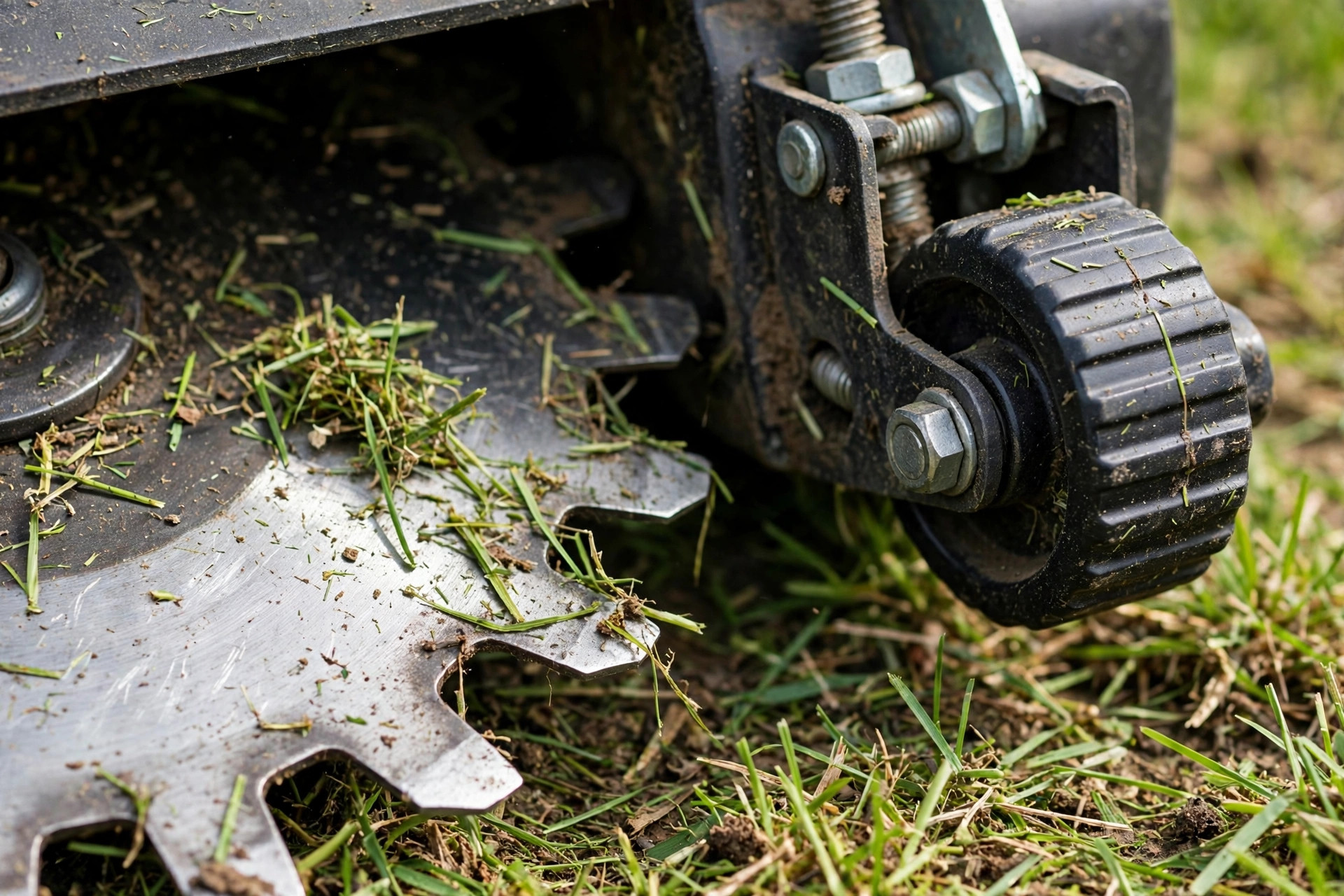
Before you start, learn the parts of your power lawn edger. Know what each part does before you switch the machine on. Edgers vary in engine power, blade design, and overall build.
Consult the user manual and spend some time familiarizing yourself with the equipment. Next, inspect the blade for firmness and sharpness. A dull or loose blade can be dangerous and will not cut neatly.

Sharpen or replace the blade as your model needs over time. Practice handling the edger before you use it on the lawn. Wear safety goggles, gloves, closed-toe shoes, and long trousers. The spinning blade can throw small rocks and debris at speed. See our how to sharpen a manual lawn edger guide for blade care steps.
Step 2 — Set the Edging Depth
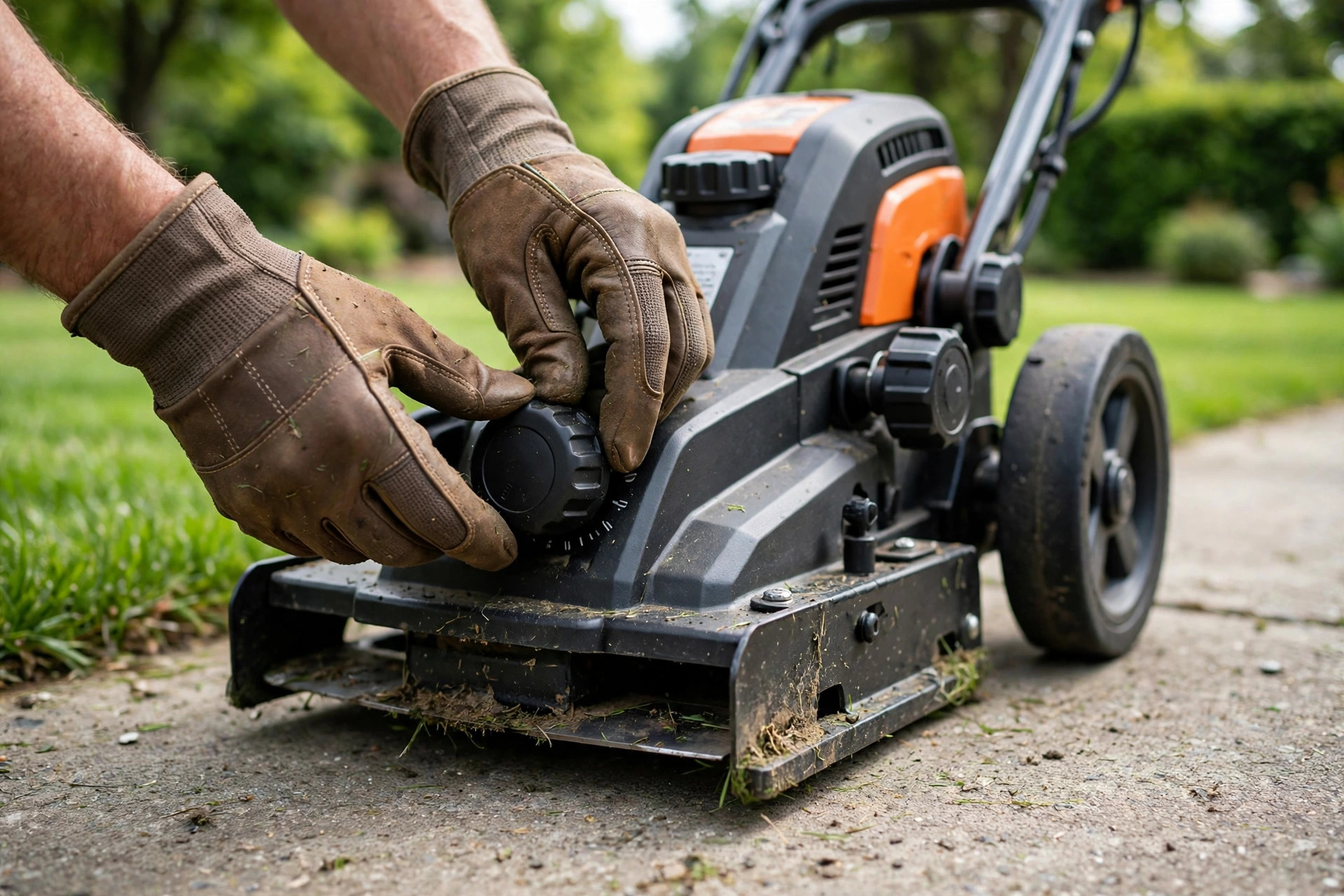
Setting the edging depth right is a key part of the job. Sidewalk edges need shallow cuts, while garden beds need deeper ones. Most edgers have a depth adjustment mechanism where you can easily select the targeted depth. If you are unsure, start with a medium depth setting. See our what is the best electric lawn edger guide for model picks.
You can fine-tune it according to the results and your preferences. Bear in mind that the edging depth will impact the look of your lawn. A shallow cut may not separate grass from the path cleanly. A deep cut can leave a trench that trips people up.
The optimal depth generally ranges between 1 and 2 inches. Ultimately, it is a matter of personal preference and varying lawn conditions. Start shallow and deepen the cut only if you need to. Check the WORX site for model-specific edger details.
| Edge Type | Depth |
|---|---|
| Sidewalk or path edge | Shallow cut, about half an inch |
| Garden or flower bed | Deeper cut, up to 2 inches |
| New edge in thick grass | Start shallow, then deepen in passes |
| Regular upkeep edge | 1 to 2 inches for a clean line |
Step 3 — Edge Along the Concrete

Hold the edge guide flush against the concrete or lawn border. This ensures the blade cuts right along the grass and concrete. Always edge in a straight line, and keep a consistent speed for a uniform result. It is advisable to work from the outside of the lawn, moving towards the center. See our how to edge with a string trimmer guide for edge work tips.
Ensure the blade spins freely without obstruction. If you hit a rock or root, stop and clear it first. Cut vertically for neat edges, unless your design needs an angle. Remember that practice is key to a neat edge. Your first edge may not look perfect, but patience brings results.
Step 4 — Clean Up and Maintenance
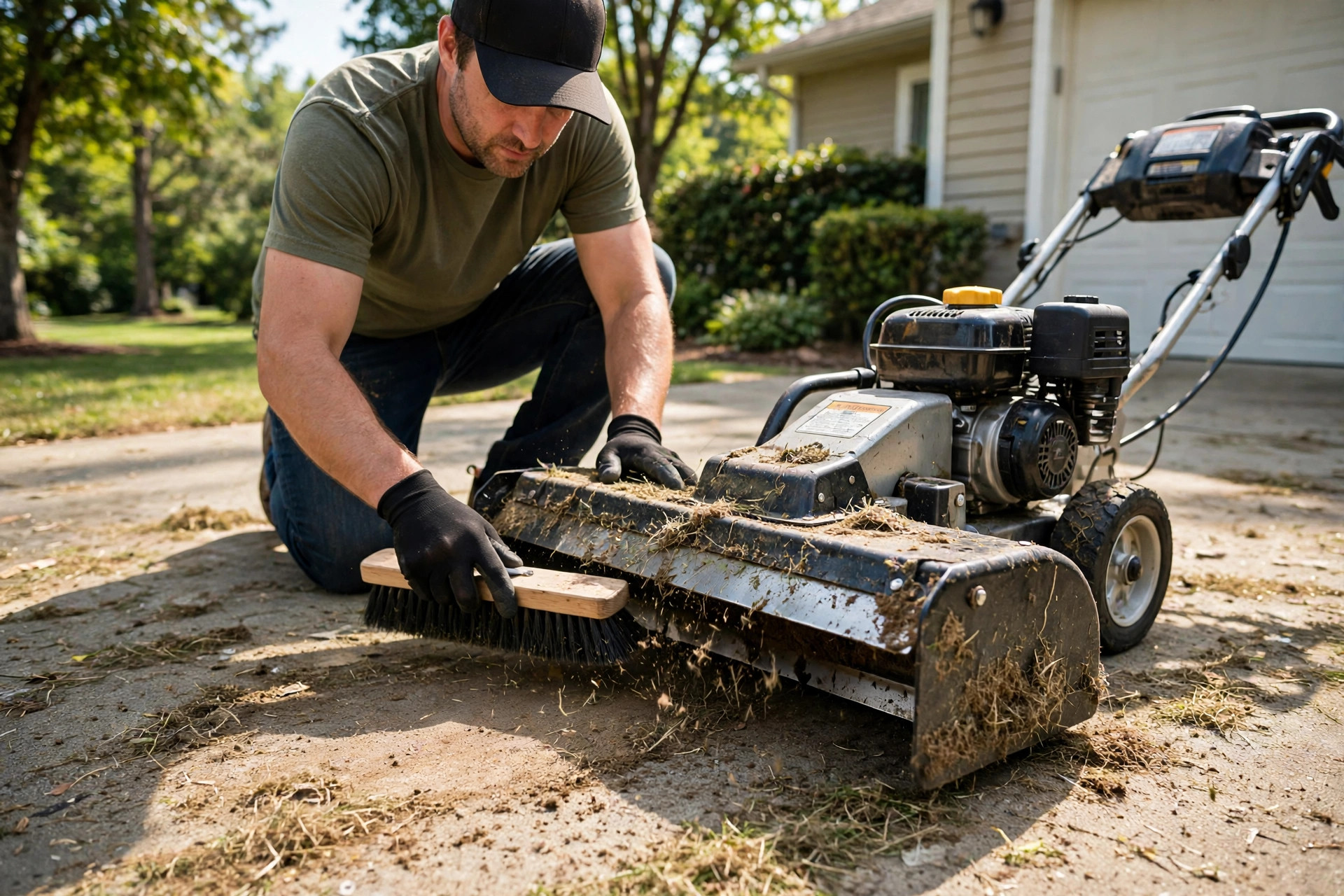
Once you are done with the edging, remove all grass and dirt from the machine. Leaving debris on the machine could affect its performance and durability. Use a brush to clean up places that are hard to reach. Keeping the edger clean will not only increase its lifespan but also enhance its performance.
Inspect the blade after each use for dullness or damage. If it is dull, either sharpen it or replace it, based on your edger model. Store the edger in a cool, dry place to avoid rust or weather-related damage. Regular maintenance will keep your edger running smoothly and efficiently. See our how to adjust hedge trimmer blades guide for blade care.
Regular edging is key to maintaining a tidy, sharp-looking lawn. Edge weekly, bi-weekly, or monthly as your grass growth demands. Using an edger well means knowing when and how to edge. Steady upkeep keeps your lawn tidy all season long. See our how to start stihl hs 56 hedge trimmer guide for starting steps.
This guide covered the machine, the depth, and cleaning steps. With practice, your lawn will look professionally manicured in no time. The EPA lawn and garden page gives safe yard work tips. A clean tool starts better next time you edge.
| Task | When |
|---|---|
| Brush off grass and dirt | After each use |
| Inspect the blade | After each use |
| Sharpen or replace the blade | When dull or damaged |
| Edge the lawn | Weekly to monthly, as growth demands |
Frequently Asked Questions
Power tools like a lawn edger need some know-how to use. Here, we answer frequently asked questions on using a power lawn edger effectively. Read them before your first edging session.
What safety precautions should I observe when operating a power lawn edger?
Before operating a power lawn edger, ensure it is in good working condition. Check for any leaks, loose fittings, or broken parts. If you encounter any issues, resolve them before use.
During operation, always wear the right safety gear. This includes sturdy shoes, long trousers, gloves, and protective glasses. Avoid loose clothing which could get caught in the machine. Keep bystanders and pets away during operation as debris can fly out and cause injury.
Do I need to prepare the lawn before using a power edger?
Yes, lawn preparation is an essential step before using a power edger. Clear rocks, sticks, and debris that could damage the blade. Mow the lawn first to about 2 to 3 inches high.
Mark the areas you plan to edge with stakes and string. Stakes and string give you clear lines to follow. These preparatory steps will make the edging process smoother and safer.
How do I decide the correct depth setting for the edger blade?
The right depth depends on grass thickness and the edge you need. For most lawns, start at half an inch to an inch deep. You can adjust the setting according to the specific needs of your lawn.
Thick grass or a new edge may need a deeper cut. But remember, the deeper the setting, the more power needed to drive the blade. Start with a shallow cut and deepen it only if needed. Work toward 1 to 2 inches for a full, clean edge.
More Questions: Wet Lawns and Edging Often
Should I edge the lawn when it is wet or dry?
Edging should be done when the lawn is dry. Wet grass clings to the edger and can clog the blade. Wet wheels can slip and leave uneven edges behind.
Wet soil can also collapse the edge and ruin crisp lines. Wet surfaces also raise the risk of electric shock with power tools. Check the forecast and pick a dry, sunny day to edge.
How often should I edge my lawn?
How often you edge depends on grass growth and the look you want. Edge at least once at the start of the growing season. For a manicured look, edge every couple of weeks or after each mow. Over-edging can stress grass, so keep a healthy balance.
Conclusion: How to Use a Power Lawn Edger
Using a power lawn edger effectively is all about preparation and safety. Before you start, wear protective gear like gloves and safety glasses. Next, inspect the edger for damage and check that it works well.
Learning how to use a power lawn edger well keeps your lawn neat. Adjust the cut depth to suit your lawn type and layout. After edging, clean up debris and store the edger with care. Steady care keeps your garden sharp and your tools lasting longer. See our best gas powered hedge trimmer guide for gas model picks.

I’m Patricia D. Johnson, an affiliate marketer and blogger specializing in trimmers and grooming tools. I create honest reviews, buying guides, and practical tips to help readers choose the right trimmer for their needs. With a focus on quality, performance, and value, I simplify the decision-making process so consumers can make confident purchases.