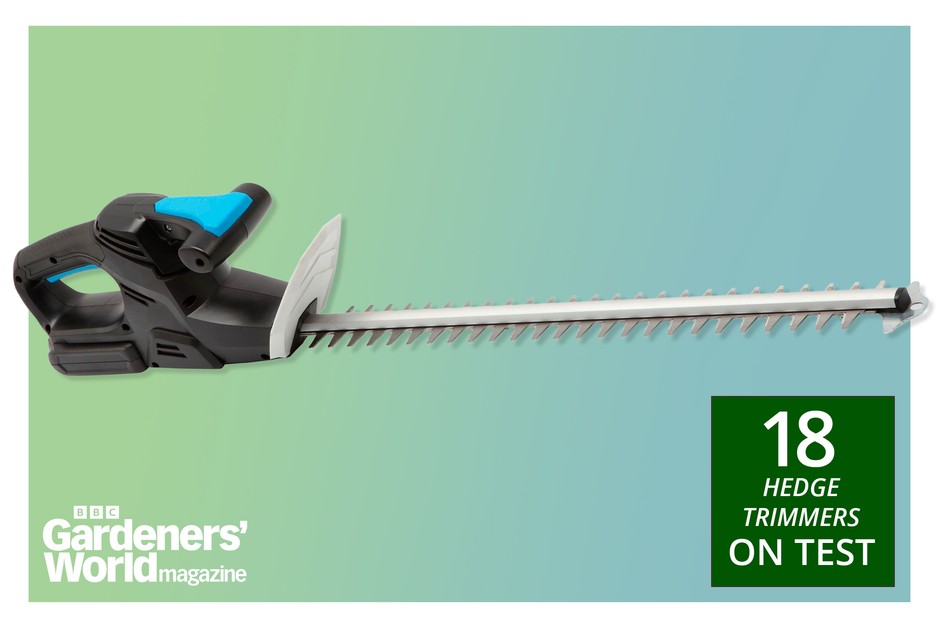
When looking for a hedge trimmer, consider the handles, power, safety features, blade length, cutting capacity, dual switches, and ease of use. Additionally, think about the voltage and size that best suits your needs, the cost of the trimmer, and the maintenance required.
When it comes to maintaining your hedges and shrubs, having the right hedge trimmer can make all the difference. But with a wide variety of options available in the market, it can be overwhelming to determine which one is best suited for your needs. That’s where knowing what to look for in a hedge trimmer becomes essential. In this article, we will guide you through the key factors to consider when choosing a hedge trimmer.
From blade type and length to power source and ergonomics, we’ll delve into the important features that can impact the trimmer’s performance and your overall trimming experience. Whether you’re a professional landscaper or a DIY enthusiast, this comprehensive guide will equip you with the knowledge to make an informed decision and find the perfect hedge trimmer for your gardening endeavors.
Factors To Consider
When it comes to maintaining a neat and tidy hedge, having the right tools is essential. One of the most important tools in your arsenal is a hedge trimmer. But with so many options out there, how do you know which one is right for you? In this article, we will break down the factors you should consider when choosing a hedge trimmer.
There are several types of hedge trimmers to choose from, each with its own set of pros and cons. The most common types include:
- Electric hedge trimmers
- Gas-powered hedge trimmers
- Cordless hedge trimmers
Electric hedge trimmers are lightweight and easy to use, making them perfect for small to medium-sized hedges. Gas-powered hedge trimmers, on the other hand, are more powerful and better suited for larger hedges or professional use. Cordless hedge trimmers offer the convenience of mobility without the need for a power cord, but may have limited battery life.
When it comes to power options, you have two main choices: electric or gas. Electric hedge trimmers are typically powered by a cord or a rechargeable battery. They are quieter and more environmentally friendly than their gas-powered counterparts. Gas-powered hedge trimmers, on the other hand, offer more power and are better suited for heavy-duty jobs. However, they can be heavier and noisier.
When choosing a hedge trimmer, there are a few key features you should look out for:
- Blade length: The length of the blades will determine how efficiently you can trim your hedge. Longer blades are better for larger hedges, while shorter blades are more suitable for smaller hedges.
- Cutting capacity: This refers to the maximum thickness that the hedge trimmer can cut. Make sure to choose a trimmer with a cutting capacity that matches the size of your hedges.
- Dual switches: Having dual switches can help prevent accidental starts and improve safety during operation.
- Ease of use: Look for features like ergonomic handles and lightweight designs to ensure comfortable and easy handling.
By considering these factors and choosing a hedge trimmer that aligns with your needs and preferences, you can ensure that your hedges are always perfectly maintained.
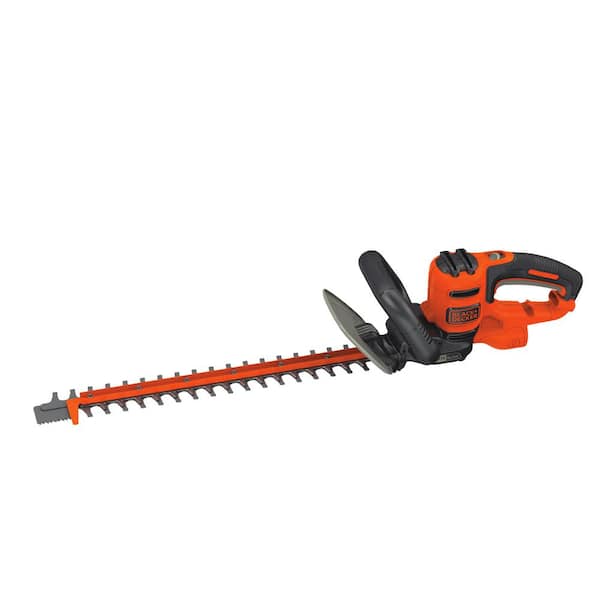
Credit: www.homedepot.com
Types Of Hedge Trimmers
When it comes to choosing a hedge trimmer, there are three main types to consider: electric-powered, battery-powered, and gas-powered. Each type has its own advantages and disadvantages, so it’s important to understand the differences before making a decision.
Electric-powered
Electric-powered hedge trimmers are a popular choice for homeowners who have smaller yards and don’t need to trim a large number of hedges. These trimmers are lightweight, easy to maneuver, and relatively quiet compared to their gas-powered counterparts. They are also low-maintenance, as there is no need to worry about fuel or oil.
Electric trimmers are typically corded, so you will need to have access to an electrical outlet or use an extension cord. However, this can limit your range and may not be suitable for larger or more remote areas.
Battery-powered
Battery-powered hedge trimmers offer more mobility and freedom compared to corded electric trimmers. These trimmers run on rechargeable batteries, allowing you to move around without being restricted by a cord. They are lightweight, easy to handle, and emit less noise than gas-powered trimmers. Battery-powered trimmers are a great option for homeowners who have medium-sized yards but don’t want the limitations of a corded trimmer.
Keep in mind that the battery life may vary depending on the brand and model, so it’s important to choose one with sufficient battery power for your needs.
Gas-powered
Gas-powered hedge trimmers are the most powerful and versatile option available. These trimmers are usually the preferred choice for professionals or those with larger properties and extensive hedge trimming needs. Gas-powered trimmers offer unmatched cutting power and can handle thick branches with ease. They are not limited by cords or batteries, allowing for unlimited mobility.
However, they are typically heavier, louder, and require regular fuel and oil maintenance. Gas-powered trimmers are best suited for heavy-duty tasks and should be operated by individuals who are comfortable using and maintaining gasoline-powered machinery.
Choosing the right type of hedge trimmer depends on your specific needs and preferences. If you have a small yard and prefer a lightweight and low-maintenance option, an electric-powered trimmer might be the best choice.
For medium-sized yards with more mobility requirements, a battery-powered trimmer can provide the necessary flexibility. For large properties or professional use, a gas-powered trimmer offers the power and versatility needed to get the job done.
Power Options
When looking for a hedge trimmer, one of the most important factors to consider is the power option. The choice between electric and gas-powered trimmers, as well as battery voltage for cordless models, significantly impacts the trimmer’s performance and convenience. Let’s dive into the specifics of these power options to help you make an informed decision.
Electric Vs. Gas
Electric hedge trimmers are typically lighter, quieter, and require less maintenance compared to gas-powered ones. They are also more environmentally friendly since they produce zero emissions. On the other hand, gas-powered hedge trimmers offer greater cutting power and are not limited by cables, making them suitable for larger or tougher hedging tasks.
Battery Voltage
When considering a cordless hedge trimmer, the battery voltage is a crucial specification to evaluate. Higher voltage batteries generally provide more cutting power and longer run times. A higher voltage ensures that the trimmer can handle thicker branches and prolonged usage without requiring frequent recharges.
However, it’s important to balance the voltage with the weight of the battery, as higher voltages often result in heavier batteries, potentially impacting maneuverability and user comfort.
Key Features to Look for in a Hedge Trimmer
When it comes to choosing the right hedge trimmer for your needs, it’s important to consider the key features that will make your trimming tasks easier and more efficient. In this article, we will explore the top features to look for when selecting a hedge trimmer.
Blade Length And Cutting Capacity
One of the most important features to consider when choosing a hedge trimmer is the blade length. The length of the blades will determine how quickly and effectively you can trim your hedges. Longer blades are ideal for trimming larger hedges and reaching high branches, while shorter blades are more suitable for precision trimming and shaping. It’s recommended to choose a blade length that suits the size and height of your hedges.
In addition to blade length, you should also consider the cutting capacity of the hedge trimmer. This refers to how thick of branches the trimmer can efficiently cut through. If you have thicker branches in your hedges, it’s important to choose a trimmer with a higher cutting capacity to avoid stalling the machine or damaging the blades.
Dual Switches And Safety Measures
Safety should always be a top priority when using power tools, and hedge trimmers are no exception. Look for a hedge trimmer that features dual switches. These switches ensure that both hands are engaged in operating the trimmer, reducing the risk of accidental start-ups. Additionally, check for other safety measures such as blade guards and safety locks that prevent the trimmer from accidentally turning on.
Ease Of Use And Maintenance
Another key feature to consider is the ease of use and maintenance of the hedge trimmer. Look for trimmers that offer ergonomic designs, such as comfortable handles and adjustable grips, to reduce fatigue during extended use. Additionally, consider the weight of the trimmer, especially if you have a large yard or need to trim for long periods of time.
In terms of maintenance, opt for trimmers that are easy to clean and require minimal upkeep. Some trimmers come with features like self-sharpening blades, which can save you time and effort in the long run.
Popular Brands And Models
When it comes to hedge trimmers, there is a wide range of popular brands and models available in the market. These brands have gained recognition for their quality, durability, and performance. In this section, we will discuss the comparison of popular brands, as well as the top models and recommendations that you can consider while choosing a hedge trimmer.
Comparison Of Popular Brands
Before diving into the top models, it’s important to understand the key differences between the popular brands in the hedge trimmer industry. These brands have established themselves as leaders, providing reliable and efficient products. Here is a comparison of some of the most renowned brands:
| Brand | Notable Features | Price Range |
|---|---|---|
| Stihl | High-quality blades, ergonomic designs, powerful engines | $200 – $600 |
| Husqvarna | Long-lasting batteries, versatile cutting options | $150 – $500 |
| Black+Decker | Lightweight models, budget-friendly options | $50 – $150 |
Top Models And Recommendations
Now that you have an understanding of the popular brands, let’s explore some of the top models and recommendations within those brands. These models have received positive reviews and are known for their exceptional performance:
- Stihl HS 45 Hedge Trimmer: This model from Stihl features a lightweight design, dual-action blades, and a comfortable handle. It is ideal for small to medium-sized hedges.
- Husqvarna 122HD60 Hedge Trimmer: With its low-noise engine, this Husqvarna model offers a smooth trimming experience. It also has a Smart Start feature for easy starting.
- Black+Decker BEHT100 Hedge Trimmer: For those on a budget, this Black+Decker model offers reliable performance and a compact design. It is great for light trimming tasks.
Keep in mind that these are just a few examples, and there are more models available from these brands as well as other reputable ones. Consider factors such as power, blade length, cutting capacity, and ease of use when selecting a hedge trimmer that suits your specific needs.

Credit: www.landscapemanagement.net
Safety Measures And Maintenance
Hedge trimmers are powerful tools, and it’s crucial to observe safety measures and perform regular maintenance to ensure their safe and efficient operation.
Blade Sharpening Frequency
Proper maintenance of hedge trimmers includes regular blade sharpening to ensure clean and precise cuts. The frequency of blade sharpening depends on usage, but as a general guideline, sharpen the blades after every 50 hours of use. Dull blades can lead to ragged cuts, making the trimmer less effective and potentially causing strain on the motor.
Safety Precautions And Usage Tips
Before operating a hedge trimmer, it’s essential to adhere to safety precautions. Always wear protective gear, including gloves and eye protection, as hedge trimmer blades are extremely sharp and can cause serious injuries. Additionally, it’s important to inspect the area for any potential obstructions or debris that could hinder safe operation. Furthermore, be sure to maintain a firm grip on the trimmer to ensure control and stability during use.
Credit: www.gardeningetc.com
Frequently Asked Questions For What To Look For In A Hedge Trimmer
What Am I Looking For In A Hedge Trimmer?
When looking for a hedge trimmer, consider the power, safety features, blade length, cutting capacity, and ease of use. Also, think about whether you want a gas or electric trimmer and which brand is popular in the market. Be mindful of the weight and size that suits your needs.
How Powerful Of A Hedge Trimmer Do I Need?
You need a powerful hedge trimmer based on the size and density of your hedges. Consider factors such as blade length, cutting capacity, and power source. Choose a trimmer that suits your needs for effective trimming.
What Voltage Hedge Trimmer Is Best?
The best voltage for a hedge trimmer depends on the size of the hedge and the cutting tasks. For light jobs, 20V is sufficient, while heavy-duty tasks require 40V or higher. Consider your needs and the trimmer’s power for the best results.
What Is The Best Hedge Trimmer For Home Use?
The best hedge trimmer for home use depends on your specific needs. Consider factors like power, blade length, cutting capacity, dual switches, and ease of use. Popular brands include Craftsman, Lowe’s, Sun Joe, EGO Power+, and DEWALT.
Conclusion
When selecting a hedge trimmer, consider the power, safety features, weight, blade length, and maintenance requirements. Finding the right balance for your specific needs is crucial. Evaluate the options carefully and consider the varying aspects that could impact your hedge trimming experience.
Make an informed decision based on your unique needs and preferences.