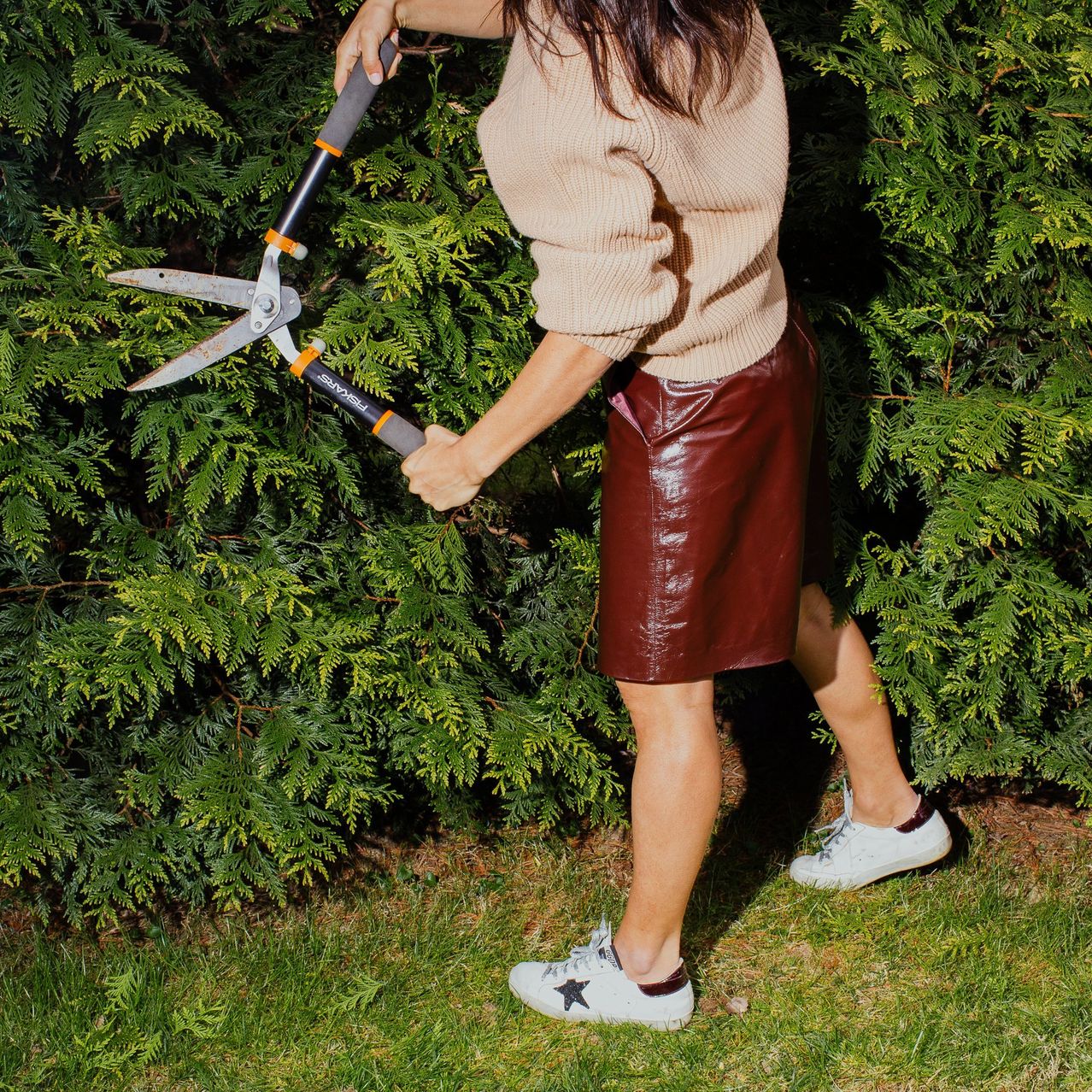
A hedge trimmer works by using oscillating blades that move back and forth to cut through small branches on bushes and hedges. The trimmer is ideal for smaller workloads and provides precision cuts, while a hedge cutter is used for larger tasks with more power and bigger blades to handle thick hedges and branches.
Hedge trimmers are not suitable for cutting tree branches as their grooves are too narrow for the size of tree branches. Brush cutters are used for thicker vegetation, and although hedge trimmers are faster and more efficient than hand pruning, they can negatively impact the health of plants by cutting off important buds at the end of branches.
Understanding Hedge Trimmer Basics
When it comes to maintaining the beauty and neatness of your hedges and shrubs, a hedge trimmer is an essential tool. This powerful and efficient piece of equipment allows you to easily shape, trim, and maintain your hedges, keeping them looking their best. But how exactly does a hedge trimmer work? Let’s dive into the basics of hedge trimmers to understand their inner workings and how they make your gardening tasks a breeze.
Parts Of A Hedge Trimmer
A hedge trimmer consists of several key components that work together to deliver precise cutting action. Understanding these parts will help you appreciate how a hedge trimmer operates:
| Part | Description |
|---|---|
| Blades | The blades are the cutting elements of a hedge trimmer. They can be either double-sided or single-sided and are usually made of hardened steel for durability. |
| Motor or Engine | The motor or engine provides the power needed to drive the blades. It can be electric, powered by a rechargeable battery, or gas-powered. |
| Handles and Controls | The handles and controls allow you to hold and operate the hedge trimmer comfortably. They are strategically positioned for easy handling and control. |
| Safety Guard | The safety guard protects your hands from coming into contact with the blades during operation. It ensures safe and secure usage. |
| Trigger or Switch | The trigger or switch is the activation mechanism that turns the trimmer on and off. It enables precise control over the cutting action. |
Power Sources
Hedge trimmers can be powered by different sources, each with its advantages and limitations. The most common power sources for hedge trimmers include:
- Electric: Electric hedge trimmers are powered by electricity from an outlet. They provide consistent power and are suitable for small to medium-sized hedges. Plus, they are relatively lightweight and quieter compared to other options.
- Battery: Battery-powered hedge trimmers offer portability and convenience. They use rechargeable batteries and are perfect for smaller yards without access to an outlet. However, battery life can be a limiting factor, requiring occasional recharging.
- Gas: Gas-powered hedge trimmers are known for their robust cutting power. They are ideal for larger hedges and heavy-duty tasks. However, they are generally heavier, noisier, and require regular fueling and maintenance.
Understanding the power source options allows you to choose the hedge trimmer that best suits your specific needs and garden size.

Credit: www.facebook.com
Different Types Of Hedge Trimmers
When it comes to hedge trimmers, there are a few different types available. Each type has its own unique features and benefits, making it important to choose the right one for your specific needs. Here are the three main types of hedge trimmers:
Electric Hedge Trimmers
If you’re looking for a lightweight and easy-to-use option, electric hedge trimmers are a great choice. These trimmers are powered by electricity and typically come with a cord that needs to be plugged into an outlet. They are ideal for small to medium-sized hedge trimming tasks and are generally quieter than other types. Electric hedge trimmers are also environmentally friendly as they produce no emissions.
Cordless Hedge Trimmers
For those who prefer mobility and flexibility while trimming hedges, cordless hedge trimmers are the way to go. These trimmers are powered by rechargeable batteries, allowing you to move freely around your yard without being limited by a cord. Cordless hedge trimmers are lightweight and easy to maneuver, making them suitable for both small and medium-sized hedges. However, it’s important to note that they may not have as much power as gas-powered trimmers.
Gas-powered Hedge Trimmers
Gas-powered hedge trimmers are the go-to choice when it comes to large or thick hedges that require extra power. These trimmers run on gasoline, giving them the strength and durability needed to handle heavy-duty trimming tasks. Gas-powered hedge trimmers are typically more robust and can cut through thicker branches compared to their electric or cordless counterparts. However, they tend to be heavier and noisier, making them more suitable for professional landscapers or those with significant trimming needs.
How Hedge Trimmers Work
Hedge trimmers, also known as shrub trimmers or bush trimmers, are widely used in gardening to maintain a neat and tidy landscape. Understanding the mechanism behind their function can help users operate them more effectively and maximize their utility. Let’s explore the working of hedge trimmers in more detail.
Blade Movement Mechanism
Hedge trimmers operate using a reciprocating motion of the blade, similar to a handsaw. The movement is primarily powered by either electricity, battery, or gasoline, driving the blades back and forth in a rapid cutting action. This reciprocating motion allows the blades to cut through hedges, bushes, and shrubs with precision and efficiency.
Cutting Through Branches And Bushes
The sharp blades of a hedge trimmer are designed to cut through small to medium-sized branches and bushes. The tooth spacing on the blades determines the maximum branch size that the trimmer can effectively handle. Additionally, some hedge trimmers are equipped with features such as serrated blades or dual-action blades, which enhance cutting performance and reduce resistance while working through thicker foliage.

Credit: www.linkedin.com
Choosing The Right Hedge Trimmer
A hedge trimmer works by using oscillating blades that move back and forth to cut through small branches and twigs on bushes and hedges. It is ideal for precision cuts on smaller workloads, while a hedge cutter with larger blades and more power is suitable for thick hedges and branches.
When it comes to maintaining the perfect hedge, choosing the right hedge trimmer is essential. Whether you are a homeowner looking to neaten up your backyard or a professional landscaper with a range of clients, selecting the right tool can make all the difference. In this guide, we will explore the considerations for both residential and professional use to help you make an informed decision.
Considerations For Residential Use
For those with a small to medium-sized garden or occasional hedge trimming needs, a hedge trimmer designed for residential use is the ideal choice. Here are a few factors to consider when choosing a hedge trimmer:
- Power source: Residential hedge trimmers come in a variety of power options, including electric, battery-powered, and gas. Electric trimmers are lightweight, easy to use, and require a power outlet. Battery-powered trimmers offer more flexibility without the need for cords, while gas trimmers are best for larger properties with thicker hedges.
- Cutting capacity: Consider the size and thickness of your hedges. Look for a trimmer with blades that can handle the desired cutting capacity. Trimmers with longer blades are ideal for taller hedges, while trimmers with wider openings between blades are better for thicker branches.
- Weight and maneuverability: Opt for a trimmer that is lightweight and easy to maneuver, especially if you have a lot of hedges to trim. Look for ergonomic designs and comfortable handles to reduce fatigue during use.
- Safety features: Ensure the trimmer you choose has safety features such as blade guards and safety switches to prevent accidents and protect yourself and your property.
Considerations For Professional Use
If you are a professional landscaper or have extensive hedge trimming needs, investing in a hedge trimmer designed for professional use is crucial. Here are some factors to consider:
- Power and performance: Look for hedge trimmers with high-powered motors and robust cutting capabilities. Professional trimmers are designed to handle heavy-duty work and can cut through thick branches with ease.
- Durability and reliability: Professional-use trimmers are built to withstand long hours of use and frequent transportation. Look for trimmers made from high-quality materials that can withstand the demands of professional landscaping.
- Ergonomics: As a professional, comfort and ergonomics are key. Choose a trimmer with adjustable handles, anti-vibration technology, and features that reduce fatigue during extended use.
- Accessories and compatibility: Consider the availability of compatible accessories such as extension poles, harnesses, and additional blade options. These accessories can enhance your trimming experience and improve efficiency.
By taking these considerations into account, you can choose a hedge trimmer that is best suited for your specific needs, whether it’s for residential or professional use. Remember to prioritize safety and always follow the manufacturer’s instructions for proper use and maintenance of your hedge trimmer.
Advantages And Disadvantages Of Using Hedge Trimmers
Pros Of Using Hedge Trimmers
Hedge trimmers offer several advantages that make them a popular tool for trimming and shaping hedges. Here are some of the pros of using hedge trimmers:
- Efficiency: Hedge trimmers are often seen as faster and more efficient than hand pruning, saving you time and effort.
- Precision: Hedge trimmers provide a more precise cut, making it easier to shape hedges and achieve a uniform appearance.
- Versatility: Hedge trimmers can be used for various tasks, including trimming shrubs, bushes, and small trees.
- Ease of use: Hedge trimmers are designed to be user-friendly, allowing even beginners to operate them with ease.
- Time-saving: Using hedge trimmers can significantly reduce the time required for hedge maintenance, allowing you to focus on other gardening tasks.
Cons Of Using Hedge Trimmers
Although hedge trimmers offer many advantages, there are also some downsides to consider. Here are the cons of using hedge trimmers:
- Health impact: Hedge trimmers can negatively impact the health of plants if not used properly. Improper or excessive trimming can damage the hedge and lead to stunted growth.
- Limited reach: Hedge trimmers have limitations when it comes to reaching taller or hard-to-reach areas. You may need additional equipment or tools to trim hedges beyond their reach.
- Noisiness: Hedge trimmers can be noisy while in operation, which can be disruptive to you and your neighbors, particularly if you live in a residential area.
- Maintenance: Hedge trimmers require regular maintenance, including blade sharpening and cleaning, to ensure optimal performance. This adds to the overall maintenance cost and effort.
- Potential accidents: Hedge trimmers are sharp, powerful tools that can cause injuries if not used correctly. It’s important to follow safety precautions and use protective gear when operating hedge trimmers.
Despite the disadvantages, hedge trimmers are widely used for their efficiency and precision in hedge maintenance. However, it’s important to use them responsibly and with caution to achieve desired results without compromising the health of your plants.

Credit: www.amazon.com
Maintaining And Using A Hedge Trimmer Safely
To maintain and use a hedge trimmer safely, understanding how it works is essential. Hedge trimmers have blades that oscillate, moving back and forth to cut through small branches on bushes and hedges. It’s important to handle the trimmer with caution and follow safety guidelines to avoid accidents.
Maintaining and Using a Hedge Trimmer Safely Hedge trimmers are effective tools for keeping your hedges and bushes clean and well-maintained.
However, maintaining and using a hedge trimmer safely is crucial to ensure that your trimming tasks are completed efficiently and without any accidents or injuries.
By adhering to proper cleaning and maintenance tips as well as safety precautions, you can optimize the performance of your hedge trimmer while ensuring your own safety and that of those around you.
Cleaning and Maintenance Tips
Regular cleaning and maintenance of your hedge trimmer are vital to ensure its optimal performance. In order to keep your hedge trimmer functioning effectively:
- Clean the blades thoroughly after each use to remove any debris, sap, or residue that may have accumulated during trimming.
- Lubricate the blades regularly to prevent rust and corrosion, ensuring smooth and efficient cutting.
- Inspect the trimmer for any damage or wear, and promptly address any issues to maintain its functionality and safety.
Safety Precautions
When using a hedge trimmer, it’s essential to prioritize safety to prevent accidents and injuries.
Here are some important safety precautions to consider:
- Wear appropriate protective gear, such as goggles, gloves, and sturdy footwear, to safeguard yourself from potential hazards like flying debris or accidental cuts.
- Ensure a stable footing while operating the hedge trimmer and avoid overreaching to maintain balance and control.
- Keep the trimmer away from obstacles and bystanders, maintaining a safe distance to prevent accidents and injuries.
By following these cleaning and maintenance tips and adhering to safety precautions, you can ensure the reliable performance of your hedge trimmer while prioritizing safety for yourself and others.
Frequently Asked Questions Of How Does A Hedge Trimmer Work
What Is The Difference Between A Hedge Trimmer And A Hedge Cutter?
Sure, a hedge trimmer is best for smaller tasks, offering precision cutting for hedges. A hedge cutter has more power and larger blades, suitable for thicker hedges and branches.
Do Hedge Trimmers Cut Branches?
Hedge trimmers are not designed to cut branches. They are made for thin twigs and leaves found on hedges and bushes. The grooves on hedge trimmers are too narrow for tree branches. If you need to trim tree branches, it is best to use a hedge cutter or a pole saw.
What Is The Difference Between A Brush Cutter And A Hedge Trimmer?
A hedge trimmer is ideal for smaller workloads and precision cutting, while a hedge cutter has more power and larger blades to tackle thick hedges and branches. Hedge trimmers are not suitable for cutting tree branches. Brush cutters use metal blades and are designed for thicker vegetation.
How Well Do Hedge Trimmers Work?
Hedge trimmers work efficiently for small tasks, providing a precise cut for hedges. However, they may negatively impact plant health by being imprecise and cutting off important buds. The blades oscillate, allowing them to cut through small branches on bushes and hedges.
Conclusion
Understanding how a hedge trimmer works is essential for maintaining a well-manicured garden. The precision of the trimmer and the power of the cutter both play vital roles in ensuring that hedges, shrubs, and bushes are well-maintained. Knowing how to choose and properly use a hedge trimmer will result in efficient and effective hedge care.

I’m Patricia D. Johnson, an affiliate marketer and blogger specializing in trimmers and grooming tools. I create honest reviews, buying guides, and practical tips to help readers choose the right trimmer for their needs. With a focus on quality, performance, and value, I simplify the decision-making process so consumers can make confident purchases.