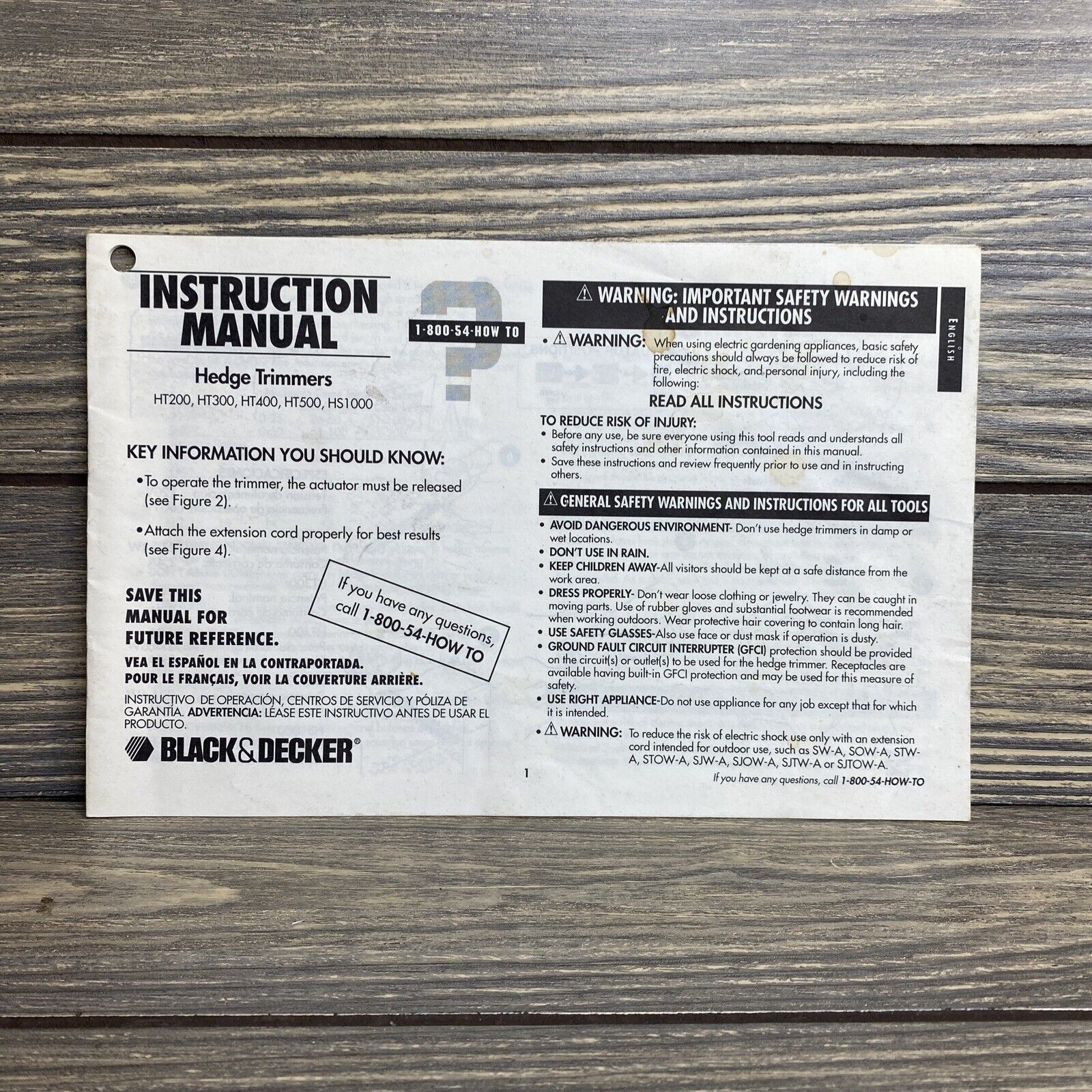
Using an electric hedge trimmer after rain is not recommended as it can increase the risk of electric shock. It is important to wait until the weather is dry before using the trimmer to ensure safety.
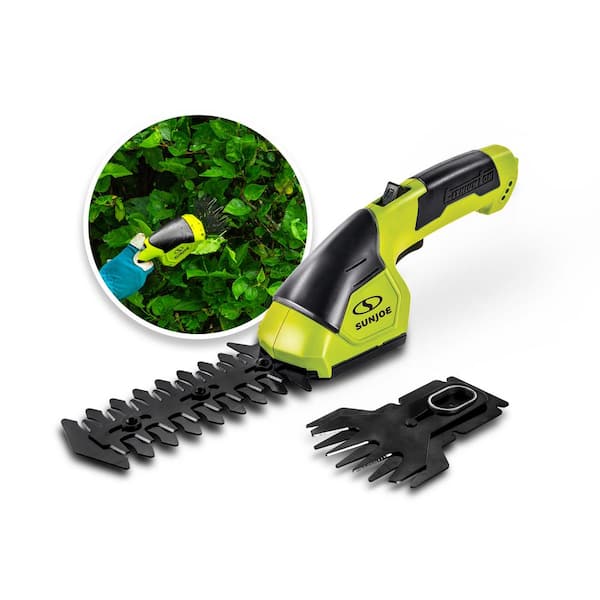
Credit: www.homedepot.com
The Dangers Of Using Electric Hedge Trimmer After Rain
Using an electric hedge trimmer can be a convenient way to maintain your hedges and bushes. However, it is important to understand the dangers of using this equipment after rain. In this article, we will explore the risks of electric shock and potential damage to the trimmer, highlighting the importance of safety precautions.
Risk Of Electric Shock
One of the primary dangers of using an electric hedge trimmer after rain is the risk of electric shock. Water, being a good conductor of electricity, can create a hazardous situation when combined with a powered tool. The moisture on the hedges or the ground can seep into the trimmer’s electrical components, increasing the likelihood of electric shocks. This can result in serious injury or even death.
Potential Damage To The Trimmer
In addition to the risk of electric shock, using an electric hedge trimmer after rain can also lead to potential damage to the trimmer itself. Water can cause corrosion and other forms of damage to the electrical components and blades of the trimmer. This can result in decreased performance and a shorter lifespan for the equipment. It is essential to protect your investment by avoiding the use of the trimmer in wet conditions.
By understanding the dangers of using an electric hedge trimmer after rain, you can take the necessary precautions to ensure your safety and the longevity of your equipment. Always wait for the hedges and the environment to dry completely before using the trimmer, and store it in a dry place to prevent damage. Remember, safety should always be a priority when it comes to using electrical tools like hedge trimmers.
Safety Precautions For Using Electric Hedge Trimmer After Rain
Using an electric hedge trimmer after rain requires some essential safety precautions to ensure your well-being and the proper functioning of the equipment. In this section, we will discuss three important safety measures to consider when using an electric hedge trimmer after rain: inspecting the trimmer, using a residual current device (RCD), and handling the trimmer with care.
Inspecting The Trimmer
Before using your electric hedge trimmer after rain, it is crucial to inspect the trimmer and ensure it is in good working condition. Here are some steps to follow:
- Check the power cord for any visible damage or wear.
- Inspect the blades for any signs of rust or dullness.
- Ensure the safety guard is intact and functioning properly.
- Verify that the handle and grip are secure and comfortable to hold.
Using Residual Current Device (rcd)
It is highly recommended to use a residual current device (RCD) when using an electric hedge trimmer after rain. An RCD is a safety device that quickly shuts off the current if it detects an electrical fault. Here’s how to use an RCD:
- Plug the RCD into a power outlet.
- Connect the electric hedge trimmer to the RCD, ensuring a secure connection.
- Test the RCD by pressing the test button before each use.
- Ensure the RCD is working correctly by verifying proper functionality.
Handling The Trimmer With Care
Proper handling of the electric hedge trimmer is essential for your safety and the longevity of the equipment. Follow these guidelines:
- Always hold the trimmer with both hands and maintain a firm grip.
- Keep the power cord away from the cutting area to avoid accidental cuts.
- Wear protective gloves and eye goggles to protect against flying debris.
- Avoid overreaching or using the trimmer in awkward positions that may strain your body.
By adhering to these safety precautions, you can safely use your electric hedge trimmer after rain and achieve efficient and accurate results. Remember, your well-being should always be a priority when operating any power tool.
Impact On Hedge Trimming
Using an electric hedge trimmer after rain is not recommended as it can be dangerous due to the risk of electric shock. It is best to wait for the weather to clear up and the hedges to dry before using the trimmer for optimal results.
Quality Of Hedge Trimming In Wet Conditions
If you are contemplating using an electric hedge trimmer after rain, it’s important to consider the impact on the quality of hedge trimming. Wet conditions can significantly affect the precision and effectiveness of hedge trimming. Hedges are difficult to trim when wet due to the water weighing the branches down, making it challenging to achieve a clean and precise cut. Moreover, wet foliage tends to stick together, causing the trimmer blades to struggle through the hedge. As a result, the overall finish may not meet your expectations when trimming wet hedges.
Risk Of Slippery Conditions
Another critical factor to consider when using an electric hedge trimmer after rain is the risk of slippery conditions. Wet surfaces can lead to slippery footing, increasing the chance of accidents and injuries. Operating power tools on slippery ground poses a safety hazard, potentially causing loss of control over the trimmer and posing a risk to both the operator and nearby individuals. It’s essential to prioritize safety by avoiding operation of electric hedge trimmers in slippery conditions, further emphasizing the importance of waiting for the hedges to dry thoroughly before trimming.
Credit: archive.org
Expert Opinions On Using Electric Hedge Trimmer After Rain
Using an electric hedge trimmer after rain can be a topic of concern for many gardeners. While it may seem like a convenient time to tidy up your hedges, there are certain precautions that need to be considered. In this section, we will explore the expert opinions on using electric hedge trimmers after rain, as well as share some user experiences with wet hedge trimming.
Gardening Experts’ Recommendations
Gardening experts unanimously agree that using an electric hedge trimmer after rain is not recommended. The combination of wet foliage and electrical tools can pose a risk to both the user and the equipment. When hedges are wet, they become more challenging to cut and can lead to a less satisfactory result. It is advisable to wait until the foliage has dried completely before attempting to trim your hedges.
User Experiences With Wet Hedge Trimming
Many users have shared their experiences with wet hedge trimming, and the consensus is clear – it is best to avoid using electric hedge trimmers after rain. Wet conditions can make it difficult to achieve clean cuts and increase the likelihood of accidents. Users have reported the blades getting clogged with wet debris, resulting in a less efficient trimming process.
Furthermore, operating electrical equipment in damp conditions can pose a safety hazard. Electric hedge trimmers should ideally be used with a residual current device (RCD) and should not be used in wet or damp conditions. Placing the cable over your shoulder can help prevent accidental cuts, but it is still best to wait for dry weather to ensure optimal safety.
In conclusion, it is best to err on the side of caution and wait for the hedges to dry before using an electric hedge trimmer. By following the recommendations of gardening experts and considering user experiences, you can ensure the safety of both yourself and your equipment while achieving the best results for your hedges.
Alternatives To Using Electric Hedge Trimmer After Rain
Using an electric hedge trimmer after rain is not recommended due to safety concerns. Wet conditions can increase the risk of electric shock and damage to the equipment. It is best to wait until the weather is dry before using an electric hedge trimmer to ensure safety and optimal results.
Using an electric hedge trimmer after rain can pose risks to both your safety and the equipment. However, that doesn’t mean you have to wait for the rain to stop to tackle your overgrown hedges. There are alternative methods you can use to maintain your hedges without relying on an electric trimmer. In this section, we will explore two alternatives to using an electric hedge trimmer after rain: manual trimming techniques and waiting for dry weather.
Manual Trimming Techniques
If you don’t have access to an electric hedge trimmer or prefer a more hands-on approach, manual trimming techniques can be a great alternative. Here are a few manual trimming techniques you can consider:
- Hand Pruning Shears: Pruning shears, also known as secateurs, are a handy tool for precise trimming. They allow you to selectively remove unwanted branches and shape your hedges with ease.
- Hedge Clippers: Hedge clippers are larger manual tools that are designed specifically for trimming hedges. With longer blades, they enable you to make clean cuts and shape your hedges effectively.
- Loppers: Loppers are designed for cutting large branches. If your hedges have thicker branches, using loppers can be a suitable option to trim them down to size.
By using these manual tools, you can still achieve the desired shape and maintain the health of your hedges, even after rain. Just remember to regularly clean and sharpen your tools for optimal performance.
Waiting For Dry Weather
If you prefer using an electric hedge trimmer but want to avoid the risks of using it after rain, waiting for dry weather is a simple yet effective solution. By postponing your trimming session until the hedges and surrounding area are dry, you can ensure the safety of both yourself and your equipment.
Dry weather allows for better grip and maneuverability, minimizing the chances of accidents or damage to your trimmer. Additionally, dry vegetation is easier to work with and provides cleaner cuts, resulting in a more professional and tidy-looking hedge.
While waiting for the rain to cease may require some patience, it is a small trade-off for the safety and quality of your hedge trimming task.
Credit: archive.org
Conclusion And Best Practices
The use of an electric hedge trimmer after rain raises concerns regarding safety and proper maintenance of the equipment. It is crucial to adhere to safety measures and consider the consequences of operating electric hedge trimmers in wet conditions. Summarizing safety measures and emphasizing the importance of avoiding wet conditions are essential for efficient and safe hedge trimming.
Summarizing Safety Measures
- Check the equipment for any damages or faults before use.
- Utilize residual current devices (RCDs) when using electric hedge trimmers.
- Avoid using electric yard tools in wet weather to prevent equipment damage and malfunctions.
- Secure the cable to prevent accidental cuts, and exercise caution when using the trimmer on wet surfaces.
Emphasizing The Importance Of Avoiding Wet Conditions
- Operating electric hedge trimmers in wet conditions may lead to reduced cutting efficiency and potential damage to the equipment.
- Wet hedges and bushes can make trimming more challenging and less effective.
- Additionally, wet surfaces can increase the risk of slipping while using the trimmer, posing a safety hazard.
Frequently Asked Questions For Can I Use Electric Hedge Trimmer After Rain
Can You Use Electric Hedge Cutters On Wet Hedges?
Using electric hedge cutters on wet hedges is not recommended as it can pose a safety risk. It’s important to wait until the weather is dry to ensure safe operation and equipment efficiency. Always inspect the equipment for any damage before use.
Can You Trim Hedges After Rain?
Avoid trimming hedges after rain, especially when using an electric hedge trimmer. Wait for the weather to dry up before trimming for best results. Cutting wet hedges may not yield satisfactory results. Ensure your equipment is in good condition before use.
When Should You Not Use A Hedge Trimmer?
It is advised not to use a hedge trimmer in wet or damp conditions, especially if it is an electric one. Using it in such conditions can pose a risk of electric shock. It is important to wait for the weather to dry out before using a hedge trimmer.
Can You Use A Hedge Trimmer On Wet Grass?
It’s not recommended to use hedge trimmers on wet grass to avoid damage and safety hazards.
Conclusion
When it comes to using an electric hedge trimmer after rain, it’s best to wait for the hedges to dry to ensure safety and prevent any potential damage to the trimmer. It’s important to prioritize safety and effectively maintain your equipment for better results.
Remember to always consider the weather conditions before using your electric hedge trimmer.

I’m Patricia D. Johnson, an affiliate marketer and blogger specializing in trimmers and grooming tools. I create honest reviews, buying guides, and practical tips to help readers choose the right trimmer for their needs. With a focus on quality, performance, and value, I simplify the decision-making process so consumers can make confident purchases.