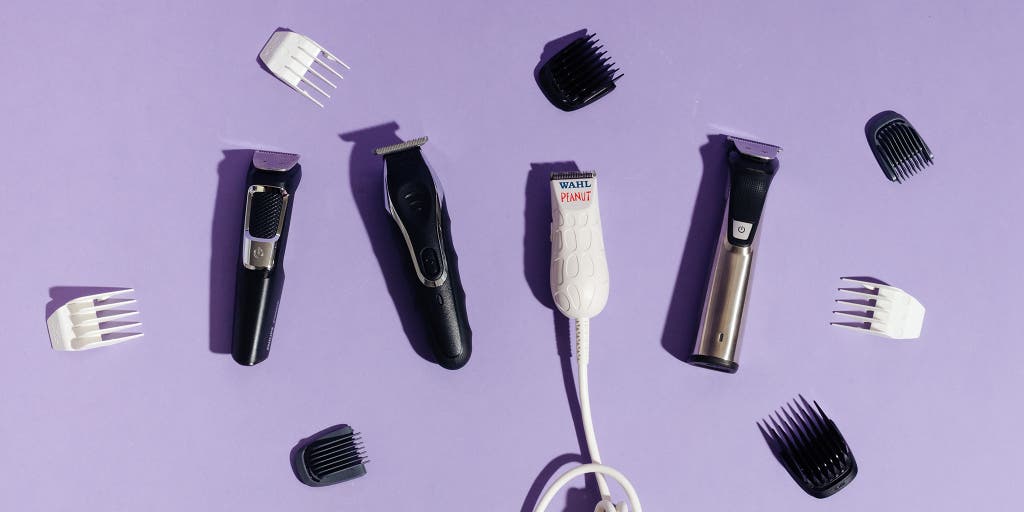
Yes, corded trimmers are generally considered better due to their consistent power supply and uninterrupted operation. Corded trimmers provide reliable performance, continuously functioning without the need for recharging or replacing batteries.
They offer a constant power source, enabling efficient trimming and cutting of grass and other vegetation. Additionally, with a corded trimmer, you don’t have to worry about running out of power halfway through your yard work. Their sustained power also makes them suitable for larger yards and tougher tasks.
Moreover, corded trimmers are usually lighter and less expensive compared to their cordless counterparts, making them a practical choice for many homeowners and professional gardeners. Overall, corded trimmers offer a dependable and cost-effective option for maintaining your lawn and garden.
Corded Trimmers Vs Cordless Trimmers: Which One Offers Better Precision?
Corded trimmers offer better precision than cordless trimmers due to their consistent power supply. This ensures a steady and controlled cutting experience, resulting in more accurate and cleaner cuts.
When it comes to achieving precise and flawless results while trimming your garden or lawn, choosing the right tool is crucial. Among the options available, corded and cordless trimmers have gained popularity.
In this blog post, we will delve into the debate of Corded Trimmers vs Cordless Trimmers: Which One Offers Better Precision? and explore the factors that set them apart. In this section, we will focus on the power and precision aspects that make corded trimmers a preferred choice.
Power And Precision: How Corded Trimmers Outperform Cordless Alternatives
When it comes to achieving precise and accurate cuts, corded trimmers take the lead. Here’s why:
Consistent Cutting Performance: The Advantage of Continuous Power Supply
One of the main advantages of corded trimmers is their consistent cutting performance due to their continuous power supply. Unlike cordless trimmers that rely on batteries, corded trimmers are connected to a power source, ensuring a consistent flow of power throughout your trimming session. This uninterrupted power supply translates to smooth and even cuts, allowing you to maintain precision across your entire yard.
With cordless trimmers, the battery life can become a limiting factor. As the battery drains, the power output decreases, resulting in a decline in cutting efficiency. This inconsistency can lead to uneven trimming, forcing you to make additional passes over the same area, wasting time and effort.
Longevity and Reliability: Ditching the Battery Stress
Beyond the consistency in cutting performance, corded trimmers offer a longer lifespan and greater reliability compared to their cordless counterparts. Since corded trimmers are not dependent on batteries, there is no need to worry about recharging or replacing batteries. This eliminates the stress associated with monitoring battery levels and the inconvenience of being caught midway through a trimming job with a depleted battery.
Corded trimmers provide a constant power supply, eliminating the risk of running out of battery power while working on extensive projects. With a corded trimmer, you can complete your trimming tasks efficiently without interruptions, and the tool will serve you reliably for years to come.
Minimal Weight and Increased Maneuverability
Another factor that contributes to corded trimmers’ better precision is their minimal weight. As corded trimmers do not require a bulky battery pack, they are generally lighter than their cordless counterparts. This lightweight design enables better control and maneuverability, allowing you to reach tight corners and trim with precision even in hard-to-reach areas.
The reduced weight of corded trimmers makes them more comfortable to hold and work with for extended periods, minimizing fatigue and ensuring precision cuts throughout your gardening or landscaping tasks.
To sum up, when it comes to precision and accuracy in trimming, corded trimmers prove to be the superior choice. With their consistent cutting performance, reliability, and lightweight design, corded trimmers enable you to trim your lawn with precision and achieve professional-looking results. By eliminating the limitations and concerns associated with battery life, corded trimmers become the go-to option for those who prioritize precision and efficiency in their landscaping endeavors.
Motor Power: Understanding The Importance Of Motor Strength
Motor power is a crucial factor when considering corded trimmers. Understanding the importance of motor strength can help you determine if corded trimmers are better suited for your needs.
The Impact Of Motor Power On Cutting Performance
When it comes to corded trimmers, one of the key factors that determine their cutting performance is the motor power. The motor strength directly influences how efficiently the trimmer can handle various tasks, whether it is trimming grass, shaping hedges, or cutting through thicker branches.
The motor power of a trimmer is measured in watts or amps, and it indicates the amount of electrical energy the machine can convert into mechanical power. Essentially, the higher the motor power, the more force the trimmer can generate to tackle challenging trimming jobs.
With a more powerful motor, the cutting blades of the trimmer can easily slice through dense vegetation, reducing the need for repeated passes and ensuring a cleaner, more precise cut. This is especially important when it comes to maintaining the aesthetics of your lawn or garden.
Balancing Power And Precision For Optimal Trimming Results
While having a high motor power can certainly provide the necessary strength to effortlessly handle tough trimming tasks, it is also important to strike a balance between power and precision. A trimmer with excessive motor power may offer great cutting force, but it may also lack the finesse required for delicate trimming jobs.
On the other hand, a trimmer with a slightly lower motor power can provide the operator with better control and maneuverability, making it easier to achieve precise trimming results. This is especially beneficial when trimming near flowerbeds, along fences, or around other obstacles in your yard.
Therefore, it is essential to consider the specific needs of your trimming tasks and find a corded trimmer that strikes the right balance between power and precision. By finding the optimal combination, you can ensure that your trimming results are not only efficient but also visually appealing.
Ultimately, whether a corded trimmer with a higher motor power or one with a lower motor power is better for you depends on your personal preferences and the specific requirements of your trimming tasks. Assessing the type of vegetation you intend to trim, the size of your lawn or garden, and the level of precision you desire will help guide your decision-making process.
Cutting Width And Blade Options: Finding The Right Fit For Your Trimming Needs
When it comes to choosing the best corded trimmer for your yard maintenance, it’s important to consider the cutting width and blade options available. This will ensure that you can achieve precision and efficiency in your trimming tasks, no matter the size or type of job at hand.
In this section, we will explore the benefits of adjusting cutting width for precision and efficiency, as well as the different blade options that cater to various types of trimming tasks.
Adjusting Cutting Width For Precision And Efficiency
One of the key advantages of corded trimmers is their customizable cutting width. This feature allows you to adjust the width of the cutting swath to match the specific requirements of your trimming needs. By having control over the cutting width, you can achieve greater precision in tight spaces, such as around flower beds, fence lines, or other delicate areas of your yard.
With a narrow cutting width, you can effortlessly navigate through narrow spaces without causing damage to surrounding plants or structures. On the other hand, wider cutting widths are ideal for clearing larger areas efficiently, reducing the number of passes required to get the job done. By being able to adapt the cutting width to the task at hand, you can save time and energy, ensuring a more efficient trimming experience.
Blade Options For Different Types Of Trimming Jobs
Another advantage of corded trimmers is the availability of various blade options that cater to different types of trimming jobs. Whether you are dealing with long grass, tough weeds, or overgrown shrubs, having the right blade on your trimmer can significantly enhance cutting performance.
For tackling long and dense vegetation, you may opt for a blade with serrated edges. These blades are designed tocut through thick grass and weeds with ease. They provide excellent cutting power and can handle even the most stubborn growth, making them a great option for heavy-duty trimming tasks.
Alternatively, if you are looking to achieve a clean and precise finish on your lawn, a grass blade with fine teeth would be a suitable choice. This type of blade is perfect for maintaining a manicured appearance, as it effectively trims the grass without causing undue damage or tearing.
When it comes to trimming shrubs and hedges, a trimmer with a blade specifically designed for this purpose is essential. These blades typically have a smaller cutting width, allowing you to shape and detail your shrubs with ease. Additionally, some trimmers offer interchangeable blade options, so you can switch between grass and shrub blades as needed, providing a versatile trimming tool for all your outdoor grooming needs.
Proper Maintenance And Blade Care: Extending The Lifespan Of Your Corded Trimmer
A corded trimmer can be a valuable tool in keeping your lawn and garden looking neat and well-manicured. To ensure that your trimmer performs at its best and lasts for years to come, proper maintenance and blade care are essential. By taking the time to clean, lubricate, sharpen, or replace the blades of your corded trimmer, you can enjoy smooth operation and consistent cutting performance.
Cleaning And Lubricating The Blades For Smooth Operation
To keep your corded trimmer working smoothly, it is important to regularly clean and lubricate the blades. Over time, debris such as grass clippings, dirt, and sap can build up on the blades, which can affect their performance. Here’s how you can clean and lubricate the blades:
- Remove the power source and any detachable parts from the trimmer.
- Using a soft brush or cloth, gently remove any visible debris from the blades.
- Apply a small amount of lubricating oil to the blades, focusing on the moving parts.
- Wipe off any excess oil with a clean cloth.
- Reassemble the trimmer and ensure that everything is securely in place.
Regularly cleaning and lubricating the blades will help prevent rust, improve cutting efficiency, and extend the overall lifespan of your corded trimmer.
Sharpening Or Replacing Blades For Consistent Cutting Performance
Over time, the blades of your corded trimmer can become dull, resulting in a decrease in cutting effectiveness. To maintain consistent cutting performance, you may need to sharpen or replace the blades. Here’s what you can do:
- If the blades are still in good condition but are just dull, sharpen them using a blade sharpener or a file.
- Follow the manufacturer’s instructions for sharpening and ensure that both sides of the blade are sharpened evenly.
- If the blades are damaged beyond repair or have become too worn, it may be necessary to replace them entirely. Check with the manufacturer or a trusted hardware store for replacement options.
By regularly sharpening or replacing the blades of your corded trimmer, you can ensure that it continues to provide clean and precise cuts, saving you time and effort in the long run.
Technique And Cutting Angle: Mastering The Art Of Precision Trimming
Master the art of precision trimming with the technique and cutting angle. Discover if corded trimmers are better for achieving precise results.
Holding And Maneuvering The Trimmer With Precision
When it comes to achieving a beautifully manicured yard, mastering the technique and cutting angle is key. Holding and maneuvering your corded trimmer with precision can make a world of difference in the outcome of your trimming endeavors. Knowing how to handle the trimmer properly ensures clean, precise cuts, allowing you to create sharp edges and defined lines throughout your yard.
Here are a few tips to help you hold and maneuver your corded trimmer with precision:
- Start by maintaining a firm grip on the handle of the trimmer. Ensure that your hand is positioned comfortably and securely to maintain control throughout the trimming process.
- Hold the trimmer at a comfortable height, allowing you to easily reach the areas you wish to trim. This will prevent strain on your arms and back, allowing for better maneuverability.
- Keep a steady pace as you move the trimmer along the edges and borders of your yard. Avoid rushing or jerky movements, as this can result in uneven cuts.
- Pay attention to the direction in which the trimmer blades are rotating. Adjust your grip and position accordingly to ensure that the trimmer is angled correctly for each cut.
- Regularly check the cord, ensuring it is not obstructing your movement or creating a safety hazard. Maintaining a clear path allows for smoother and more precise trimming.
Choosing The Right Cutting Angle For Different Areas Of The Yard
Alongside holding and maneuvering the trimmer correctly, choosing the right cutting angle for different areas of your yard is essential. Each section of your yard may require a slightly different approach to achieve the best results. By understanding the nuances of cutting angles, you can master precision trimming and create a well-groomed yard.
Consider the following tips when choosing the right cutting angle:
- For horizontal surfaces such as lawns, angle the trimmer blades parallel to the ground. This allows for even, consistent cuts and a polished appearance.
- When tackling edges and borders, hold the trimmer at a slight angle, with the blades pointing away from the area being trimmed. This helps to create clean lines and prevents damage to adjacent surfaces.
- For vertical surfaces like fences or walls, hold the trimmer perpendicular to the ground. This ensures that the blades make contact with the surface, resulting in precise cuts and a neat overall appearance.
- When trimming around obstacles, such as trees or shrubs, adjust the cutting angle as needed. Tilt the trimmer to reach around the obstacle, while still maintaining control and precision.
- Regularly assess the cutting angle throughout your trimming session, making adjustments as necessary. A consistent and appropriate cutting angle ensures uniformity and a professional finish.
By mastering the art of precision trimming through holding and maneuvering the trimmer with precision, and selecting the appropriate cutting angle for different areas of your yard, you can achieve a stunning and well-maintained landscape.
Cord Management And Safety Measures: Preventing Accidents And Injuries
When it comes to choosing the right trimmer for your gardening needs, corded trimmers often offer a reliable and powerful option. However, it is crucial to understand the importance of cord management and safety measures to prevent accidents and injuries. In this article, we will explore the key aspects of managing the power cord for safe operation and using personal protective equipment for maximum safety.
Managing The Power Cord For Safe Operation
Proper cord management plays a significant role in ensuring safe operation of corded trimmers. By following some simple guidelines, you can minimize the risk of accidents and injuries:
- Inspect the power cord before each use, checking for any signs of damage or wear. Damaged cords should be replaced immediately to prevent electric shocks or shorts.
- Use a suitable outdoor extension cord specifically designed for electric tools. Ensure the cord is rated for the power requirements of your trimmer.
- Avoid running the power cord across walkways or areas where it can be tripped over. Use cord clips or cord management systems to secure the cord and keep it out of the way.
- Never pull the power cord forcefully to disconnect it from the power source. Instead, take the time to unplug it properly by holding the plug firmly and pulling straight out.
- When using an extension cord, make sure it remains taut and does not sag. This helps to prevent accidental cuts and snags during trimming.
- Store the power cord properly when not in use. Coiling it loosely and storing it in a dry location will prolong its lifespan and reduce the risk of damage.
Using Personal Protective Equipment For Maximum Safety
While managing the power cord is important, using personal protective equipment (PPE) is equally crucial in ensuring maximum safety during trimming tasks. The following PPE should be considered:
| PPE | Description |
|---|---|
| Safety goggles | Protects your eyes from flying debris, dust, and other potential hazards. |
| Ear protection | Reduces the risk of hearing damage caused by the trimmer’s noise. |
| Gloves | Provides a barrier against cuts, scratches, and blisters. Choose gloves with good grip for better control. |
| Long pants and closed-toe shoes | Shields your legs and feet from debris and accidental contact with the trimmer. |
By wearing the appropriate PPE, you can safeguard yourself from potential accidents and injuries while operating a corded trimmer.
Remember, cord management and safety measures are vital to prevent accidents and injuries when using corded trimmers. By managing the power cord properly and using personal protective equipment, you can ensure a safer and more enjoyable trimming experience.
Identifying Potential Hazards: Understanding The Dangers Of Trimming Near Obstacles
Corded trimmers present potential hazards when trimming near obstacles. Understanding the dangers is essential, as they have limitations that may compromise safety. Stay informed to make the best choice for your trimming needs.
Trimming your lawn or garden is a necessary task to keep it looking neat and well-maintained. However, this endeavor comes with its fair share of potential hazards, especially when trimming near obstacles. It’s important to be aware of these dangers to ensure a safe and accident-free experience.
In this section, we will discuss two common obstacles that pose risks when using corded trimmers and provide safety precautions you can follow to avoid accidents.
Avoiding Contact With Electrical Wires And Underground Cables
One of the primary concerns when trimming near obstacles is the risk of coming into contact with electrical wires or underground cables. Accidentally cutting through a live wire can result in serious injury or even electrocution. To avoid this hazardous situation, here are some safety precautions you should follow:
- Identify and mark cable locations: Before you start trimming, take the time to identify and mark the locations of any underground cables or electrical wires in your yard. This can be done by consulting utility maps or contacting local utility companies for assistance.
- Use a cable detector: Investing in a cable detector can be a wise decision when working near obstacles. These tools can help you locate any hidden electrical wires beneath the surface, allowing you to trim safely without accidentally damaging them.
- Establish a safe distance: Maintain a safe distance from any known or suspected electrical wires or cables. As a general rule of thumb, it’s best to stay at least 10 feet away to minimize the risk of accidental contact.
Trimming Near Trees, Fences, And Structures – Safety Precautions To Follow
In addition to electrical hazards, trimming near trees, fences, and structures can also present dangers for the trimmer. To ensure your safety in these situations, consider the following safety precautions:
- Inspect the area: Before you start trimming, carefully examine the area around trees, fences, and structures for any potential hazards such as loose branches, nails, or sharp objects. Remove any debris or obstructions that could pose a risk during the trimming process.
- Wear appropriate protective gear: Always wear protective gear such as safety glasses, gloves, and sturdy footwear when trimming near trees, fences, or structures. This will help protect you from potential injuries caused by flying debris or accidental falls.
- Maintain stability: Ensure your footing is secure and stable when trimming near obstacles. Uneven terrain or slippery surfaces can increase the risk of accidents, so take extra caution and make sure you have a firm footing before proceeding.
By adhering to these safety precautions and being aware of the potential hazards, you can minimize the risks associated with trimming near obstacles. Remember, your safety should always be a priority, and taking the necessary steps to avoid accidents is crucial for a hassle-free and enjoyable trimming experience.

Credit: www.amazon.com
Frequently Asked Questions For Are Corded Trimmers Better?
Are Corded Trimmers More Powerful Than Cordless Trimmers?
No, corded trimmers are not necessarily more powerful than cordless trimmers. While corded trimmers provide continuous power, cordless trimmers have advanced in recent years and can now offer ample power for most trimming tasks.
Are Corded Trimmers More Affordable Than Cordless Trimmers?
Yes, corded trimmers are generally more affordable than cordless trimmers. Cordless trimmers come with added technology and batteries, which contribute to their higher price point. Corded trimmers are a budget-friendly option for those who want a reliable trimming tool without breaking the bank.
Can I Move Freely With A Corded Trimmer?
With a corded trimmer, you will have limitations on your mobility. The cord restricts how far you can move from a power source. However, you can use extension cords to increase your reach and ensure more flexibility during your trimming tasks.
Can I Use A Corded Trimmer In Wet Conditions?
It is not advisable to use a corded trimmer in wet conditions. Since the trimmer is connected to an electrical power source, exposure to water or moisture can pose a safety risk. It is best to use corded trimmers in dry conditions to avoid any potential accidents or damage.
Conclusion
To summarize, corded trimmers offer distinct advantages in terms of power, reliability, and continuous operation. With their consistent source of energy, they eliminate the need for recharging batteries or worrying about cutting sessions being cut short. While there may be limitations in terms of mobility, the superior performance makes them a preferred choice for extensive garden maintenance tasks.
Ultimately, the decision on whether corded trimmers are better depends on individual needs and preferences.