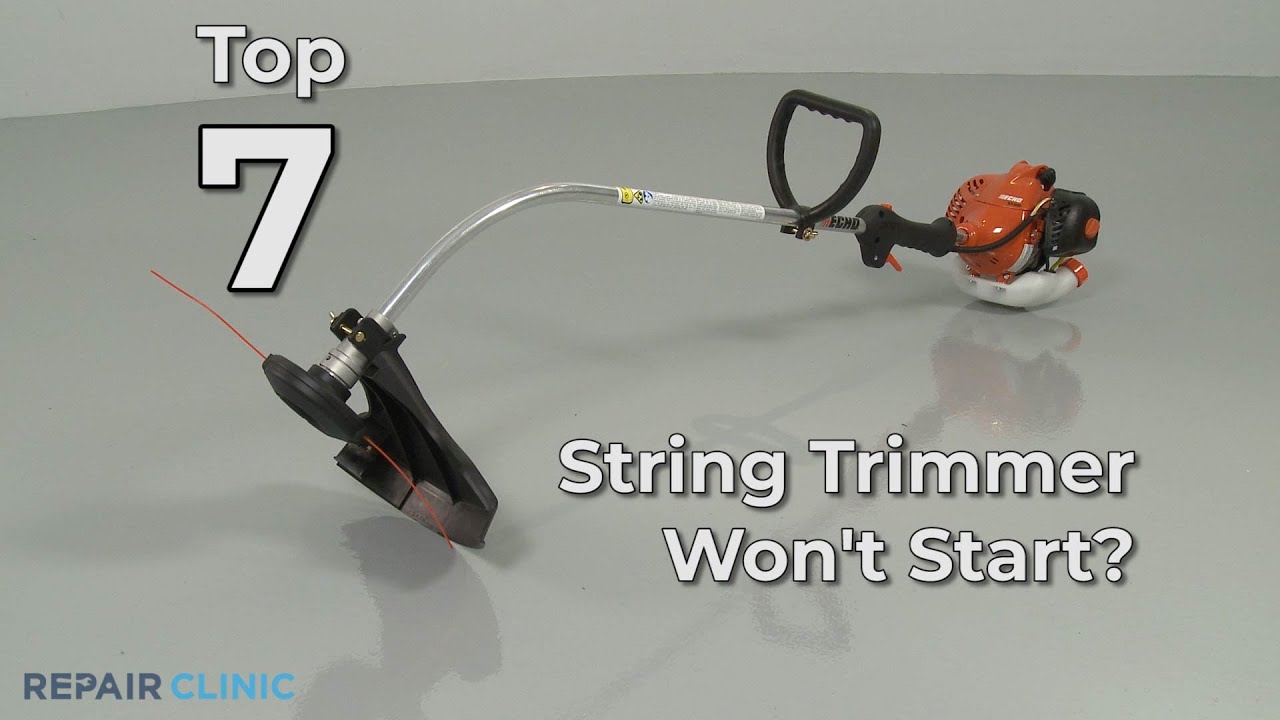
How to Fix a Trimmer That Won’t Start
A trimmer that refuses to start frustrates every gardener. Learning how to fix a trimmer that won’t start saves weekends. New machines and old faithfuls both fail sometimes. Fuel problems and carburetor trouble cause most failures.
This guide works through each likely cause carefully. You will check fuel, spark, and airflow first. Simple tools handle most of these checks easily. Seasoned experts and DIY enthusiasts share these methods. Our mowing guide shows trimmers tackling small lawns.
The Wikipedia string trimmer page explains how these machines work. Our lawn trimmer guide covers the basic machine types. Careful checks beat guesswork every single time. Most starting problems yield to patient troubleshooting.
Quick answer: Most starting failures trace to fuel or spark. Check the fuel level and refill it if needed. Inspect the spark plug closely for wear or dirt. Clean or replace any clogged air filter promptly. Check the fuel lines for clogs or damage too.
How to Fix a Trimmer That Won’t Start: Overview
A silent trimmer usually hides one simple fault. Fuel, spark, and airflow drive every small engine. The seven checks below follow the likely order. Set the choke properly before every cold start. Our trimmer head assembly guide covers head removal basics.
| Quick Check | What the Post Says |
|---|---|
| Check the fuel level | Refill the tank if it sits empty or low |
| Inspect the spark plug | Replace it if worn or dirty |
| Clean the air filter | Clean it or fit a fresh new filter |
| Check the on/off switch | Confirm it sits in the correct position |
| Check the fuel lines | Look for clogs or damage along each line |
| Clean the carburetor | Clean it or have it serviced if needed |
| Call a professional | Seek further inspection if all else fails |
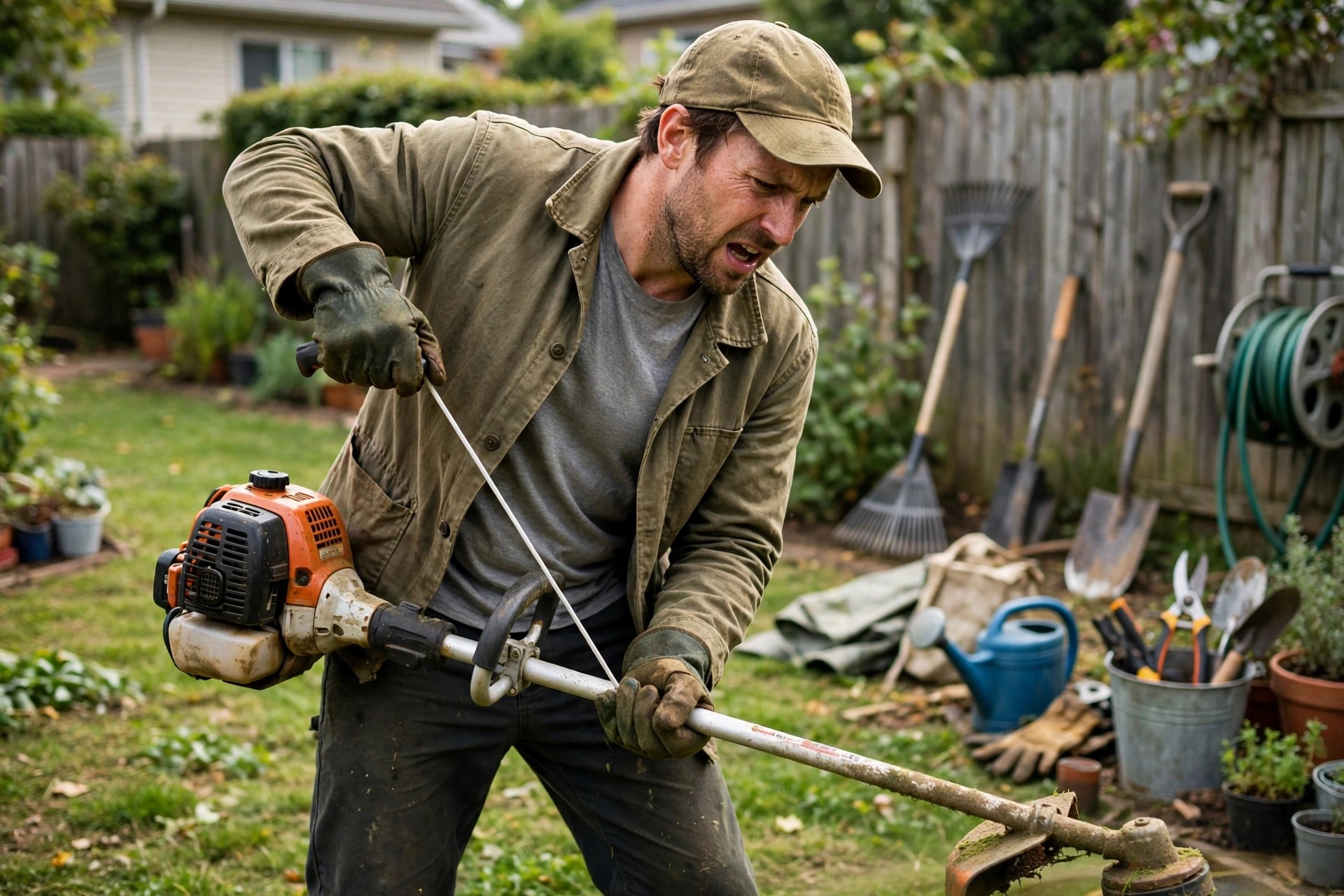
Start With the Fuel System
Old or contaminated fuel blocks many starting attempts. Drain every drop from the tank first carefully. Dispose of the old fuel properly and safely. Clean the tank thoroughly to remove all residue. Refill with fresh fuel recommended for your model.
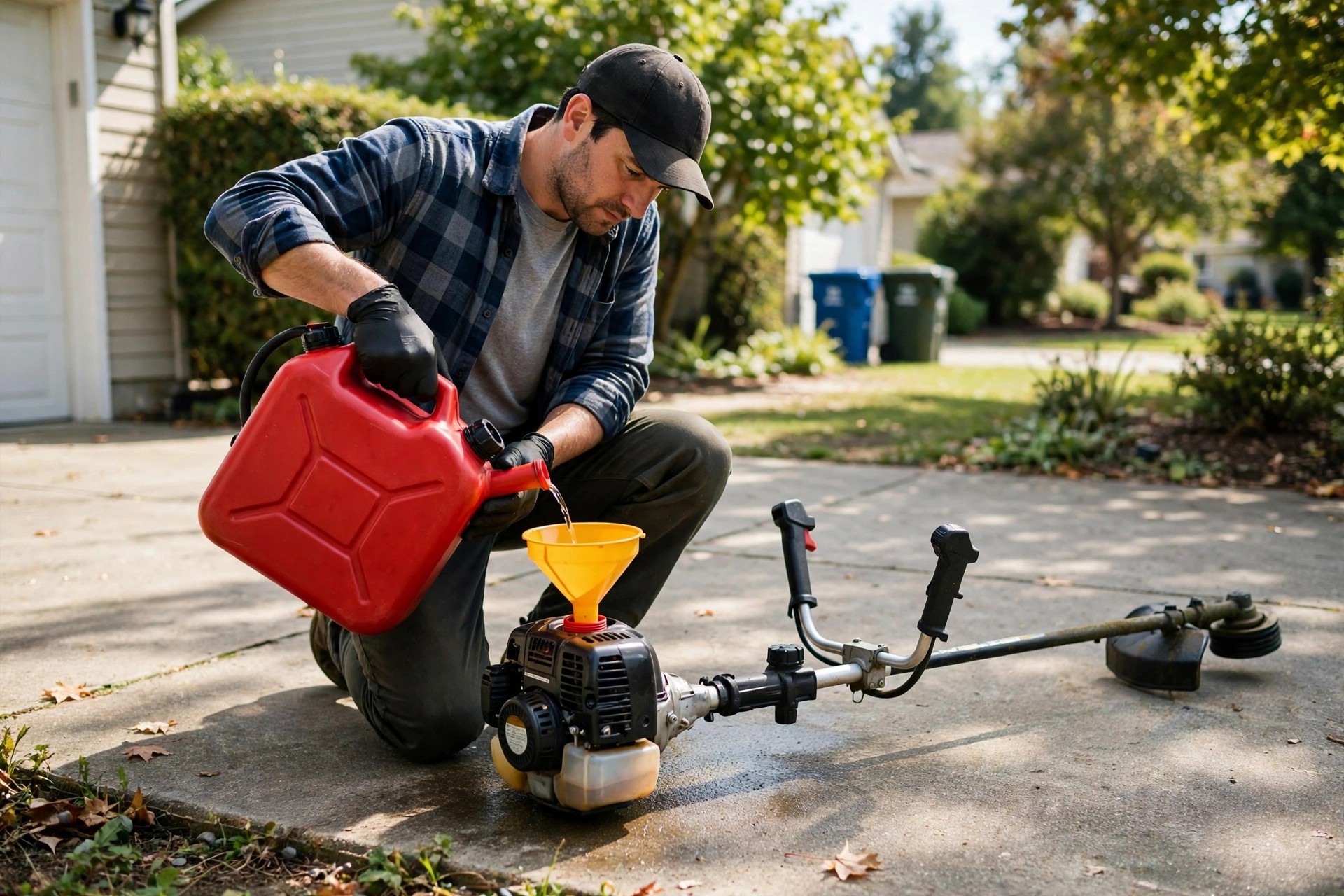
Always use fresh fuel for reliable engine performance. Stale fuel degrades during long storage periods quickly. It leaves residue that clogs small fuel passages. Fresh fuel prevents many frustrating starting problems entirely.
Check the Spark Plug and Air Filter
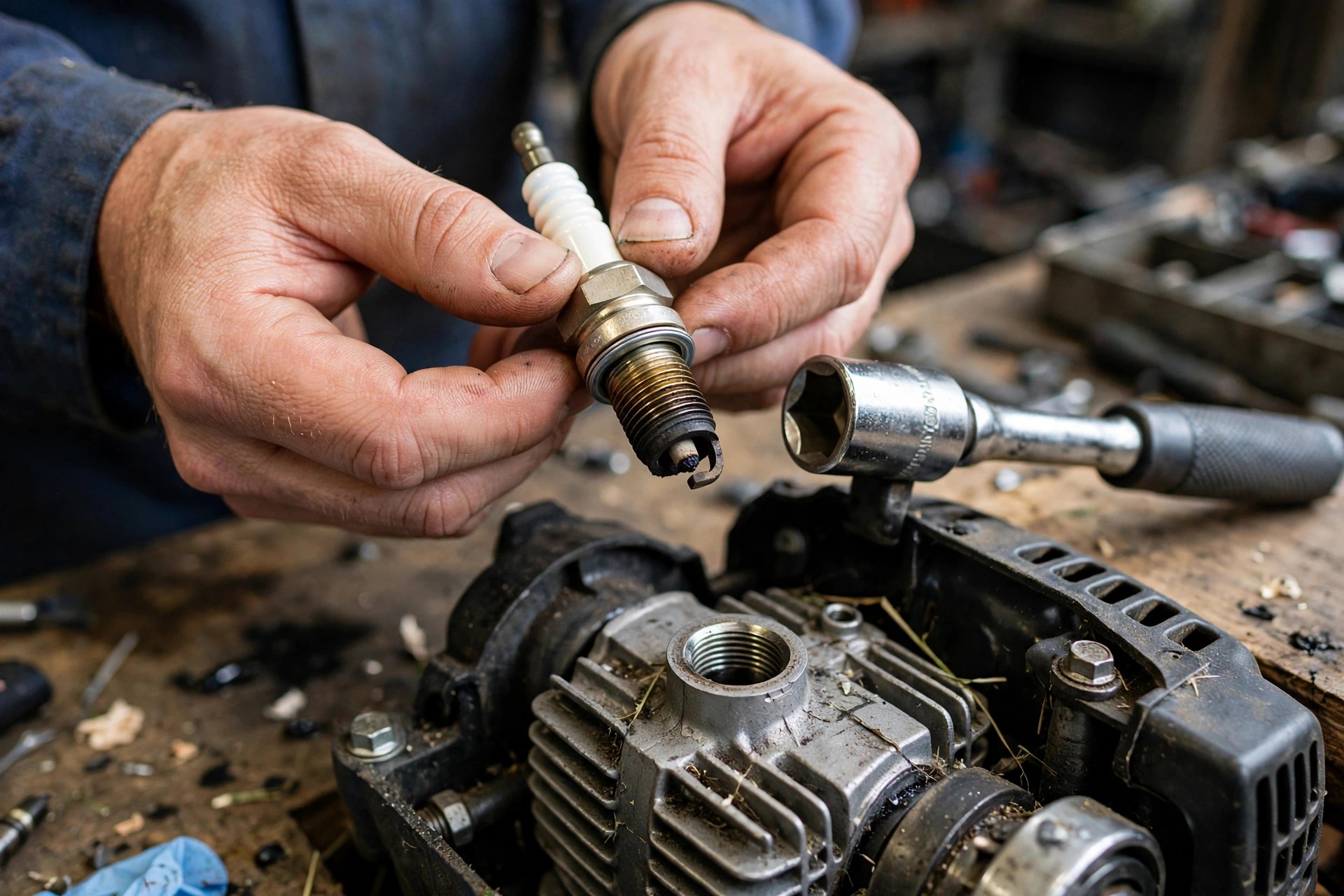
Disconnect the spark plug wire before removing it. Inspect the plug for cracks or worn electrodes. Carbon buildup also signals a plug needs replacing. Fit the correct new plug for your model. Reconnect the wire and try starting it again.
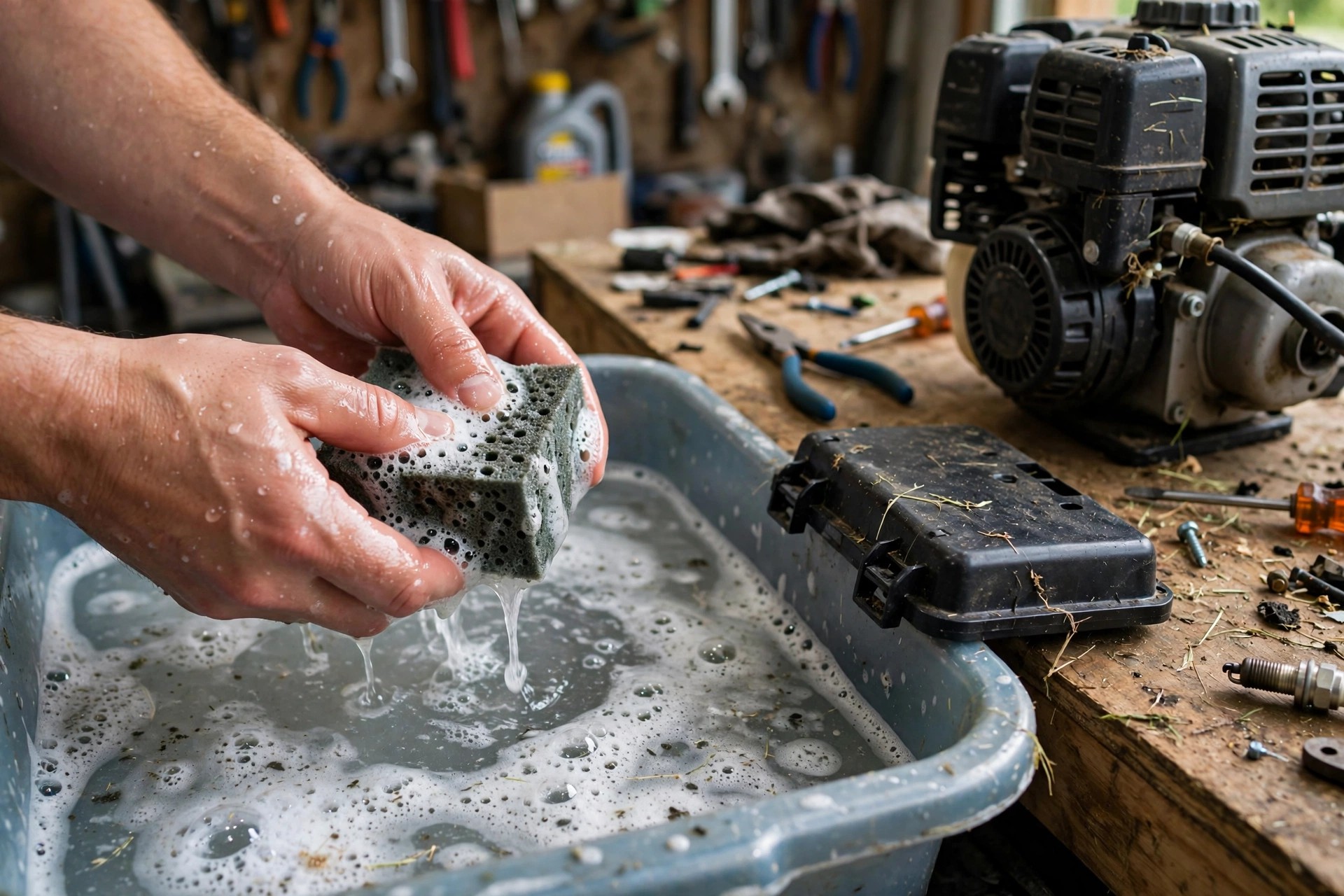
A clogged air filter starves the engine of air. Remove the filter and inspect it for dirt. Clean it with compressed air or soapy water. Let it dry completely before reinstalling it again. Replace any filter that stays damaged or dirty.
Inspect the Fuel Lines and Carburetor
Check every fuel line for clogs or damage. Cracked lines leak fuel and suck in air. Confirm the switch sits in the correct position. A wrong switch position stops any engine cold. Our string guide covers line replacement steps fully.
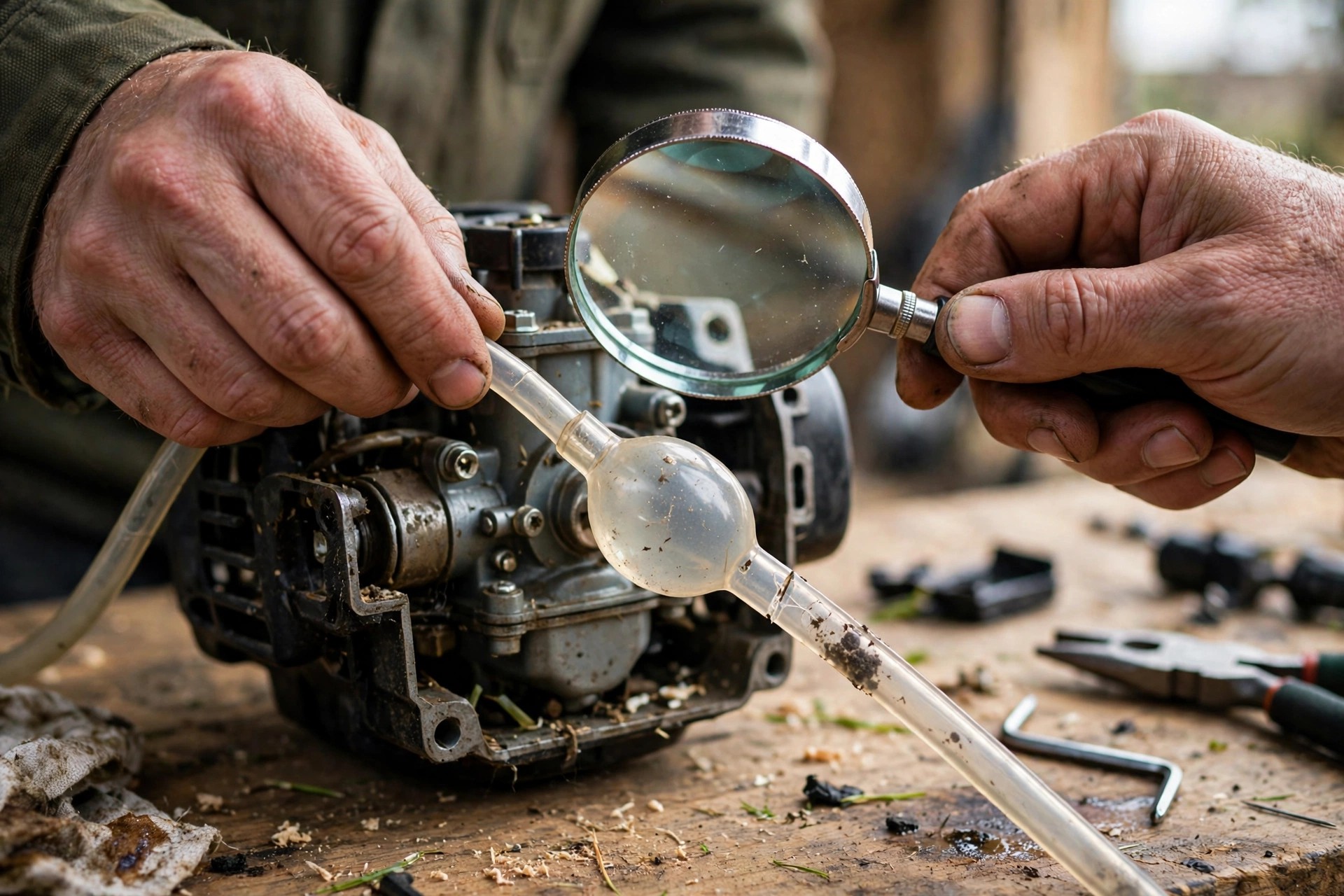
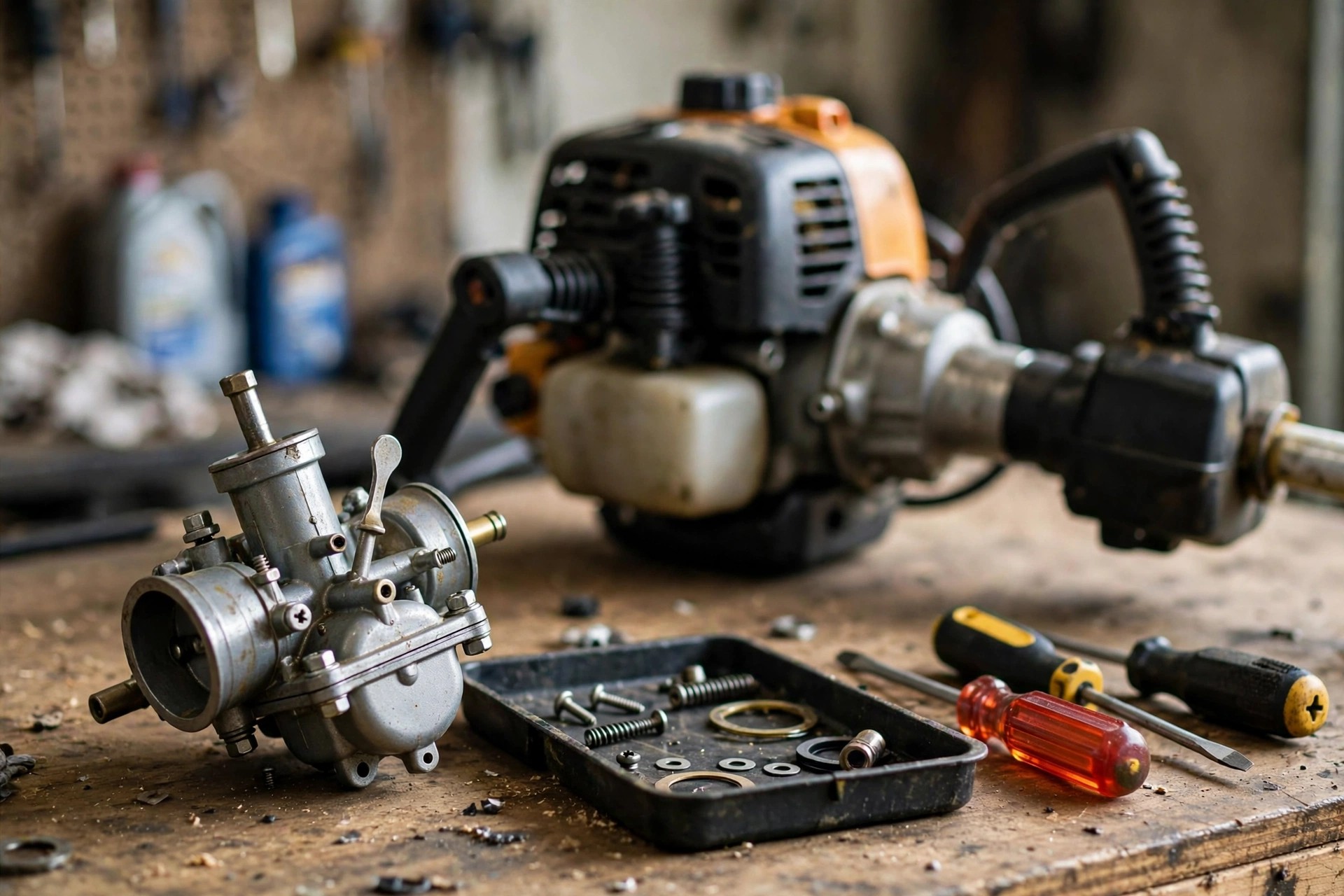
A dirty carburetor mixes fuel and air badly. Clean the carburetor with care and patience. Book a service if cleaning feels too advanced. The Wikipedia carburetor page explains how carburetors work.
| Cause | What the Post Recommends |
|---|---|
| Old or contaminated fuel | Drain the tank and refill with fresh fuel |
| Worn or dirty spark plug | Fit the correct new plug for the model |
| Clogged or damaged air filter | Clean it gently or replace it completely |
| Faulty ignition coil | Seek professional diagnosis and repair help |
| Blocked exhaust port | Seek professional diagnosis and repair help |
Starting Again After Winter Storage
Winter storage degrades fuel inside the tank slowly. Engine components also stiffen during long idle months. Drain old fuel and clean the fuel system. Check the spark plug and air filter condition. Inspect the carburetor, fuel lines, and ignition next.
Cordless models skip fuel checks entirely each season. Their batteries still lose charge during storage months. Our battery life guide explains cordless battery care.
When to Call a Professional
Some faults demand advanced troubleshooting and repair skills. A faulty ignition coil prevents any spark forming. A blocked exhaust port strangles the engine too. Our head change guide covers worn cutting heads. A small engine technician can diagnose stubborn faults.
Frequently Asked Questions
How do I check the spark plug?
First, disconnect the spark plug wire for safety. Then remove the spark plug from the trimmer. Inspect it for cracks or a worn electrode. Check for carbon buildup on the plug too. Replace it if the plug looks damaged or dirty.
What should I do if the fuel is old or contaminated?
Old fuel may prevent the engine from starting. Drain all the old fuel from the tank. Dispose of the old fuel properly and safely. Clean the fuel tank thoroughly of any residue. Refill with fresh fuel recommended for your trimmer.
How can I check the air filter?
The air filter keeps dirt from the engine. It clogs with dirt and debris over time. Remove it and inspect it for damage carefully. Clean it with compressed air or soapy water. Replace it if cleaning no longer restores it.
Why is the trimmer not starting after the winter season?
Long winter storage degrades the fuel inside slowly. Engine components can also become stiff while idle. Drain any old fuel from the tank first. Check the spark plug and air filter condition. Seek professional assistance if it still refuses starting.
What other factors can cause a trimmer to not start?
A faulty ignition coil can stop the spark. A blocked exhaust port can strangle the engine. A malfunctioning carburetor can prevent starting as well. These faults need advanced troubleshooting and repair skills. Your user manual lists model specific troubleshooting steps.
Regular upkeep prevents most starting problems from returning. Keep the trimmer clean between every single use. Inspect worn parts and replace them on time. Use the correct fuel mixture at every fill. Our line breaking guide explains repeated string failures.
Conclusion: How to Fix a Trimmer That Won’t Start
So, how to fix a trimmer that won’t start calmly? Work through fuel, spark, and airflow checks first. Most faults surface within these simple checks quickly. Replace worn parts instead of forcing damaged ones. Patience turns frustration into a running engine again.
Regular maintenance keeps future starting problems away longer. Clean parts and fresh fuel protect the engine. Professional help remains available for stubborn faults always. Small habits today prevent bigger repairs tomorrow morning. Your trimmer then serves reliably for many years.
