
Trimmer blades should be replaced every three months to ensure optimal performance and prevent uneven cuts. Regular maintenance, such as oiling and cleaning, can help extend their lifespan.
Trimmer blades are essential components of various grooming tools, from paper trimmers to lawn mowers. While some trimmers, like bypass trimmers, feature self-sharpening blades that don’t require replacement[2], others may need their blades to be replaced periodically for optimal performance.
In this blog, we’ll explore the factors that determine when to replace trimmer blades, the benefits of blade replacement, and the process of installing new blades. Whether you’re a professional stylist, a crafting enthusiast, or a homeowner with a lawn mower, this guide will provide you with the knowledge to maintain your trimmer blades and ensure a clean, precise, and efficient grooming experience.
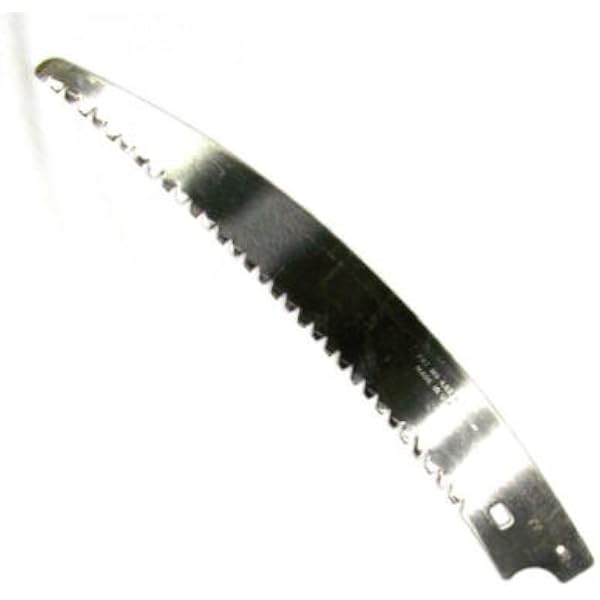
Credit: www.amazon.com
Signs that Indicate the Need for Blade Replacement
There are several telltale signs that indicate it’s time to replace your trimmer blades. One of the most obvious signs is a significant decrease in cutting performance. If you notice that your trimmer is struggling to cut through grass or leaving behind uneven patches, it may be a sign that the blades are dull or damaged. Additionally, if you start to see frayed or shredded grass instead of clean cuts, it’s a clear indication that your blades need immediate attention.
Another sign to look out for is excessive vibration or rattling while operating the trimmer. This could be a result of blades that have become loose or worn out. It’s crucial to address this issue promptly to prevent further damage to the trimmer or potential safety hazards. Lastly, inspect the blades for visible signs of wear, such as chips, nicks, or bent edges. These can all impact the quality of the cut and should be addressed by replacing the blades.
The Importance of Regular Blade Replacements
Regular blade replacements are not just a matter of maintaining the functionality of your trimmer; they also play a significant role in achieving optimal results. Dull or damaged blades not only compromise the quality of the cut but can also lead to uneven growth and unhealthy plants. By replacing the blades on a regular schedule, you ensure that your trimmer continues to operate efficiently, providing clean and precise cuts that promote healthy growth.
Moreover, regular blade replacements can help extend the lifespan of your trimmer. When blades become dull, the motor has to work harder to compensate for the lack of cutting power. This additional strain can lead to premature wear and tear on the motor and other components, potentially shortening the overall lifespan of the trimmer. By replacing the blades, you alleviate this strain and help maintain the longevity of your equipment.
How Often Should Trimmer Blades Be Replaced?
The frequency of blade replacements depends on several factors, including the type of trimmer, the frequency of use, and the type of vegetation being trimmed. As a general guideline, it is recommended to replace trimmer blades at least once a season or every 20-25 hours of use. However, if you notice any of the signs mentioned earlier, it’s important to address them promptly and replace the blades as needed, regardless of the time frame.
It’s worth noting that heavy use or working in challenging conditions, such as cutting through thick weeds or woody vegetation, may require more frequent blade replacements. Regularly inspecting the blades for wear and tear and monitoring the quality of the cut can help determine if replacement is necessary before the recommended time frame.
The Benefits of Replacing Trimmer Blades Regularly
Regularly replacing trimmer blades offers several benefits that go beyond just maintaining the functionality of the equipment. Firstly, sharp blades provide cleaner cuts, resulting in a more attractive lawn or garden. Clean cuts promote healthier growth, minimizing the risk of disease or pest infestation. By regularly replacing the blades, you ensure that your green spaces remain vibrant and well-maintained.
Secondly, sharp blades reduce the strain on the trimmer motor, leading to improved energy efficiency and extended battery life for cordless models. This not only saves you money on energy costs but also reduces the environmental impact of your trimming activities. Additionally, sharp blades require less effort to operate, reducing operator fatigue and making the task more enjoyable.
Lastly, regularly replacing trimmer blades helps prevent potential safety hazards. Dull blades can cause the trimmer to kick back or send debris flying, posing a risk to both the operator and bystanders. By keeping your blades sharp, you ensure a safer trimming experience for everyone involved.
Maintaining and Caring for Trimmer Blades
Proper maintenance and care can help extend the lifespan of your trimmer blades and delay the need for replacements. After each use, it’s important to clean the blades thoroughly to remove any grass clippings, dirt, or debris that may have accumulated. Use a brush or compressed air to clean between the teeth of the blade. Additionally, inspect the blades for any signs of damage and address them promptly to prevent further deterioration.
Regular lubrication is also crucial for maintaining the performance of your trimmer blades. Apply a thin layer of oil to the blades, ensuring that they are well-lubricated to minimize friction and prevent rust. Be sure to follow the manufacturer’s recommendations regarding the type of oil to use and the frequency of lubrication.
Finally, store your trimmer in a dry and secure location, away from moisture and extreme temperatures. This will help prevent rust and corrosion, ensuring that your blades remain in optimal condition for longer.
Where to Find Replacement Trimmer Blades
When it comes to finding replacement trimmer blades, there are several options available. Many hardware stores and home improvement centers carry a wide range of blades for different trimmer models. It’s important to know the make and model of your trimmer to ensure compatibility. Online retailers also offer a vast selection of replacement blades, often providing detailed product descriptions and customer reviews to help you make an informed decision.
If you’re unsure about which replacement blades to choose, consulting the manufacturer’s website or contacting their customer support can provide valuable guidance. They can provide specific recommendations based on your trimmer model and usage requirements, ensuring that you find the right blades for your needs.
Tips for Choosing the Right Replacement Blades
Choosing the right replacement blades for your trimmer is essential to achieve optimal results. Here are a few tips to help you make the right choice:
- Compatibility: Ensure that the replacement blades are compatible with your trimmer model. Check the manufacturer’s recommendations or consult their customer support for guidance.
- Quality: Invest in high-quality blades that are made from durable materials. While they may be slightly more expensive, they will provide better cutting performance and last longer, ultimately saving you money in the long run.
- Blade Type: Consider the type of vegetation you will be cutting. Different blade types are designed for specific purposes, such as grass trimming, weed cutting, or brush clearing. Choose blades that are suited to your intended use.
- User Reviews: Read customer reviews and ratings to get an idea of the performance and durability of the replacement blades. This can help you make an informed decision and avoid purchasing subpar products.
DIY Blade Replacement vs. Professional Blade Replacement
When it comes to replacing trimmer blades, you have the option of doing it yourself or seeking professional assistance. DIY blade replacement is a relatively straightforward process that can be done with basic tools, such as a socket wrench or blade removal tool. Most trimmers come with instructions on how to replace the blades, making it accessible to the average user.
However, if you’re not comfortable performing the replacement yourself or if you have a more complex trimmer model, it may be wise to seek professional blade replacement. Trimmer service centers or authorized dealers have the expertise and specialized tools to ensure a proper and efficient blade replacement. They can also provide additional maintenance services, such as blade sharpening or motor tuning, to keep your trimmer in top condition.
Frequently Asked Questions Of Do Trimmer Blades Need To Be Replaced
How Often Should You Change Trimmer Blades?
Trimmer blades should be replaced every three months. Factors such as usage, cleaning, and oiling can affect the lifespan of the blades. Regularly sharpening the blades can also prevent uneven cuts and snagged hair. Rust or hair pulling may indicate the need for new blades.
Do Trimmer Blades Get Dull?
Trimmer blades can get dull if not regularly oiled and cleaned. Most hair clippers have auto-sharpening features, but sharpening the blades when you notice problems can prevent uneven cuts and snagged hair. Generally, it is recommended to replace the blades every three months to ensure optimal performance.
How Long Should Grooming Blades Last For?
Trimmer blades should be replaced every three months to ensure optimal performance. Factors such as regular maintenance, oiling, and cleaning can impact the lifespan of the blades. If you notice rust or hair pulling, it’s time for new blades. Unlike a toothbrush, trimmer blades should last for years before needing replacement.
What Is The Life Expectancy Of A Trimmer?
Trimmer blades should last years before needing replacement. However, factors like rust or hair pulling may indicate it’s time for new blades. Regular maintenance, such as oiling and cleaning, can extend the lifespan of your trimmer blades.
Conclusion
Regular blade replacements are crucial for maintaining the effectiveness and longevity of trimmer blades. By being aware of the signs that indicate the need for blade replacement and adhering to a regular replacement schedule, you can ensure that your trimmer continues to provide clean and precise cuts, promoting healthy growth and maintaining the appearance of your green spaces.
Additionally, proper blade maintenance and care can help prolong the lifespan of your blades and delay the need for replacements. Whether you choose to perform the replacement yourself or seek professional assistance, the key is to prioritize the maintenance of your trimmer blades to achieve optimal results.
So, the next time you ask yourself, “Do trimmer blades need to be replaced?” remember the importance of regular blade replacements in keeping your trimmer in top shape.

I’m Patricia D. Johnson, an affiliate marketer and blogger specializing in trimmers and grooming tools. I create honest reviews, buying guides, and practical tips to help readers choose the right trimmer for their needs. With a focus on quality, performance, and value, I simplify the decision-making process so consumers can make confident purchases.