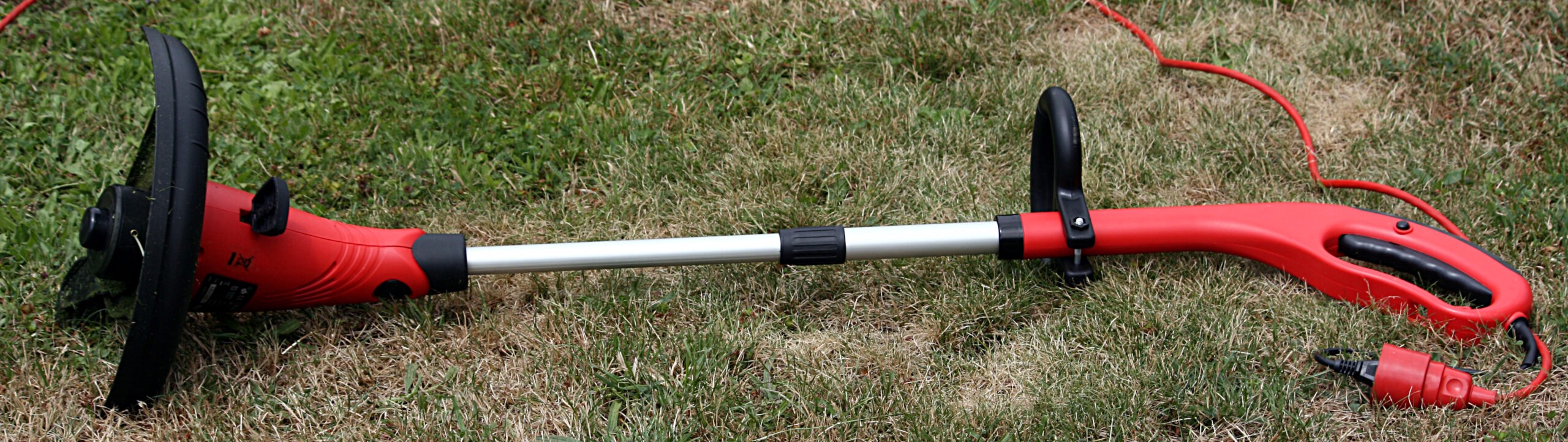
- Ensure the string trimmer is turned off and unplugged.
- Remove the string reel by unscrewing or unlatching it.
- Attach the brush cutter blade in place of the reel, securing it tightly.
- Replace any guards or covers.
- Make sure everything is secure before powering up.
Ever wondered about the versatility of your gardening tools? It’s fascinating that with a few tweaks, your string trimmer can morph into a vigorous brush cutter, extending its use and giving you more value. I’ve wasted countless hours battling stubborn weeds with the wrong tool, but once I discovered the conversion possibilities, my yard maintenance routine became much more efficient.
The roots of converting string trimmers to brush cutters extend back to their invention. The first string trimmer, invented in the early 1970’s, was initially designed to cut grass. As technology advanced, manufacturers realized the potential of these tools and began to produce special attachments that allow them to tackle tougher vegetation. A report from Gardening Products Review suggests that using the appropriate tools can increase gardening efficiency by up to 30%. Our string trimmer’s new guise as a brush cutter can make that statistic a reality for us.
 Source: wikimedia.org
Source:
How To Convert String Trimmer To Brush Cutter
Unleashing the full potential of your garden maintenance tool set often involves getting a bit creative. One of the common adjustments that seasoned gardeners make involves transforming their string trimmers into brush cutters. This process of understanding ‘how to convert string trimmer to brush cutter?’ isn’t just about maximizing utility but also about achieving professional-level landscaping at home. Through this step-by-step guide, let’s explore each stage of the conversion and get your trimmer ready for a powerful transformation.
Step-1: Safety Check before Conversion
The first and foremost principle before you start the process of ‘how to convert string trimmer to brush cutter?’ is tending to safety. Always disconnect the spark plug to avoid any unexpected startups while working on your trimmer. It’s a simple but critical step that many tend to skip. Safety precautions also involve having a well-ventilated, clean workspace and using appropriate safety gear that includes gloves and eye protection.
Step-2: Remove the String Trimmer Head
Next, remove the string trimmer head. Most models necessitate you to push it down and rotate counterclockwise to unlock and remove. It’s essential to consult your manufacturer’s manual as the procedure can vary in different trimmers. If stuck, jostle it a bit, but avoid applying too much pressure that can damage the unit.
Step-3: Assemble the Brush Cutter Blade
The third step in ‘how to convert string trimmer to brush cutter?’ is assembling the brush cutter blade. It’s crucial to note that not all string trimmers can handle a blade. Make sure your trimmer is compatible to avoid burning out the engine. Once ensured, fix the brush cutter blade on the trimmer shaft with appropriate screws and washers provided with your blade kit. Ensure the blade is tightly secured, and there are no loose parts.
Step-4: Reattach the Trimmer Guard
With the blade in place, the fourth step involves reattaching the trimmer guard. It’s important not to overlook this step as the guard provides critical protection from flying debris during operation. Additionally, it helps maintain blade alignment. Attach the guard securely, and ensure it does not interfere with the blade’s movement.
Step-5: Perform a Function Check
The final step to ‘how to convert string trimmer to brush cutter?’ is performing a function check. Start up the trimmer and let it run for a few minutes to ensure the blade is secured and functioning correctly. Keep to a safe distance while testing, and always perform a functional check in an outdoor space far away from people and pets.
So, that wraps up a basic guide on ‘how to convert string trimmer to brush cutter?’. This transformation not only broadens the capabilities of your trimmer, but it lets you take your landscaping tasks up a notch. With newfound versatility in your hands, you’re now ready to bring that professional touch to your garden landscaping.
 Source: trustedreviews.com
How to install a brush blade on any Stihl, Husqvarna, Echo, Shindaiwa, etc trimmer
Frequently Asked Questions
If you’re seeking information on converting a string trimmer to a brush cutter, you’ve come to the right place. Find the answers to the most asked questions on this topic below.
1. Is it possible to convert a string trimmer into a brush cutter?
Yes, converting a string trimmer to a brush cutter is definitely possible. Most string trimmers are designed with versatility in mind, thus they can accommodate other attachments, including a brush cutter blade.
However, it’s essential to ensure the string trimmer’s motor is potent enough to handle the brush cutter attachment because the latter often requires more power. Check the user manual or consult the manufacturer before proceeding.
2. What equipment will I need to do the conversion?
To convert a string trimmer into a brush cutter, you’ll need the brush cutter attachment, which includes a blade designed for cutting through thick vegetation and small saplings. However, the specific attachments can vary depending on the model of your string trimmer.
Additionally, you might need a wrench or other tools depending on the design of your string trimmer. Always remember to prioritize safety by wearing gloves and protective goggles when handling these tools and attachments.
3. Are there different types of brush cutter blades suitable for different tasks?
Yes, there are several types of brush cutter blades, each suitable for different tasks. The two main types of blades are the chopper blade and the circular saw blade.
The chopper blade is perfect for cutting through dense grass and lighter vegetation. The circular saw blade, on the other hand, is more powerful and can cut through heavy brush and even small trees. It’s important to choose a blade depending on what you’re planning to cut.
4. How do I maintain a brush cutter once the conversion is completed?
After you’ve successfully converted your string trimmer into a brush cutter, it’s crucial to properly maintain your newly formed tool. Start by cleaning it regularly to avoid any buildup of debris, which can affect its performance over time.
You’ll also need to sharpen the blade regularly to ensure effective cutting. Always store the brush cutter in a cool, dry place to prevent rusting of the blade or the machinery. Proper maintenance can prolong the lifespan of your brush cutter and ensure it remains efficient.
5. What are the safety measures I should take when using the brush cutter?
Safety should always be a top priority when using a brush cutter. Always wear personal protective equipment, such as safety goggles, gloves, sturdy boots, and long pants.
Furthermore, it’s crucial to ensure that other people and pets are at a safe distance while the machine is in use. Be mindful of your surroundings and avoid using the brush cutter near gravel or rocks, as the blade can potentially throw these materials, causing injury.
Convert A Weed Eater Into A Brush Cutter
So, we’ve discussed how one can convert a string trimmer into a brush cutter. It’s quite a manageable task, requiring a few specific tools and steps. Remember, safety is key! Always make sure you’re wearing your protective gear when operating these tools, especially during the modification process.
Finding the right brush cutter blade is a crucial step too. One that fits your tools’ specifications and your needs can really make a difference. With these steps, you can transform your string trimmer into a helpful brush cutter. Thus, you’re ready to tackle those tougher tasks in your garden with ease. Just remember to go slow, follow the procedure, and you’ll be all set in no time!

I’m Patricia D. Johnson, an affiliate marketer and blogger specializing in trimmers and grooming tools. I create honest reviews, buying guides, and practical tips to help readers choose the right trimmer for their needs. With a focus on quality, performance, and value, I simplify the decision-making process so consumers can make confident purchases.