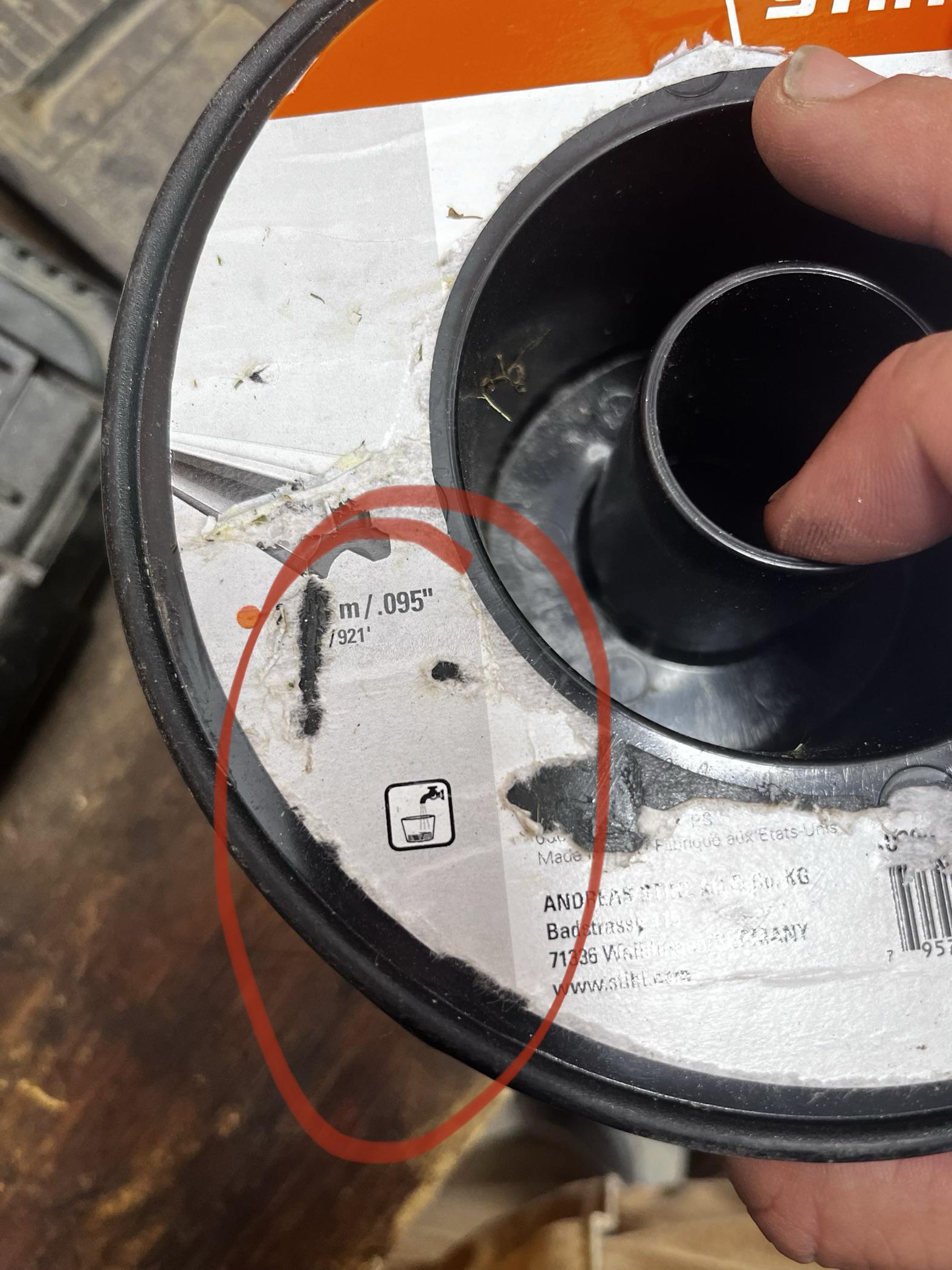
Ever found yourself struggling with brittle, easily snapping trimmer lines while maintaining a pristine lawn? There’s an intriguing yet simple trick that garden enthusiasts and professionals swear by: soaking trimmer lines in water. This practice might seem unusual, but it’s grounded in improving the material’s performance and durability.
Historically, trimmer lines are made from nylon, a material that can lose its moisture content over time. When nylon absorbs water, it regains flexibility, reducing the chances of breakage during use. According to some garden tool experts, soaking trimmer lines for 24 hours can extend their life by up to 30%. This makes it a small but effective measure to ensure efficient and smooth trimming operations.
Source:
Reasons to Soak Trimmer Line in Water
Soaking trimmer line in water might seem odd, but it greatly enhances its flexibility. Nylon, the material most trimmer lines are made from, tends to dry out over time. When it loses moisture, it becomes brittle and snaps much easier under tension. By soaking the line in water, you allow it to reabsorb moisture, making it more pliable and durable. This simple step can extend the life of your trimmer line significantly.
Another compelling reason for soaking is to ensure smoother trimming. A more flexible line bends and adapts better to the contours of grass and weeds, reducing breakage. This ensures continuous and efficient trimming. As a result, you spend less time replacing the line and more time getting the job done. According to this article, a hydrated trimmer line can also minimize the risk of sudden snaps, which can be frustrating during extensive trimming tasks.
The soaking process itself is very straightforward. You simply need to immerse your trimmer line in a bucket of water for 24 hours before use. For those who use their trimmers frequently, it might be wise to keep a section of line soaking at all times. This way, you’re always ready with a hydrated line, making your trimming tasks less of a hassle.
But what happens if you don’t soak the line? Without proper hydration, the line can break often and become inefficient. Frequent breaks mean more interruptions in your work and increased costs due to frequent replacements. As stated in here is the article, maintaining your equipment, including steps like soaking the line, can improve your overall trimming experience. This small step can save both time and money in the long run.
Improving Flexibility and Durability
Soaking your trimmer line in water noticeably enhances its flexibility. When trimmer lines become dry, they often turn brittle and lose the ability to bend without breaking. This leads to frequent interruptions during trimming tasks. However, a hydrated line bends easily around obstacles like rocks or fence posts. This reduces the chance of it snapping mid-task, ensuring a smoother trimming process.
Durability is another key benefit of soaking trimmer lines in water. A line that absorbs moisture will last longer under constant use. Studies show that hydrated lines can withstand more wear and tear. Therefore, they need fewer replacements, which saves money over time. According to this post, soaking the trimmer line can extend its life significantly.
This process is especially crucial in hot and dry climates. In such environments, trimmer lines tend to dry out faster. By keeping the line soaked, its moisture level remains balanced. This means the line stays flexible and durable, no matter the external conditions. It makes the task less frustrating and more efficient.
For those curious about the process, simply soak the line in water for about 24 hours. Here are the steps to follow:
- Coil the trimmer line neatly.
- Place it in a bucket or container of water.
- Leave it to soak for a full day before your next use.
Hydration will extend the life and enhance performance of your trimming equipment.
The Role of Nylon in Trimmer Lines
Nylon is the material most commonly used in trimmer lines, and for good reason. It’s both durable and flexible, characteristics that make it perfect for the demands of lawn care. Nylon can withstand high-speed spinning without easily breaking. This allows it to slice through grass and weeds efficiently. Unlike other materials, nylon maintains its integrity over multiple uses.
One of the standout features of nylon is its ability to absorb moisture. When nylon absorbs water, it becomes more pliable and resistant to snapping. This capability is especially important for trimmer lines that can dry out and become brittle. Moisture-absorbing nylon helps to maintain consistency in performance. Frequent soaking can keep the line in optimal condition for a longer time.
Furthermore, nylon is also resistant to various environmental stresses. It doesn’t degrade quickly under sunlight, making it suitable for outdoor use. Even in harsh weather conditions, nylon remains effective. This resilience minimizes the need for frequent replacements. Therefore, the use of nylon contributes significantly to the longevity and reliability of trimmer lines.
Besides its mechanical benefits, nylon is economical. Due to its lasting properties, you get more cycles out of each line. Here are some key benefits of nylon trimmer lines:
- High durability
- Flexibility with water absorption
- Resistance to environmental factors
- Cost-effectiveness over time
These attributes make nylon the preferred choice for many professionals and home gardeners alike.
Process of Soaking Trimmer Line in Water
The process of soaking trimmer line in water is simple yet effective. To start, you need a container large enough to submerge the line completely. Any bucket or large bowl works perfectly. The next step is to fill the container with water. Ensure the water covers the line entirely for the best results.
Once the trimmer line is submerged, let it soak for at least 24 hours. This duration allows the nylon to absorb enough moisture to become flexible again. For optimal results, you can let the line soak for up to 48 hours. This extended period helps maximize the moisture absorption. Frequent users should keep an extra line soaking, so it’s always ready.
After soaking, it’s important to dry the line slightly before use. You don’t need to leave it out for too long—just enough to remove excess water. This step ensures that the line is hydrated but not dripping wet, which can affect performance. You can then wind the line back onto the spool for use. Your trimmer will now be ready for efficient and smooth operation.
Some tips can further enhance this process.
- Replace the soaking water if it becomes dirty.
- Keep the container covered to prevent debris from falling in.
- Use a flexible container to help easily fit various line lengths.
By following these simple tips, you can maintain a high-performance trimmer line.
For those in hotter climates, soaking can be especially beneficial. Excessive heat tends to dry out nylon faster. Thus, frequent soaking becomes a necessary task. By maintaining a regular soaking schedule, the trimmer line remains flexible and durable, ensuring less breakage.
The Impact of Soaked Trimmer Lines on Trimming Operations
Soaking trimmer lines in water significantly impacts trimming operations by improving the efficiency of the equipment. A hydrated trimmer line is more flexible, which allows it to bend around obstacles without breaking. This reduces downtime caused by frequent line replacements. The time saved means you can complete trimming tasks faster and with less frustration. Additionally, a more flexible line provides cleaner cuts and a more uniform finish.
Cost savings are another major advantage. Trimmer lines that soak in water last longer, reducing the need for frequent replacements. This prolongs the life of the line and minimizes expenses, which is especially beneficial for commercial lawn care services. By reducing the frequency of purchases, you can allocate resources to other essential tools and supplies. Thus, a simple soaking routine translates to better financial efficiency.
Enhanced safety is also a crucial benefit. Brittle, dry trimmer lines are more prone to snap, sending small fragments flying. This could pose a safety risk to the operator and bystanders. When the line is supple and hydrated, it tends to be more stable and breaks less often. This reduces the chance of accidents, making the work environment safer for everyone involved.
Improved performance in varying weather conditions is another positive impact. In hot climates, nylon lines dry out quickly, becoming brittle. Soaking them ensures that they remain effective regardless of the temperature. This adaptability is essential for maintaining consistent performance throughout different seasons.
User satisfaction is generally higher with soaked lines. The smoother operation and fewer interruptions mean tasks are completed more enjoyably. Feedback from users often highlights the reduced effort and frustration. Trimming becomes less of a chore and more of a streamlined activity.
Frequently Asked Questions
Trimmer line maintenance can significantly improve the effectiveness and durability of your equipment. Here are some commonly asked questions related to this topic.
1. How long should I soak my trimmer line?
You should soak your trimmer line for at least 24 hours to ensure it absorbs enough moisture. This allows the nylon to become flexible and durable, which helps prevent breakage during use.
If you use your trimmer frequently, consider keeping a section of the line soaking all the time. This way, you’ll always have a ready-to-use, hydrated piece when needed.
2. Can soaking the trimmer line reduce its breaking frequency?
Yes, soaking the trimmer line can significantly reduce its breaking frequency by making it more flexible and resilient. A moist nylon line doesn’t snap as easily as a dry one, allowing for smoother and uninterrupted trimming sessions.
This simple step also enhances cutting efficiency, saving you both time and frustration while performing lawn care tasks.
3. What other benefits come from using a soaked trimmer line?
A soaked trimmer line offers better performance, cost savings, and enhanced safety. Soaking reduces frequent replacements and minimizes costs while also ensuring cleaner cuts through grass.
Additionally, less breakage means fewer flying fragments during use, reducing potential safety risks for both operators and bystanders.
4. Does weather impact how often I should soak my trimmer line?
Yes, weather conditions do impact how often you should soak your trimmer line. In hot or dry climates, nylon dries out faster; thus more frequent soaks are necessary to maintain flexibility.
An ideal schedule might involve soaking your line after every few uses. This ensures that it stays pliable regardless of environmental conditions.
5. What type of container should I use for soaking my trimmer line?
You can use any container large enough to fully submerge the trimmer line in water, such as a bucket or large bowl. Ensure that the entire length is under water for best results.
For convenience with various lengths of lines, using a flexible container can be quite helpful in fitting them easily without tangling or crimping issues.
Conclusion
Soaking your trimmer line in water is a straightforward yet effective way to enhance its performance. This practice ensures that the nylon remains flexible and durable, reducing the frequency of breaks. Consequently, you’ll experience smoother and more efficient trimming operations, saving both time and money.
By incorporating this simple step into your maintenance routine, you can significantly improve the longevity and reliability of your trimmer line. The added benefits of better cutting efficiency and enhanced safety make it a valuable habit for any lawn care professional. Embrace this tip, and notice the positive impact on your trimming tasks.

I’m Patricia D. Johnson, an affiliate marketer and blogger specializing in trimmers and grooming tools. I create honest reviews, buying guides, and practical tips to help readers choose the right trimmer for their needs. With a focus on quality, performance, and value, I simplify the decision-making process so consumers can make confident purchases.