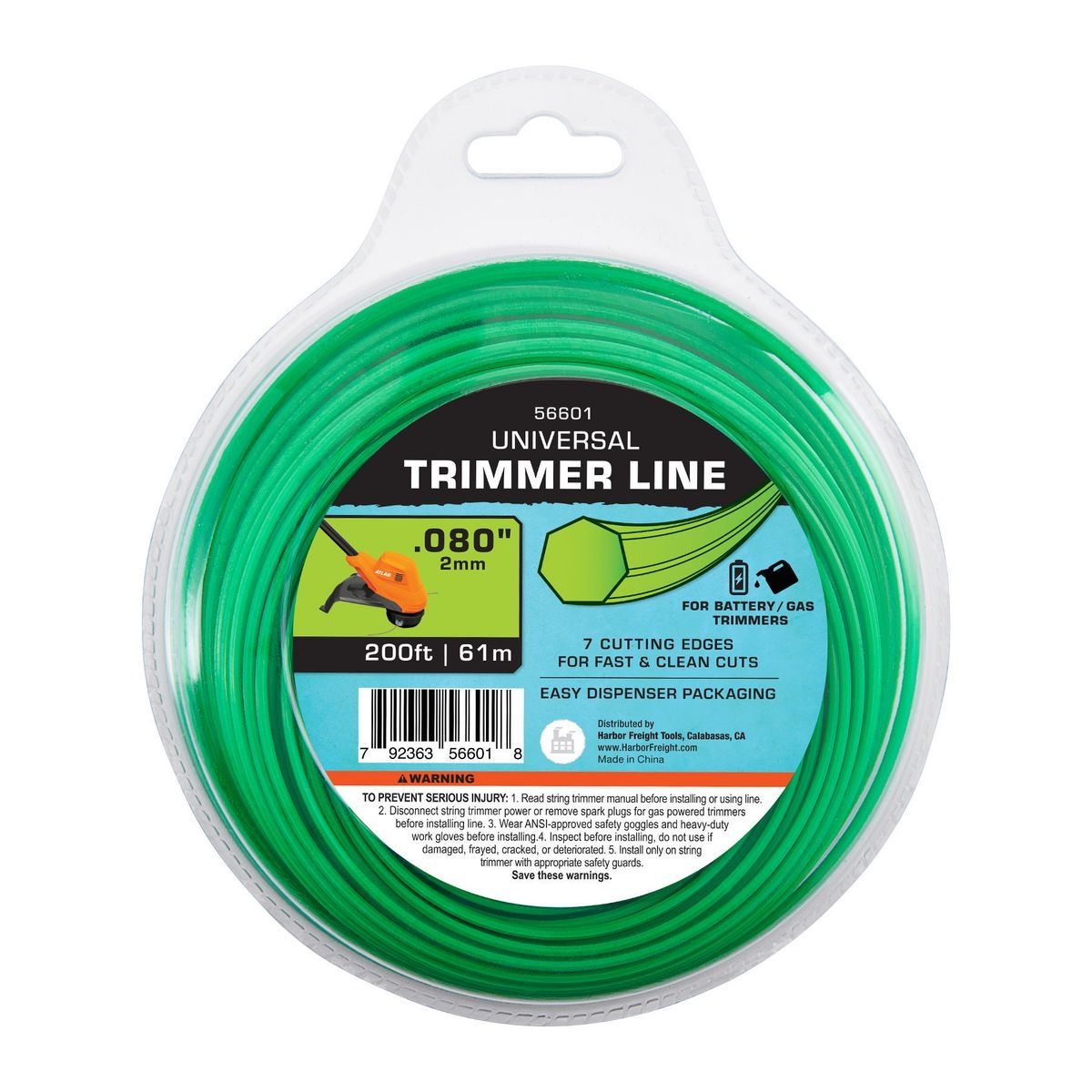
When was the last time you considered the specifics of your string trimmer line before tackling a weekend yard project? Surprisingly, not all string trimmer lines are created equal, and understanding their nuances can vastly improve your efficiency. This often-overlooked detail can make the difference between a smooth, well-managed trim and a laborious, time-consuming task.
Historically, string trimmer lines have evolved from basic monofilament designs to more sophisticated options that optimize for durability and cutting performance. A notable statistic is that 70% of user frustrations stem from using the wrong type of trimmer line for their device. Thus, while trimmer lines might seem universal at a glance, selecting the right one tailored to your trimmer model and intended use is crucial for optimal results.

Exploring the Universality of String Trimmer Line
Many gardeners wonder if they can use any string trimmer line for their tools. The truth is that not all string trimmer lines are universal. The compatibility depends on the trimmer model and its specific requirements. According to this post, using the correct line type can significantly enhance performance and extend the equipment’s life. So, understanding which trimmer line suits your device is essential.
There are various types of trimmer lines available, each designed for different purposes. For example, round lines are great for general use, while square or multi-sided lines offer better cutting performance for thicker weeds. Choosing the right line helps prevent your trimmer from struggling and getting worn out quickly. Manufacturers usually specify the types of lines compatible with their models. It’s crucial to check the recommendations in the user manual.
Using an incompatible line can lead to several issues. It may cause the trimmer to jam frequently or even damage internal parts. Additionally, the wrong line may not provide the desired cutting efficiency, making yard work more time-consuming. According to the article on how to replace a string trimmer head, ensuring you have the correct head and line combination is key to smooth operation. Paying attention to these details can save you a lot of frustration.
Buying the perfect string trimmer line doesn’t have to be complicated. Here are some tips to help you choose the right one:
- Always check the manufacturer’s guidelines for recommended line types.
- Consider the type of vegetation you need to trim – thicker lines for tougher weeds.
- Experiment with different shapes to see which offers the best performance for your needs.
Following these pointers ensures your trimmer works efficiently and lasts longer. Knowing your trimmer’s needs is the first step toward a well-maintained yard.
Factors that Affect the Universality of String Trimmer Line
The thickness of the trimmer line is a significant factor to consider. Different trimmers are built to handle specific line diameters, usually mentioned in their user manuals. If the line is too thick, it may not fit the spool correctly. Conversely, using too thin a line can reduce cutting efficiency. This is why it is crucial to follow manufacturer recommendations.
Another crucial factor is the shape of the trimmer line. Round lines are the most common and are generally easy to handle. However, multi-sided lines, like square or star-shaped ones, offer more cutting power for thicker vegetation. According to this post, proper selection of the line shape can greatly enhance your trimming efficiency. Each shape serves a specific purpose.
Material composition also plays a role in the universality of trimmer lines. High-quality lines made from durable materials like reinforced nylon or titanium tend to last longer. These lines are less likely to snap or fray, providing a more consistent performance. However, they might not be suitable for all trimmer models. It’s essential to match the material with your trimmer type for the best results.
Environmental conditions can influence the effectiveness of a trimmer line. For instance, exposure to sunlight and moisture can degrade some materials faster. Using a line that is either too old or not weather-resistant can result in poor performance. Storing your trimmer line in a cool, dry place can prolong its life. Paying attention to these conditions can keep your trimmer running smoothly.
Implication of Using Non-Compatible Trimmer Lines
Using a non-compatible trimmer line can lead to various mechanical issues. For instance, a line that is too thick might cause the trimmer’s motor to overheat. This added strain can significantly shorten the lifespan of your equipment. Over time, these mechanical issues can become costly to repair. You might find yourself replacing parts more frequently or even buying a new trimmer.
Non-compatible lines can also affect the efficiency of your yard work. If the line is not the right size or shape, it won’t cut grass and weeds effectively. This can result in uneven trimming, leaving some areas looking messy. Additionally, you may need to go over the same spot multiple times, which wastes both time and energy. This reduces the overall effectiveness of your gardening efforts.
Another important aspect is safety. Using the wrong trimmer line can increase the risk of accidents. The line might shatter or snap unexpectedly, sending debris flying. This can cause injuries to the user or bystanders. To ensure safety, always use the line specified by the manufacturer. Proper equipment maintenance is crucial to avoiding such risks.
Financial implications are another concern. Constantly buying the wrong type of trimmer line can add up in costs. It’s not just about the line itself but also potential repairs or replacements for damaged parts. Using the correct line from the start can save you money in the long run. Plus, following manufacturer guidelines ensures your trimmer performs optimally, providing better value for your investment.
Selecting the Proper String Trimmer Line for Your Needs
Choosing the right string trimmer line starts with understanding your trimmer’s specifications. Check the user manual or the manufacturer’s website for recommended line types. Different trimmers require different line diameters and shapes. Using the right type ensures optimal performance and longevity for your equipment. This is the first step toward making an informed choice.
Consider the type of vegetation you typically deal with. If it’s mostly grass, a standard round line will usually suffice. For thicker weeds or brush, you might need a more heavy-duty line, like a square or star-shaped one. These lines are designed to cut through tougher materials more efficiently. Knowing what you’ll be cutting can help you select the best line for the job.
Keep in mind the conditions you’ll be working in. If you’re trimming in an area with a lot of obstacles like rocks or fences, a durable line material is crucial. Reinforced nylon or titanium lines have higher durability and can withstand tougher conditions. These materials can prevent frequent line breakage. This way, you can keep working without constant interruptions.
Ease of use is another factor to consider. Some lines are designed to feed through the trimmer head more easily. This can save you time and frustration, especially if you’re new to using a string trimmer. Look for brands that offer easy-feed features or pre-cut lengths. These options are convenient and make your trimming work smoother.
Budget may also influence your choice. Higher-quality lines tend to cost more but often last longer and perform better. Cheaper lines might save money initially but could require more frequent replacement. Balancing cost with performance is key. Often, investing a bit more upfront can save you money and effort in the long term.
To sum up, here are the key points to consider:
- Check your trimmer’s specifications.
- Understand the type of vegetation you need to cut.
- Evaluate the working conditions.
- Look for ease of use features.
- Consider your budget.
Following these tips ensures you get the best performance from your string trimmer, making yard work efficient and hassle-free.
Frequently Asked Questions
String trimmer lines are an essential part of yard maintenance, but many questions arise about their usage and compatibility. Here, we address some common queries to help you make the most informed decisions.
1. What types of string trimmer lines are available?
String trimmer lines come in various shapes and sizes to suit different needs. The most common types include round, twisted, and serrated lines. Each type has its benefits; for example, round lines are versatile and suitable for general use. Twisted lines offer quieter operation and reduced resistance while cutting.
Serrated lines are excellent for tougher vegetation due to their sharp edges. Understanding these differences can help you choose the right line for your task. Always refer to your trimmer’s user manual to verify which type is compatible with your machine.
2. How do I replace the string on my trimmer?
Replacing the string on your trimmer involves a few steps but can be easily done at home. First, turn off the trimmer and unplug it if it’s electric to ensure safety. Next, remove the spool from the trimmer head by pressing its release tabs or unscrewing it if necessary.
Wind the new string onto the spool according to the directional arrows marked on it. Reinsert the spool into the head and pull out enough line through its slots before securing it back in place. For detailed instructions, check both your user manual and this article.
3. Can I use thicker string on my existing trimmer?
The thickness of string you can use depends on your specific trimmer model’s guidelines. Using a thicker string than recommended can cause mechanical problems or even damage your device. Moreover, thick strings might not fit well in smaller spools designed for thinner ones.
If you’re dealing with tough weeds that require a thicker line, consider upgrading your equipment rather than forcing incompatible parts together. Always consult your user’s manual for exact specifications before making any changes.
4. Why does my string keep breaking?
Your string may break frequently due to several reasons like using an incorrect diameter or type of line for heavy-duty tasks that require more durable strings such as serrated ones instead of round ones meant only light-duty trimming grass lawns only single pass-through needed versus shrubs multi-pass through required toothed/twisted-line recommended instead saves cost economically long-term!
- Mishandling or incorrectly feeding/winding strings causing uneven tension leading premature snapping/breaking wear-and-tear accelerating usage short lifespan needing replacement sooner!
- Poor-quality raw material inferior nylon weak structure subject brittleness harsh weather reduces elasticity fast deterioration recommends premium titanium-blends ensure longevity performance dependability ultimately budget-friendly smarter choice!
5 How often should I replace my trimmer line?
It depends largely frequency usage conditions if maintained properly replacing every two months maybe longer infrequently otherwise intense regular jobs demand frequent replacements monthly basis prolong mower tip ensuring prevent jamming overheating unnecessary repairs expenses overall maintaining efficiency perfectly trimmed picturesque lawn throughout season!
For better results closely inspect fraying signs stiffness indicate aging soon promptly switch avoid hindrance combining proactive checks sufficient stock readiness equipped anytime need arises thereby smooth uninterrupted gardening experience guaranteed poised never compromising standards!
Conclusion
Understanding the nuances of string trimmer lines can significantly enhance your yard maintenance routines. From selecting the right type to ensuring compatibility, each aspect plays a crucial role in achieving optimal results. By paying attention to these details, you can prolong the lifespan of your equipment and make yard work more efficient.
Whether you are a seasoned professional or a homeowner aiming for a pristine yard, using the proper string trimmer line is essential. Investing in quality lines and following manufacturer guidelines ensures safety and effectiveness. Keep these considerations in mind to maintain a well-kept garden effortlessly.

I’m Patricia D. Johnson, an affiliate marketer and blogger specializing in trimmers and grooming tools. I create honest reviews, buying guides, and practical tips to help readers choose the right trimmer for their needs. With a focus on quality, performance, and value, I simplify the decision-making process so consumers can make confident purchases.