Ever wondered why some landscapers swear by thicker trimmer lines while others stick with the standard? The thickness of your trimmer line can significantly impact both performance and efficiency. For professionals, the right line can make a day’s work more productive and less exhausting.
Historically, the evolution of trimmer lines has seen a shift towards thicker options due to their durability and cutting power. Thicker lines, often exceeding 0.095 inches, offer substantial benefits like reduced breakage and improved precision. Statistically, thicker lines can last up to 30% longer, which is a compelling reason for many experts to make the switch.
Is Thicker Trimmer Line Better?
Many landscapers and gardeners find themselves asking whether a thicker trimmer line is really better. Thicker lines, generally over 0.095 inches, are renowned for their increased durability and cutting strength. They are less likely to break or fray, saving you the hassle of frequent replacements. This can be advantageous for tackling tough weeds and dense vegetation. However, they may also require more powerful trimmers to achieve optimal results.
Thicker trimmer lines often provide a cleaner cut, which can be beneficial for professional-looking landscapes. The added thickness allows for more even cutting, reducing the ragged edges left by thinner lines. According to the article, the durability and efficiency of thicker lines make them a popular choice among many experts. They are also better suited for heavy-duty tasks, making them worth considering for challenging projects. Yet, they can be costlier, which impacts long-term expenses.
While thicker lines have clear benefits, sometimes a thinner line is more suitable for lighter tasks. A thinner line is easier to control and can be more efficient for quick, simple jobs like grass trimming. According to this post, using the right type of line for the specific job at hand can make a huge difference in both performance and effort. Using the wrong thickness can lead to poor results and extra wear on your equipment. Thus, selecting the appropriate line is crucial for efficient yard maintenance.
In summary, the best trimmer line thickness ultimately depends on the nature of your landscaping tasks. Thicker lines offer durability and efficiency but require appropriate equipment. Make sure to evaluate what you need based on the specific jobs you plan to tackle. For more insights on equipment performance, you can also check here is the article.
Examining the Benefits of Thicker Trimmer Line
Thicker trimmer lines bring numerous advantages to landscaping and gardening tasks. One of the standout benefits is improved durability. Thicker lines are less likely to snap or fray, meaning fewer interruptions during work. This allows for a smoother, more efficient trimming experience. Furthermore, they can handle tougher vegetation effortlessly, saving time and effort.
Another key benefit is the enhanced cutting power. Thicker lines deliver cleaner cuts, reducing the ragged edges that thinner lines often leave behind. This results in a more polished and professional appearance. According to this expert opinion, using a thicker line suited to your equipment ensures optimal performance. This efficiency makes them a preferred choice for many professional landscapers.
In addition to their strength, thicker lines are also more versatile. They can be used for a variety of tasks beyond just trimming grass, such as tackling dense weed patches or overgrown shrubs. This versatility means you need fewer line changes during different stages of yard work. This multifaceted use makes them an invaluable tool for anyone serious about landscaping. Moreover, using a thicker line can extend the lifespan of your trimmer by reducing strain.
Thicker trimmer lines are especially beneficial when dealing with rocky or rugged terrain. The added thickness helps to withstand impacts better than thinner lines. As a result, there is less wear and tear on the trimmer itself. This can lead to fewer repairs and a longer-lasting tool. It’s a smart investment for those regularly working on challenging landscapes.
Factors Influencing the Effectiveness of Trimmer Line Thickness
Several factors affect how well a thicker trimmer line performs. One of the main elements is the type of vegetation you’re dealing with. Thick weeds and dense brush require a more robust line for efficient cutting. On the other hand, thinner grass may not justify the use of a thicker, more expensive line. Matching the trimmer line to the job ensures optimal effectiveness and efficiency.
The power of your trimmer also plays a crucial role. Thicker lines often need more power to operate efficiently. If your trimmer isn’t powerful enough, it can struggle with the thicker line, reducing performance. It’s important to consider this when selecting a line. Using the right line for your trimmer can help you achieve better results.
Another significant factor is the terrain of your yard or garden. Rough or rocky areas can quickly wear down thinner lines. Thicker lines are more durable in such conditions, adding to their effectiveness. They can withstand impact better, reducing the need for frequent line replacements. This makes them ideal for challenging landscapes.
Lastly, the material of the trimmer line impacts its effectiveness. High-quality lines made from durable materials last longer and cut more efficiently. Materials like nylon or reinforced composite are popular choices. Investing in a good quality trimmer line can make a big difference in your work’s outcome. It ensures that the line performs well despite the thickness.
Determining the Best Line Thickness for Different Landscaping Tasks
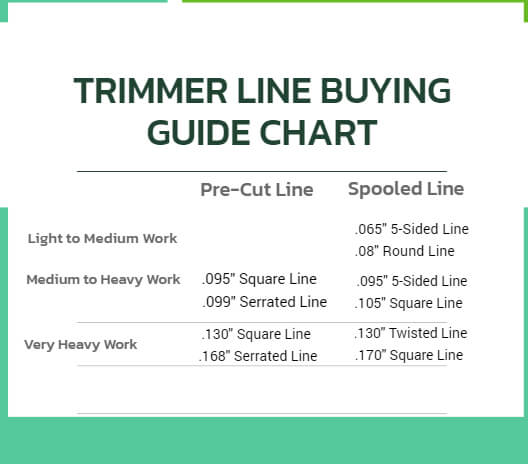
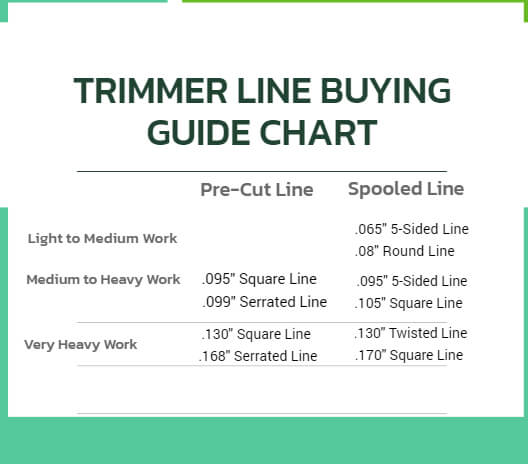
Choosing the correct line thickness for your trimmer depends on the specific landscaping task. For light-duty tasks, such as trimming grass and small weeds, a thinner line of around 0.065 to 0.080 inches is usually sufficient. This thickness allows for easy maneuverability. It also reduces the strain on your trimmer.
When dealing with medium-duty tasks like edging lawns or cutting through slightly thicker weeds, a line thickness of 0.080 to 0.095 inches is more appropriate. This thickness provides a balance between durability and flexibility. It’s strong enough to handle more challenging vegetation without breaking frequently. You get efficient performance for the majority of common yard tasks. It’s a versatile option suitable for many homeowners.
Heavy-duty tasks require the thickest lines, typically over 0.095 inches. These lines are designed to cut through dense weeds, tough brush, and even small saplings. They offer superior durability, reducing the frequency of line replacements. This kind of line is perfect for professional landscapers. However, remember to check your trimmer’s specifications to ensure it can handle the thicker line.
Consider the type of material for your trimmer line as well. High-quality materials like reinforced nylon or heavy-duty polymer offer better performance. Using quality materials ensures that the line lasts longer and is more effective. This can be especially beneficial for more demanding tasks. Durable materials reduce the chances of snapping and fraying.
Always check your trimmer’s manual for recommended line thickness. Some trimmers may not be compatible with thicker lines. Using the wrong thickness can affect performance and even damage your trimmer. Ensuring compatibility can make a big difference in your landscaping results. So, always make sure you’re using the right line for your equipment.
By understanding the needs of your specific landscaping tasks and the capabilities of your equipment, you can choose the best line thickness. This selection can greatly enhance the efficiency and effectiveness of your landscaping efforts. Make informed choices to get the best results.
Frequently Asked Questions
Exploring common questions about trimmer lines can help you make informed decisions. These answers cover various aspects, enhancing your understanding of their functionality and best practices.
1. What are the advantages of using a thinner trimmer line?
Thinner trimmer lines are easier to control and maneuver, making them ideal for precision tasks. They are also less demanding on the trimmer’s motor, which can extend its lifespan. For lighter tasks like trimming grass or small weeds, a thinner line provides adequate performance without unnecessary strain on the equipment.
Additionally, thinner lines tend to be more cost-effective since they use less material. They may not be suitable for heavy-duty work but excel in maintaining neat edges and smaller gardens. Choosing the right thickness based on your specific needs can enhance both efficiency and user experience.
2. How does the shape of a trimmer line affect its performance?
The shape of a trimmer line plays a significant role in its cutting efficiency and durability. Round lines are versatile and durable but may not cut as cleanly as other shapes. Twisted or square lines offer sharper cuts, making them ideal for thicker vegetation and tougher tasks.
Serrated or star-shaped lines provide additional cutting surfaces, increasing their effectiveness on dense weeds. The choice of shape depends on the task at hand and personal preference. Each shape has its own strengths, making it essential to select one that matches your landscaping needs.
3. Can using the wrong thickness of trimmer line damage my equipment?
Using an incorrect thickness can indeed harm your equipment. Thicker lines require more power and if your trimmer isn’t built for it, this could overwork the motor leading to potential damage or reduced lifespan of the tool.
On the other hand, using too thin a line where thicker is needed might wear out quickly causing frequent replacements adding to overall costs unwisely spent on what could have been prevented initially with proper choice determination! Therefore ensuring compatibility between these components vitalizes longer operational periods all along!
4.Does temperature affect how quickly a trimmmerline wearsout?
“””
Conclusion
Choosing the right trimmer line thickness is essential for efficient and effective landscaping. Whether dealing with dense weeds or light trimming tasks, understanding the benefits and limitations of each thickness helps optimize performance. Thicker lines are excellent for heavy-duty work, while thinner lines are perfect for precision tasks.
By considering factors like vegetation type, equipment power, and terrain, you can make informed choices. This ensures prolonged equipment life and better results. Always consult your trimmer’s manual for the recommended line thickness to ensure compatibility. Making the right choice enhances both efficiency and satisfaction in your landscaping projects.

I’m Patricia D. Johnson, an affiliate marketer and blogger specializing in trimmers and grooming tools. I create honest reviews, buying guides, and practical tips to help readers choose the right trimmer for their needs. With a focus on quality, performance, and value, I simplify the decision-making process so consumers can make confident purchases.