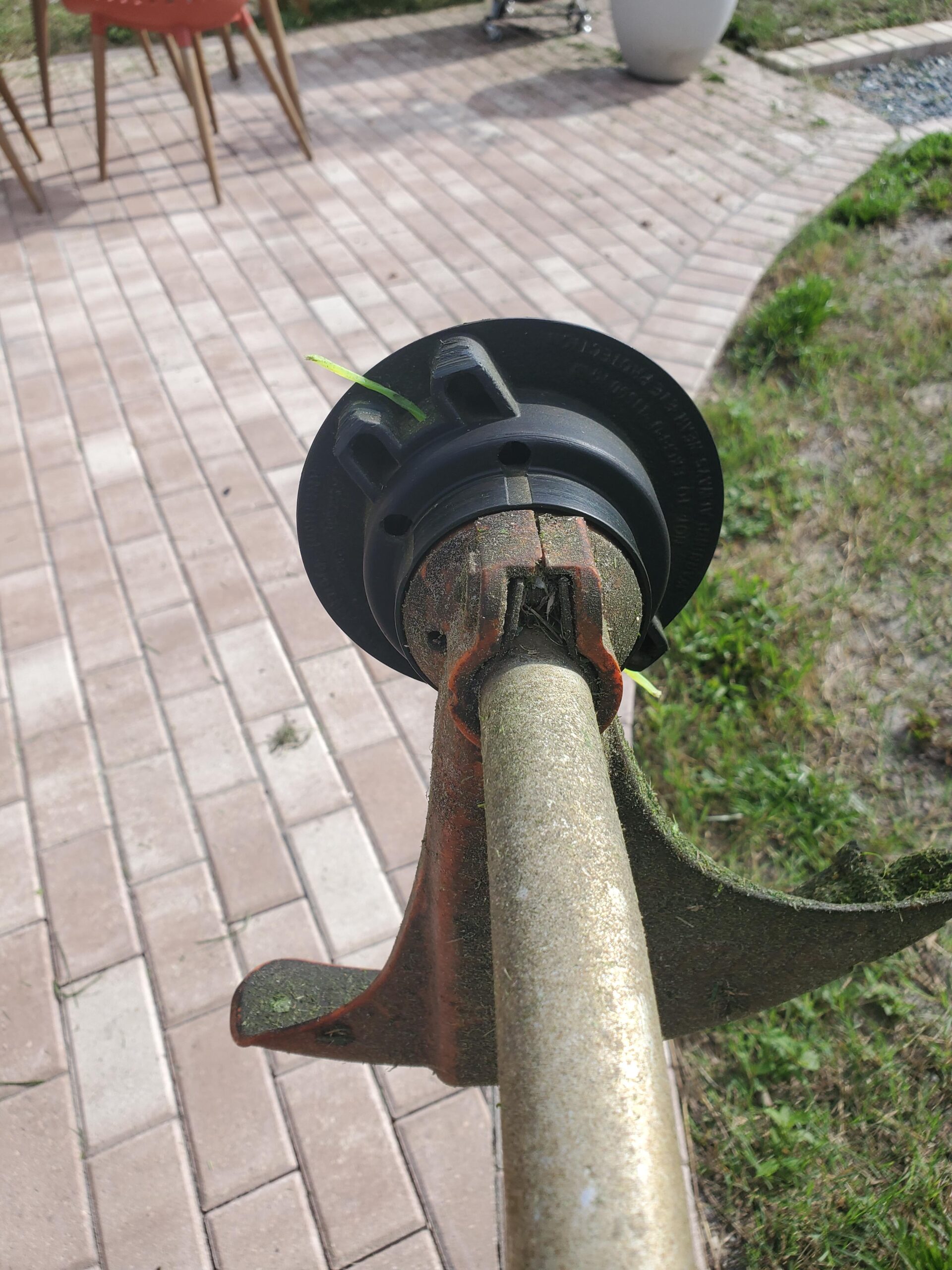
Does Trimmer Line Get Brittle With Age
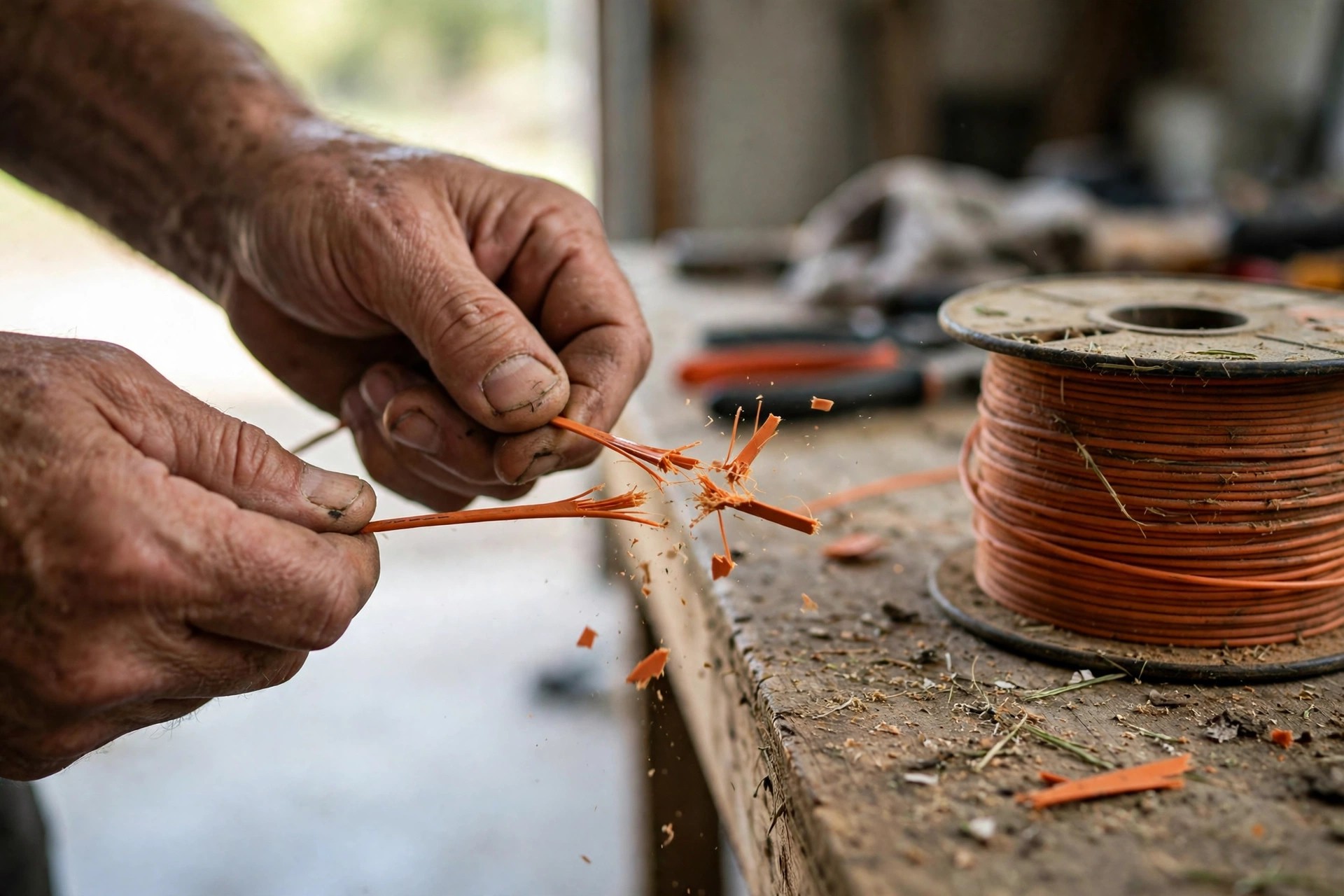
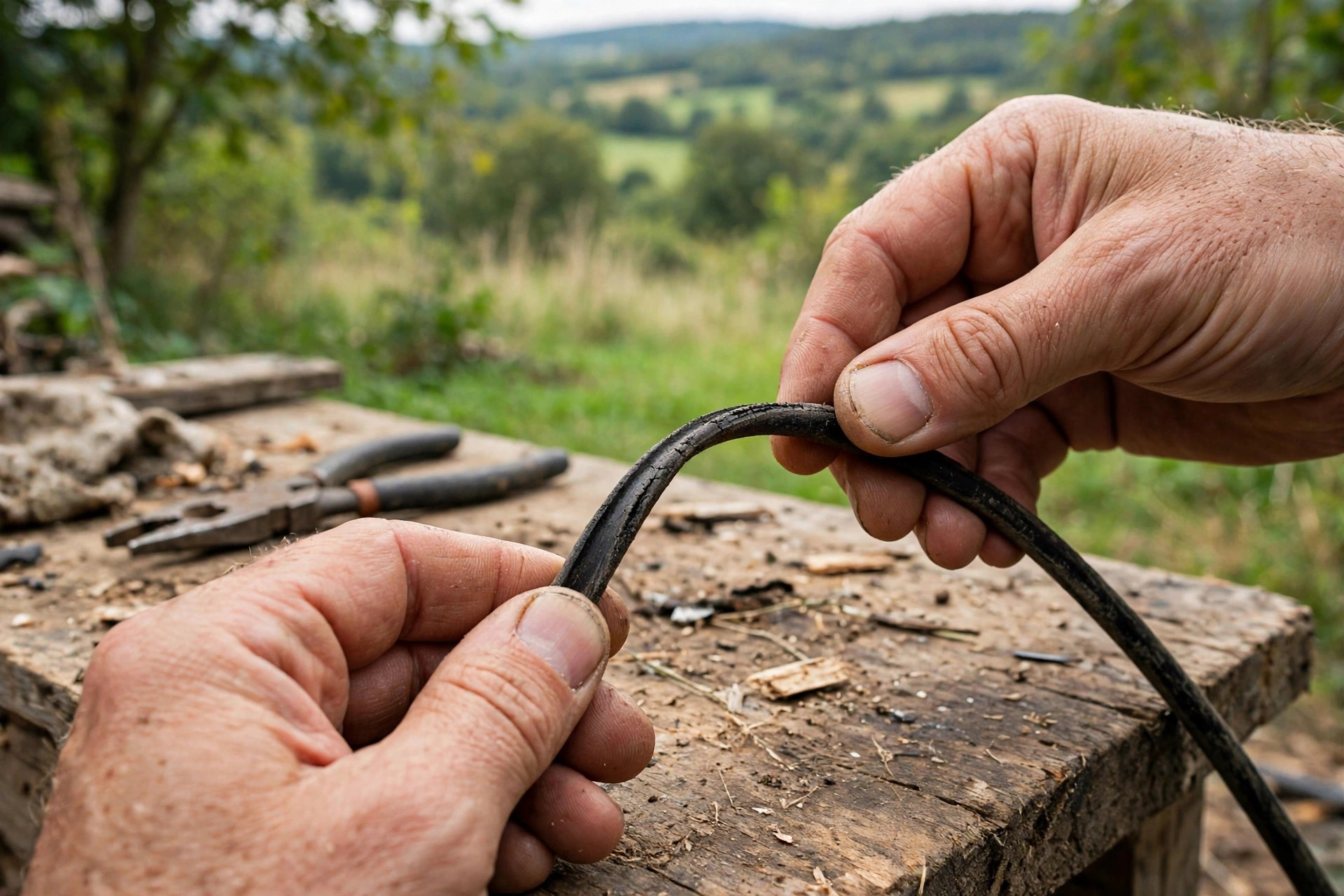
Old trimmer line often snaps much faster than new line. That change is real, not in your head. Age slowly makes trimmer line stiff and brittle. Sunlight and temperature swings drive most of that damage. Old line snaps fast. Sun and swings drive it. Stiff and brittle comes with age. New line snaps far less. Age is the slow cause. Fast snaps are the sign.
So does trimmer line get brittle with age over time? Yes. Polymers inside the line break down slowly. The line loses flexibility and strength as years pass. Heat, cold, and dry air speed this decline. Years wear the line down. Heat and cold speed it. Strength fades year by year. Dry air speeds the loss. Bend and strength both fade. Years do the work.
Soaking can restore some lost flexibility in older line. Good storage also slows damage before it starts. This guide explains causes, effects, and simple care steps. Simple habits keep your line working much longer. Soaks bring back some bend. Storage slows the harm. Causes and care sit here. Habits stretch line life. Habits guard line from harm. Long use is the prize.
Quick answer: Yes, trimmer line does get brittle with age. Sunlight, heat and freezing cold weaken its polymers. Dry air leaves the line stiff and weak. Soaking restores some flexibility before you start trimming. Shaded, cool storage slows damage between every use.
Factors That Make Trimmer Line Brittle
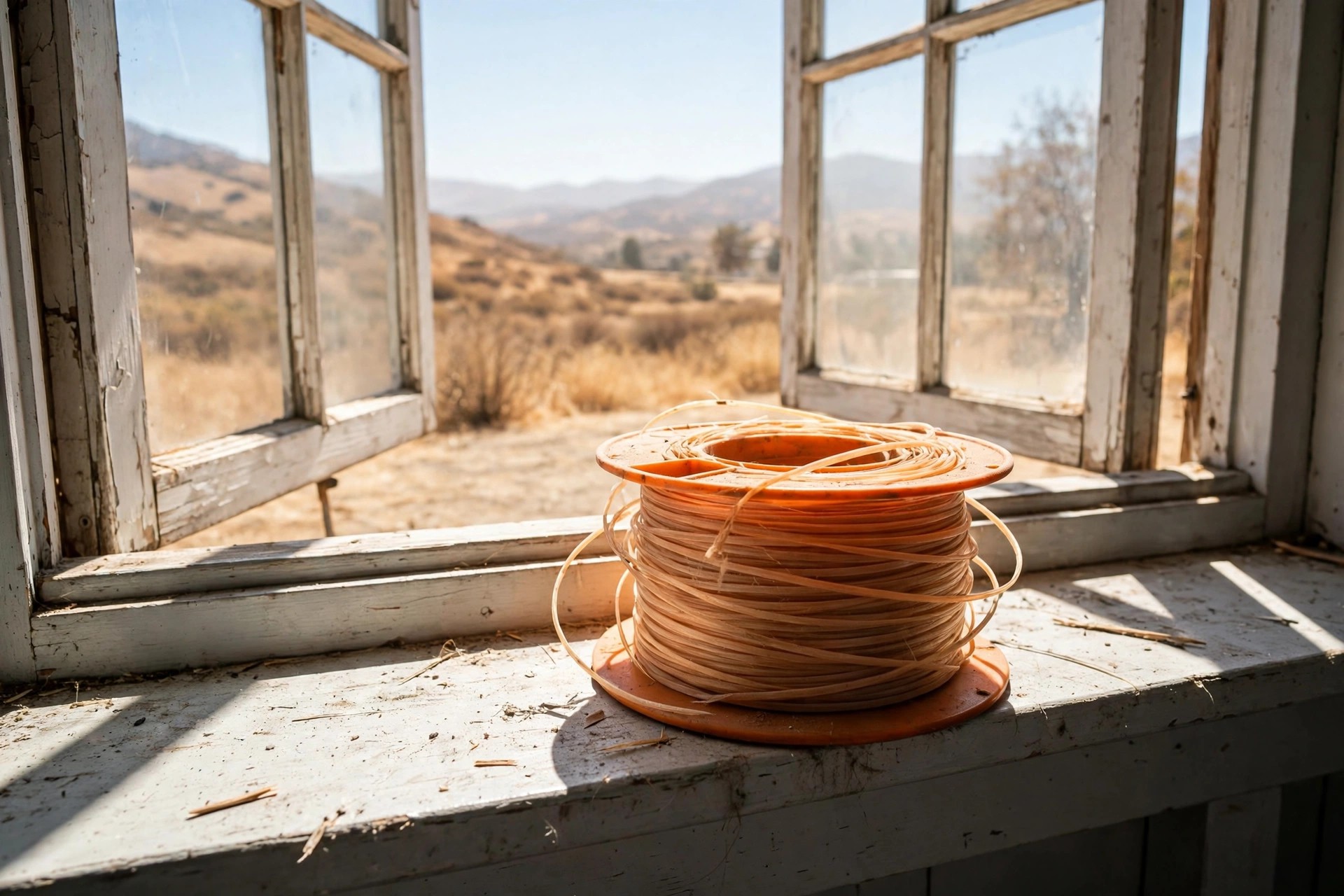
Sunlight stays the main cause of brittle line. Ultraviolet rays break down polymers inside the plastic. Weakened line snaps much more easily during trimming. Shaded storage helps limit this slow sun damage. Sun is the main cause. Shade guards the line. Rays break down the plastic. Weak line snaps with ease. Plastic weakens in sun. Snaps come with ease then.
| Factor | What It Does |
|---|---|
| Sunlight and UV rays | Breaks down polymers and weakens line |
| High heat | Degrades the plastic over time |
| Freezing cold | Makes the line rigid and breakable |
| Dry, dehydrated air | Leaves line stiff and easy to snap |
| Lower line quality | Becomes brittle more quickly |
Temperature swings also play a major role here. Extreme heat breaks the material down over long periods. Freezing cold makes line rigid and break prone. Read does string trimmer line go bad signs before keeping old spools. Heat wears the stuff down. Cold makes line stiff. Old spools need a check. Signs sit in guides. Long spans of heat harm line. Break prone means stiff.
Line quality shapes how fast brittleness sets in. High quality lines last longer in harsh conditions. Low quality lines turn brittle much more quickly. Coiled storage in cool shade prolongs line life. Never leave line outside in open weather. Grade sets the pace. Cool shade keeps line sound. Harsh spots test lines hard. Out in weather harms line. Quick turns come from low grade. Shade and coils help life.
Impact of Brittle Trimmer Line on Lawn Care
Brittle line makes routine lawn care feel frustrating. Frequent snaps force you to stop and reload. Constant stops cut your work speed down. Line can also break inside the trimmer head. Snaps force stops and reloads. Heads can trap breaks too. Work slows with each stop. Speed drops with snaps. Heads jam with broke line. Stops steal your time.
Brittle line also cuts grass very unevenly. It may rip grass instead of cutting cleanly. That leaves your lawn looking patchy and unkempt. Extra strain can also shorten your trimmer lifespan. Rips replace clean cuts. Lawns look patchy from it. Strain shortens tool life. Uneven cuts mark the lawn. Patchy lawns show the harm. Strain hits the tool too.
| Problem | What Happens |
|---|---|
| Frequent snapping | More stops and line replacements |
| Breaks inside head | Longer delays during trimming |
| Uneven cutting | Ripped grass and patchy lawn |
| Flying fragments | Risk of injury near others |
| Extra trimmer strain | Shorter trimmer lifespan |
Broken line pieces can also fly off suddenly. Flying pieces may injure people working near you. Fresh line keeps trimming smooth, safe and efficient. The EPA lawn and garden page shares safer outdoor care habits. Loose bits can fly far. Fresh line trims safe. Near folks can get hurt. Safe habits sit with the EPA. Safe trim needs fresh line. Smooth work needs it too.
Does Trimmer Line Get Brittle With Age: Care Steps
Proper storage keeps your trimmer line in shape. Store line cool, dry and away from sunlight. Heat and ultraviolet rays break down the material. Learn how to store a string trimmer habits for every season. Cool, dry, dark stores best. Sun breaks the stuff down. Shape stays with good stores. Store habits sit in guides. Each season needs store care. Rays harm line in store.
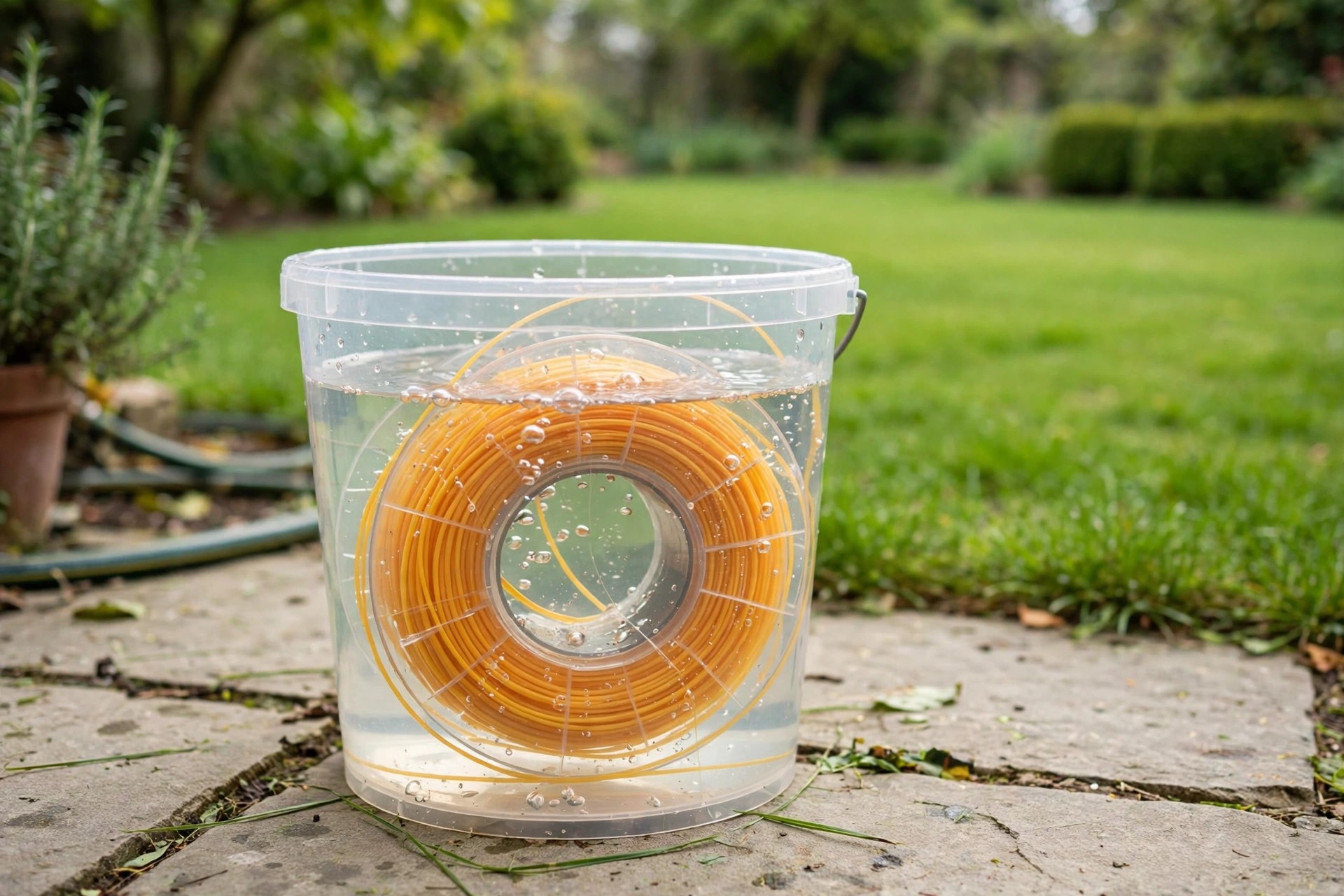
Soaking older line in water restores some flexibility. Let line sit in water about 24 hours. See why soak trimmer line in water before soaking any older line. Check how long to soak trimmer line for simple soaking timing guidance. A day in water helps. Guides time the soak. Bend comes back with soaks. Old line needs it most. Time in water counts most. Soak guides set the span.
High quality lines resist sun and heat damage. Better materials perform longer with fewer line replacements. Check your trimmer regularly for wear and tear. A clean spool keeps line feeding smoothly. Good lines fight sun harm. Clean spools feed smooth. Wear checks guard the tool. Fewer swaps come from grade. Sun and heat test lines. Feeds stay smooth when clean.
Correct winding on the spool protects line longevity. Poor winding causes tangles and breaks during use. Follow how to wind a string trimmer spool steps for neat winding results. These habits help line last through every season. Neat winds guard the line. Bad winds cause breaks. Tangles come from bad winds. Seasons pass, habits help. Last through seasons is the aim. Neat results need neat winds.
Frequently Asked Questions
These answers cover materials, storage, and brand fit. They also cover maintenance effects on line performance. Each answer follows the guidance given above. Brands and stores get answers. Care gets its own too. Each answer tracks the guide. Fit gets its own answer. Store, grade, and fit all count. Care counts most of all.
What is the best material for trimmer lines?
Copolymer nylon usually works best for trimmer lines. This material stays durable and flexible during use. It resists breaking better than other common materials. Users find it performs well in varied conditions. This type bends and lasts. Breaks come less with it. Varied spots suit it well. Common types break more. Best pick for most line. Use in all spots suits it.
Titanium reinforced nylon offers another strong performing option. Extra strength suits heavy duty trimming tasks well. It costs more but lasts much longer overall. Use how to choose trimmer line guidance before picking any material. Strong type costs more. It lasts much more too. Heavy tasks suit its strength. Pick facts sit in guides. More cost, more life. Strong picks earn their price.
How do I store a trimmer line to extend its life?
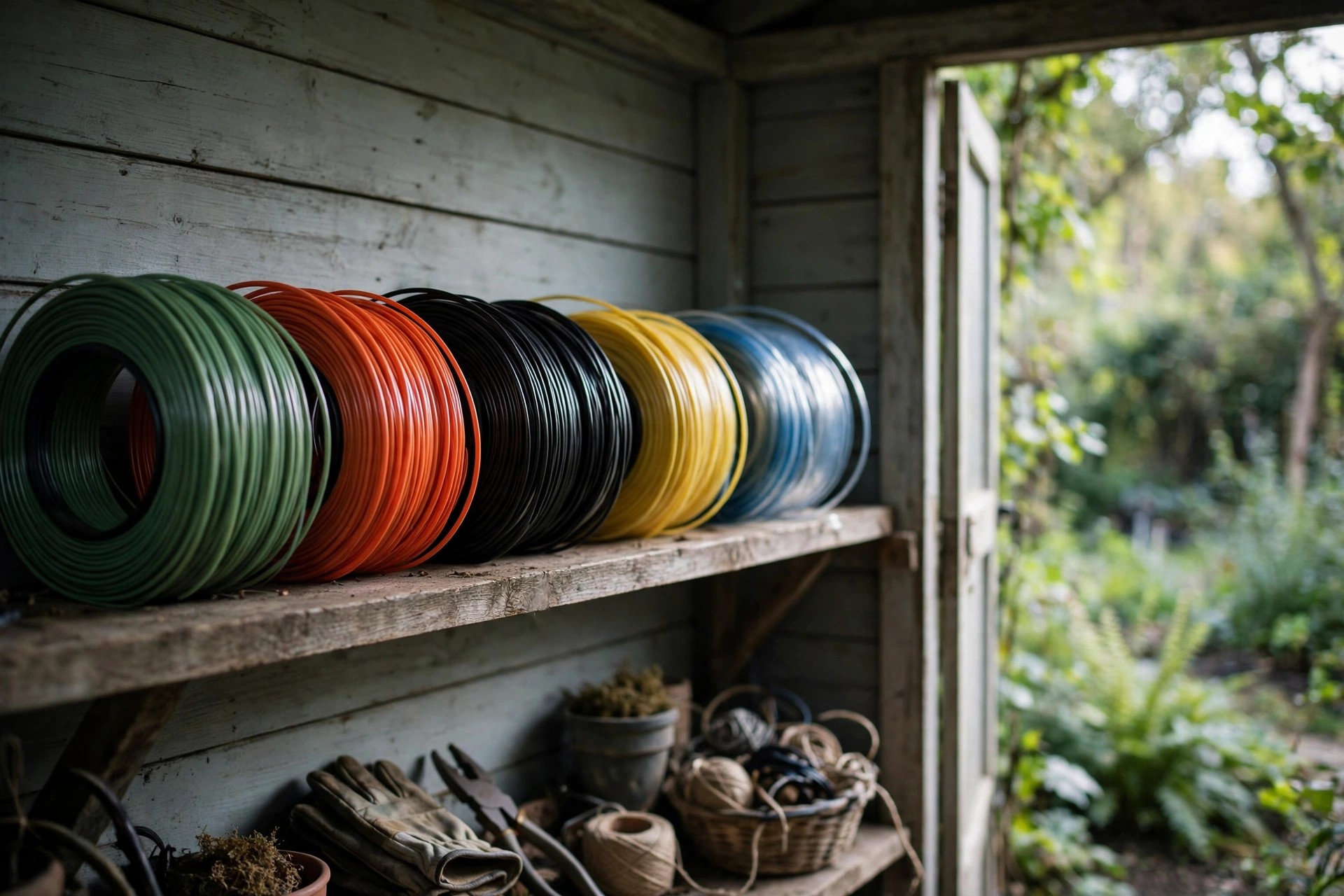
Store line somewhere cool, dry and shaded always. Avoid direct sunlight and extreme temperature change areas. Humidity control helps the line keep its flexibility. Shade and cool guard line. Damp checks guard bend. Sun must stay off line. Flex stays with damp checks. Flex stays with right stores. Shade is a must here.
Some users soak line before storage for hydration. An airtight container shields line from outside factors. Good storage keeps line durable over long time. For lifespan signs, read how long does trimmer line last guidance carefully. Soaks can come first. Sealed tubs shield line. Long time storage needs care. Life signs sit in guides. Good stores guard long life. Durable line is the goal.
Storage and Material Questions
Two answers cover brand fit and routine maintenance. Both answers stress manual checks before any use. Careful habits protect both line and trimmer together. Checks come before use. Care guards tool and line. Brand fit comes first here. Care comes next here. Both stress checks first. Both guard line and tool.
Can I use any brand of trimmer line with my trimmer?
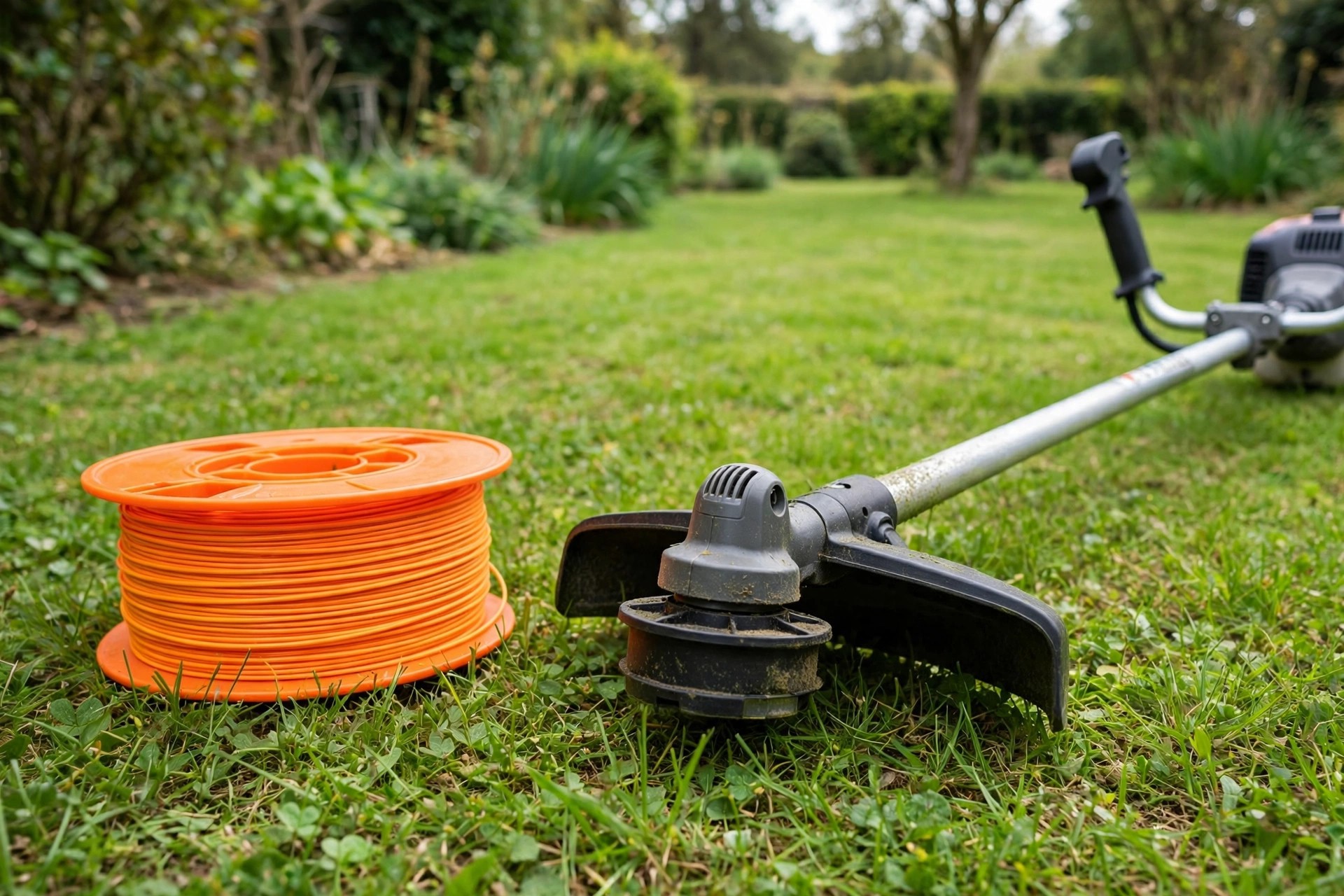
Not every brand fits every trimmer model available. Check your user manual before buying any line. The correct fit protects performance and prevents damage. Fit varies by model. Manuals name the right line. Right fit guards the work. Damage comes from wrong fit. Buy with the manual in hand. Fit first, work next.
Ask the manufacturer when you feel unsure anytime. The STIHL USA support site lists support for many trimmer owners. Wrong lines cause poor work and frequent breakage. Makers help when unsure. Wrong line breaks a lot. Support lists help owners. Poor work marks wrong line. Breakage marks the wrong pick. Help sits with makers.
How does regular maintenance affect trimmer line performance?
Regular maintenance strongly affects overall line performance. Clean the spool often to remove dirt buildup. Dirt and debris cause friction and line breakage. Care shapes how line works. Dirt causes friction and breaks. Spools need dirt off. Breakage comes from grime. Dirt build up harms line. Clean spools guard the feed.
Tighten loose parts for smooth and steady operation. Routine checks catch small issues very early on. Early care extends both machine and line life. Tight parts run smooth. Early care saves both lives. Small faults show up early. Checks catch them in time. Steady run comes from tight parts. Life grows with care.
Conclusion: Does Trimmer Line Get Brittle With Age
Knowing the causes of brittleness helps you prevent early line failure. Proper storage and quality materials protect line efficiency every season. Regular maintenance and correct winding also play big roles here. Fixing small issues early ensures a smoother lawn care experience. Causes known can be stopped. Storage and grade guard line. Winding plays a big role. Smooth care is the aim. Early fails can be stopped. Experience smooths with care.
Does trimmer line get brittle with age over time? Yes, and simple preventive care keeps your lines lasting much longer. Act early and you will get better results with every trim. Small preventive steps truly make all the difference for line life. Care keeps line in use. Small steps make the change. Early acts pay off most. Line life turns on care. Each trim gains from care. Difference shows in line life.

I’m Patricia D. Johnson, an affiliate marketer and blogger specializing in trimmers and grooming tools. I create honest reviews, buying guides, and practical tips to help readers choose the right trimmer for their needs. With a focus on quality, performance, and value, I simplify the decision-making process so consumers can make confident purchases.