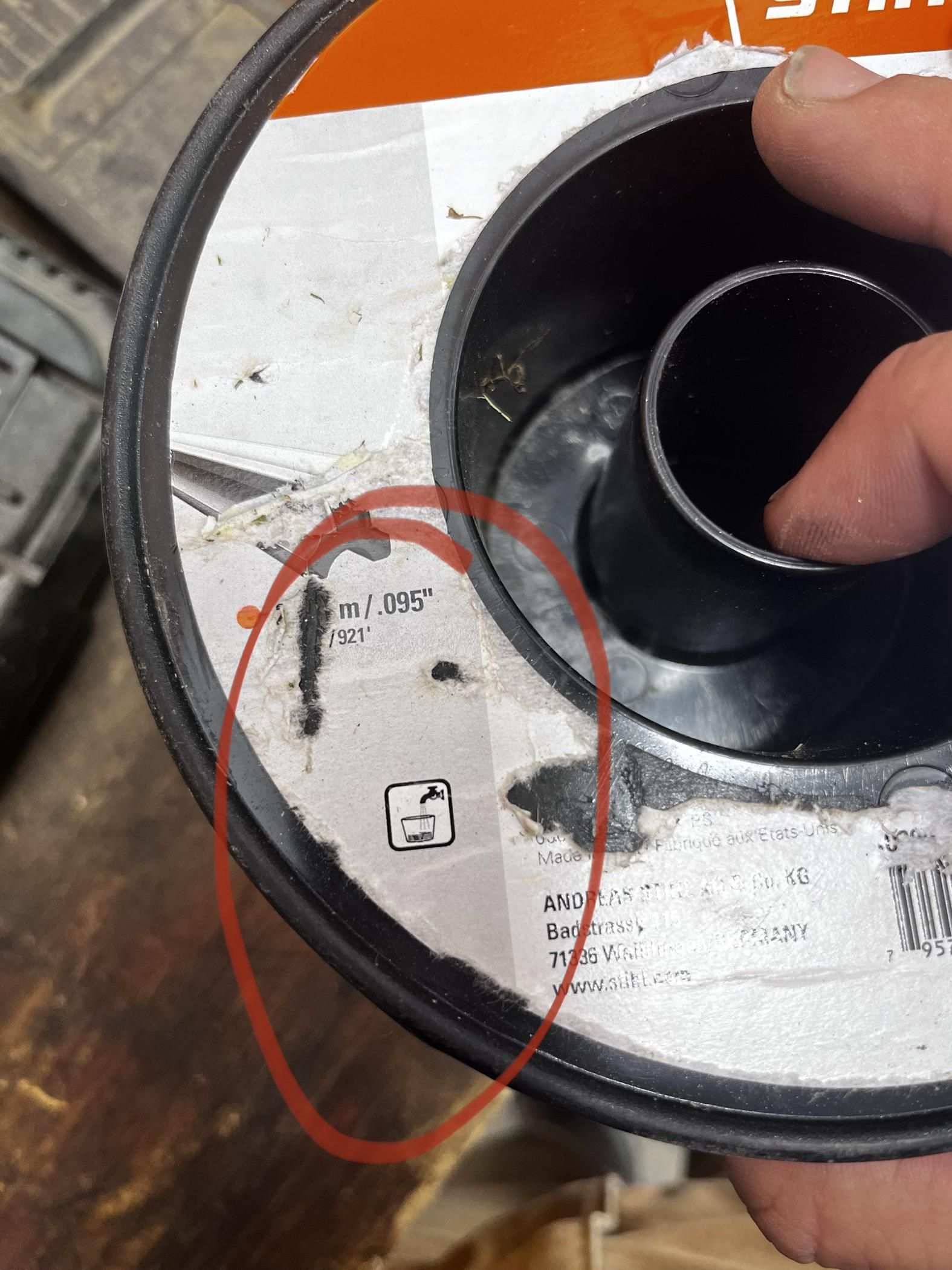
It’s common knowledge among seasoned landscapers that a hydrated string trimmer line can markedly extend its lifespan. Interestingly, the practice of soaking the trimmer line in water is not just some baseless folklore—it has actual mechanical benefits. Dampening the line can reduce its brittleness and help prevent it from snapping prematurely.
The origins of this technique date back to when nylon lines were first introduced and found to lose moisture over time, which compromised their flexibility. Research indicates that soaking the line for at least 24 hours before use can reintegrate moisture, thereby restoring its suppleness. This simple preventive measure offers a practical solution by ensuring that the line remains durable and efficient during operation.
Better Trimming with Soaked String Trimmer Line
Soaking your string trimmer line before use can enhance its performance significantly. This simple step helps to keep the line flexible and less prone to breakage. Interestingly, when the line is soaked, it absorbs moisture that maintains its elasticity. According to the article, keeping the line hydrated can also extend its lifespan. This practice is beneficial, especially during dry and hot weather.
Studies have shown that dry trimmer lines can become brittle and more likely to snap. This can result in more frequent replacements and increased downtime. On the other hand, soaked lines tend to cut cleaner and more efficiently. Here is the article that discusses these findings in detail. The benefits are clear when it comes to trimming efficiency.
Incorporating this step into your regular maintenance routine is straightforward. Simply soak the trimmer line in water for at least 24 hours before use. Use a container that is large enough to completely submerge the spool. This ensures the entire length of the line is adequately hydrated. You’ll notice improved performance with minimal effort.
Additionally, not all trimmer lines are created equal. Premium lines may have built-in moisture retention properties, but soaking can still enhance their efficacy. Remember to check the manufacturer’s guidelines for specific recommendations. This extra step might seem small, but it makes a significant difference. Your trimmer will run smoother, making yard work less of a chore.
The Science Behind Soaking Trimmer Line
Soaking trimmer line revolves around basic science principles. Nylon, the primary material used in trimmer lines, tends to become brittle when it dries out. When you soak the line, it absorbs water molecules, rejuvenating its flexibility. This elasticity minimizes breakage during use. According to this expert opinion, these scientific benefits make the practice widespread among lawn care enthusiasts.
Nylon responds to moisture by becoming more pliable. In a dry state, it is much more likely to snap under pressure. Soaking can drastically improve the line’s durability and performance. Ensuring the line maintains moisture keeps it robust. This simple act of soaking prevents frequent replacements.
Historical data shows that hydrated trimmer lines can last up to 50% longer. This extended lifespan translates to smoother and more efficient lawn maintenance. Moreover, soaking can help save time and money. Think of fewer interruptions and less downtime. It’s a win-win situation for any gardening enthusiast.
Implementing this practice is uncomplicated. Use a basic container filled with water and submerge the spool. Let it sit soaking for 24 hours to ensure optimal hydration. If you follow this method, you will notice a significant difference. For more detailed discussions, you can check out this resource.
Implications for Trimmer Line Maintenance
Soaking your trimmer line has significant implications for its overall maintenance. Extending the line’s life through hydration means fewer replacements are necessary. This translates to cost savings over time. A well-hydrated line also ensures smoother trimming operations. The consistent performance reduces interruptions during lawn care tasks.
Regular maintenance, including soaking, can minimize wear and tear. This keeps the equipment in peak condition. The reduced breakage and longer lifespan of the line also decrease the need for frequent repairs. This, in turn, enhances the durability of the trimmer itself. Let’s not forget, a smoother operation means a more enjoyable experience.
Understanding the benefits, gardeners can plan their maintenance schedules more effectively. They might opt to soak their lines overnight before a big yard project. Doing this regularly as part of a maintenance routine ensures that the trimmer line is always ready for use. Plus, it can prevent unexpected line breaks. This proactive approach is both practical and efficient.
Combining soaking with other maintenance practices can yield the best results. Sharpen the trimmer’s blades regularly and check for any damages. Replace parts as needed to keep the machinery running at its best. Here’s a quick list to follow for optimal maintenance:
- Soak trimmer line overnight.
- Sharpen blades regularly.
- Inspect for damage before each use.
- Replace worn-out parts timely.
Tips for Effectively Soaking Your String Trimmer Line
Proper soaking techniques can make a big difference in the performance of your string trimmer line. Start by choosing a container that’s large enough to accommodate the entire spool. Fill it with enough water to fully submerge the line. Ensure that the container is clean to avoid contaminating the line. Doing this ensures consistent hydration throughout the line.
Timing is crucial when soaking your trimmer line. Aim to soak it for at least 24 hours for optimal results. This period allows the water to penetrate deeply into the nylon material. If you’re in a rush, even a few hours can make a noticeable difference. However, overnight soaking is generally recommended for the best performance.
Temperature can also affect the soaking process. Using warm water can speed up the absorption rate. On colder days, you might want to soak the line indoors to maintain a consistent temperature. This ensures the line absorbs moisture evenly. Remember, extreme temperatures should be avoided as they can damage the line.
Adding a drop of dish soap to the water can help improve absorption. The soap breaks the surface tension of the water, allowing it to penetrate the nylon more effectively. Stir the water gently to mix in the soap. This little trick can make soaking even more efficient. Just make sure to rinse the line before using it to remove any soap residue.
Using a dedicated soaking container specifically for this purpose can streamline your maintenance routine. Label the container to avoid any mix-ups. Store it in a convenient location for easy access. Doing so makes it simple to integrate soaking into regular maintenance. Having a dedicated setup ensures you won’t skip this valuable step.
Following these tips can help you maintain a well-hydrated trimmer line, leading to better performance and longevity. Here’s a shortcut list for reference:
- Choose an adequately sized, clean container.
- Soak the line for at least 24 hours.
- Use warm water to speed up absorption.
- Add a drop of dish soap to the water.
- Rinse the line before use.
- Consider dedicating a soaking container for this purpose.
Frequently Asked Questions
If you’re curious about how to maintain and optimize your string trimmer line for durability, read on. Here are some common questions answered to help you get the best performance from your equipment.
1. How long should I soak my string trimmer line?
You should soak your string trimmer line for at least 24 hours before use. This allows ample time for the water to penetrate deeply into the nylon material, ensuring it retains flexibility and strength during trimming tasks.
If you’re in a hurry, even soaking for a few hours can make a noticeable difference. However, a full day of soaking is recommended for optimal results and enhanced longevity of the trimmer line.
2. Can I use any type of container to soak my trimmer line?
Yes, you can use any container as long as it is clean and large enough to fully submerge the spool of the trimmer line. The container should be free from contaminants that could compromise the integrity of the nylon.
A dedicated soaking container can streamline this maintenance procedure. Ensure it is stored conveniently so you can integrate soaking into your regular maintenance routine without any hassle.
3. Does adding dish soap help improve soaking?
Add a drop of dish soap to the water when soaking your trimmer line can indeed improve absorption. The soap breaks down surface tension, allowing water to penetrate more effectively into the nylon fibers.
Make sure to rinse off any soap residue thoroughly before using the trimmer line. This simple trick enhances hydration efficiency and ensures better performance during trimming tasks.
4. Is warm water better for soaking trimmer lines?
Soaking your trimmer line in warm water can speed up absorption but make sure it’s not too hot. Warm water helps open up the nylon fibers quicker compared to cold water, making them more pliable faster.
Avoid extreme temperatures to prevent damaging the material. If it’s cold outside, consider moving your soaking container indoors where temperatures are more stable.
5. Should all types of string trimmer lines be soaked?
The practice of soaking generally applies well to standard nylon lines as they tend to dry out and become brittle over time. While high-end or specialty lines may come with added moisture-retention properties, soaking still often benefits them.
Always check manufacturer guidelines specific to your brand of trimmer line for best practices regarding maintenance routines including whether they recommend pre-soaking before use or not.
Conclusion
Maintaining a well-hydrated string trimmer line is a simple yet effective way to enhance your trimming efficiency. By soaking the line for 24 hours, you ensure it remains flexible and less prone to breakage. This practice not only extends the lifespan of the line but also results in smoother trimming operations.
Implementing regular soaking as part of your maintenance routine is both easy and cost-effective. Whether you use warm water, add a drop of dish soap, or dedicate a specific container for this purpose, every step contributes to better performance. A well-maintained trimmer line makes your lawn care tasks more enjoyable and less troublesome.

I’m Patricia D. Johnson, an affiliate marketer and blogger specializing in trimmers and grooming tools. I create honest reviews, buying guides, and practical tips to help readers choose the right trimmer for their needs. With a focus on quality, performance, and value, I simplify the decision-making process so consumers can make confident purchases.