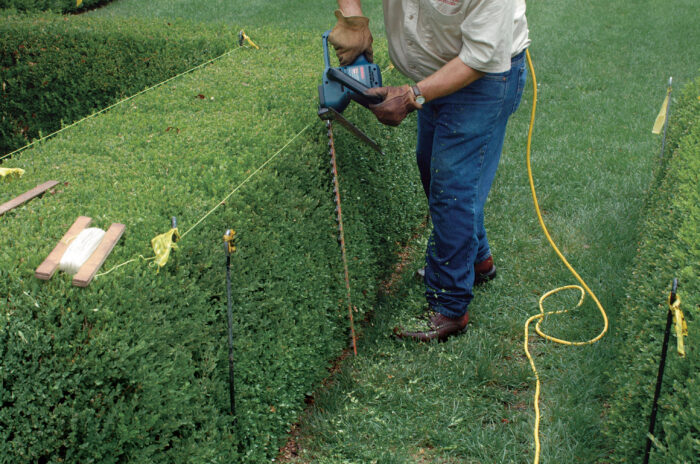
A hedge trimmer is best used for trimming and shaping hedges and bushes. It is a motorized tool that allows for faster and easier trimming compared to manual methods.
Hedge trimmers are designed with safety devices and require both hands to be on the handles for operation. They can be used with different types of hedges and shrubs, providing a clean and precise cut. Additionally, hedge trimmers are not suitable for cutting tree branches, as they lack the power to do so.
It is important to use a hedge trimmer correctly and safely, following proper instructions and taking necessary precautions.
Different Types Of Hedge Trimmers
Hedge trimmers come in various types, such as corded, petrol-powered, electric, and battery-operated. They are used for trimming bushes, shrubs, and hedges to maintain a neat and tidy appearance. It is essential to choose the appropriate hedge trimmer based on the size and type of the foliage to be trimmed for effective results.
Electric Hedge Trimmers
Electric hedge trimmers are a popular choice among homeowners due to their ease of use and convenience. These trimmers are powered by electricity and can be used for both residential and commercial purposes. Key Features of Electric Hedge Trimmers
- They have a cord that needs to be plugged into a power source.
- Electric hedge trimmers are lightweight and easy to maneuver.
- They produce less noise and vibration compared to petrol-powered trimmers.
- Most models come with safety features such as a blade protector and a two-handed start system.
Corded Hedge Trimmers
Corded hedge trimmers are a specific type of electric trimmers that require a power cord to function. These trimmers are suitable for small to medium-sized hedges and are known for their affordability and reliability. Key Features of Corded Hedge Trimmers
- They provide consistent power as long as they are connected to a power source.
- These trimmers are lightweight and easy to handle.
- They are ideal for residential use, especially for trimming hedges in smaller yards.
- It is important to be mindful of the cord and avoid accidentally cutting it while trimming.
Petrol-powered Hedge Trimmers
Petrol-powered hedge trimmers are a popular choice for professional landscapers and those with larger properties. These trimmers offer more power and can handle thicker branches and tougher vegetation. Key Features of Petrol-Powered Hedge Trimmers
- They are powered by a petrol engine, which provides more cutting power and allows for mobility without the restrictions of a power cord.
- These trimmers can handle heavy-duty trimming and are suitable for large hedges and overgrown vegetation.
- They require regular maintenance, including fuel refills, oil changes, and spark plug replacements.
- Due to the engine’s noise and emission, they are best suited for outdoor use in open spaces.
Telescopic And Fixed Pole Hedge Trimmers
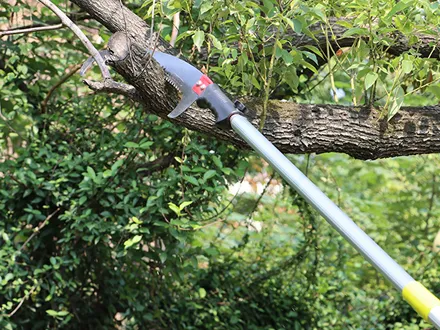
Telescopic and fixed pole hedge trimmers are designed for trimming tall hedges and hard-to-reach areas without the need for a ladder. These trimmers come with an extended handle that allows users to reach higher branches comfortably. Key Features of Telescopic and Fixed Pole Hedge Trimmers
- Telescopic pole trimmers have an adjustable height, making it easy to reach different heights without the need for a ladder.
- Fixed pole trimmers have a fixed length and are suitable for specific trimming needs.
- These trimmers are ideal for shaping and pruning tall hedges, shrubs, and trees.
- They provide extended reach and allow users to maintain their hedges without risking their safety by climbing ladders.
:max_bytes(150000):strip_icc()/the-best-cordless-hedge-trimmers-tout-841f331d117e429680acb681c7b8960b.jpg)
Credit: www.bhg.com
How To Use A Hedge Trimmer
A hedge trimmer is a handy tool for maintaining the shape and size of hedges and bushes in your garden. Whether you have an electric or petrol-powered trimmer, it allows you to easily trim and shape your plants, giving your garden a polished and well-maintained look.
Using a hedge trimmer is a great way to maintain the appearance of your garden and keep your hedges looking neat and tidy. However, it is important to know how to properly use a hedge trimmer to ensure efficient and safe trimming. In this section, we will discuss the operating instructions, safety precautions, and proper trimming techniques for using a hedge trimmer.
Operating Instructions
Before you start using a hedge trimmer, make sure you familiarize yourself with the operating instructions. Here are some key steps to follow:
- Read the user manual provided by the manufacturer.
- Make sure the trimmer is clean and in proper working condition.
- Inspect the cutting blades for any damage or signs of wear.
- Check that the power source (electric or battery) is fully charged and functioning correctly.
- Hold the hedge trimmer with a firm grip and ensure both hands are on the handles.
- Start the trimmer according to the manufacturer’s instructions, whether it’s using a switch or pulling a cord.
Safety Precautions
It’s crucial to prioritize safety when using a hedge trimmer. Here are some important safety precautions to follow:
- Wear protective gear, including safety glasses, ear defenders, and gloves.
- Avoid loose clothing or jewelry that can get caught in the trimmer.
- Always use the trimmer with both hands on the handles for better control.
- Keep a safe distance from any obstructions or other people.
- Be cautious of electrical cords and make sure they are not in the way of the trimmer.
- Never use a hedge trimmer in wet or rainy conditions to prevent electrical shock.
Proper Trimming Techniques
To achieve the best results, it’s important to know the proper trimming techniques. Here are some tips:
- Start at the bottom of the hedge and work your way up, trimming in an upward motion.
- Use smooth, sweeping motions to create even cuts.
- Trim small sections at a time to avoid overcutting or damaging the hedge.
- Regularly step back and assess the shape of the hedge to ensure symmetry.
- Trim the top of the hedge last, using a ladder if needed, and be cautious when working at heights.
- Regularly clean the blades and remove any debris to maintain optimum cutting performance.
By following these operating instructions, safety precautions, and proper trimming techniques, you can confidently use a hedge trimmer to keep your hedges looking impeccable. Remember to always prioritize safety and consult the manufacturer’s instructions for specific guidance on your hedge trimmer model.
Alternative Uses Of Hedge Trimmers
Discover the versatility of hedge trimmers with these alternative uses. Use them for shaping topiaries, trimming tall shrubs, or even tackling light brush hogging tasks. Maximize the potential of your hedge trimmer beyond just trimming hedges.
Hedge trimmers are incredibly versatile tools that are not only limited to shaping and trimming hedges. With the right knowledge and techniques, hedge trimmers can be used for various alternative purposes, expanding their functionality beyond typical hedge maintenance.
Brush Hogging
Brush hogging with a hedge trimmer opens up a whole new realm of possibilities. This method involves using the hedge trimmer to cut through thick and dense vegetation such as overgrown grass, brambles, and bushes. By articulating the head of the trimmer, it becomes an effective tool for clearing overgrown areas, making it ideal for landscaping projects and clearing neglected spaces.
Cutting Branches And Trees
While hedge trimmers are primarily designed for hedge maintenance, they can also assist in cutting branches and smaller trees, although with limitations. It’s important to note that standard hedge trimmers are not equipped to handle larger, tougher branches or tree limbs due to their lower cutting power and narrower teeth spacing. For cutting branches and trees, specialized tools like pruning shears or loppers are more suitable for efficient and clean cuts.

Credit: www.ebay.com
Best Practices And Tips
When it comes to maintaining a beautiful and well-groomed garden, using a hedge trimmer is essential. This powerful tool can effortlessly shape and prune hedges, shrubs, and bushes, giving your outdoor space a neat and tidy appearance. However, to ensure effective and safe usage of a hedge trimmer, it is important to follow some best practices and tips. In this article, we will discuss choosing the right hedge trimmer, cleaning and maintenance, and safety guidelines.
Choosing The Right Hedge Trimmer
When selecting a hedge trimmer, it is crucial to consider the specific needs of your gardening tasks. Different types of hedge trimmers are available in the market, each with its own features and advantages. Here are some factors to consider when choosing the right hedge trimmer:
- Blade length: Longer blades are suitable for trimming large hedges, while shorter blades are more convenient for small and intricate tasks.
- Power source: Hedge trimmers can be powered by electricity, battery, or petrol. Electric trimmers are suitable for small gardens, while petrol trimmers are more powerful and ideal for larger areas.
- Telescopic or fixed pole: If you have tall hedges, consider a hedge trimmer with a telescopic or fixed pole for easy access and trimming at height.
Cleaning And Maintenance
Cleaning and maintaining your hedge trimmer regularly is crucial to ensure its longevity and optimal performance. Here are some important tips for cleaning and maintenance:
- After each use, remove any debris and plant material stuck on the blades.
- Wipe down the blades with a clean cloth or brush.
- Inspect the blades for any signs of damage or wear and tear.
- Keep the blades sharp by regularly sharpening them or replacing them if necessary.
- Follow the manufacturer’s instructions for lubricating the blades and other moving parts.
Safety Guidelines
Using a hedge trimmer correctly and safely is of utmost importance to prevent accidents and injuries. Here are some essential safety guidelines to follow:
- Always wear protective gear, including safety glasses, gloves, and ear protection.
- Ensure the hedge trimmer is switched off and unplugged before performing any maintenance or blade adjustments.
- Never operate a hedge trimmer in wet or damp conditions to avoid electrical hazards.
- Be cautious of the power cord, keeping it away from the blades and wearing it over your shoulder to prevent accidental cutting.
- Keep bystanders, especially children and pets, at a safe distance during operation.
By following these best practices and tips, you can use your hedge trimmer effectively, maintain its performance, and ensure a safe gardening experience. Remember to always refer to the manufacturer’s instructions for specific guidelines and recommendations.
Applications Of Hedge Trimmers
A hedge trimmer can be used for shaping and maintaining hedges, shrubs, and bushes, ensuring a neat and tidy appearance for your garden or landscape. It is also handy for trimming grass along fences and obstacles, providing a versatile solution for lawn maintenance and landscaping tasks.
Gardening And Yard Maintenance
If you have a garden or a yard, you know how important it is to keep it well-maintained and tidy. Hedge trimmers are a valuable tool for this purpose as they can efficiently trim and shape hedges, bushes, and shrubs, giving your outdoor space a neat and polished appearance.
Whether you have a small garden or a large estate, using a hedge trimmer can save you time and effort in maintaining your greenery. These versatile tools are designed to tackle various tasks such as hedge trimming, topiary sculpting, and shrubbery shaping.
Types Of Plants And Shrubs To Trim
Hedge trimmers can be used on a wide range of plants and shrubs. Whether you have deciduous or evergreen hedges, ornamental shrubs, or even fruit trees, a hedge trimmer can help you keep them in pristine condition. Some common plants and shrubs that can benefit from regular trimming include:
- Boxwood
- Leyland cypress
- Privet
- Holly
- Yew
- Rosemary
- Juniper
Trimming these plants not only enhances their visual appeal but also promotes healthy growth and prevents them from becoming overgrown and unruly. Additionally, regular pruning helps optimize air circulation and sunlight penetration, reducing the risk of pests and diseases.
Credit: www.extentool.com
Frequently Asked Questions For What To Use Hedge Trimmer For
When Should You Not Use A Hedge Trimmer?
Avoid using an electric hedge trimmer in damp conditions and always use a residual current device (RCD) for safety. Do not use a hedge trimmer to cut tree branches as they do not have enough power. Instead, use pruning shears or loppers.
Motorized hedge trimmers are ideal for faster and easier trimming, designed with safety devices.
Can You Use A Hedge Trimmer To Cut Branches?
No, hedge trimmers are not suitable for cutting branches. It is best to use pruning shears or loppers for trimming branches. Hedge trimmers are designed for trimming and shaping hedges and bushes.
Why Use A Hedge Trimmer?
A hedge trimmer is used to trim hedges and bushes effortlessly and quickly, especially for medium-to-large and hard-to-reach areas. It allows for precise shaping and is equipped with safety features for ease of use.
What Is The Best Way To Use A Hedge Trimmer?
To use a hedge trimmer effectively, follow these tips: 1. Trim and shape hedgerows, medium-to-large bushes, and hard-to-reach areas. 2. Use a hedge trimmer specifically designed for the task. 3. Hold the trimmer with both hands for stability and safety. 4.
Begin trimming from the bottom and work your way up, using smooth, sweeping motions. 5. Regularly clean the trimmer to maintain its performance.
Conclusion
To wrap up, understanding the diverse applications of hedge trimmers enhances their utility and efficiency. Whether it’s pruning dense shrubs, precisely shaping bushes, or even brush hogging, knowing how to use a hedge trimmer correctly and safely adds value to your gardening endeavors.
These tools are indispensable for maintaining a neat and well-groomed landscape.

I’m Patricia D. Johnson, an affiliate marketer and blogger specializing in trimmers and grooming tools. I create honest reviews, buying guides, and practical tips to help readers choose the right trimmer for their needs. With a focus on quality, performance, and value, I simplify the decision-making process so consumers can make confident purchases.