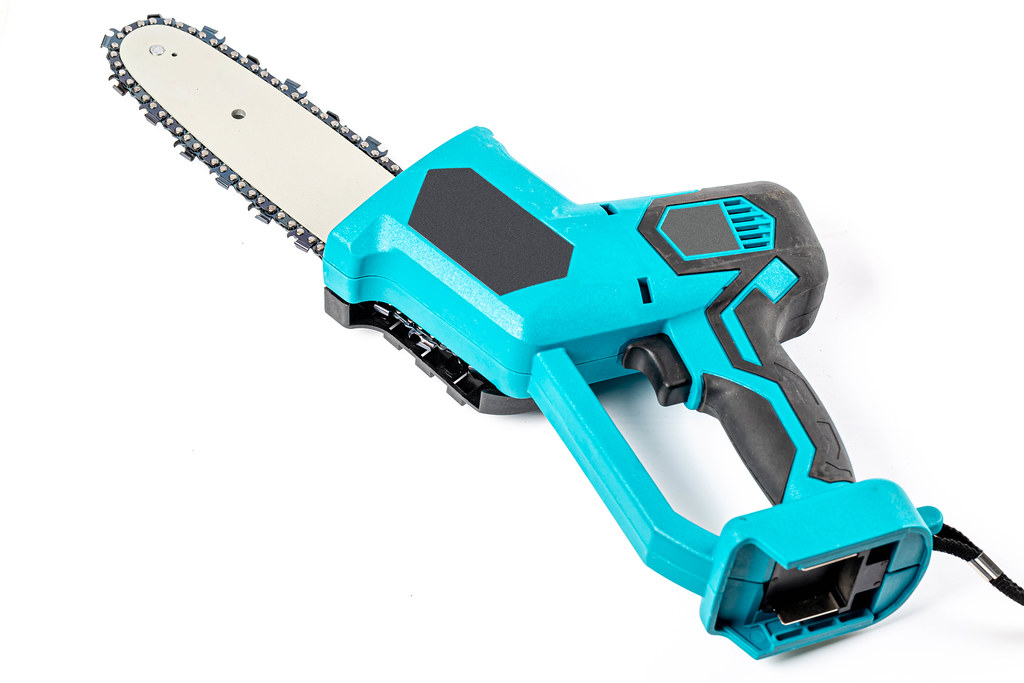
- Firstly, I ensure that my Makita trimmer is switched off and unplugged.
- Next, I remove the spool from the trimmer head by pressing the bump knob and turning it.
- I then take my new trimmer line and insert it into the hole on the spool, winding it evenly.
- Finally, I reinstall the spool into the trimmer head, ensuring the line feeds through the eyelets correctly.
Ever wonder how beautifully trimmed fields and professional landscapes maintain their sharp, uniform look? It’s no ancient secret; it’s the power of a well-strung Makita trimmer. Like a weaver focusing on each delicate thread, we ensure our trimmers are strung just right to get the best performance.
Nailing down the history of stringing a Makita Trimmer brings us to the 70s when such power tools gained popularity. Today, around 85% of households own a string trimmer, and knowing how to properly string one has become as essential as handling a screwdriver. After all, in mastering this simple technique, we not only create picture-perfect lawns but also increase the lifespan of our Makita trimmers by ensuring correct usage.

Source: staticflickr.com
Mastering the Art of Stringing a Makita Trimmer
When it comes to garden and lawn maintenance, a Makita trimmer is an essential tool. However, to keep this tool performing optimally, you must also understand how to string a Makita trimmer. Getting the string replacement right is critical for the device’s functionality and your garden’s overall look. This step-by-step guide will effortlessly guide you through the process.
Step 1: Safety Measures and Preparations
Before you embark on stringing your Makita trimmer, it helps to take simple safety and preparation measures. It’s a simple step, but one that’s essential for safe string replacement and ensuring the longevity of your Makita trimmer.
Firstly, always ensure that the power source connecting the Makita string trimmer is disconnected. This critical step is for your safety – to avoid accidental starts that might lead to injuries. Also, remember to put on protective gear, such as gloves and eye protection, before embarking on the string replacement process.
Secondly, clean your trimmer before replacing the string. Accumulated gardening residue can affect your trimmer’s operation. Therefore, a thorough clean will do wonders and prolong your tool’s use.
Lastly, purchase the correct string size and type for your specific Makita trimmer. Not all trimmer lines are created equal, and using the right one for your model ensures optimal performance.
Step 2: Removing the Trimmer Head Spool
After necessary preparations, the next step involves removing the spool from the trimmer’s head. This is an integral part of learning how to string a Makita trimmer. This is where the replacement string sits.
Hold the trimmer head and look for tabs or notches, usually labeled, around the sides. Press these, then turn the trimmer head counter-clockwise to remove it from the shaft. Be cautious not to force anything as it might lead to damage.
With the head off, you will now see the spool. Lift this out carefully, ensuring you do not damage any components. Put it aside as you will need it again shortly.
Use this opportunity to clean any debris or old string residues you find in the trimmer head and the spool. Remember, cleanliness and maintenance go a long way in enhancing your trimmer’s lifespan and performance.
Step 3: Cutting and Preparing the String
Cutting and preparing your string is a pivotal step in learning how to string a Makita trimmer. It’s about precision, an essence for efficient operation of the trimmer. It’s a simple process, and the following steps will guide you.
First, measure and cut the string. This specification depends on the Makita model, but typically, the string should be around 10 to 25 feet long. The trimmer’s manual can provide you with an accurate length for your specific model.
Then, fold the string in half to find the midpoint. This will be useful in the next stage when threading your string onto the spool. Ensure that the line is not tangled or knotted as these can cause problems during operation.
Round up the step by double-checking the string’s length, cleanliness, and condition. Doing so will ensure that you can proceed smoothly with the stringing process.
Step 4: Winding the String onto the Spool
This is the step where you get to return the cut string onto the spool. Correctness in this step is vital as it determines how well your Makita trimmer will perform.
First, locate the midpoint of the string you found earlier and hook it onto the notch in the middle of the spool. This is usually found along the separator in dual-line Makita trimmers. Then, start winding the string around the spool, following the direction of the arrows indicated. This step may vary depending on your Makita model, so your trimmer’s manual will be a useful source for specifics here.
When winding, it’s important to maintain tension in the string, keep it tight, and ensure the lines do not cross each other. When completed, there should be about 6 inches of string sticking out of each side of the spool.
Step 5: Reassembling the Trimmer Head
The final step to learning how to string a Makita trimmer is reassembling the trimmer head. This process is the reverse of disassembly and requires your utmost care.
Once you have wound the string onto the spool, thread the ends of the string through the eyelets on the trimmer head. Now you can drop the spool back into the trimmer head and make sure that it sits correctly.
Finally, place the head back onto the Makita trimmer’s shaft. Twist it clockwise until it clicks into place. At this point, you’ve successfully restrung your Makita trimmer and it’s ready to use.
Maintaining a Makita trimmer goes beyond knowing how to operate it. Familiarizing yourself with critical maintenance aspects such as how to string a Makita trimmer can save you regular trips to the technician, hence convenience and monetary savings. With this guide, you now have the knowledge to string your Makita trimmer expertly and keep your garden looking neat and well-maintained.
Makita Line Trimmer – How To Replace Nylon Cord
Frequently Asked Questions
Adapting to new tools can be an uphill task. Here, we break down some common questions around using Makita trimmers. Let’s dive in!
How can I tell when my Makita trimmer line needs replacing?
It’s essential to keep an eye on the state of your trimmer line. A worn-out line is ineffective and might drive up your maintenance costs as it strains the trimmer. Signs to watch out for include an unusually loud trimmer, erratic operation, and the trimmer not cutting as efficiently as it normally does.
Additionally, the trimmer line might visibly be shorter or seem worn out. When you notice these signs, it’s time to replace the line. Using your Makita trimmer with a worn-out line can negatively affect its performance and longevity.
What type of string should I use for my Makita trimmer?
Choosing the right string for your Makita trimmer significantly impacts its performance. Makita trimmers work well with round or multi-sided lines. Round lines are ideal for light work around the house, while multi-sided lines are perfect for heavier tasks as they cut more aggressively, especially against thick and tough weeds.
The line’s diameter should also match the specifications of your tool — remember, a line that’s too thick might overwork the trimmer and impact its lifespan. It’s always a good idea to refer back to your Makita trimmer’s user manual for specific recommendations on the type of string best suited for the tool.
How much trimmer line should I use for my Makita trimmer?
The amount of trimmer line necessary depends on your Makita trimmer’s model and the type of job at hand. Typically, most models need about 15-25 feet of line. Any more and the trimmer may become hard to use or the engine may lack the power to spin the extra line.
When replacing, check your user manual, which should guide you on the specific length applicable for your trimmer. An ideal practice would be to stick to the recommended length to ensure optimal tool performance and durability.
How long will my Makita trimmer string last before it needs replacing?
The lifespan of your Makita trimmer string largely depends on how often you use your tool and the kind of work you’re doing. Trimming around rocky areas, fences, and hard surfaces tends to wear out the string quicker than if you were trimming grass in an open field.
Under typical usage, you should expect to replace the string every 3-4 hours of cumulative use. However, your specific conditions may require more frequent replacements. It’s always a good practice to have extra trimmer line on hand so you can replace it as soon as you notice it wearing down.
Can I use other brands of trimmer line on my Makita trimmer?
While it’s possible to use other brands of trimmer line on your Makita Trimmer, it’s not recommended. Different brands produce trimmer lines with various levels of quality and composition. Using a line that’s not suited for your machine might degrade its performance and potentially cause damage.
Your Makita Trimmer is designed to function best with Makita-made trimmer lines. Sticking to Makita brands ensures compatibility, guaranteeing optimal performance and preventing possible damage that could occur from using incompatible trimmer lines. Always refer to the user’s manual for specific brand recommendations.
Restring Your Trimmer – Fast and Easy – Makita 18V LXT String Trimmer
Final Words
We’ve covered the essentials of how to restring a Makita trimmer effectively. Some key points to remember include making sure the trimmer is switched off and unplugged for safe handling. It’s also crucial to insert the replacement line correctly and keep a firm grasp while winding it onto the spool.
By following the right directions and being careful, you can easily accomplish this task without any professional help. Do remember that patience is key as rushing the process could potentially damage the spool or the line. Happy trimming!