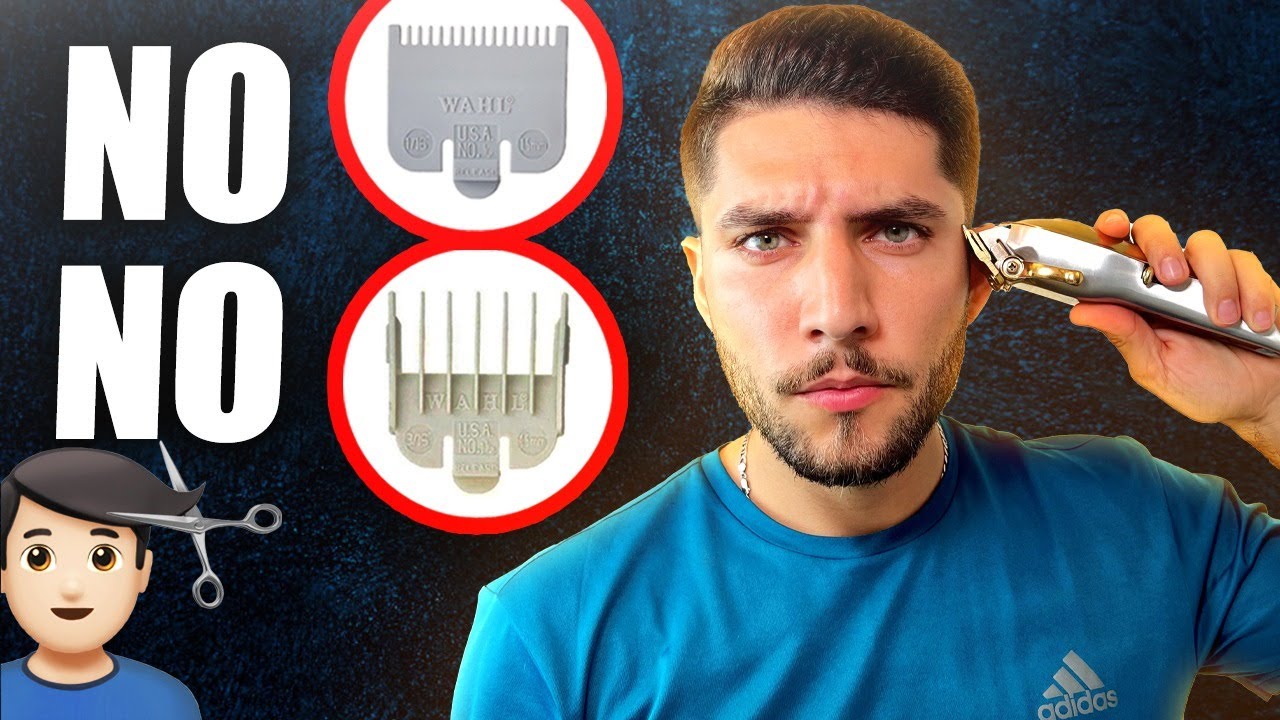
Yes, you can use a trimmer without a guard. Doing so requires extra caution to avoid injury or uneven cuts.
Using a trimmer without a guard can achieve a closer, more precise shave. It’s crucial to handle the trimmer carefully to prevent nicks and cuts. Professionals often use this method for clean lines and detailed work. Regular users should practice to gain confidence and control.
Proper maintenance of the trimmer blades ensures better performance and reduces the risk of skin irritation. Always sanitize the trimmer before and after use. Remember, patience and steady hands are key to mastering this technique. It’s advisable to start with small areas before attempting a full trim without a guard.

Credit: www.wikihow.com
Trimmer Guard Basics
Using a trimmer can be tricky. A trimmer guard is an essential part of the tool. It helps to protect your skin and ensure even trimming. Let’s dive into the basics of trimmer guards.
Functions Of A Guard
The guard serves several important functions:
- Protects the skin from cuts and nicks
- Ensures even and consistent trimming
- Helps maintain the desired hair length
Without a guard, you risk injuring your skin. The trimmer might also cut hair unevenly. This can lead to a patchy look.
Types Of Guards
There are various types of guards available:
| Type | Description |
|---|---|
| Fixed Guards | These guards have a set length. They are not adjustable. |
| Adjustable Guards | These guards allow you to choose different lengths. They are more versatile. |
| Specialty Guards | These are designed for specific purposes. For example, they may be for trimming beards or eyebrows. |
Choosing the right guard depends on your needs. Fixed guards are simple and easy to use. Adjustable guards offer more flexibility. Specialty guards cater to specific grooming tasks.
Using A Trimmer Without A Guard
Using a trimmer without a guard is a common practice for many. People often wonder if it’s safe or beneficial. This section will explore the potential benefits and popular scenarios of using a trimmer without a guard.
Potential Benefits
Using a trimmer without a guard offers several advantages:
- Precision: Achieve a closer and more precise cut.
- Flexibility: Easier to trim hard-to-reach areas.
- Speed: Faster trimming as there’s no guard to slow you down.
These benefits appeal to many users, making the practice popular.
Popular Scenarios
There are specific scenarios where users prefer no guard:
- Detail Work: Ideal for shaping beards or mustaches.
- Head Shaving: Preferred for a clean, bald look.
- Body Grooming: Useful for close body hair trimming.
In these cases, the trimmer without a guard provides better results.
| Scenario | Reason |
|---|---|
| Detail Work | Precision in shaping beards |
| Head Shaving | Achieving a bald look |
| Body Grooming | Close body hair trimming |
Choosing to use a trimmer without a guard can be beneficial. It’s important to know the right scenarios and benefits.
Risks To Personal Safety
Using a trimmer without a guard can be very risky. The guard is there to protect you. Without it, you expose yourself to many dangers. Let’s explore the main risks to your safety.
Injury Possibilities
Without a guard, the trimmer blades are fully exposed. This can lead to cuts and scrapes. The blades can easily nick your skin. Even a small slip can cause deep wounds.
Another risk is contact with sharp objects. The guard usually blocks small objects. Without it, these objects can hit you. Stones, sticks, or debris can hurt you.
Using a trimmer without a guard also raises the risk of electrical hazards. Water or metal can cause shocks. The guard helps prevent these accidents.
Eye Protection
Your eyes are very vulnerable when using a trimmer. The guard helps block flying debris. Without it, small particles can hit your eyes.
Wearing safety goggles is crucial. Goggles can protect your eyes from dirt and debris. But the guard adds an extra layer of safety.
Flying objects can cause serious eye injuries. A pebble or twig can cause blindness. Always use a guard to keep your eyes safe.
| Risk | Potential Harm |
|---|---|
| Exposed Blades | Cuts and scrapes |
| Flying Debris | Eye injuries |
| Electrical Hazards | Shocks |
Using a trimmer without a guard is very dangerous. Always use the guard for your safety.

Credit: m.youtube.com
Damage To Hair And Scalp
Using a trimmer without a guard can cause significant damage to hair and scalp. This practice leads to uneven cuts and scalp irritation. It’s essential to understand the risks before proceeding.
Uneven Cuts
Without a guard, the trimmer may cut hair unevenly. This results in an unbalanced look. Trimmers are designed to work with guards for precise cuts. Guards help maintain a uniform length across your scalp. When you skip the guard, you risk creating patches of shorter hair. This can be difficult to fix. Uneven cuts can make your hairstyle look messy.
Scalp Irritation
Trimmers without guards can cause scalp irritation. The blades come into direct contact with the skin. This can lead to cuts and abrasions. Irritated skin can become red and sore. In severe cases, it may cause bleeding. Using a guard acts as a protective barrier. It prevents the blades from touching the scalp. This reduces the risk of irritation and injury.
| Issue | Description |
|---|---|
| Uneven Cuts | Results in patches of different hair lengths. |
| Scalp Irritation | Causes red, sore, and sometimes bleeding skin. |
- Uniform Length: Guards help achieve a consistent hair length.
- Protection: Guards protect the scalp from direct contact with blades.
- Precision: Guards allow for more precise and controlled trimming.
Impact On The Trimmer
Using a trimmer without a guard can significantly affect its performance. It may seem like a minor detail, but it has major consequences.
Blade Wear And Tear
Without a guard, the blade comes into direct contact with the skin. This can dull the blade quickly. The blade may also get damaged if it hits hard surfaces. This can reduce its lifespan.
Regular use without a guard can lead to frequent blade replacements. This is not cost-effective. It can also result in uneven cuts and pulls on the hair.
Motor Strain
The motor is designed to work with a guard. Without it, the motor may have to work harder. This can cause it to overheat.
Over time, the motor’s lifespan can shorten. It might also reduce the trimmer’s overall efficiency. This can lead to unexpected breakdowns.
| Impact | Description |
|---|---|
| Blade Wear and Tear | Direct contact dulls the blade quickly. |
| Motor Strain | Increased workload can overheat the motor. |
- Frequent blade replacements
- Potential for uneven cuts
- Increased motor wear
- Higher risk of trimmer failure
Professional Recommendations
Using a trimmer without a guard can be risky. Experts advise caution. Below, we explore professional recommendations for safe usage.
Expert Opinions
Most experts agree on using a guard for safety. Dermatologists warn about skin injuries. Professional barbers suggest using a guard to avoid uneven cuts.
Trimmer manufacturers also recommend guards. This ensures optimal performance and prevents damage.
Best Practices
Follow these best practices for safe trimming:
- Always start with a guard.
- Use short, controlled strokes.
- Check the trimmer’s blade condition.
Proper maintenance of your trimmer is essential. Clean and oil it after every use. Read the user manual for specific guidelines.
Precautionary Measures
Adopt these precautionary measures:
- Test the trimmer on a small area first.
- Use a mirror for a clear view.
- Trim in a well-lit environment.
Using a trimmer without a guard requires extra care. Stay alert and avoid distractions. Protect your skin and ensure a safe trimming experience.

Credit: www.wikihow.com
Frequently Asked Questions
Can I Trim Without A Guard?
Yes, you can trim without a guard. Be cautious to avoid uneven cuts or skin irritation.
Do You Need A Guard For Trimmers?
Yes, using a guard for trimmers is essential. It ensures safety and provides a more precise trimming experience.
Can I Cut My Hair With No Guard?
Yes, you can cut your hair with no guard, but it results in a very short, almost bald look. Use caution to avoid injury.
Why Do Landscapers Take The Guard Off String Trimmers?
Landscapers remove guards from string trimmers for better visibility and maneuverability. It helps them trim more precisely and efficiently.
Conclusion
Using a trimmer without a guard can be risky. It may lead to cuts or uneven trimming. Always prioritize safety and proper technique. If you choose to go without a guard, proceed with caution. Understanding your trimmer and practicing can help achieve your desired look safely.