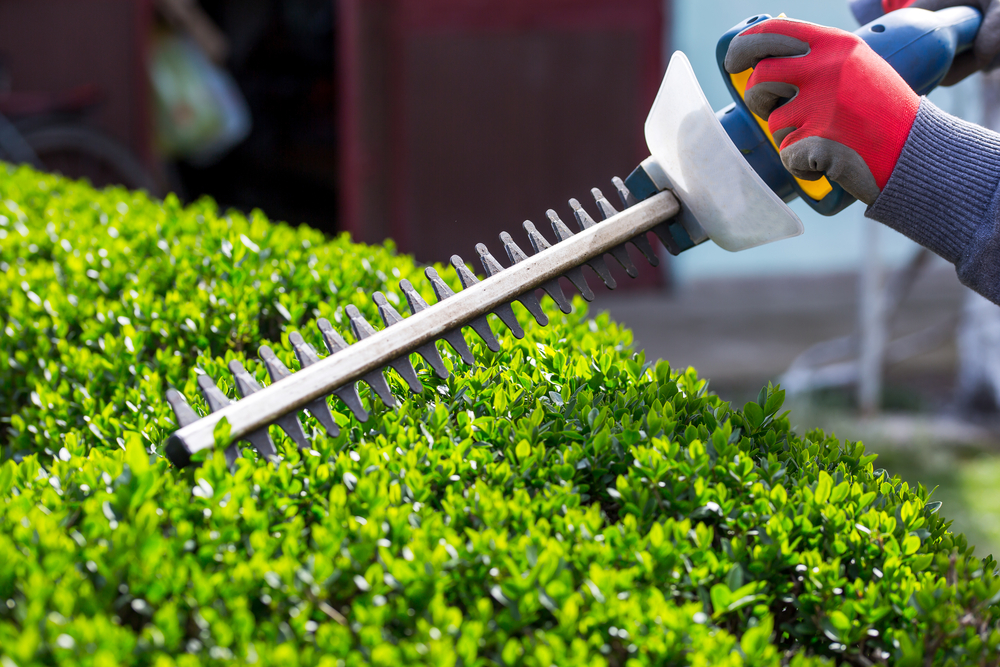
A hedge trimmer can cut branches if they are thin enough and the trimmer is powerful enough to handle them. However, it is not always the best tool for cutting branches, as it is designed for trimming hedges and bushes.
Hand pruning is typically a better option for cutting branches, as it allows for more control and precision. Using a hedge trimmer on thick branches may result in damage to the trimmer or an ineffective cut. Before using a hedge trimmer, it is important to consider the size and thickness of the branches you need to cut, and determine if a different tool would be more suitable.
Can A Hedge Trimmer Cut Branches?
Wondering whether a hedge trimmer can handle cutting branches? You’re not alone! Many garden enthusiasts are unsure about the capabilities of this tool when it comes to dealing with thicker branches. In this section, we will address your doubts and provide you with all the information you need to understand the potential of a hedge trimmer when it comes to cutting branches.
Understanding Hedge Trimmers
Hedge trimmers are compact and versatile tools designed to help you maintain the shape and size of your shrubs and hedges. They come in different types, including electric, cordless, and gas-powered, catering to various preferences and needs. These trimmers consist of reciprocating blades that move back and forth rapidly to trim the vegetation in a straight line.
Difference Between Hedge Trimmers And Hedge Cutters
It’s important to note that hedge trimmers and hedge cutters are not the same. While hedge trimmers are ideal for maintaining small to medium-sized hedges and shrubs, hedge cutters are better suited for handling thicker hedges and branches. Hedge cutters typically have more power and feature larger blades to tackle tougher jobs.
When it comes to cutting branches, hedge trimmers have limitations based on the size and thickness of the branches. While they can handle branches that fit between the teeth of the trimmer’s blade, attempting to cut branches that are too thick may put strain on the tool or result in an ineffective cut.
If you’re looking to trim branches, it’s always best to assess their size and thickness beforehand. If the branches are within the recommended range of your hedge trimmer, you can proceed with confidence. However, for larger branches, it’s advisable to use a more powerful tool, such as a chainsaw or a manual pruning saw.
In conclusion, hedge trimmers can indeed cut branches, but there are limits to the size and thickness they can handle. Understanding the capabilities of your hedge trimmer and knowing when to utilize more suitable tools will ensure efficient and effective branch cutting while maintaining the longevity of your trimmer.
Best Practices For Cutting Branches
Looking to cut branches? Wondering if a hedge trimmer can do the job? Check out our comprehensive guide on the best practices for cutting branches with a hedge trimmer. Find out what types of branches a hedge trimmer can handle and get expert tips for a successful cutting experience.
Suitability Of Hedge Trimmers For Branch Cutting
When it comes to cutting branches, using a hedge trimmer can be a convenient option. Hedge trimmers are primarily designed for trimming and shaping hedges, but they can also handle cutting smaller branches. Before using a hedge trimmer for branch cutting, it is important to assess whether it is suitable for the task.
Here are a few factors to consider:
- The size of the branches: Hedge trimmers are most effective for cutting branches that are smaller in diameter, typically around 1 inch or less. Anything larger than that may require a more powerful tool, like a chainsaw or a pruning saw.
- The type of branches: Hedge trimmers work best on softer branches, such as those found on shrubs or bushes. If you are dealing with thicker or harder branches, you may need a different tool.
| Branch Diameter | Suitability |
|---|---|
| Less than 1 inch | Yes |
| 1 inch or more | No |
Potential Risks And Safety Measures
While using a hedge trimmer to cut branches can be convenient, it is essential to be aware of the potential risks involved. Understanding and implementing safety measures is crucial to prevent accidents and injuries.
- Wear protective gear: Always wear safety goggles, gloves, and ear protection when operating a hedge trimmer. This will help protect against flying debris and reduce the risk of hearing damage.
- Ensure a stable footing: Position yourself properly and maintain a stable footing while cutting branches. This will help you maintain control of the trimmer and prevent accidents.
- Avoid overhead branches: Be cautious of overhead branches and avoid cutting them while using a hedge trimmer. These branches can cause the trimmer to kick back and potentially injure you.
- Inspect the area: Before starting, inspect the area for any obstacles, such as rocks or wires, that could pose a hazard while using the trimmer. Clearing the area will prevent damage to the trimmer and reduce the risk of accidents.
- Maintain proper technique: Follow the manufacturer’s instructions for operating the hedge trimmer and maintain a proper cutting technique. This will ensure efficient cutting and minimize the risk of accidents.
By considering the suitability of hedge trimmers for branch cutting and implementing the necessary safety measures, you can safely and effectively use a hedge trimmer to trim branches.
Alternatives To Hedge Trimmers
When it comes to maintaining your garden, hedge trimmers may not always be the best option for cutting branches, especially if you’re looking for precision or need to tackle larger branches. Fortunately, there are different tools and methods to consider for specific cutting needs. Below are some alternatives to hedge trimmers that can help you achieve the results you desire.
Using Shears And Pruners For Precision Cutting
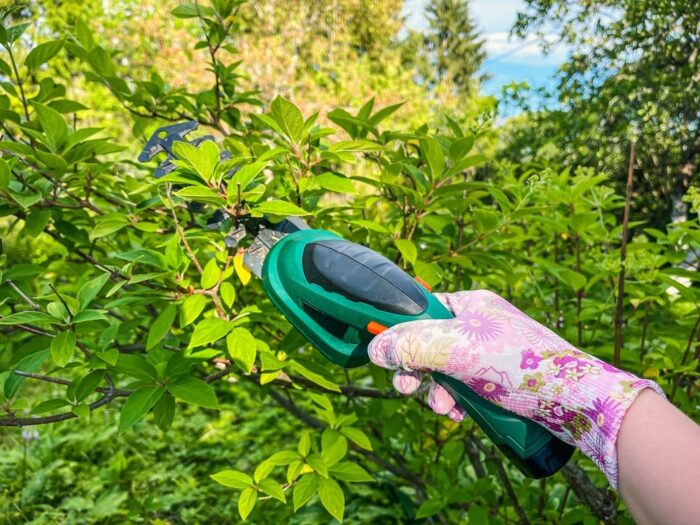
For precision cutting and shaping, shears and pruners are excellent alternatives to hedge trimmers. These handheld tools allow for careful, targeted cutting to achieve the desired shape and appearance of smaller bushes and hedges. They are particularly useful for trimming hard-to-reach areas or for detail work where precision is crucial.
Utilizing Pole Saws For Larger Branches
When dealing with larger branches that are beyond the capacity of a hedge trimmer, a pole saw becomes an essential tool. With their extended reach, pole saws allow you to safely trim and prune tall trees without the need for a ladder. They are specifically designed to handle thicker branches and larger cutting jobs, providing a practical solution for reaching and cutting higher, denser foliage.

Credit: www.amazon.com
Choosing The Right Tool For The Job
When it comes to cutting branches, choosing the right tool for the job is crucial. Many people often wonder, can a hedge trimmer cut branches? The answer is yes, but it’s important to consider several factors when selecting cutting tools. In this section, we will explore the factors to consider and the benefits of each tool for branch cutting.
Factors To Consider When Selecting Cutting Tools
Before deciding on which tool to use for cutting branches, there are a few factors you should take into account:
- Branch Thickness: Consider the thickness of the branches you need to cut. This will determine the power and capacity requirements of the cutting tool.
- Reach: Evaluate the height and reach of the branches. If they are high and out of reach, you may need a tool with an extended reach, such as a pole saw.
- Control: Determine how much control you need over the cutting process. Hedge trimmers may offer more precision, while larger blades like those found on hedge cutters may be better for thicker hedges and branches.
- Accessibility: Assess the accessibility of the branches. If they are in hard-to-reach areas or deep within the hedge, you may need a tool that can navigate tight spaces.
Benefits Of Each Tool For Branch Cutting
Now let’s explore the benefits of each cutting tool when it comes to cutting branches.
| Hedge Trimmer | Hedge Cutter | Pole Saw |
|---|---|---|
|
|
|
By considering the branch thickness, reach, control, and accessibility, you can choose the cutting tool that is best suited for the job at hand. Whether it’s a hedge trimmer, hedge cutter, or pole saw, selecting the right tool will ensure efficient and effective branch cutting.
Maintaining Your Hedge Trimmer
Regular maintenance is key to ensuring that your hedge trimmer performs at its optimal level. By taking the time to clean and sharpen the blades, you can extend the life of your equipment and achieve the best results every time you use it. Let’s explore some useful tips on how to maintain your hedge trimmer for long-term performance.
Regular Maintenance For Optimal Performance
Just as with any other gardening tool, regular maintenance is essential for keeping your hedge trimmer in top shape. Follow these simple steps to ensure that your equipment remains in optimal condition:
- Inspect the trimmer before each use to check for any loose or damaged parts.
- Clean the debris and sap from the blades after each use.
- Replace worn or damaged blades to maintain the trimmer’s cutting ability.
- Apply lubricating oil to the moving parts to prevent rust and ensure smooth operation.
- Store the hedge trimmer in a clean and dry place to prevent rust and damage.
Cleaning And Blade Sharpening Tips
Cleaning and sharpening the blades of your hedge trimmer are crucial steps in its maintenance routine. Consider the following tips to keep your blades sharp and your trimmer performing at its best:
- Use a soft brush or cloth to remove debris and sap from the blades.
- Wipe the blades with a mild soap and water solution to remove stubborn dirt.
- Dry the blades thoroughly to prevent rust.
- Inspect the blades for any signs of dullness or damage.
- Sharpen the blades using a file or a sharpening stone, following the manufacturer’s instructions.
- Test the sharpness of the blades by cutting a small branch. If the cut is clean, the blades are sharp.
By following these maintenance tips, you can ensure that your hedge trimmer remains in top shape and cuts through branches with ease. Remember to prioritize regular maintenance to keep your equipment performing at its best.
Credit: www.thomasnet.com
Conclusion And Recommendations
After exploring the capabilities of hedge trimmers for cutting branches, it’s evident that they can be quite effective if used correctly. However, it’s essential to understand their limitations and follow recommended practices for safe and efficient branch cutting.
Summary Of Suitable Applications For Hedge Trimmers
Hedge trimmers are suitable for trimming and shaping hedgerows, medium-to-large bushes, and hard-to-reach areas. They can also be used for pruning perennials, grasses, and ground cover, as well as cutting any branches that fit between the teeth of the trimmer’s blade.
Recommended Practices For Branch Cutting
- Ensure that the branches to be cut are within the recommended thickness that the hedge trimmer can handle.
- Regularly maintain and sharpen the trimmer blades for optimal performance.
- Use safety equipment such as gloves, goggles, and hearing protection when operating a hedge trimmer.
- Before cutting, inspect the area to ensure there are no obstacles or debris that could interfere with the cutting process.
- Always follow the manufacturer’s guidelines for proper operation and maintenance of the hedge trimmer.
Credit: utahtreeco.com
Frequently Asked Questions Of Can A Hedge Trimmer Cut Branches
How Thick Of Branch Can A Hedge Trimmer Cut?
A hedge trimmer can cut branches that fit between its blade’s teeth, but it is not ideal for cutting thick branches.
What Can Hedge Trimmers Cut?
Hedge trimmers can cut hedge branches, medium-to-large bushes, and deep, hard-to-reach bushes. They can also prune perennials, grasses, ground cover, and any branches that fit between the teeth of the trimmer’s blade. However, they are not suitable for heavy-duty tree branches.
Can I Use Hedge Trimmer To Cut Bushes?
Yes, you can use a hedge trimmer to cut bushes. Hedge trimmers are suitable for trimming and shaping hedgerows, medium-to-large bushes, and hard-to-reach bushes. They can also prune perennials, grasses, and ground cover. However, hand pruning is recommended for better control and plant health.
What Is The Difference Between A Hedge Trimmer And A Hedge Cutter?
A hedge trimmer is ideal for smaller workloads and precision cuts, while a hedge cutter has more power and larger blades to tackle thick hedges and branches.
Conclusion
A hedge trimmer can cut branches, but it’s important to consider the thickness and power of the trimmer for optimal results. While it’s suitable for smaller branches, for thicker ones, a hedge cutter may be more effective. Understanding the tool’s limitations ensures efficient and safe branch trimming.