Yes, string trimmer line is not universal and comes in different sizes and shapes. Depending on the trimmer you have, you may need a specific type of string trimmer line to fit your machine properly.
If you’re a homeowner or professional landscaper, keeping your yard pristine and well-maintained is likely a top priority. Your string trimmer is an essential tool for achieving precise edges and trimming grass in hard-to-reach areas. However, selecting the right string trimmer line can be a daunting task, as it comes in various diameters, shapes, and materials.
Understanding the differences between these options and knowing which one is compatible with your trimmer will help you to make an informed decision. This guide will provide an overview of string trimmer lines, helping you choose the right one for your landscaping needs.

Credit: www.amazon.com
Is String Trimmer Line Universal?
String trimmer line is not universal, as there are different types and sizes available to accommodate various trimmer models and cutting needs.
It is important to select the correct string trimmer line that is compatible with your specific trimmer model to ensure optimal performance and efficiency.
The size and shape of the trimmer line can vary, with options such as round, square, or serrated edges, each designed for different cutting applications.
Additionally, the diameter of the trimmer line may also differ depending on the power and capabilities of your trimmer.
Therefore, it is recommended to consult your trimmer’s user manual or contact the manufacturer to determine the appropriate string trimmer line for your specific equipment.
By using the correct trimmer line, you can achieve clean and precise cuts while prolonging the lifespan of your trimmer.
Different Types Of String Trimmer Lines
When it comes to maintaining a well-manicured lawn, the type of string trimmer line you use is crucial for achieving clean and efficient trimming results. There are different types of string trimmer lines available on the market, each with its unique features and benefits. Understanding the differences between these types can help you choose the most suitable trimmer line for your specific lawn care needs.
Round Trimmer Line
The round trimmer line is the most common type and is suitable for general grass and weed trimming. It is easy to use and durable, making it a popular choice for homeowners and professionals alike. The round shape ensures smooth and even cutting, making it ideal for regular lawn maintenance.
Twisted Trimmer Line
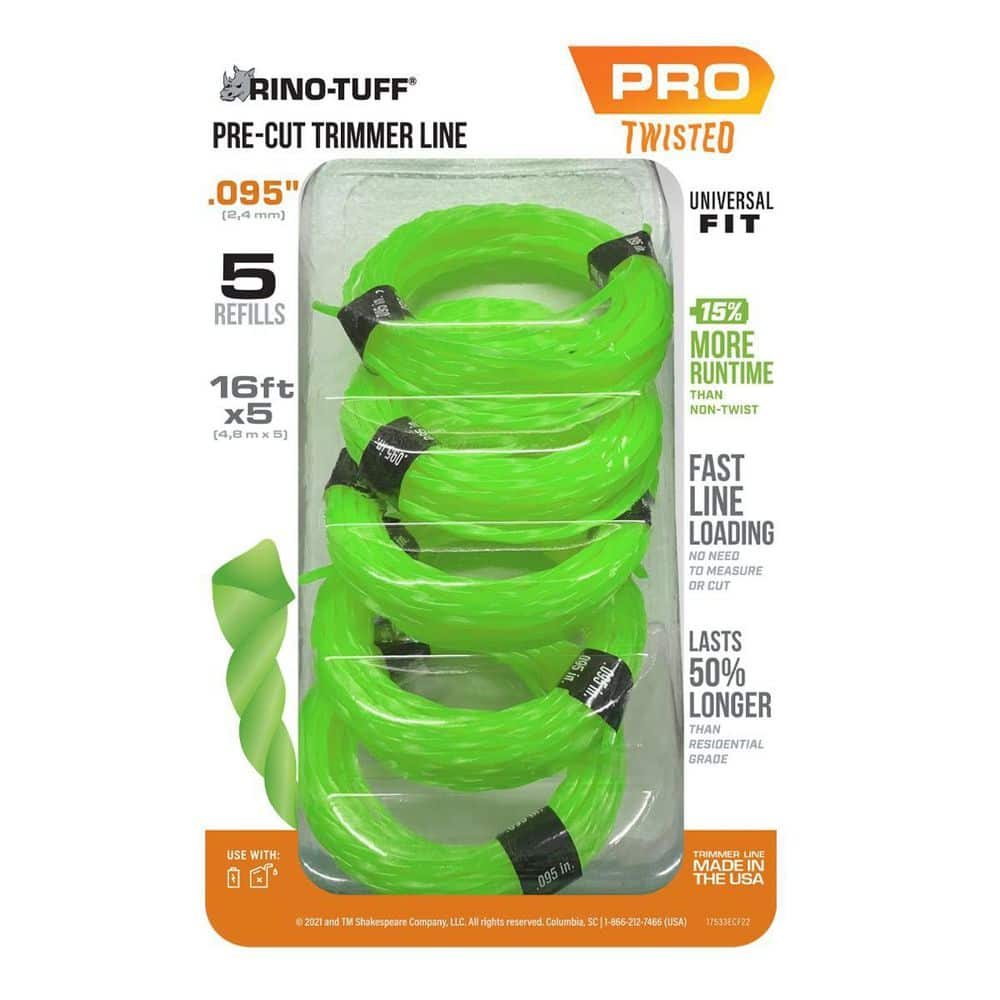
Twisted trimmer lines are designed with a twisted shape, which provides improved cutting power and efficiency. The spiral design allows for better cutting performance, making it ideal for tougher vegetation and thicker grass. It is a versatile option that can handle more demanding trimming tasks with ease.
Serrated Trimmer Line
Serrated trimmer lines feature small teeth or serrations along the edges, enhancing their cutting ability and precision. This type of trimmer line is highly effective for cutting through tough and dense vegetation, such as thick weeds and brush. The serrated edges provide aggressive cutting action, resulting in cleaner and faster trimming.
Factors To Consider When Choosing A String Trimmer Line
Choosing a string trimmer line involves considering several factors to ensure its compatibility with your trimmer. While there isn’t a universal string trimmer line, important factors to consider include the trimmer’s power output, line thickness, material, and whether it offers a versatile range of cutting options.
Factors to Consider When Choosing a String Trimmer Line When it comes to keeping your lawn well-manicured, a string trimmer is an essential tool. However, choosing the right trimmer line is crucial for optimum performance. Let’s explore the key factors to consider when selecting a string trimmer line.
Lawn Size And Type
For a small or medium-sized lawn with delicate grass, opt for a lighter trimmer line to avoid damaging the grass. Conversely, a larger lawn with thick, dense grass requires a heavy-duty, thicker trimmer line for efficient cutting.
Power Of The Trimmer
Consider the power of your trimmer when selecting the trimmer line. A high-powered trimmer can handle thicker lines, improving cutting performance, while a lower-powered trimmer will work best with a thinner line to prevent strain on the motor.
Thickness And Diameter
The thickness and diameter of the trimmer line are crucial factors. Thicker lines are more durable and suitable for heavy-duty tasks, while thinner lines are ideal for lighter trimming jobs.
Ease Of Replacement
When choosing a trimmer line, consider the ease of replacement. Look for user-friendly options that offer quick and hassle-free replacement to minimize downtime during yard work. In summary, selecting the right string trimmer line involves considering factors such as lawn size and type, the power of the trimmer, line thickness and diameter, and ease of replacement. By evaluating these key factors, you can ensure optimal performance and efficiency when maintaining your lawn.
Pros And Cons Of Universal String Trimmer Line
When it comes to choosing the right string trimmer line for your yard, you may be wondering if universal string trimmer line is the best option. Universal string trimmer line is designed to fit a wide range of trimmer models from different manufacturers. While there are some advantages to using universal line, there are also a few disadvantages to consider. In this article, we will explore the pros and cons of universal string trimmer line to help you make an informed decision.
Advantages
| 1. Versatility: | Universal string trimmer line is compatible with various trimmer models, making it a versatile choice for homeowners with different trimmers. It eliminates the need to search for specific line sizes or brands, saving you time and effort. |
| 2. Availability: | Universal string trimmer line is widely available in hardware stores and online retailers. You can easily find it in different thicknesses, shapes, and materials, ensuring you have options that suit your trimming needs. |
| 3. Cost-effective: | Universal line is often more affordable compared to branded trimmer lines. This can save you money in the long run, especially if you have a large yard that requires frequent trimming. |
Disadvantages
- Bia-incompatibility: Some users may experience compatibility issues with certain trimmer models. While universal line is designed to fit most trimmers, it may not work optimally with all of them. It’s important to check your trimmer’s specifications or consult the manufacturer before purchasing universal line.
- Quality: Universal string trimmer line may vary in quality, depending on the brand or manufacturer. Cheaper options may wear out quickly or break easily, resulting in frequent line replacements. Investing in a higher-quality universal line can help mitigate this issue.
- Specific requirements: If you have specific trimming needs, such as heavy-duty or specialized trimming, universal line may not always meet these requirements. Branded lines may offer specialized features or materials that are better suited for certain tasks.
In conclusion, universal string trimmer line offers versatility, availability, and cost-effectiveness, making it a popular choice for many homeowners. However, compatibility issues, variable quality, and specific trimming requirements are some considerations to keep in mind. It’s crucial to balance the advantages and disadvantages before deciding on the best trimmer line for your yard.

Credit: www.amazon.com
How to Determine Compatibility Of Trimmer Line
When it comes to purchasing trimmer line for your string trimmer, it’s important to ensure that the line you choose is compatible with your specific trimmer model. Using the wrong type of trimmer line can result in poor performance and potential damage to your trimmer. In this article, we’ll discuss how to determine the compatibility of trimmer line, taking into account the manufacturer’s recommendations and trimmer head compatibility.
Trimmer Manufacturer’s Recommendations
One of the first things you should consider when determining trimmer line compatibility is the recommendations provided by the manufacturer of your trimmer. Manufacturers often specify the type and diameter of trimmer line that is best suited for their trimmer models. These recommendations are typically listed in the trimmer’s user manual or on the manufacturer’s website.
To find the manufacturer’s recommendations for your trimmer, start by identifying the make and model of your trimmer. With this information, visit the manufacturer’s website or refer to the user manual. Look for a section or page specifically dedicated to trimmer line recommendations. Here, you’ll find valuable information about the type of trimmer line, such as the material, diameter, and shape, that is recommended for optimal performance.
It’s important to adhere to the manufacturer’s recommendations as closely as possible. Using trimmer line that deviates significantly from the recommended specifications may result in decreased cutting efficiency or even damage to your trimmer.
Trimmer Head Compatibility
In addition to considering the manufacturer’s recommendations, you should also take into account the compatibility of the trimmer line with your trimmer head. The trimmer head is the component of your trimmer that holds and spins the trimmer line. Different trimmer heads have varying requirements in terms of the length and diameter of the trimmer line they can accommodate.
To determine the compatibility of trimmer line with your trimmer head, start by examining the head itself. Look for any markings or labels that indicate the maximum length and diameter of trimmer line that can be used. If this information is not readily available on the head, consult the trimmer’s user manual or contact the manufacturer for assistance.
It’s important to note that some trimmer heads may require specific types of trimmer line, such as a specific shape or material. Make sure to check the trimmer head’s compatibility requirements for these additional specifications as well.
By considering both the manufacturer’s recommendations and the trimmer head compatibility, you can ensure that the trimmer line you choose will be compatible with your trimmer and provide optimal cutting performance. Take the time to research and understand these compatibility factors to avoid any potential issues and make the most of your trimming experience.
Credit: www.homedepot.com
Frequently Asked Questions Of Is String Trimmer Line Universal
What are the common sizes of string trimmer line?
String trimmer lines come in various diameters, including light (0.065- to 0.080-inch), medium (0.080 to 0.110-inch), and heavy (0.110-inch and above). The right size depends on your lawn’s needs and the trimmer’s capabilities
Are there different types of string trimmer line shapes?
Yes, string trimmer lines come in several shapes, including round, twisted, squared, multi-sided (star-shaped), and serrated. Each shape offers different cutting capabilities and durability levels
How do I know which string trimmer line to choose?
Consider the type of vegetation you’re cutting, your trimmer’s specifications, and the line’s durability. For general lawn maintenance, a round or twisted line may suffice. For thicker weeds or more demanding tasks, a squared or serrated line might be more effective
How often should I replace my string trimmer line?
It’s recommended to replace your string trimmer line every spring or as needed. Lines can become brittle and break more easily if they turn old or are exposed to cold winter conditions
Where can I buy string trimmer line?
String trimmer lines are available at most home improvement stores, garden centers, and online retailers such as Amazon, Walmart, and Home Depot. It’s advisable to compare options to find the best line for your needs and budget
Conclusion
It is clear that the notion of string trimmer line being universal is a misconception. While there may be some compatibility between different brands and models, it is essential to consider the specific requirements of your trimmer.
Factors like size, shape, and material composition can significantly impact the performance and effectiveness of the trimmer line.
Therefore, it is recommended to always consult the manufacturer’s guidelines and select the appropriate line for optimal results.