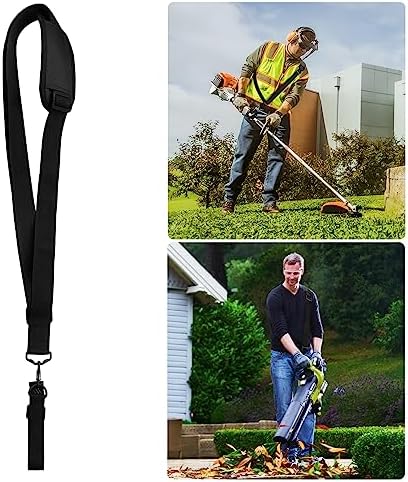
Is a String Trimmer a Weed Wacker? Names Explained
Yes, both names mean the same one tool. You may ask, is a string trimmer a weed wacker? The two names swap free from place to place. This guide sets out names, types, splits and picks. One tool, two names. Names swap by place. The guide weighs both views. Picks close the guide. Types and splits sit inside. One machine in all.
The tool cuts grass and weeds with care. It gets to spots a mower can not reach. Fences, trees and beds all come out neat. Home folks count on it for neat yard edges. Lawn pros treat it as base kit each day. Tight spots yield to it. Edges come out neat. Mowers miss these spots. Pros use it each day. Beds come out neat too. Base kit for lawn pros.
Names by place add weed eater and strimmer too. One live split sets the names apart though. Some parts treat them as two tools in full. Read on to see both views in plain sight. More names join the list. Both views stay in sight. Strimmer joins the names. Read on for both sides. Names grow by place. Views split in one part.
Quick answer: Yes, the two names mean one tool. Both cut grass and weeds in tight spots daily. Shoppers meet both labels on identical models daily. Some writers split them by duty level though. This guide keeps both views side by side.
Is a String Trimmer a Weed Wacker? The Short Answer
A string trimmer trims grass in tight spots. Its spin line of nylon slices plants at speed. The head gets round trees and fences with ease. Beds get clean, sharp edges fast. Nylon line does the cut. Trees and fences yield. Speed slices the growth. Beds get sharp edges. The head gets round trees. Sharp edges mark beds.
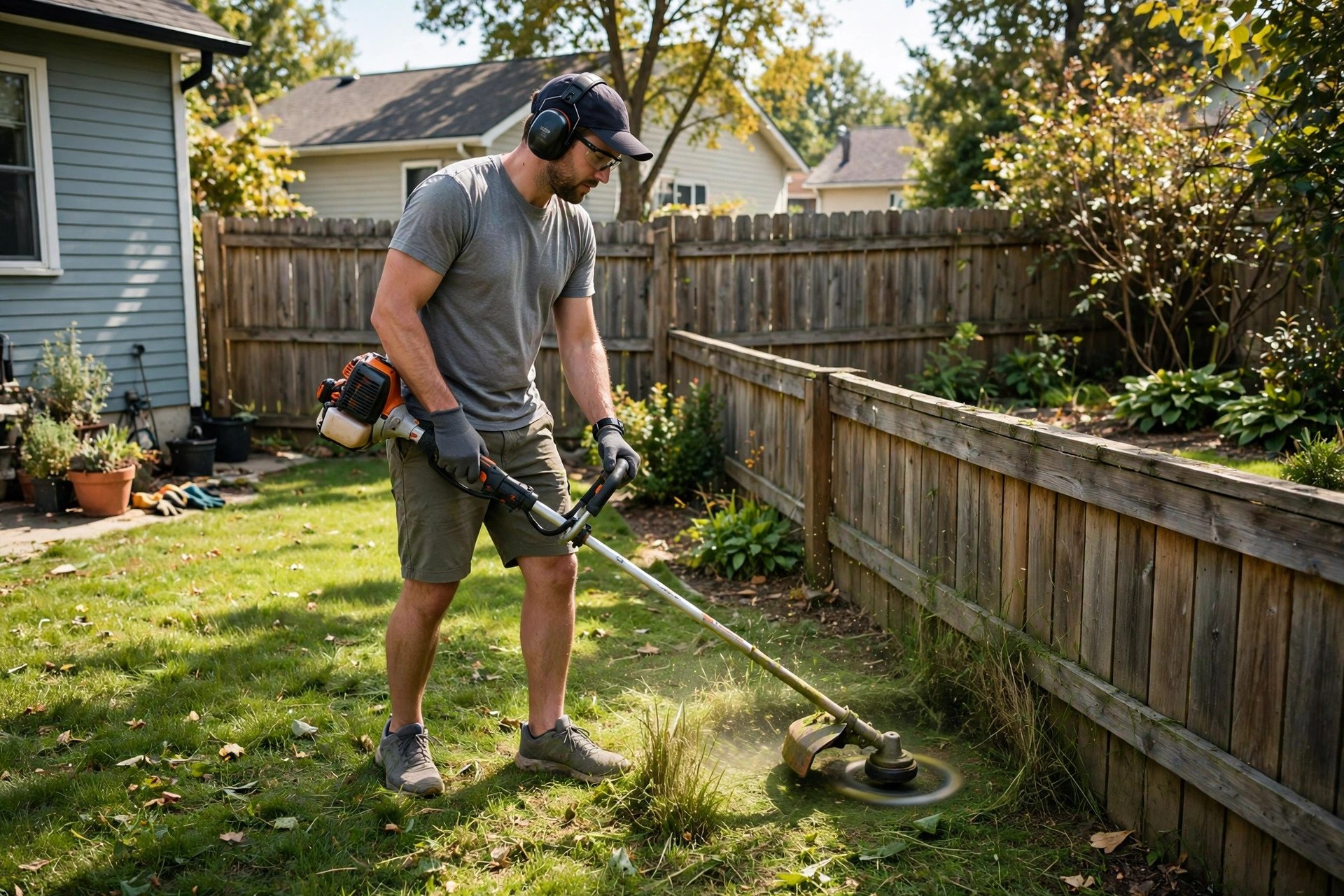
What the Tool Does Best
It trims where mower decks can not reach safe. Edge work, trims and clean-up all suit it well. Thick nooks give way to its spin line fast. Our string trimmer guide covers the base tool. The Wikipedia string trimmer page traces the tool’s past. Decks can not reach there. Clean edges come fast. Edge work suits it well. One guide covers the tool. Thick nooks give way fast. Past facts sit on one page.
One Tool, Many Names Worldwide
Each place backs its own name for it. Weed eater and line trimmer show up a lot too. British folks call the same tool a strimmer. Each name points to one same tool. One tool takes all names. Shops mix the names. Weed eater shows up too. Each name, one tool. British use says strimmer. Points all land on one tool.
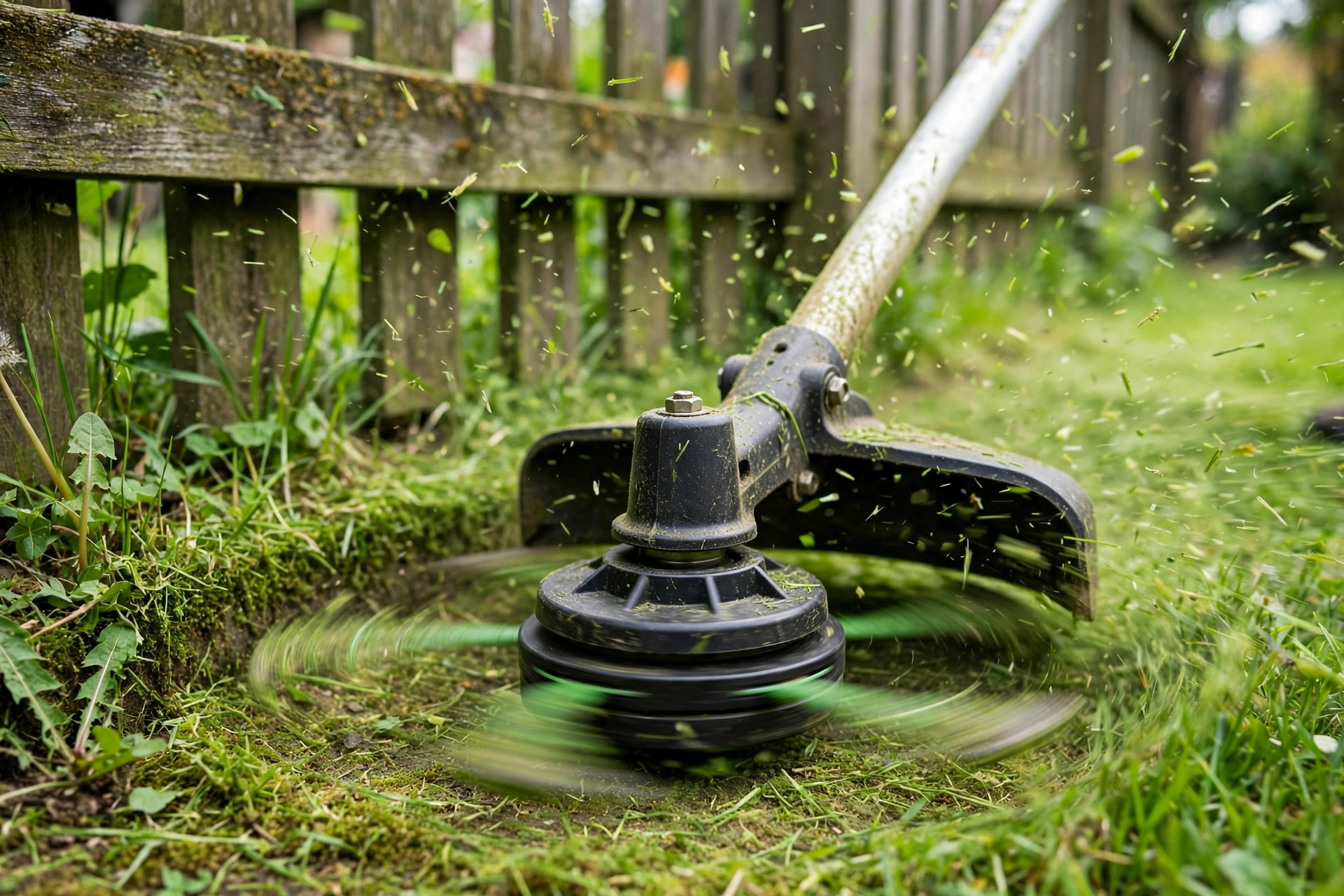
Why the Names Multiply
Place habit shapes which name shops use. Your own taste drives the rest at home. Our weed eater name guide traces the other name. The tool it-self stays the same in all names. Taste drives home use. The tool stays the same. Shops take names from place. Homes take names from taste. The name guide traces one name. No change in the tool.
Gas, Electric, and Battery Types
Three power types cover each yard size. Gas types bring high power and free range. Plug types run clean with less noise. Cell types add ease of move and grip. Gas brings raw power. Cell brings free move. Plug runs clean and low noise. Yards of all size fit. Free range marks gas types. Ease marks cell types.
| Power Type | Post Notes |
|---|---|
| Gas-powered | High power and flexibility for bigger jobs |
| Electric-powered | Eco-friendly running with reduced noise levels |
| Battery-powered | Portability and convenience for many homeowners |
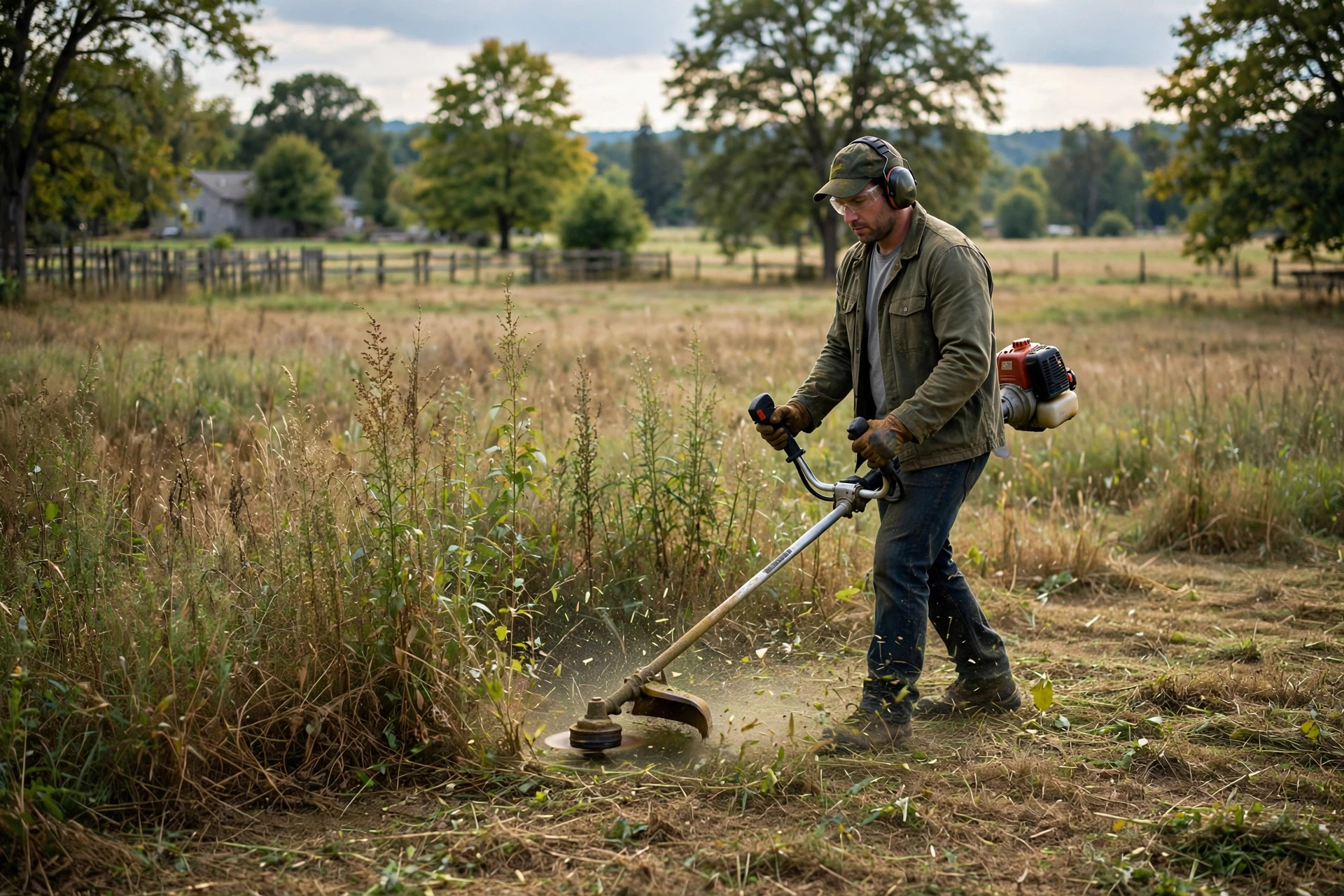
Matching Power to Your Yard
Large, rough yards gain most from gas power. Small lawns suit plug or cell types. Our Worx use guide shows cell tool use. Run time and cords shape the last call. Small lawns suit cell types. Cords shape the call. Rough yards need gas most. Run time counts too. The Worx guide shows cell use. Last calls weigh cords.
Do the Two Names Differ at All?
Most of this post treats both names as one. One full part makes the case for a split though. It splits them by work load and build. The chart below keeps that split in place. One part splits them though. The chart holds the split. Most parts treat them one. Duty drives the split part. Split rests on load and build. Both views stay here.
Please note: This post gives the same tool two treatments. Most sections call the two names identical twins. The differences section splits them by duty instead. Both views stay here exactly as published.
| Point | String Trimmers | Weed Wackers |
|---|---|---|
| Best for | Trimming grass and weeds in tight spaces | Cutting tougher vegetation like thick brush and small saplings |
| Cutting part | Operates using a nylon string | Metal blade or plastic cutting disc |
| Build | Compact and lightweight design | More robust and durable design |
Where the Split Comes From
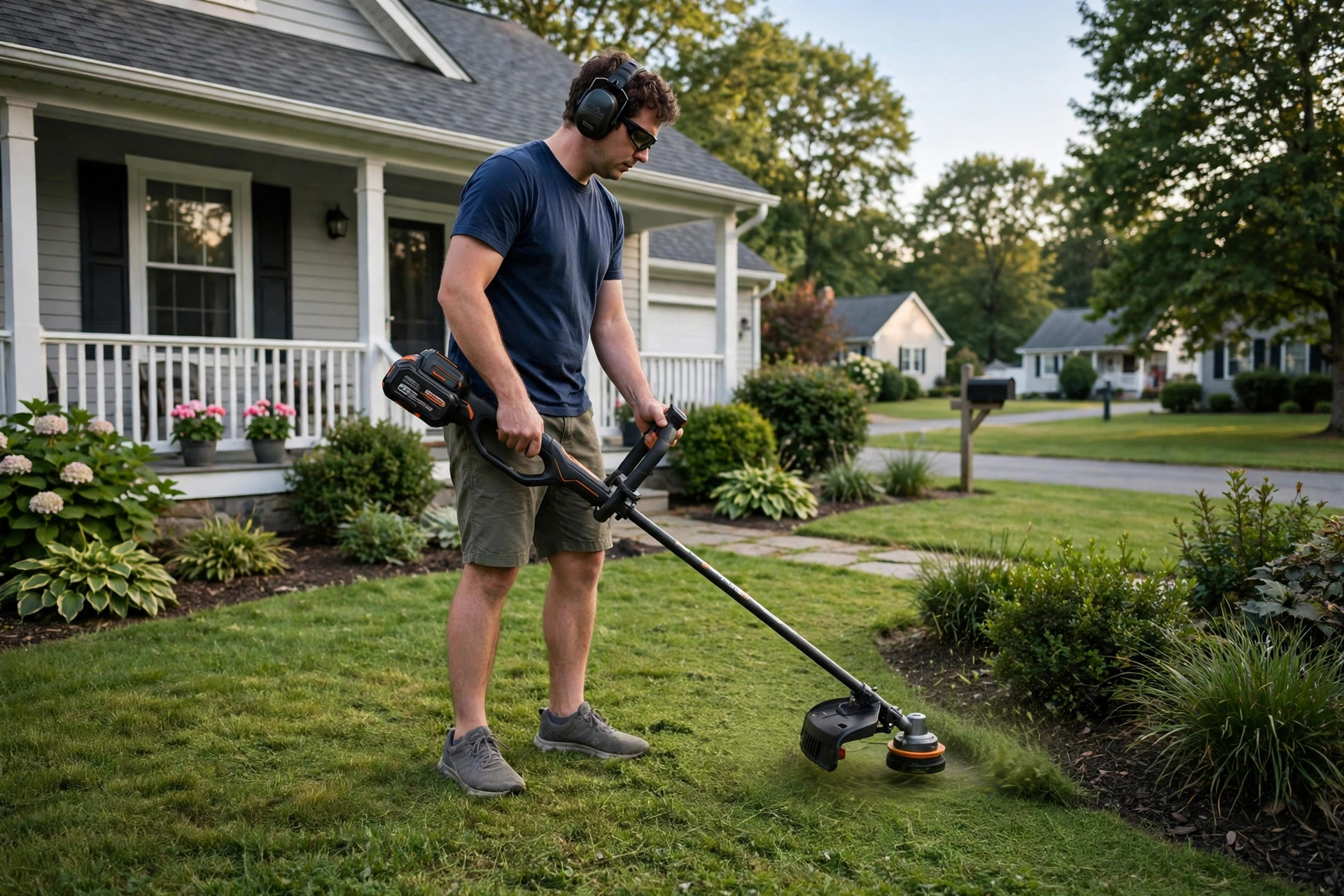
The split part leans on work load most. It casts wackers as big, strong tools. Trimmers turn to the light, fine pick there. Our buying guide weighs power and size needs. Load drives the split view. Light picks serve fine work. Strong builds cast as wackers. Fine work casts as trimmers. The buy guide weighs needs. Power and size both count.
Picking the Right One for Your Yard
Yard size and growth set the pick. Small yards need just light trim power. Large, thick yards call for strong tools. Cost and care ease count as well. Growth size sets the need. Cost counts as well. Light power serves small yards. Strong tools serve thick growth. Thick yards demand strength. Care ease counts too.
Budget and Maintenance Reality
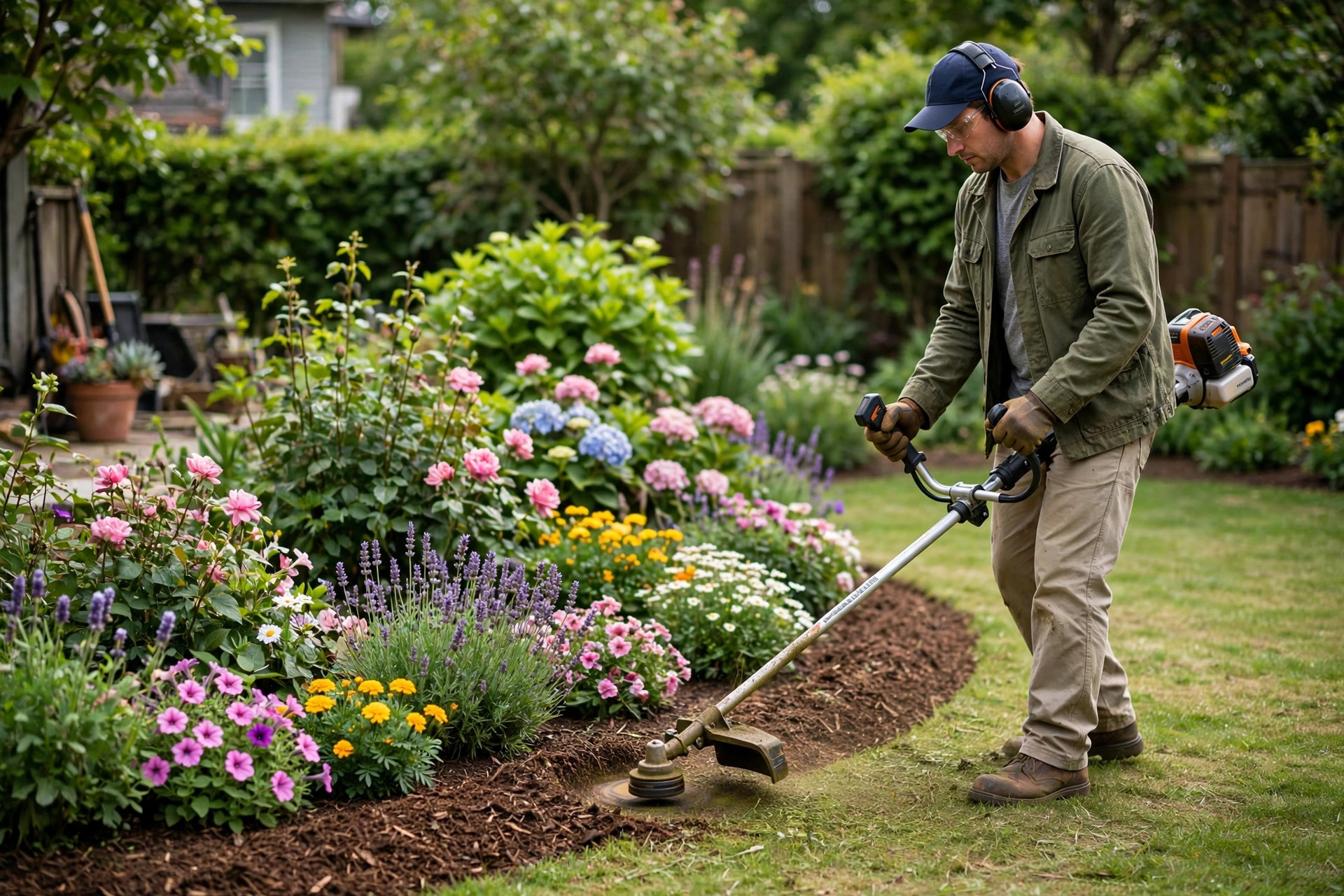
String trimmers tend to cost less at first. They need plain, light care in the main. Wackers add traits like blade sets you can swap. Our weed trimmer use guide covers day use skills. Light care marks trimmers. Blade sets mark wackers. Less cost at first buy. Plain care all through. Day skills sit in one guide. Wackers add more traits.
Benefits Either Way
Both names pledge fast, true trims each day. Snug grips ease long rounds for users. Auto line feed takes out reload fuss in full. Our auto-feed guide sets out that feed way. Snug grips ease long work. Feed takes out fuss. True trims each day. Long rounds ease with grips. The feed guide sets out feed. Fuss leaves with auto feed.
Using Either Tool Safely
Safe gear comes before each trim round. Wear eye guards, ear guards, gloves and long pants. Strong closed-toe shoes guard your feet well. Clear junk and blocks from the work zone. Gear comes first each round. Feet need strong shoes. Pants and gloves guard you. Junk clears from the zone. Closed toes guard feet. Clear zones guard all.
Handling Rules That Matter
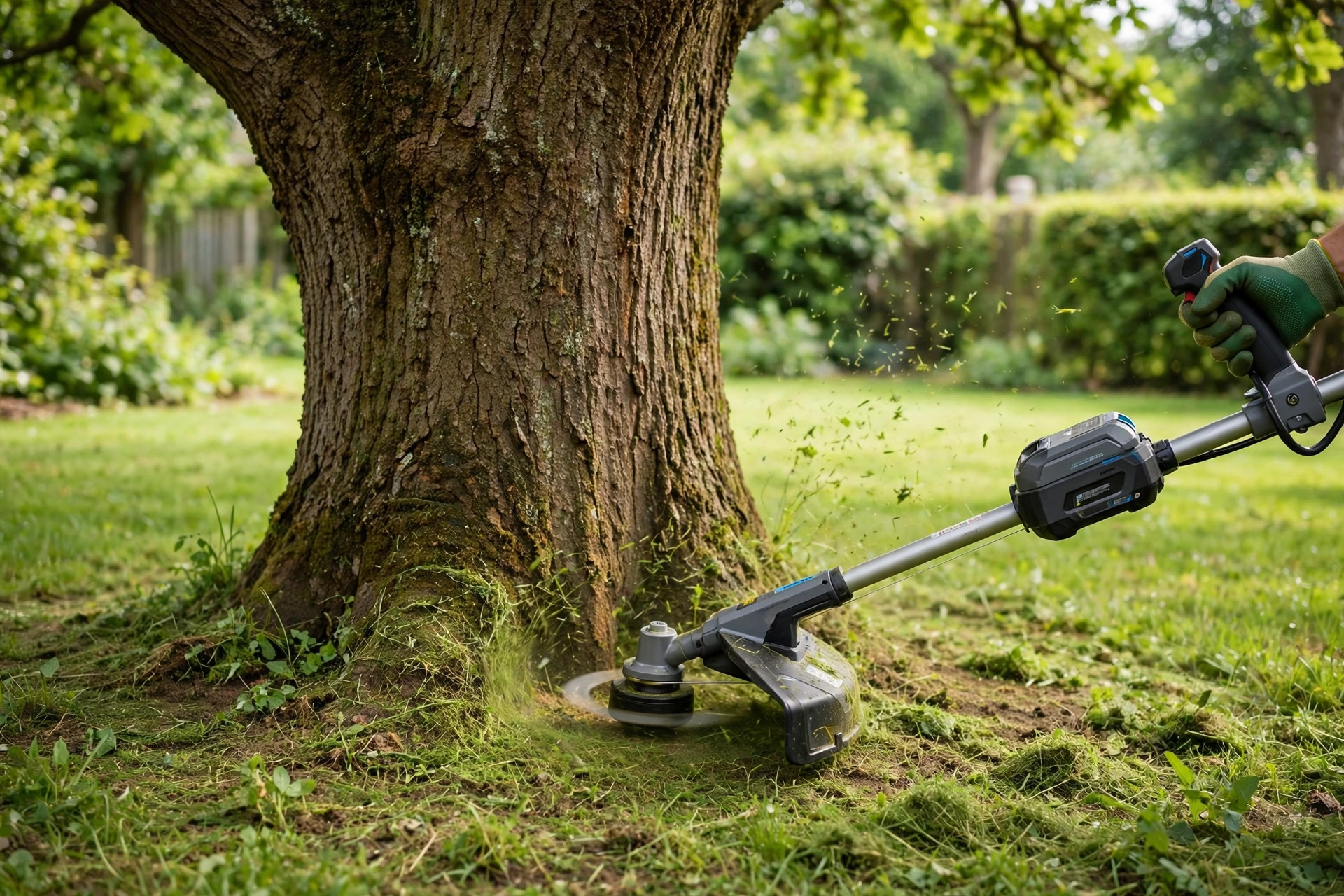
Keep folks and pets far off at all times. Hold the tool firm with both hands. Keep the spin line clear of your skin. Our rental guide covers a test run first. Both hands hold it firm. Line stays off skin. Folks and pets stay far. A rent can test one first. Spin line must stay clear. Firm grips guard hands.
Frequently Asked Questions
Is a string trimmer the same as a weed wacker?
The names differ, but the tool is the same. Both cut and trim grass and weeds. Names swap by place or your own taste. Shops show both names on the same tools. Same tool, both names. Grass and weeds get cut. Labels swap, tools match. Shops stock both names. Cut and trim both fit. Place sets the label.
How does a string trimmer work?
A motor spins a one-strand line at speed. The spin strand strikes and cuts the growth. It gives a clean and true trim. Power comes from a gas or plug motor. Spin makes the cut. Clean trims come from speed. One strand does the work. Gas or plug feeds power. Strikes cut the growth. True trims come out clean.
What types of string trimmers are available?
Gas, plug and cell types fill shops. Gas gives more power with fuel care. Plug types stay handy and green for homes. Cell types add free move with no cords or fuel. Three types fill the shops. Each suits its own homes. Gas asks fuel care. Plug stays green for homes. Cell adds move with no fuel. Stores hold all three.
What other names does this tool have?
Weed eater and line trimmer show up a lot. British folks call it a strimmer in their place. Each name means the same yard tool. Shops stock them in mixed names each day. All names, one yard tool. Mixed names fill shops. Line trimmer shows up too. Same tool in each name. Each day shops mix names. One tool in all of them.
What are the benefits of using one?
It trims growth in hard-to-reach spots with ease. Fences, trees and beds come out neat. Light builds suit users of all ages. Plain care keeps it set for years. Hard spots yield with ease. Plain care keeps it set. All ages suit light builds. Years of work from care. Fences yield neat to it. Light weight aids all ages.
Conclusion: Is a String Trimmer a Weed Wacker
So, is a string trimmer a weed wacker? Yes, both names mean one tool of wide use. It keeps yards neat, trim and warm to see. Call it each name with full faith. Place names change, the tool does not. One tool of wide use. Faith in each name. Yards stay neat with it. Names change, tool does not. Call it what you like. The tool keeps yards trim.
Pick power and size for your yard now. The right type shifts your yard fast. True cuts keep edges trim like a pro each day. Take one and love the clean end. Your lawn will thank you each week. Right size shifts the yard. Edges look pro each day. Fast shifts come from right picks. Your lawn thanks you each week. Clean ends are the pay-off. Take one and start.